Категории
Avalanche Rescue Equipment: Backcountry Survival
Gear Guide
15 minutes. That is the survival window after an avalanche burial. At 15 minutes, survival stays above 90%. At 30 minutes, it drops below 30%. Helicopters cannot reach every slope in time. The people who save buried victims are your own party — carrying working avalanche beacons, probes, and snow shovels. The American Avalanche Association recommends practice drills every season.
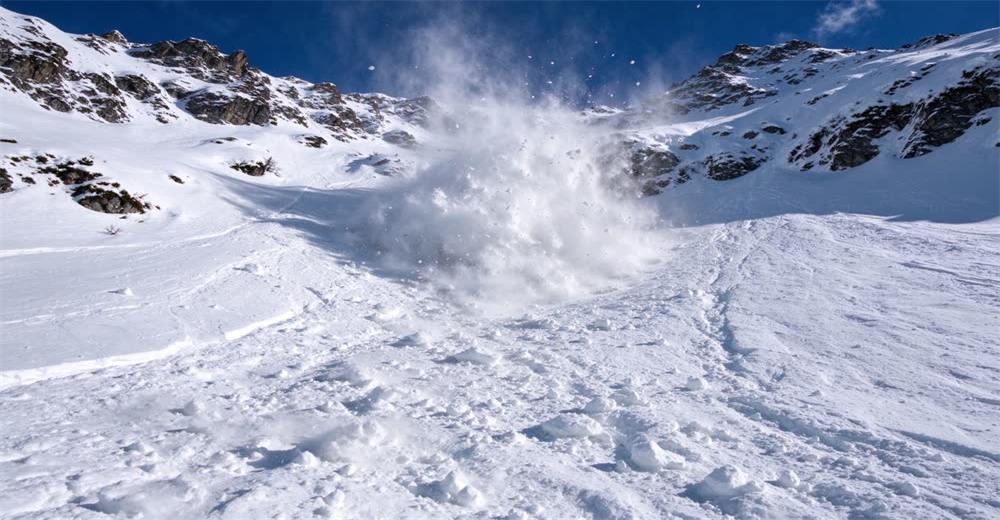
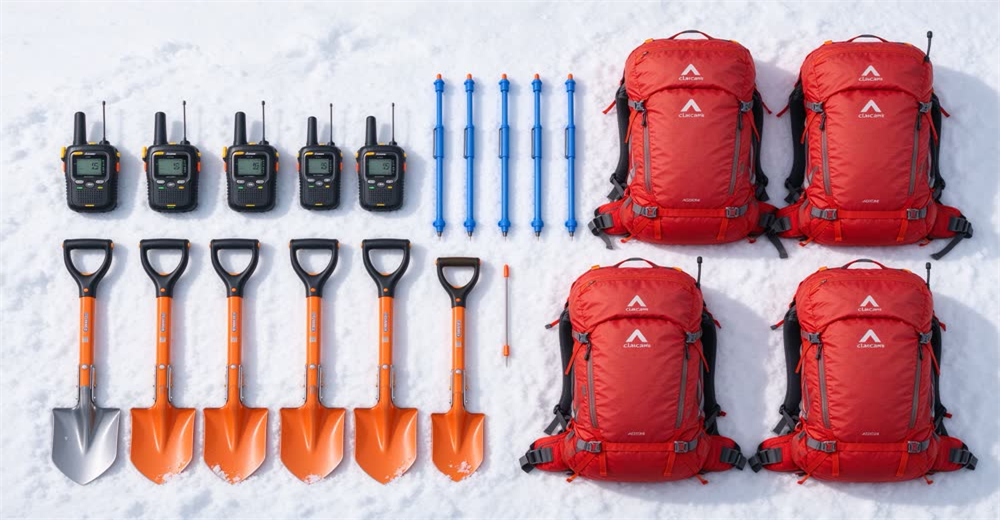
Ski patrol supervisors, mountain rescue leaders, and backcountry guide operators need avalanche rescue gear that works at -20°C in wind and snow — not catalog gear. The beacon must be digging-ready out of the bag, the probe must reach 2.2m, and the shovel must deploy one-handed in gloves. Following US Forest Service avalanche safety guidance, this guide covers those three non-negotiables, following Ready.gov winter survival guidance plus airbag systems, bivouac shelters, rescue sleds, and cold-weather extrication.
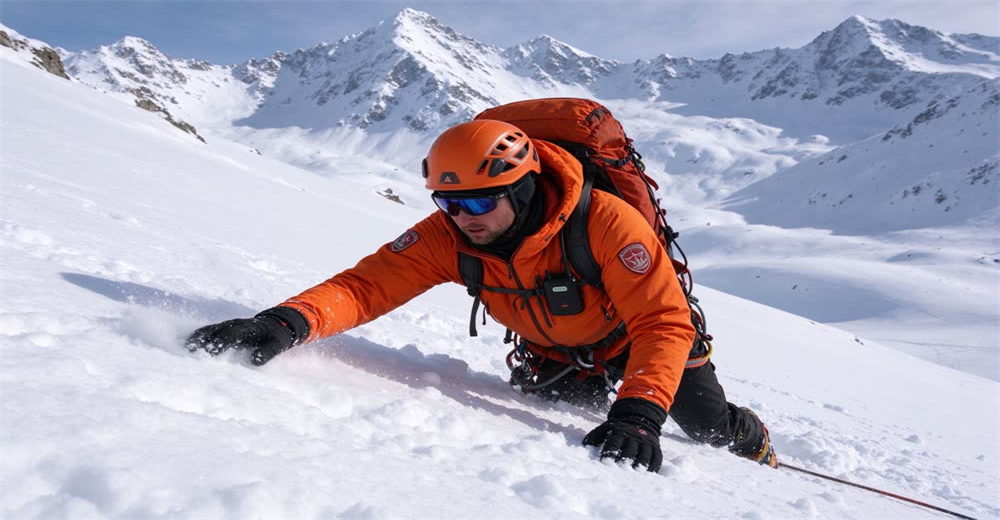
An avalanche occurs when a layer of snow on a steep slope fails and slides downhill. Typical avalanche paths are 30-45 degree slopes — steep enough for snow to slide, not so steep that snow cannot accumulate. Victims are carried down the slope, buried in snow that sets like concrete. The three contributing factors are terrain (steep slope), snowpack (weak layer), and a trigger (usually the victim themselves). Understanding terrain and snowpack forecast is the first line of defense, but when an avalanche does occur, equipment determines survival.
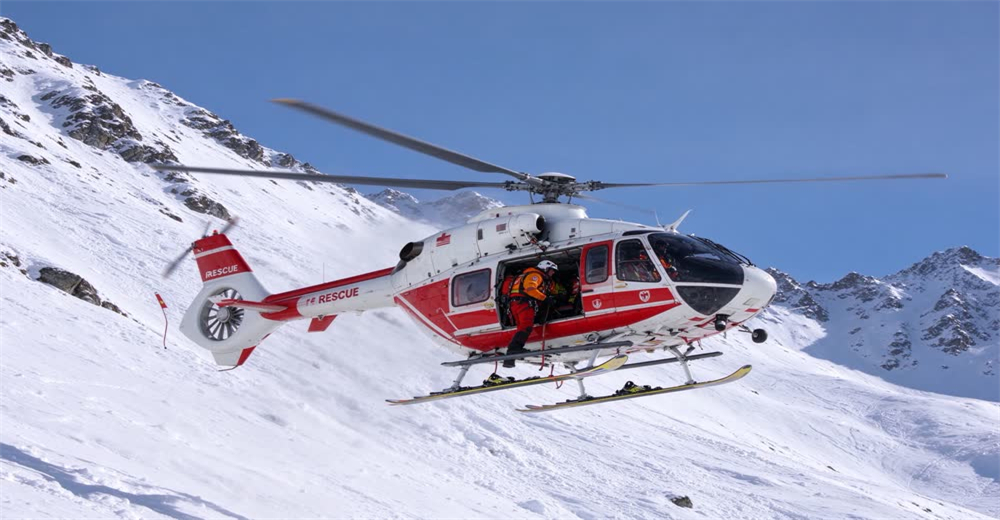
Backcountry safety depends on fast snow rescue. Statistics from avalanche centers around the world are consistent: if a buried victim is rescued within 15 minutes, survival is over 90%. At 30 minutes, survival drops to about 30%. At 60 minutes, it is under 10%. This is why professional helicopter rescue is often too late — in remote terrain, it takes longer than 30 minutes to arrive. The only effective rescue in the critical window is from the unburied members of the same party. This is why every backcountry traveler, not just professional rescuers, must carry beacon, probe, and shovel.
After an avalanche, the slope remains unstable. Rescuers are at high risk of triggering a second slide. This means rescue must be rapid and deliberate: probe the burial, shovel efficiently, extract the victim, and get off the slope. No lingering on the debris field. Professional teams use rope stabilization and belay systems to protect rescuers, but in self-rescue situations, speed is the only protection.
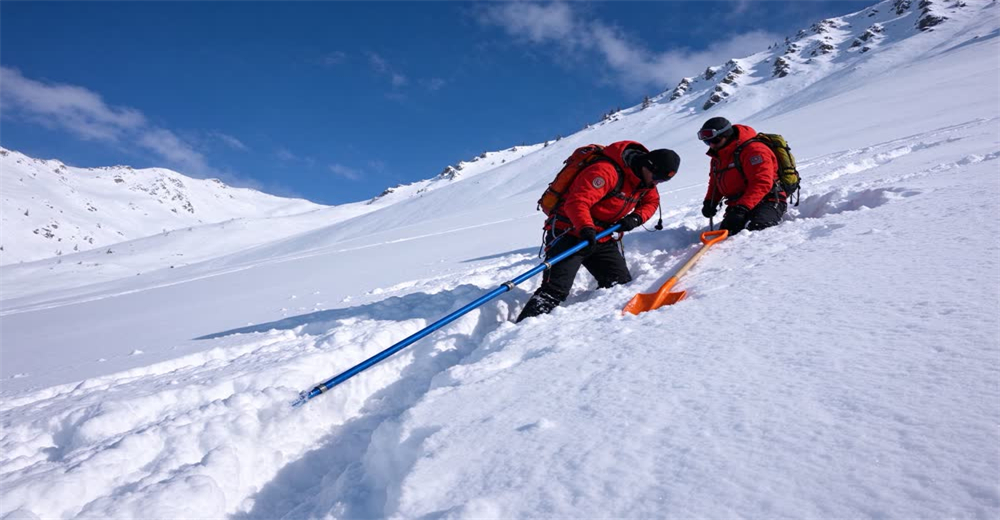
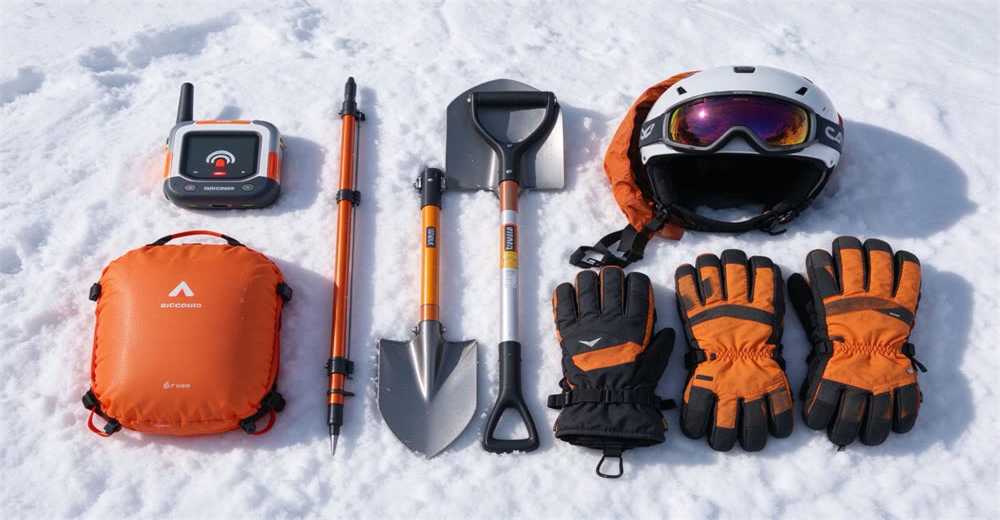
The avalanche beacon (also called an avalanche transceiver) is a small radio transmitter/receiver worn on the body, under the jacket. In normal mode it emits a 457 MHz signal. When someone is buried, rescuers switch their beacons to search mode and follow the signal to the victim. Modern digital beacons give both direction and distance, making search faster and more accurate. Every member of the party must have a beacon, they must all be the same frequency, and everyone must practice beacon search regularly. A beacon that has not been practiced on is as dangerous as no beacon at all — panic and cold fingers make search skills disappear fast.
Rescue math: A 1m burial takes 5 minutes to locate with a beacon, 10 minutes to probe, and 15 minutes to shovel out. Total: 30 minutes — right at the survival window edge.
Once the beacon narrows the search area to a few square meters, the probe locates the exact burial point. A probe is a 2-3 meter collapsible aluminum pole, assembled in sections and pushed into the snow until it touches the victim. Professional rescue probes are 3 meters long. Every party needs at least one probe per member, because probing is done by multiple rescuers working in a line. Probes must be durable — they are pushed into dense snow repeatedly, and a weak probe section bends or collapses mid-probe.
Common mistake: Rushing to dig without probing first. Digging in the wrong spot wastes 10–15 minutes — and every minute counts. Always probe to confirm burial location and depth before starting to dig.
The shovel is what actually digs the victim out. Snow compresses into dense concrete after an avalanche — digging with your hands or skis is hopeless. A proper avalanche shovel has a metal blade (plastic blades break), a long handle, and folds or disassembles for packing. For multiple burials, multiple shovels working in parallel dramatically speeds excavation. The efficient digging technique is to dig a trench down from the side of the probe line, not straight down from above. We supply aluminum-blade avalanche shovels at wholesale pricing, with ergonomic handles and compact folding designs.
Tool
Purpose
Key Feature
Per Person
Beacon
Locate buried victim by radio
Digital, 457 MHz, long battery life
1 mandatory
Probe
Exact burial location
3m aluminum, quick assembly
1 minimum
Shovel
Excavate victim
Metal blade, folding
1 mandatory
Table: The three essentials. Every backcountry traveler carries all three. A missing beacon or a broken shovel turns a rescue into a recovery.
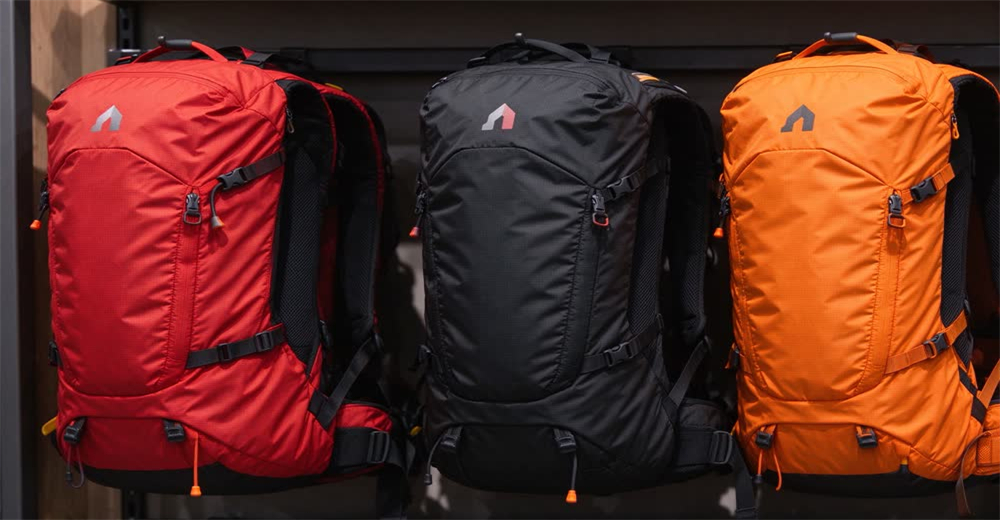
An avalanche airbag backpack has a large balloon that the wearer can deploy by pulling a handle during a slide. The inflated balloon increases the wearer's volume, which helps them stay near the surface of the flowing snow instead of being carried deep underground. Statistics show that airbag users have a significantly higher chance of staying on or near the surface, which dramatically improves survival. Airbags are supplementary — they do not replace beacon, probe, and shovel. But when they work, they are the difference between a shallow burial and a deep one.
Airbag fact: Avalanche airbags reduce burial depth by 50% on average. Shallow burials under 1m have 90% survival; deep burials over 1.5m drop below 30%.
Older airbags used compressed gas cylinders that needed refilling after each deployment. Newer electronic airbags use a battery-powered fan that inflates the balloon in seconds and can be recharged anywhere. Electronic systems are more convenient for frequent users but are more expensive. We can supply airbag-compatible backpacks and refilling supplies for professional rescue teams. Note: airbags are high-value equipment that travelers often rent, so rescue teams should focus on the other essentials.
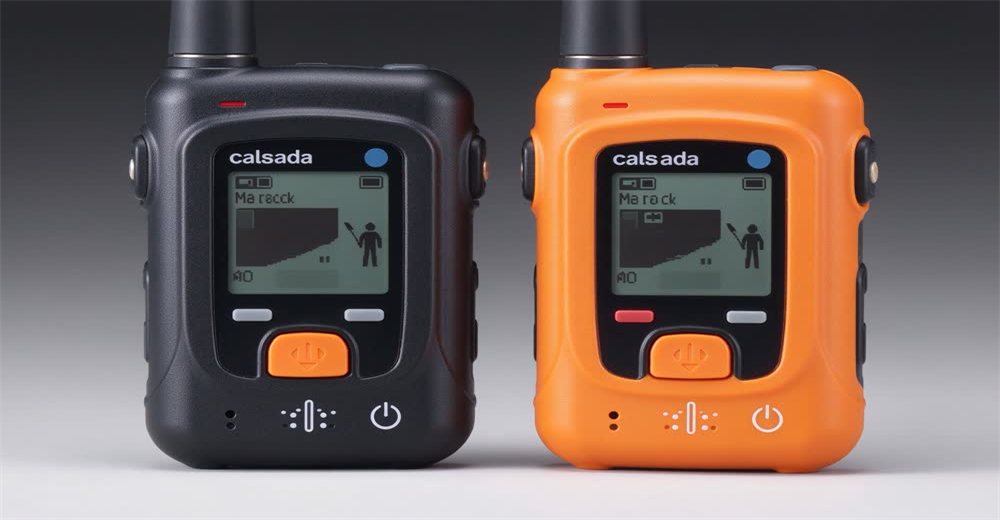
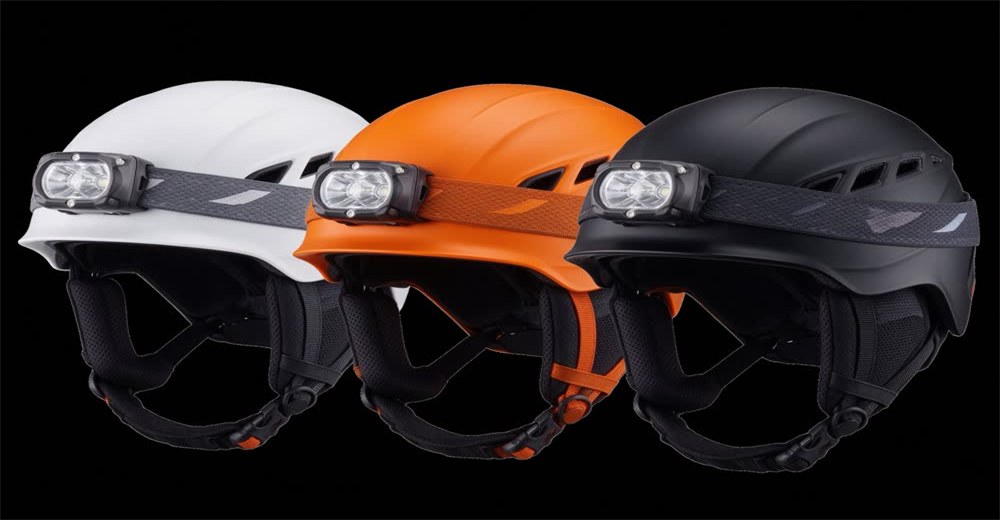
Avalanche rescue work involves flying debris and falling ice. A climbing or ski helmet protects the head from both the avalanche itself and from probe poles and shovels during excavation. Look for a certified mountaineering helmet with good ventilation that still works under a hood. Every rescuer should wear one — head injury is common even in successful extractions.
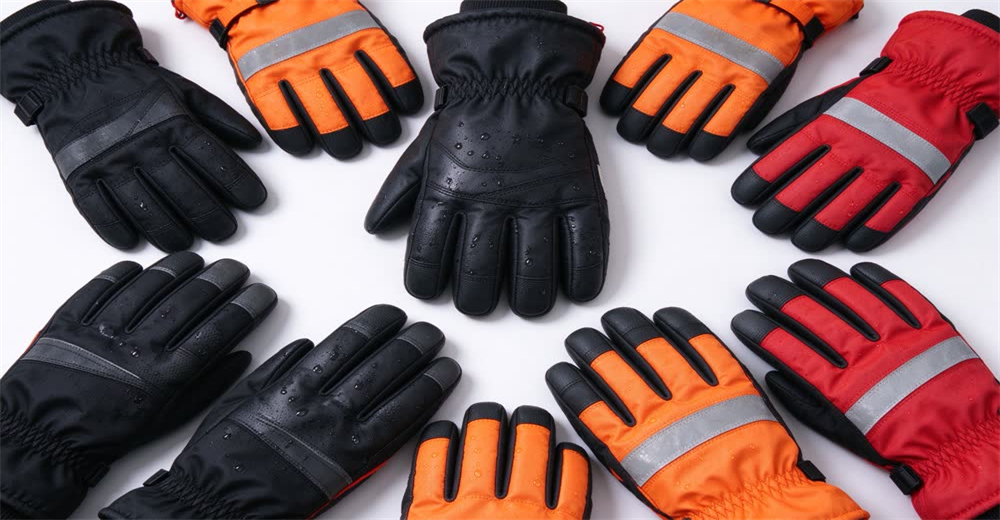
In -20°C weather, fingers stop working in minutes without proper gloves. Rescue gloves must balance warmth with dexterity: thick enough for insulation, thin enough to operate a beacon and assemble a probe. Professional rescuers often use a two-glove system: thick outer mitts for digging, thin inner gloves for delicate work. Waterproof, windproof, and reinforced palms are essential. We supply cold-weather rescue gloves at wholesale pricing, sized for both men and women.
Wind-driven snow causes snow blindness and facial frostbite. Goggles with UV protection and a face mask or balaclava are standard. In whiteout conditions, goggles also protect eyes from wind and blown snow. For prolonged rescue work in exposed terrain, neck gaiters and face coverage prevent frostbite on exposed skin.
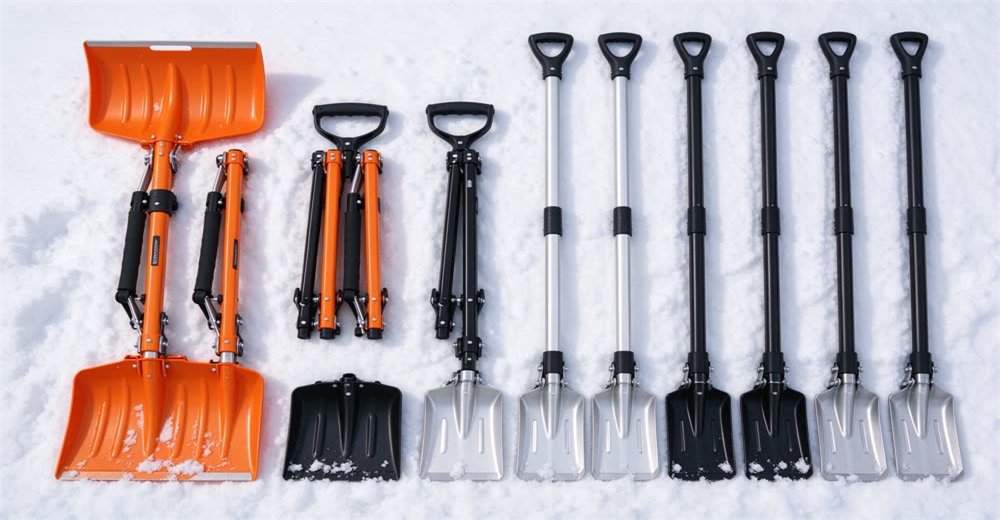
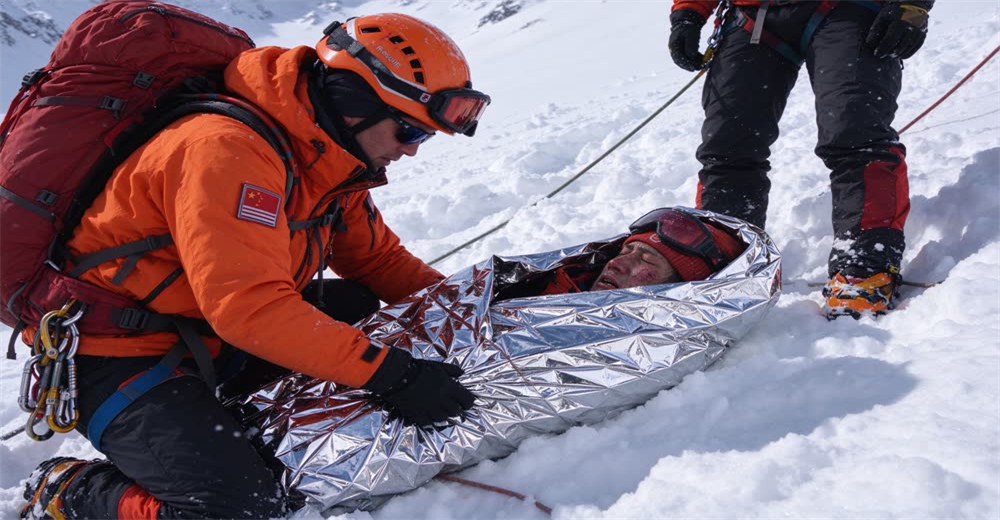
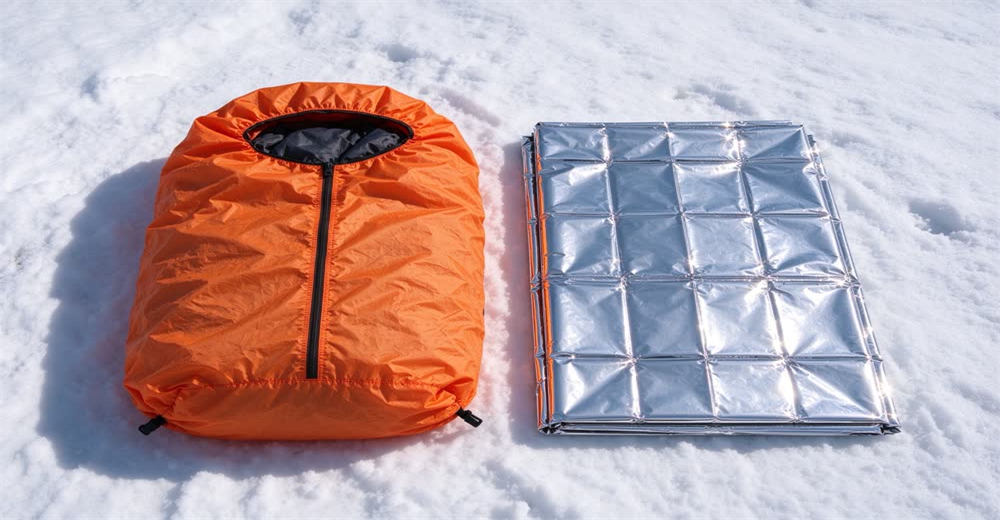
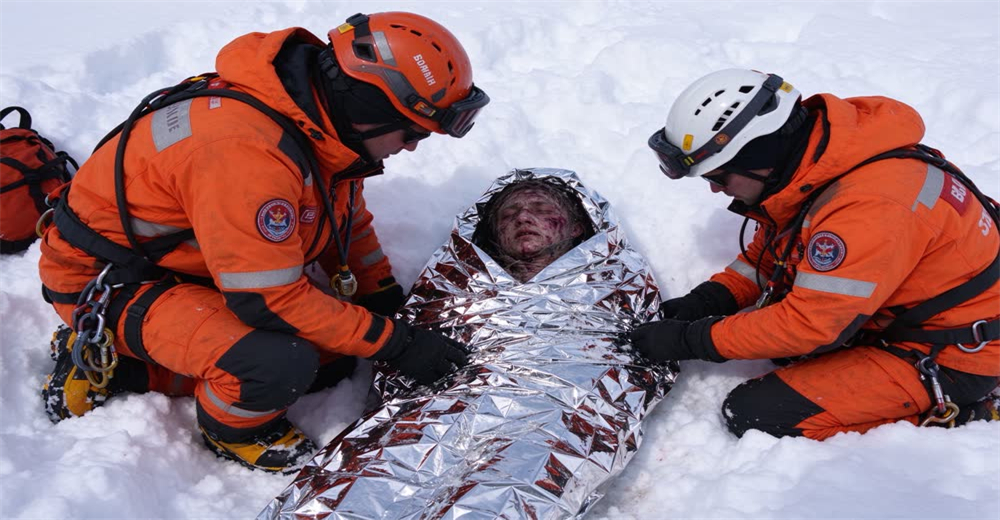
Once a victim is extracted, immediate thermal protection is critical. A wet, cold, shocked body loses heat 25 times faster in wind. An emergency bivy sack — a lightweight, waterproof, windproof tube that wraps the victim — traps body heat and blocks wind. Modern bivy sacks have an aluminum-reflective interior that reflects 90% of body heat back. Every rescue team should carry multiple bivy sacks. These are light (200-300g each) and pack small, so there is no reason to skimp.
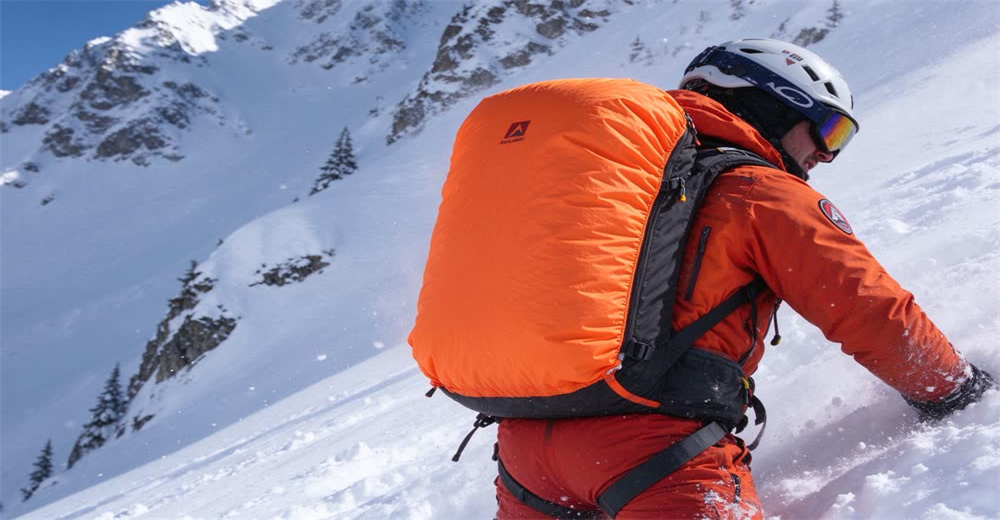
Beyond the bivy, victims need warm blankets. Our emergency thermal blankets are foil-coated, waterproof, and compact. They are not a long-term solution but provide immediate wind and water protection while rescuers arrange a proper shelter or evacuation. For professional teams, thicker wool or fleece blankets go on top of the bivy for sustained warmth. We supply both emergency foil blankets and expedition-weight wool blankets at wholesale pricing.
Wet clothing pulls heat away from the body fast. Rescuers should carry spare dry layers: hats, gloves, socks, and a insulating jacket for extracted victims. The single most important piece of clothing for a cold, wet person is a warm hat — 30% of body heat escapes through the head. Every rescue pack should include spare wool hats and gloves. This is cheap insurance against hypothermia.
Critical insight: Extracting the victim is only half the rescue. A wet, cold victim in wind will develop hypothermia within 30 minutes. Every rescue team must carry bivy sacks, thermal blankets, and spare dry headwear.
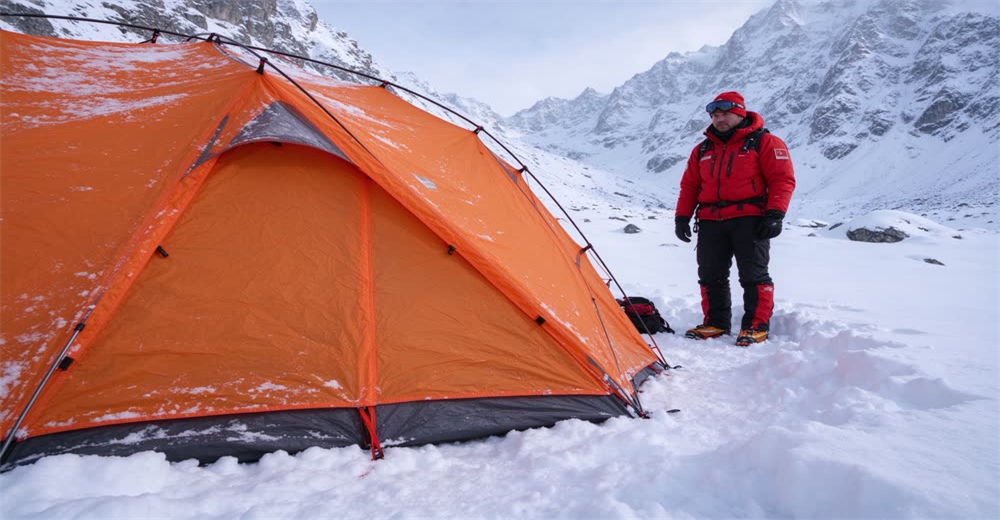
In remote terrain, rescuers may need to establish a sheltered base. A 4-season expedition tent, rated for strong winds and heavy snow, serves as the warm waiting area and first aid post. Our expedition tents are built with aluminum poles and waterproof, windproof fabric that survives high mountain conditions. A 4-6 person expedition tent is the minimum for a professional rescue team working in winter conditions.
When no tent is available, a snow trench or quinzhee (snow cave) provides surprisingly good shelter. Dig a trench in the snow, cover it with a tarp or ski, and the snow itself insulates against wind. This is a backup survival technique every rescuer should know. Emergency tarps — lightweight, waterproof, orange for visibility — should be in every rescue pack.
A 3x3 meter emergency tarp, bright orange for visibility, has many uses: ground sheet, shelter roof, signal panel, or stretcher cover. We supply rip-stop nylon tarps at wholesale pricing, in high-visibility orange. For multi-day operations, a proper expedition tent is the right choice, but every individual rescuer should carry a small emergency tarp.
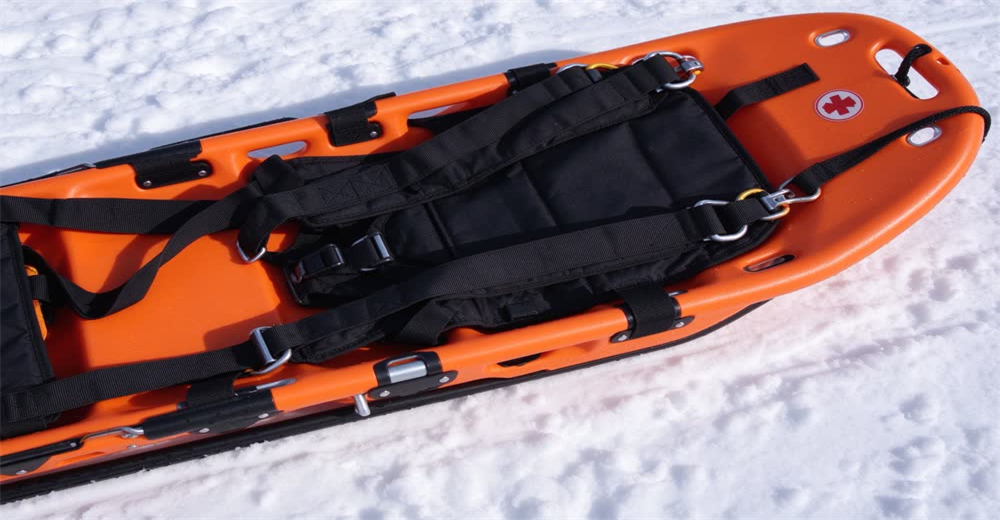
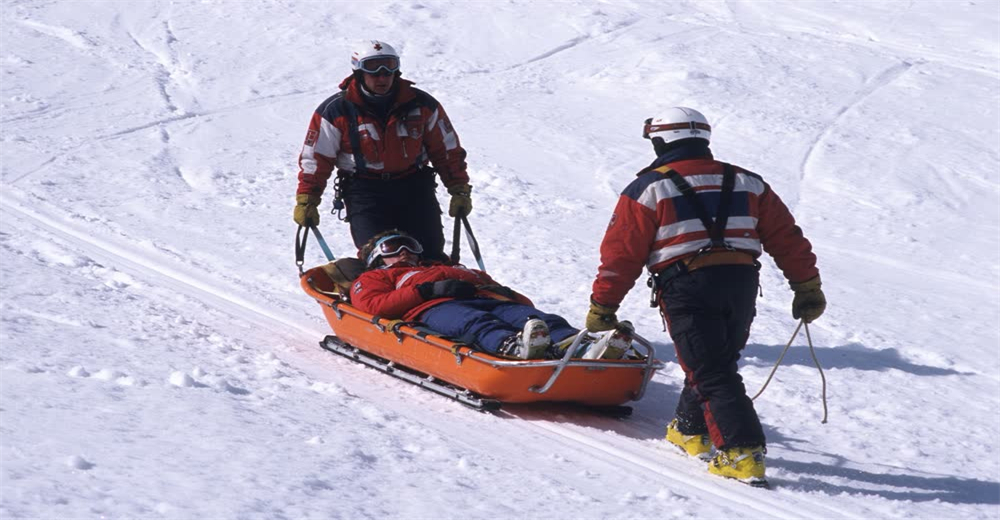
Getting a non-ambulatory victim off a mountain is the hardest part of avalanche rescue. A rescue toboggan — a rigid sled that the victim is lashed to — is the standard solution. Teams of rescuers pull and lower the toboggan down the slope to the road or helicopter pickup. We supply folding rescue toboggans that pack small but support a 150 kg patient plus equipment. This is high-value but essential equipment for professional mountain rescue.
On gentler terrain, a folding stretcher works. But on steep snow, a toboggan is much safer and faster. For mixed terrain, a combined toboggan-stretcher converts between modes. Plan one toboggan per rescue team, plus one as a spare. If you work in a large ski area, you need multiple toboggans staged at different points.
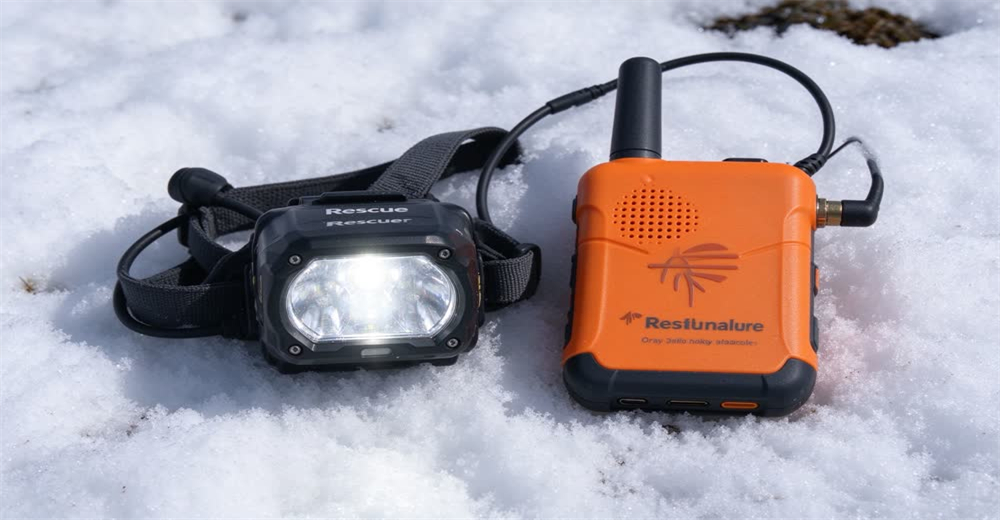
Avalanche rescues often continue after dark. Every rescuer needs a reliable headlamp with fresh batteries and a spare set. In whiteout conditions or at night, a hands-free headlamp is essential. We supply waterproof, impact-resistant headlamps at wholesale pricing, with multiple brightness modes and red light for night vision preservation. For prolonged rescue operations, spare batteries are critical — cold weather drains batteries fast.
In the mountains, cell phones do not work. Professional rescue teams carry satellite messengers and GPS units for off-grid communication. For backcountry groups, a satellite messenger device provides the emergency communication link to outside help. The key point: have a way to call for professional help once the immediate self-rescue is complete.
Category
High Priority
Medium Priority
Notes
Search
Beacon, probe, shovel
Avalanche cord, snow saw
Every team member
Thermal
Bivy sack, thermal blanket
Spare hat, gloves, jacket
Multiple spares
Transport
Rescue toboggan
Folding stretcher, rope
High value
Shelter
Expedition tent
Emergency tarp
4-season rated
Protection
Helmet, rescue gloves
Goggles, balaclava
Cold-rated
Lighting
Headlamp + spare batteries
Handheld flashlight
Waterproof
Table: Professional avalanche rescue gear. High-priority items are non-negotiable; medium items depend on team size and mission length.
The most important equipment in an avalanche rescue is not gear — it is trained people. Beacon search is a perishable skill: without regular practice, search time doubles. We recommend a beacon search practice session at the start of every winter season, and again mid-season. Set off a beacon in a known location, time how long it takes to find it, and compare across team members. Under stress and cold, skills degrade fast. Practice in controlled conditions so you can perform in real ones.
Avalanche victims present with a range of injuries: trauma from the slide, hypothermia, frostbite, and asphyxia. Rescuers need basic cold-weather first aid training: how to recognize hypothermia, how to handle a victim with suspected spinal injury, and how to manage an airway in a cold environment. The American Red Cross offers wilderness first aid courses that specifically cover cold weather injuries.
Every member of the group should do a gear check before leaving the trailhead: beacon turned on and batteries fresh, avalanche probe sections all present, shovel assembled and taken apart again, bivy sack in the pack. A broken probe discovered mid-rescue is a fatal mistake. Ten minutes of gear check at the trailhead prevents hours of problems in the field.
Item
Small Team (4)
Full Team (12)
Beacons
4
12
Probes
4
12
Shovels
4
12
Bivy sacks
6
20
Thermal blankets
10
30
Rescue toboggan
1
3
Expedition tent
1
3
Helmets
4
12
Rescue gloves (pairs)
8
24
Headlamps + spare batteries
4
12
Table: Avalanche rescue gear by team size. Always carry more bivy sacks and blankets than team members — you will need them for victims.
A: Beacon (transceiver), probe, and shovel. Every member of a backcountry group must carry all three and know how to use them. Professional rescue is usually too slow — self-rescue by the party is what saves lives.
A: With a clear airway, most victims survive 15-30 minutes. After 30 minutes, survival drops sharply due to hypothermia and asphyxia. Fast beacon search and efficient digging are critical.
A: Yes. Airbags help the wearer stay near the surface, reducing burial depth. They are supplementary — always carry beacon, probe, and shovel regardless.
A: Beacons, probes, shovels, rescue toboggans, expedition tents, bivy sacks, helmets, cold-weather gloves, headlamps, and communication radios.
A: Snow is around freezing (0°C), but moving wind and wet clothing accelerate heat loss. Hypothermia is a major risk immediately after extraction.
A: An emergency bivy sack that blocks wind and reflects body heat. Thermal blankets and spare warm hats and gloves follow.
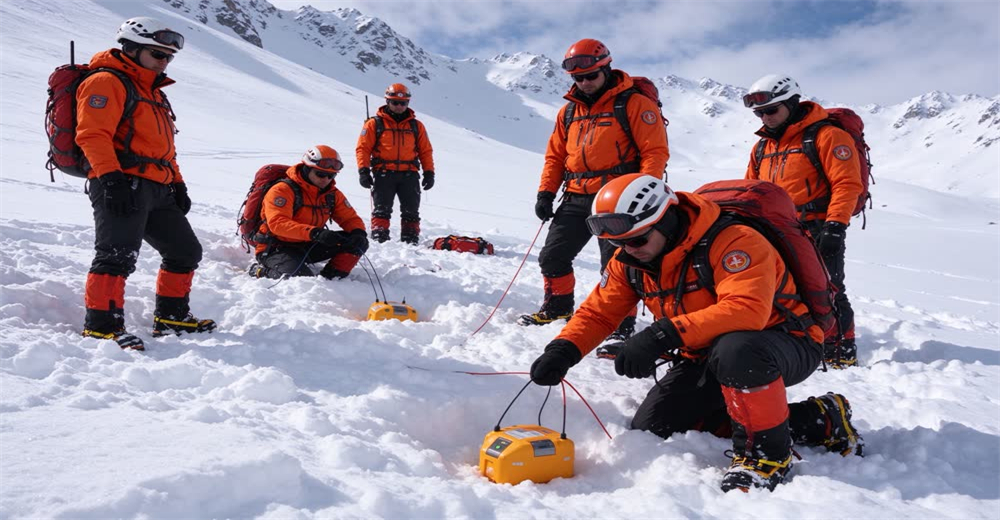
A: Every patrol member should do a group beacon test before the first lift: transmit, search, and find a buried beacon in under 3 minutes. Check battery level, antenna condition, and whether the device still picks up 457 kHz. A beacon you have not tested is a beacon you cannot trust.
A: A small radio transceiver worn on the body. In search mode, it tracks the 457 MHz signal from a buried beacon, leading rescuers to the victim.
A: 1-3 meters. The snow sets dense like concrete after the slide, which is why metal shovels are essential — digging by hand is impossible.
A: Professional teams use 4-season expedition tents as rescue bases. Emergency tarps and bivy sacks are carried by every individual rescuer.
A: Per person: beacon ($300–500), probe ($80–150), shovel ($80–150), airbag pack ($500–900). For three team members, budget roughly $3,000–4,500 for core gear plus shared rescue sled ($400–800) and bivouac shelter ($200–400).
Start by assessing your actual risk exposure and equipment gaps. We are a China-based supplier of emergency response equipment. Contact us for wholesale pricing and equipment recommendations.
Дружественные ссылки :
авторское право © Custom Disaster - Relief Bedding: Tents, Sleeping Bags, Blankets Все права защищены
профессиональная команда для обслуживания !