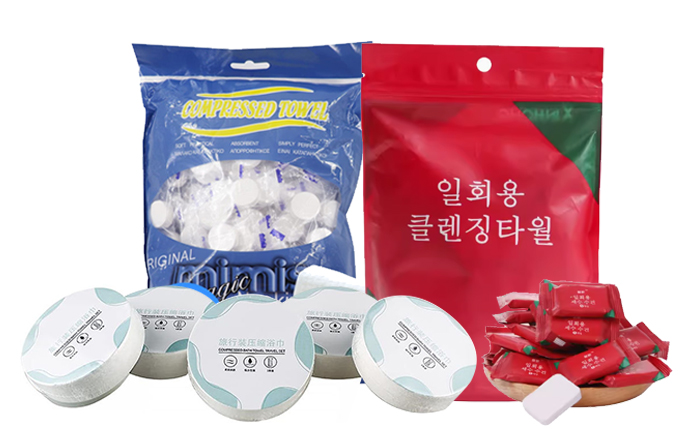
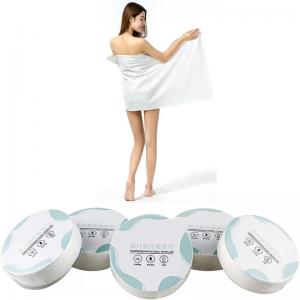
The Ultimate Emergency Compress Towel: Your Reliable Partner in Any Situation
Durable and compact, the Emergency Compress Towel is perfect for military personnel, medical professionals, and anyone who needs a reliable backup during travel or outdoor activities. It's also an excellent addition to any emergency kit,Reserve materials of the United Nations Congress,Available in various styles, colors, and sizes, the Emergency Compress Towel offers something for everyone. the Emergency Compress Towel is the perfect choice.

В общей сложности 1 страницы
Bulk compressed-towel procurement should not start with compressed appearance and unit price alone. First state whether towels will be issued individually, packed inside hygiene kits, or supplied to accommodation sites. Then align expanded dimensions, activation method, unit packing, labels, and quantity per kit. Material, hygiene, environmental, reuse, and shelf-life requirements are confirmed against the selected product and applicable documents so the sample, quotation, and bulk order use the same basis.
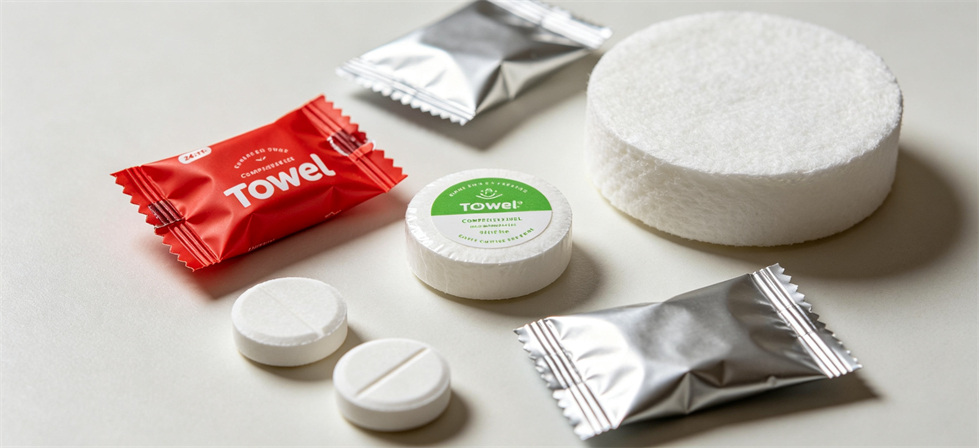
We have manufactured compressed towels and emergency hygiene textiles for 20 years, with stable bulk supply for civil affairs emergency reserves, Red Cross/UN/NGO hygiene kits, and institutional buyers. We run full in-house production from nonwoven slitting/cotton terry weaving to high pressure physical compression and packing, with consistent batch quality and full production traceability. Emergency orders can enter production within 72 hours. All products meet GB 15979 hygienic standard for single-use sanitary products.
✅ Two distinct product lines for bulk emergency and institutional orders: 100% cotton terry reusable compressed towels (standard household towel quality, machine washable) and disposable spunlace nonwoven magic towels (single use, ultra compact for high volume distribution). All batches inspected per AQL (Acceptable Quality Level) 2.5 standard.
If the project also requires thermal cover, sleep support, bedding, or mosquito protection, continue through the relevant category.
Our core supply is emergency and humanitarian aid projects (70%+ of our compressed towel output), with additional standard configurations for institutional and commercial B-end buyers:

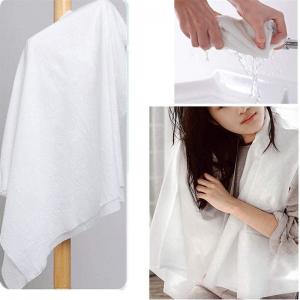
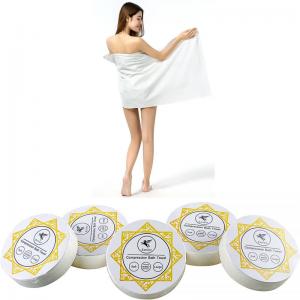
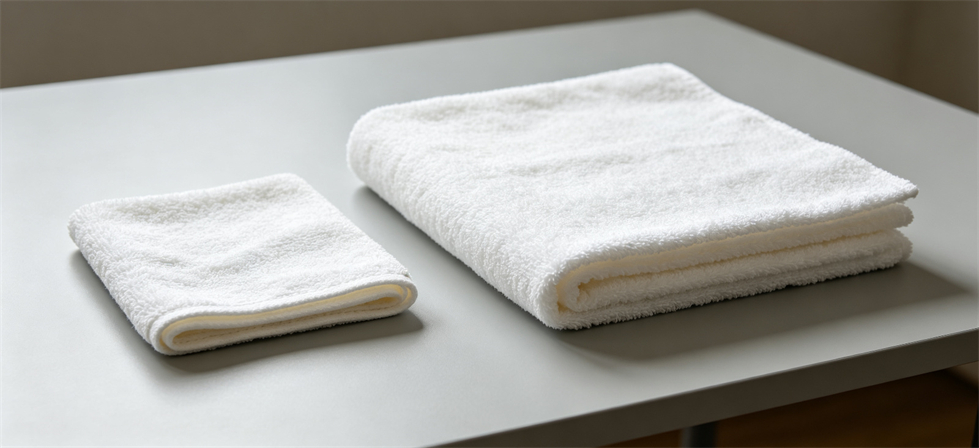
Standard ring spun cotton terry cloth, identical to regular household towels, compressed by high pressure physical process (no chemical additives) into compact cylinders to save 70% storage and shipping volume. Expands to full thickness in water, machine washable and reusable for normal towel service life, shrinkage ≤5% after first wash.
Standard material
100% ring spun cotton terry cloth, 300-450gsm (grams per square meter / 88-133gsy), weight tolerance ±5%
Standard sizes
Hand towel 30×60cm (12×24 inch); bath towel 35×75cm (14×30 inch); large bath sheet 70×140cm (28×55 inch), size tolerance ±3cm (1.2 inch)
Compressed size
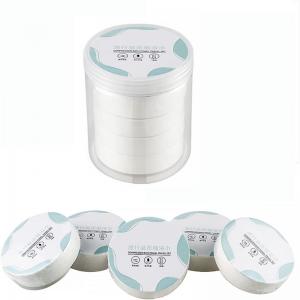
φ50-80mm (2-3.1 inch) diameter, 20-30mm (0.8-1.2 inch) thick, expands fully in 3-5 seconds in water
Performance
Color fastness ≥4 grade, absorbency ≥200% of own weight, pH 4.5-7.5 neutral, machine washable at 60℃, lint rate ≤0.5%, shrinkage ≤5%
Packing & loading
Individual OPP wrap, 50/100 per carton; 40HQ loads 30,000-40,000 units
Best for: long term emergency settlement camps, hospital/school dormitory use, military training, field work camp long term deployment, and mid/high end hotel reusable towel programs. Custom colors, jacquard logos, UN/Red Cross marking available as paid options.
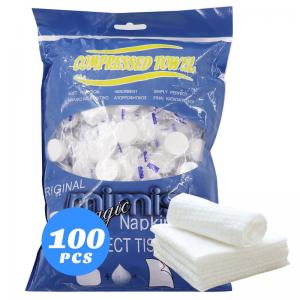
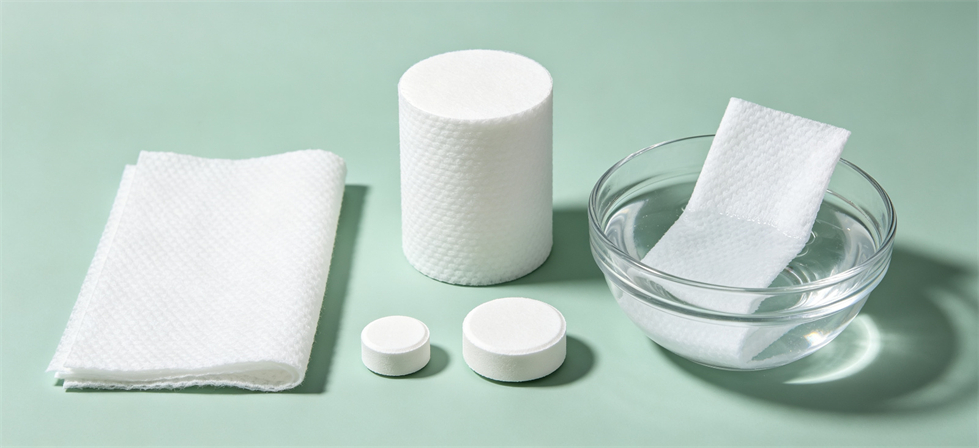
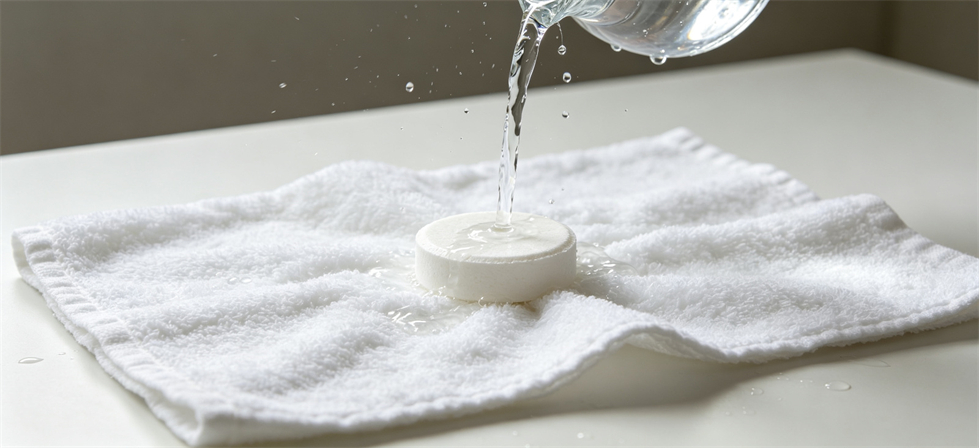
Single use lightweight compressed towels, coin/candy/tablet shaped, ultra low cost for high volume emergency distribution. Expands in 3-10 seconds in 20-25℃ water. Standard model designed for single use only; thickened models are only recommended for personal temporary rinse and reuse, not for institutional repeat distribution.
Standard material
70% viscose / 30% polyester spunlace nonwoven, 20-60gsm (6-18gsy), weight tolerance ±3gsm; 100% cotton spunlock is paid upgrade; no fluorescent whitening agents per GB 15979
Standard sizes
Hotel size 20×20cm (8×8 inch); standard 25×25cm (10×10 inch); standard hygiene kit size 30×40cm (12×16 inch), size tolerance ±2cm (0.8 inch)
Compressed size
Coin shape φ20-30mm (0.8-1.2 inch); candy shape φ25×60mm (1×2.4 inch); square tablet 30×30×10mm
Performance
Fully expands in 3-10 seconds in 20-25℃ (68-77℉) water, absorbency ≥5x own weight, wet tensile strength ≥15N/5cm, lint rate ≤1.0%, pH 4.0-7.5 neutral
Packing & loading
Individual OPP wrap, 100 per bag, 1000/5000 per carton; 40HQ loads 500,000+ units
Best for: emergency/UN/Red Cross hygiene kits, civil affairs reserve, disaster point distribution, and supplementary use cases including hotel disposables, medical clinics, event kits. EO sterilization, custom logo printing, flushable material, scented/moisturizing options available as paid upgrades.
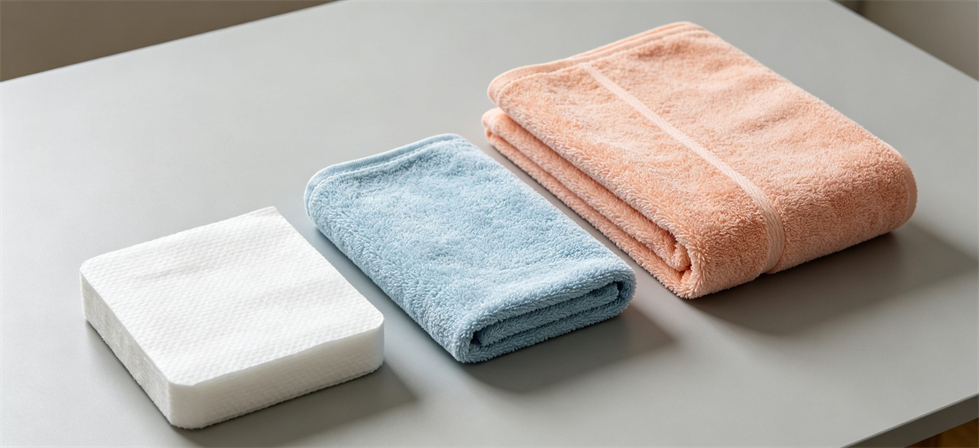
Use this route when towels are issued by person or distribution point. Confirm the expanded use first, then check whether each pack is easy to identify and open, together with label language, lot marking, and carton quantity. For emergency distribution, disposable nonwoven towels are standard for one time issue.
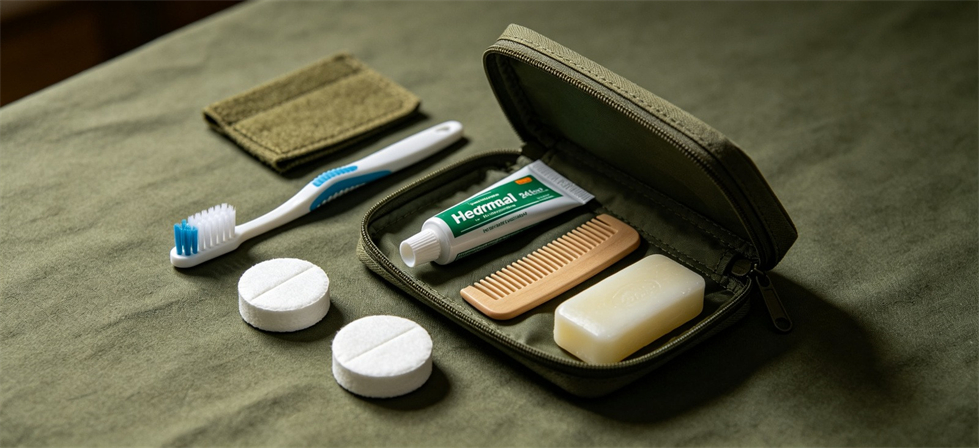
Define quantity per kit, the towel's position in the kit, assembly sequence, and outer packing. Separate the single-unit requirement from the complete-kit requirement so omissions, packing errors, and replenishment responsibilities are visible in the quotation. 30×40cm disposable towels are standard for UN/Red Cross hygiene kits.
Use this route for supply by accommodation site, sleeping area, or wash point. Calculate quantity from user count and replenishment cycle, then align activation, measurement, carton identification, and staged issue. Reusable cotton towels are preferred for camps operating longer than 2 weeks to reduce waste.
Any of the following issues result in automatic batch rejection:

Field
Buyer input
Confirmation
Compressed unit
Shape, dimensions, and single-unit state
Sample and measurement record
Expanded towel
Length, width, and measurement conditions
Expansion method and size record
Material
Composition, construction, and tolerance
Specification or applicable report
Expansion method
Medium, time, temperature, or other conditions
Approved instruction
Packing
Unit wrap, label, kit quantity, and carton mark
Approved packing record
All models support flexible customization for bulk and tender orders; all custom options quoted separately:
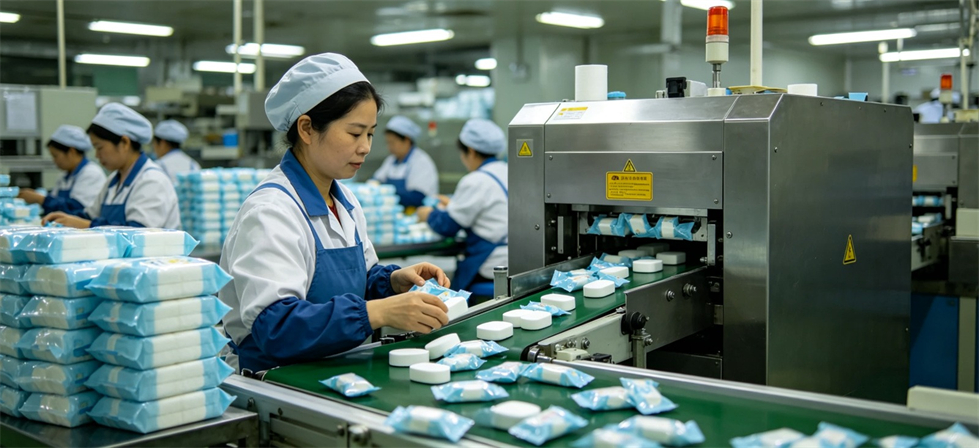
All custom requirements confirmed in writing before production; pre-production samples provided for approval before bulk run.
MOQ note: In-stock standard disposable nonwoven towels have 10,000pc MOQ for trial orders. Custom printed / cotton terry / sterilized / flushable orders have 50,000pc MOQ, final MOQ confirmed per order.
If the project requires cotton, nonwoven construction, no additives, biodegradability, reuse, sterility, or a stated shelf life, list each requirement in the inquiry and identify the specification, test, or label evidence required. YRF will check applicability for the selected product, and receiving should use the same requirement rather than relying on appearance or a product name.
Sample Policy: Specification sheets, formal quotations and sample application guides are provided free of charge. Sample cost is calculated separately based on exact specification, size and customization requirements. Sample fee and shipping cost are prepaid by the buyer; sample fee can be credited against bulk order payment when the order meets agreed quantity and amount. Blank in-stock samples ship 1-2 working days after payment; custom printed / custom material samples take 7-10 working days.
Quality Control Process: 1) Incoming material inspection: verify fiber composition, gsm, pH, no fluorescent agents and odor; 2) In-process inspection: check compression size, individual wrap seal and printing; 3) Finished goods inspection: per AQL 2.5 standard, test expansion time, wet strength, lint rate, shrinkage and dimensions; 4) Pre-shipment inspection: third party SGS/BV/Intertek inspection can be arranged, third party cost borne by buyer.
Order Terms: Standard order lead time 7-15 days; emergency orders enter production within 72 hours, final lead time confirmed per contract. Goods ship from main Chinese ports, customer nominated ports supported; FOB/CIF/EXW Incoterms standard, DDP can be evaluated per destination. Standard products carry manufacturing defect warranty. Quotations are normally valid for 30 days. Standard storage: keep in cool dry place away from moisture and direct sunlight, unopened shelf life 3 years from production date.
All towels are individually wrapped in moisture proof OPP film, then packed in export cartons suitable for ocean shipping. Store in cool, dry, well ventilated areas away from direct sunlight, moisture and chemicals.
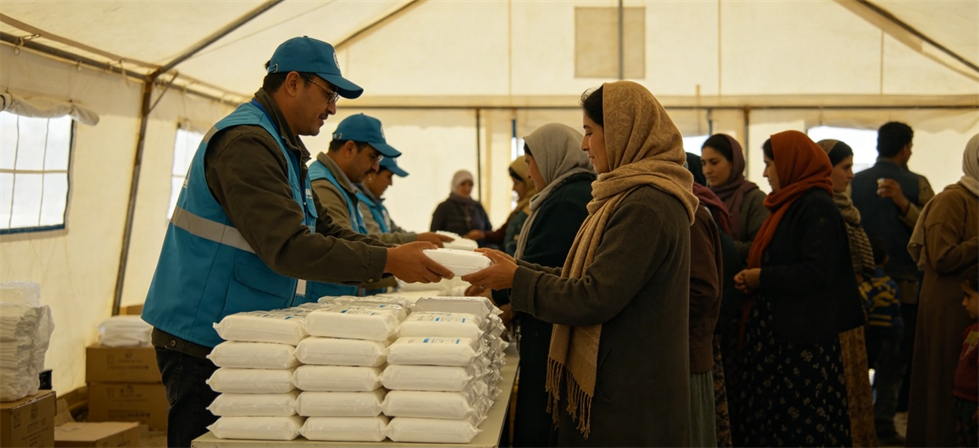
We also supply matching emergency bedding and relief blankets for combined hygiene and settlement tenders, plus mosquito nets for full camp kits.
At sample stage, record compressed form, pack integrity, opening steps, activation, expanded dimensions, appearance, labels, and carton arrangement. Use the same record for bulk receiving and repeat orders. Where material, dimensions, packing, labels, or destination changes, confirm the difference before production.
A compressed towel may be issued as a separately packed unit or included in a hygiene kit, emergency kit, or institutional replenishment pack. State the unit use, quantity per kit, outer pack, and issue method separately so the supplier can distinguish unit pricing, kit assembly, and replenishment responsibility.
The compressed state supports storage and distribution, but selection must return to expanded dimensions, opening action, user operation, and replenishment. Products with different expanded sizes or packing should have separate procurement directions even when their compressed appearance is similar.
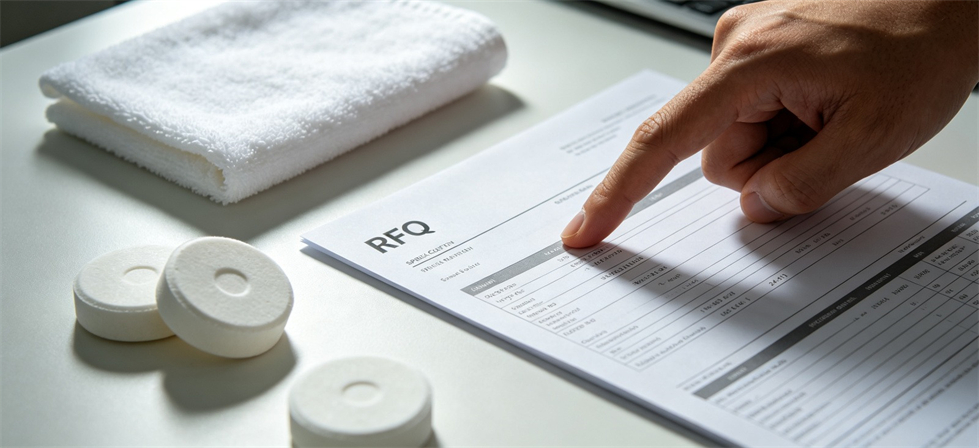
When the towel enters a kit, check its position, label language, assembly sequence, and individual replacement route. Decide before ordering whether one damaged unit can be replenished without replacing the entire kit.
Record single-unit issue quantity, quantity per kit, allocation by destination, and the mutually confirmed spare or replenishment quantity separately. A single unit, a complete kit, and a site replenishment cycle cannot share one unexplained total, or the warehouse cannot identify what is missing.
Expanded dimensions need a stated operating condition. Provide the medium, waiting time, temperature, or other applicable requirement and agree when length and width are measured. Dimensions taken under different conditions are not directly comparable.
Sample review should record the compressed form, opening action, expansion process, expanded state, and recovery route. Where rapid field use matters, record the steps, operators, and whether packaging is easily lost instead of only checking that the towel expands.
Where additives, hygiene treatment, or environmental attributes matter, list the required documents, applicable lot, label wording, and acceptance method before sample approval. This allows the available product route, customization need, and verification work to be assessed before bulk ordering.
Confirm the unit-pack direction, opening method, label content, lot marking, and any pouch or outer cover. Government, NGO, and wholesale distribution may also require language, project identification, carton quantity, and destination carton marks.
Assemble kits in the actual sequence so the towel, pouch, instruction, and other components are not omitted or damaged. Unit and kit labels must not be replaced by one vague product name.
For split destinations, review labels and packing separately to avoid destination re-sorting. Where single-unit replenishment is needed, the warehouse should be able to identify the unit pack independently.
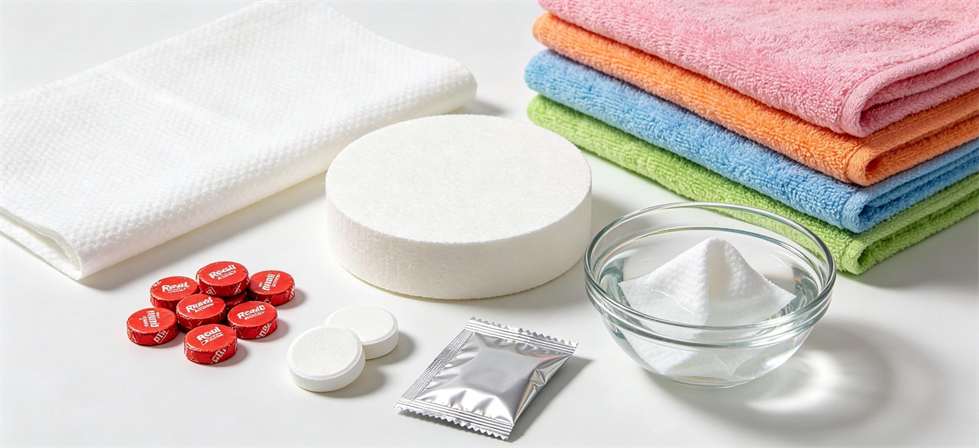
For single-use distribution, state how issued towels will be collected, counted, or written off. If recovery is planned, define cleaning, drying, folding, and repacking. These routes require different spare quantities, packing, and field handling, so they should be costed separately before quotation.
Cleaning, disinfection, or high-temperature treatment must match the selected material and packaging evidence. Observe changes to appearance, dimensions, labels, packing, and expanded state on the sample and record the acceptance boundary.
Spare packing, single-unit replenishment, and end-of-life handling should be quoted separately when needed. A single unit and a complete kit should not share one replenishment assumption.
The approved sample record should include compressed form, pack integrity, opening, expansion method, expanded dimensions, appearance, labels, kit components, and carton quantity. Bulk receiving should return to this record rather than a promotional image or old product title.
Inspection can proceed through unit identity, packing, opening, expansion, dimensions, labels, lot marks, and kit quantity. Material or environmental requirements enter acceptance only when the matched document, covered product, and decision method are available.
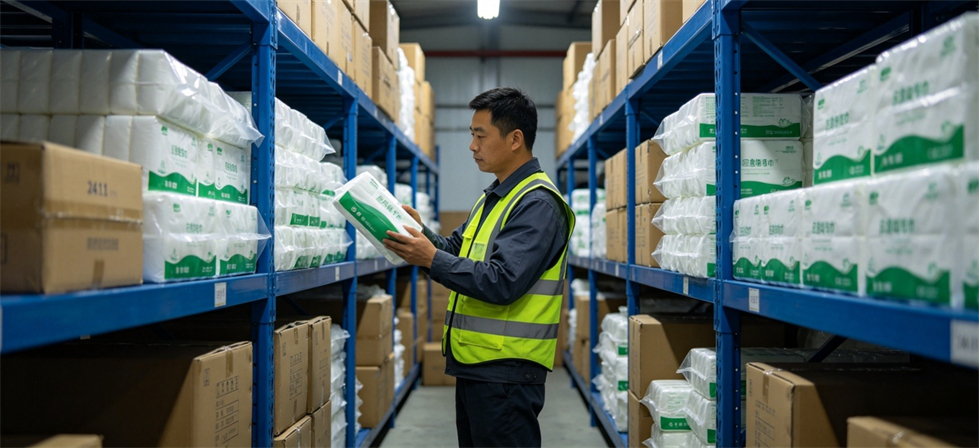
For repeat orders, list changes to compressed form, expanded dimensions, packing, labels, kit quantity, or destination separately. Confirm the returned difference record before production.
Cotton terry towels are thick woven regular towels, reusable and machine washable; nonwoven towels are thin lightweight, standard single use, much lower cost.
No. All standard towels meet GB 15979 with no fluorescent whitening agents, third party test report available for bulk orders.
Standard nonwoven towels are not flushable and will clog sewers; special flushable material is a paid upgrade option for specific projects.
Standard combed cotton terry has shrinkage ≤5% after first wash, meets international textile standards; we do not supply unwashed high shrinkage blanks.
Provide compressed-unit dimensions and expanded length and width under one defined condition.
State the medium, time, temperature or other conditions, and the measurement point. Standard is full expansion in 3-10 seconds in 20-25℃ water.
No. Use the corresponding specification and applicable third party test reports.
Only for EO sterilized batches with valid batch test report; standard stock is non-sterile.
Define wrapper requirements, opening, label content, unit name, and lot identification; OPP moisture proof wrap is standard.
Confirm separate component lists, quantities per kit, label names, and packing records for units and kits.
Review compressed state, wrapper, opening, expansion time, expanded dimensions, material feel, lint when wet, label and carton.
Compare the approved specification, sample, expansion record, packing artwork, gsm and material test reports.
Pricing depends on material (cotton/nonwoven), gsm, size, packing, customization, quantity and Incoterms. YRF confirms these fields before quoting, quotations are normally valid for 30 days.
Samples are arranged after buyer prepays sample cost and freight; sample cost is calculated per specification and can be credited against bulk orders meeting agreed terms. Blank samples ship 1-2 days, custom samples 7-10 days. Standard bulk lead time 7-15 days, emergency orders enter production in 72 hours.
Start with the single-unit issue quantity and quantity per kit, then split the allocation by destination and record the site replenishment cycle and mutually confirmed spare quantity separately. Units and complete kits should use different lists and packing records.
Yes, SGS/BV/Intertek inspection can be arranged per your requirements, cost borne by buyer. Material, gsm, pH, no fluorescent agent, wet strength and sterility test reports available for tender orders.
Unopened in dry cool storage: nonwoven 3 years, cotton terry 5+ years; sterilized batches 2 year sterile shelf life.
Yes, custom logo printing on wrap, jacquard logos on cotton towels and project marking are paid custom options, MOQ applies.
Provide use, quantity, destinations, material line (cotton reusable / nonwoven disposable), compressed shape and dimensions, expanded dimensions and method, material or test-document requirements, unit packing, kit configuration, labels, lot control, samples, and acceptance method. YRF can then prepare the specification confirmation points, sample review checklist, packing and label requirements, and a product-specific quotation.
|
Submit your compressed towel requirements, get full specification sheet, formal quotation and sample application guide within 24 hours.
|
 |
YRF Textile | 20 Years Emergency & Public Health Textile Manufacturer
Дружественные ссылки :
авторское право © Custom Disaster - Relief Bedding: Tents, Sleeping Bags, Blankets Все права защищены
профессиональная команда для обслуживания !