The most expensive sourcing mistake is rarely the highest quotation. It is the low quotation that cannot be compared: dimensions use different bases, packing is omitted, labels remain open and required documents appear only after production. The buyer discovers the real cost through rework, delayed receiving or an acceptance dispute rather than on the price sheet.
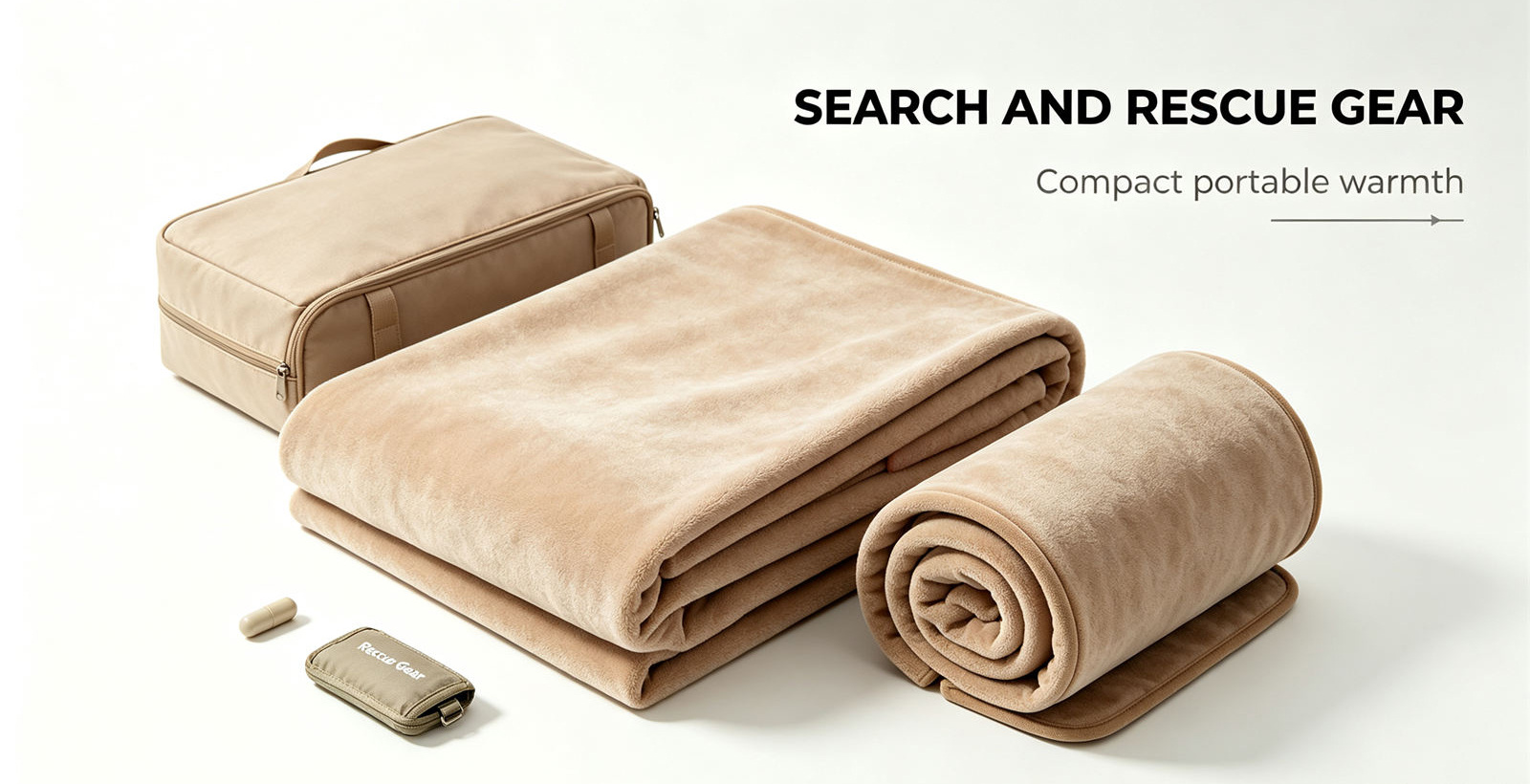
The lowest unit price can become the highest landed project cost when an offer omits packing work, approval steps, inspection fields, or destination-specific documents. The biggest risk in bulk disaster relief blankets sourcing is not only choosing the wrong blanket. It is writing unconfirmed specifications, packing data, document requirements, or production timing assumptions into the purchasing scope before samples and written records are approved.
A practical disaster relief blankets in bulk checklist should help buyers avoid five mistakes: buying from photos alone, skipping material and GSM confirmation, ignoring packing and carton fields, requesting documents too late, and releasing bulk production without a clear sample and inspection record.
For large blanket orders, every important claim should be traceable to a sample, specification sheet, packing file, label proof, or inspection requirement.
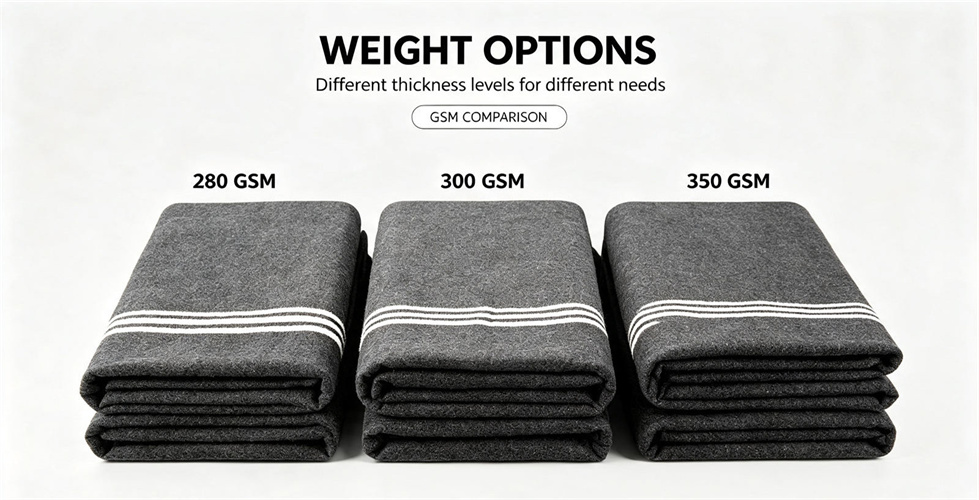
Normalize the measurement basis before comparing quotations. GSM is mass per unit area, and theoretical fabric weight can be estimated as length (m) × width (m) × GSM (g/m²). Use the confirmed length, width, and GSM from the same quotation to calculate a theoretical fabric weight, then compare it with the finished sample weight because edging and construction can change the result.
The cost of a sourcing mistake changes across the product lifecycle. A vague specification creates quotation gaps. A late label change causes artwork and packing rework. Unconfirmed carton data distorts warehouse and freight planning. A missing batch identity weakens receiving and later rotation. Compare each mistake by when it appears, who must correct it, and which downstream record must be reopened. This is more useful than a flat warning list because it shows why a small omission at inquiry stage can create several costs after production.
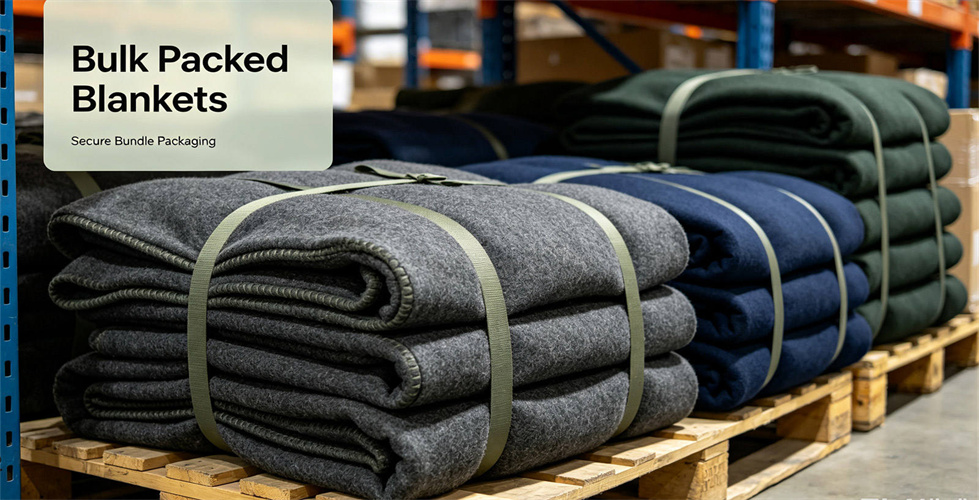
Judge a supplier reply by whether it closes the next decision. A useful response repeats the buyer's required field, gives the offered value or option, identifies the supporting sample or document, states the commercial and timing effect, and names what still needs approval. A weak response only says that customization, quality control, certification, or fast delivery is available. YRF's capacity, certification, flame-retardant and mould prevention capabilities, and government/NGO experience become valuable when they are translated into that field-by-field project response. This makes capability comparable and prevents broad marketing language from hiding an unresolved specification, packing, test, or schedule question.
Build a comparison row for product identity, material wording, finished dimensions, construction, colour, weight or GSM when relevant, labels, unit pack, carton, documents, sample status and change control. Treat every blank field as not included. It remains a commercial risk until the supplier confirms its scope, cost, and lead-time effect in writing.
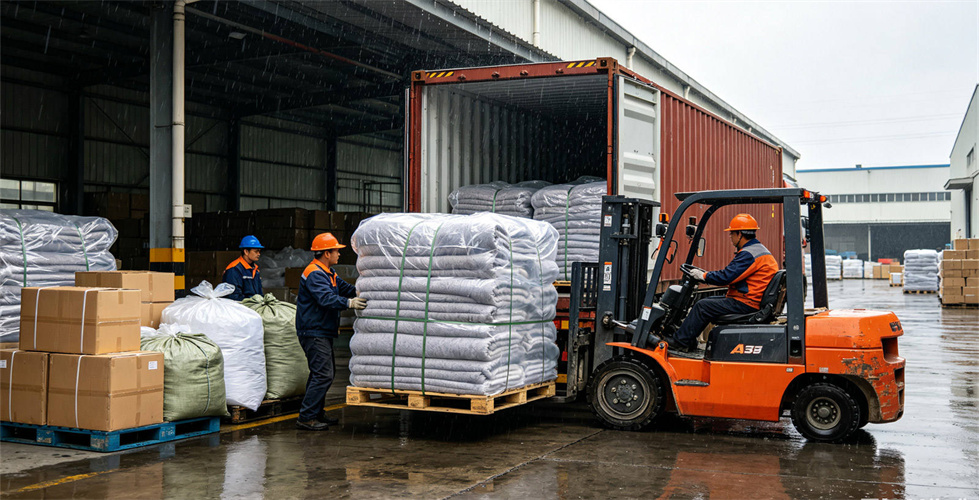
A carton quantity difference affects receiving and warehouse counts. A label-language difference creates rework. A dimension difference changes fit or allocation. An undefined material statement creates acceptance risk. Add the consequence beside each difference so the buying team does not treat all differences as harmless technical details.
Supplier A has the lowest unit price but excludes unit packing and final label artwork. Supplier B includes both. Estimate the additional packing material, labour, approval time and receiving disruption required to make A equivalent. The purpose is not to invent a total cost, but to reveal which inputs must be priced before the offers become comparable.
Use the table as a failure-cost map. For each difference, record the immediate price effect and the downstream effect on approval, production, receiving, storage, or correction work.
Decision field
What closes the decision
Blank field
Not included. Commercial risk remains open until written confirmation
Difference
State measurable difference
Consequence
Cost, receiving, storage, acceptance or timing
Closure
Owner, evidence and deadline
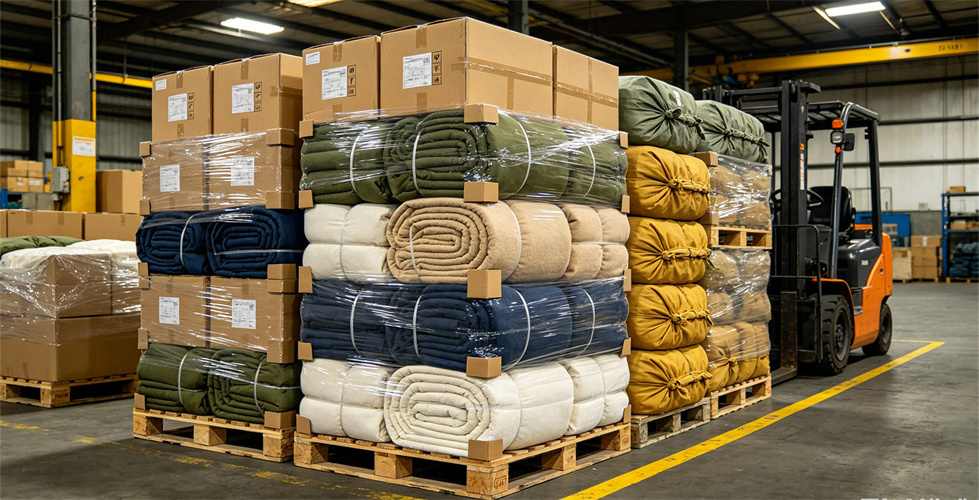
We can return product specification, color options, logo and label, unit or carton packing, sample needs, and export-document scope on one project sheet. Final MOQ, lead time, carton data, and trade terms follow confirmed specification and quantity.
Compare mistakes by total correction cost, not by the first visible price difference. For example, Offer A may include the required label artwork, unit packing, carton identity, inspection fields, and export-document scope. Offer B may show a lower unit price but leave those items open. Before selecting B, add artwork work, repacking, new carton data, inspection coordination, warehouse relabeling, document correction, and schedule risk to the comparison. The purpose is not to make the higher offer win automatically. It is to make both offers describe the same deliverable before price is used as the final decision.
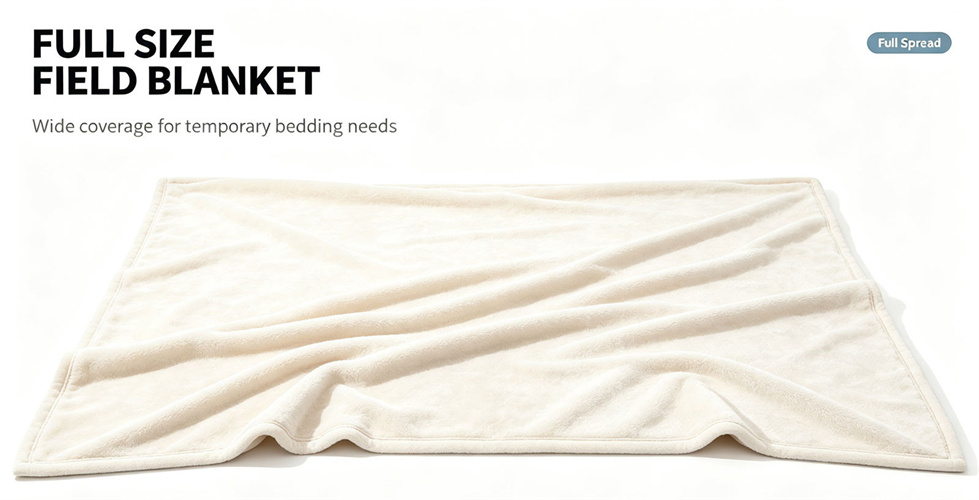
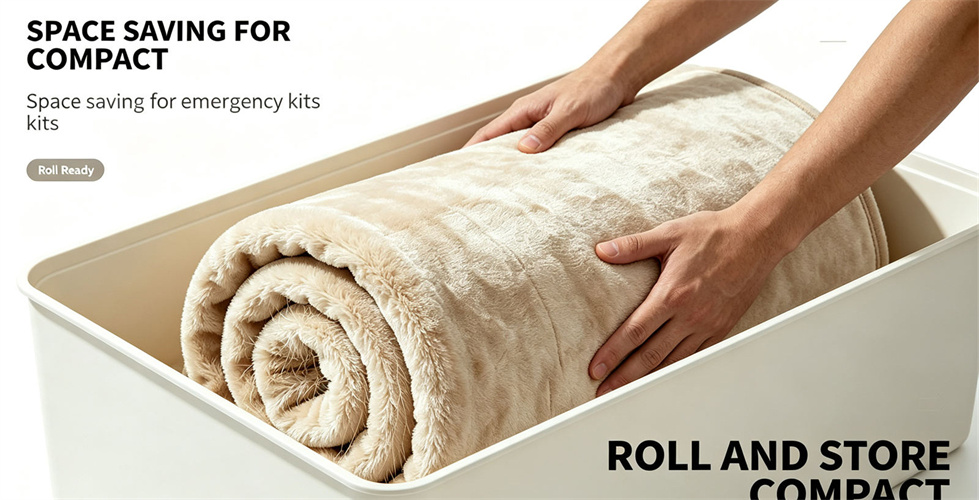
Compare emergency relief blankets for reserve, institutional, field logistics, and temporary shelter uses by visible product details, then confirm final parameters in the order specification.
Common mistake: treating plush surface photos as proof of material ratio, GSM, finished size, carton data, or stock status. Safer check: confirm the sample, material statement, size field, weight field, label, and packing scope before a bulk order.
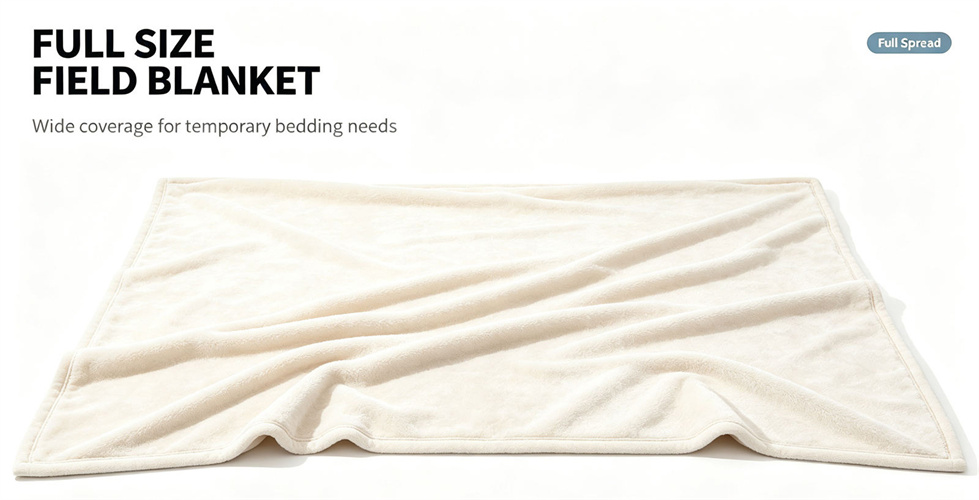
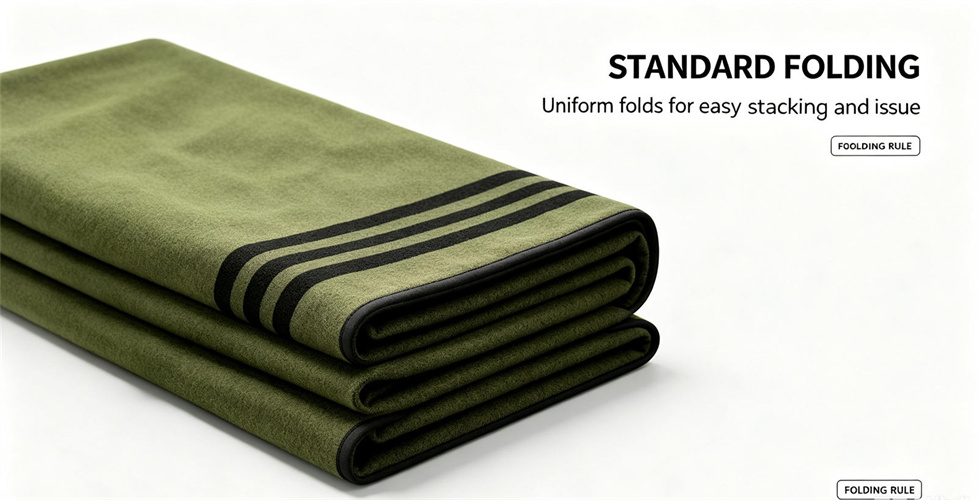
Common mistake: choosing a field-oriented blanket by color and edge finish method only. Safer check: confirm material wording, weight or GSM field, folding method, label position, packing plan, and inspection points.
Common mistake: approving stripe direction or hangtag position but leaving label language, carton mark, and receiving checks undefined. Safer check: lock the sample photo, label artwork, packing list fields, and acceptance criteria.
Common mistake: judging patterned raschel blankets by pattern appeal only. Safer check: confirm material statement, pile direction, edge finish method, color or pattern tolerance, packing method, and document requirements.
A common mistake is treating NGO relief, institutional, or field logistics as a specification. These names do not define material, size, weight, edge, or packing. Another is copying a market value without sample verification, creating receiving, label, or carton conflicts.
Separate errors that can be corrected before production from errors that become expensive after release. An incomplete RFQ, unclear measurement method, or missing destination list can usually be closed during quotation. An unapproved label, changed composition, or wrong packing format after production may require rework. A missing carton identity or document mismatch discovered at destination may affect customs, receiving, allocation, and the next order. Give every open field an owner and deadline tied to the last safe correction point. This turns risk control into project scheduling rather than a general warning to be careful.
Buyers can reduce mistakes by moving from visual comparison to written approval in a controlled sequence. A related sample approval checklist can help institutional teams lock the approval record before bulk release.
| Step | Common mistake to avoid | Controlled action |
|---|---|---|
| 1. Inquiry | Sending only a reference photo and asking for an incomplete quotation. | Send buyer type, use scenario, quantity range, destination market, and target blanket product line. |
| 2. Product comparison | Comparing surface appearance without material or packing fields. | Compare product line, material wording, size field, weight field, edge finish method, and packing expectation. |
| 3. Sample request | Approving by handfeel without written notes. | Record color, surface, edge, label, folding, measured fields, and buyer comments. |
| 4. Document review | Requesting test reports or label wording after production details are already assumed. | Confirm required documents, label artwork, carton mark, packing list fields, and inspection method before release. |
| 5. Quotation scope | Comparing quotations that include different packing, labels, or document requirements. | Compare quotations only after specification and packing scope are aligned. |
| 6. Approval to start production | Starting bulk production without a signed sample and specification reference. | Use the approved record to guide production, inspection, packing, and document handover. |

A capable supplier should respond to these risks with coordinated outputs, not defensive promises. YRF can combine sample control, specification review, customized logo/color/packing, inspection and export-document preparation, supported by its production capacity and government/NGO project capability. Its one-stop range can also coordinate blankets with tents, sleeping mats, folding beds, rescue clothing, first-aid kits, and related settlement supplies when the project requires them. The buyer still approves each product and document scope separately, but fewer disconnected handoffs can reduce coordination and destination-splitting errors.
Use a short exception record instead of allowing problems to disappear inside email threads. Record the requested value, supplier response, difference, commercial effect, operational consequence, owner, deadline, and decision. Mark whether the order may continue to quotation, sample, production, inspection, or shipment while the item remains open. Government and NGO projects may need the same record for tender clarification and acceptance. Distributors can use it to protect private-label and reorder consistency. The record also gives YRF a precise route for returning alternatives, revised files, packing adjustments, or coordinated multi-product solutions.
Send the offers on hand, the required specification and packing basis, destination needs, and every field that one supplier has left blank or qualified.
Include product option, quantity range, use scenario, destination market, material specification, size or weight field, packing expectation, label requirements, document needs, inspection criteria, and contact details.
What is the risk of writing an intended use as the product specification?
Relief, institutional, or field use describes a scenario, not composition, dimensions, construction, packing, or acceptance fields. The parties may interpret it differently.
Can product photos replace samples?
No. Photos can show visible appearance. The related product photo evidence for blanket procurement guide explains why material ratio, GSM, size, certification status, and batch consistency need documents or samples.
Why should a sample photograph not replace purchase-order fields?
A photo supports identification, but the order still needs measurable fields, tolerances, packing, and revision control for matters the image cannot answer.
Why can unit-price comparison lead to the wrong blanket choice?
Quotations may cover different dimensions, weight bases, packing, labels, documents, and acceptance responsibilities. Normalize the comparison basis before comparing price.
What can happen when carton data is not confirmed?
Freight estimates, warehouse allocation, handling plans, and distribution quantities may be wrong. Recheck final carton data after packing approval.
When should test reports be discussed?
Discuss document requirements before quotation and approval to start production. Use the project-required test reports support page to list required files before assuming they belong in the project scope.
Are higher GSM blankets always better for relief procurement?
No. Higher weight may increase warmth direction, but it can also affect packing volume, storage, freight cost, and distribution handling. The final GSM or finished weight should be confirmed by specification and sample records.
How should buyers verify material before a large order?
Use a material statement, BOM if required, specification sheet, label proof, sample review, and project-required test reports. The related how to verify emergency blanket materials guide gives a deeper method.
Who should approve an allowed deviation?
An authorized person responsible for procurement and acceptance should approve it before production and identify the field, limit, and applicable order.
Continue with the overview, product option, application plan, and closely related procurement guide for this decision.
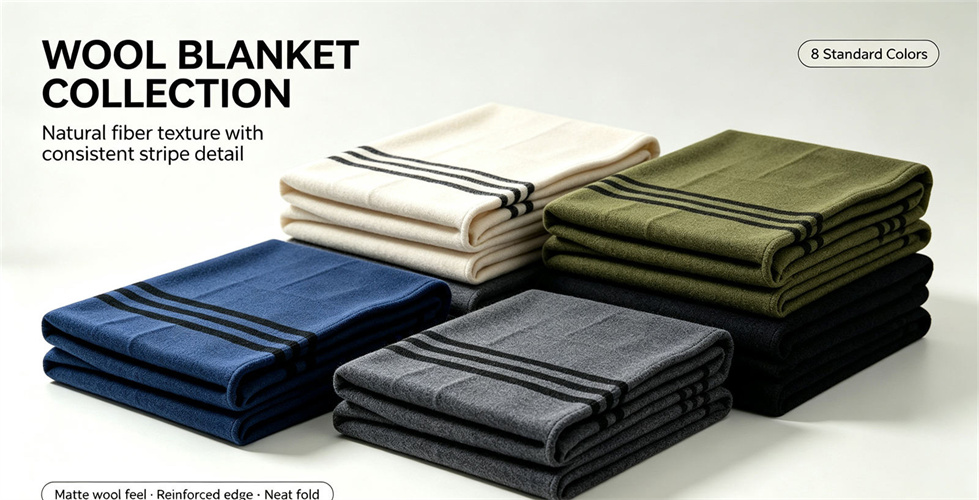
Compare blanket product lines, application routes and related procurement resources.
 |
 |
Emergency Relief Reserve Blanket for Institutional Stockpiles and Bulk DistributionReview product specifications, configuration options and order confirmation points. |
Blankets for Emergency Shelters and Temporary Accommodation DistributionReview selection, packing and supply planning for this procurement scenario. |
✅ Official website: https://x.c1ns.cn/F9rNV
✅ Catalog download link: https://x.c1ns.cn/aVHtI
✅ Factory video link (YouTube): https://x.c1ns.cn/zVNIU
✅ Facebook homepage: https://a.c1ns.cn/SjJla
✅ Email: info@33ljy.com
✅ WhatsApp: +8613702995607
авторское право © Custom Disaster - Relief Bedding: Tents, Sleeping Bags, Blankets Все права защищены
профессиональная команда для обслуживания !