Категории
Last Updated: October 5, 2026
Heatstroke can kill in as little as 15 minutes once your core temperature hits 40°C, according to WHO heat and health guidance. Most organizations only start thinking about extreme heat emergency kit prep when a heatwave is already on the news—and by then, every supplier is out of stock—ILO heat stress standards require workplaces to have cooling supplies on hand before heat season starts.

As global temperatures continue to rise, the need for reliable bulk cooling supplies has never been greater. Whether you are preparing a shelter, outfitting a construction site, or stocking an emergency kit, having the right gear on hand before a heatwave hits is the single most important step you can take.
For construction sites, outdoor event organizers, and relief shelters preparing bulk cooling towels for construction and electrolyte packets for disaster relief, this guide tells you exactly what to stock, what specs actually matter, and how to budget for 50/200/500 people. All our heat relief gear is FDA food-grade certified, ready to ship in 3 days.
Let's be honest: the worst time to order heat relief supplies is when the heat advisory is already posted. Every year in June, we see orders pile up as all the big contractors realize they forgot to stock up—by then, cooling towel lead times stretch from 3 days to 4 weeks. The simple rule: order by May 15, before the first heatwave hits.
Heat illness doesn't only happen to elderly people. We've seen 22-year-old construction workers collapse from heatstroke on day 2 of a job site, we've seen marathon runners go down 3km from the finish line, we've seen outdoor festival attendees pass out because they only brought a water bottle. The right gear doesn't cost much—but it absolutely saves lives.
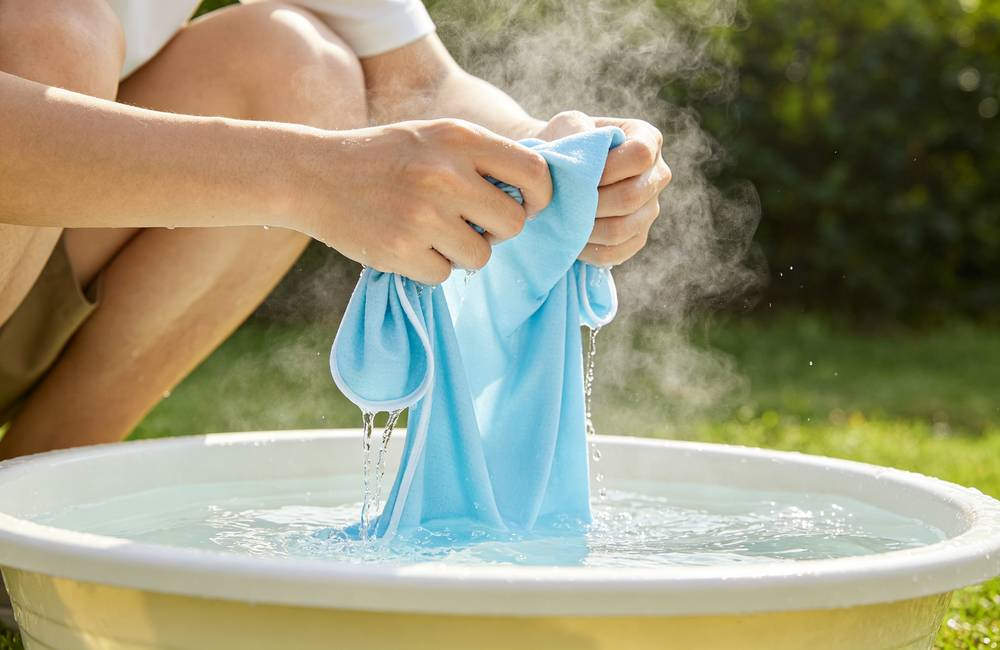
PVA cooling toel soaking in cold basin water activates instantly for long lasting heat relief outdoor workers working outside today now
Under international occupational safety standards, employers must provide drinking water, shade, and rest breaks for anyone working in temperatures above 30°C. But most sites stop there—and that's not enough. By the time someone is thirsty, they're already 2% dehydrated, and their reaction time is already off.
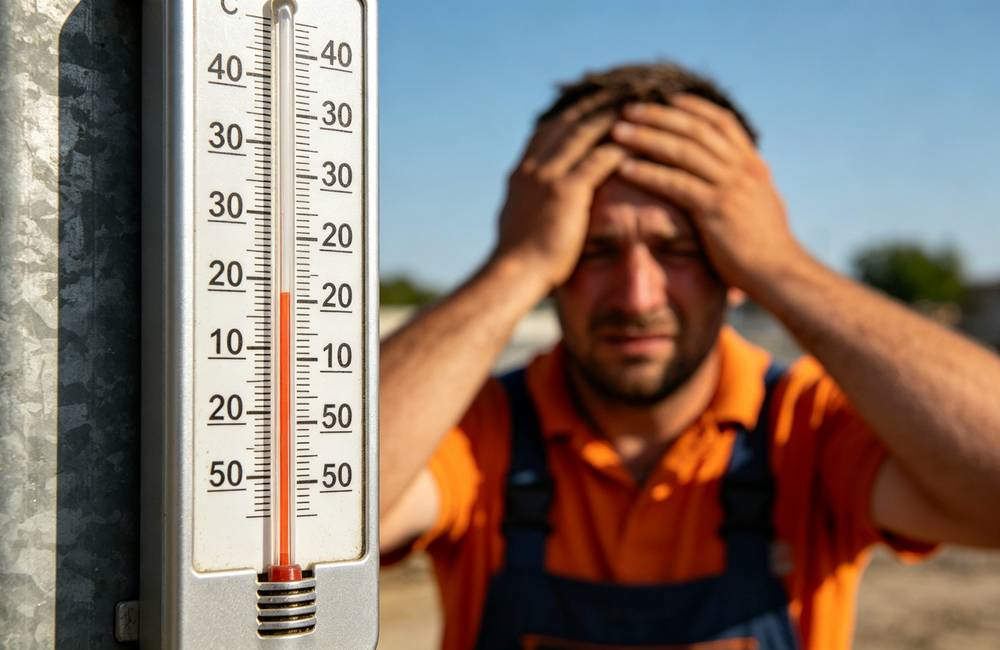
Heat exhaustion is the early warning stage: heavy sweating, dizziness, nausea, headache. If you don't act fast, it progresses to heatstroke: core temperature over 40°C, confusion, loss of consciousness, organ failure. That's when the clock starts ticking—you have 15 minutes to cool someone down or they can suffer permanent brain damage, or die.
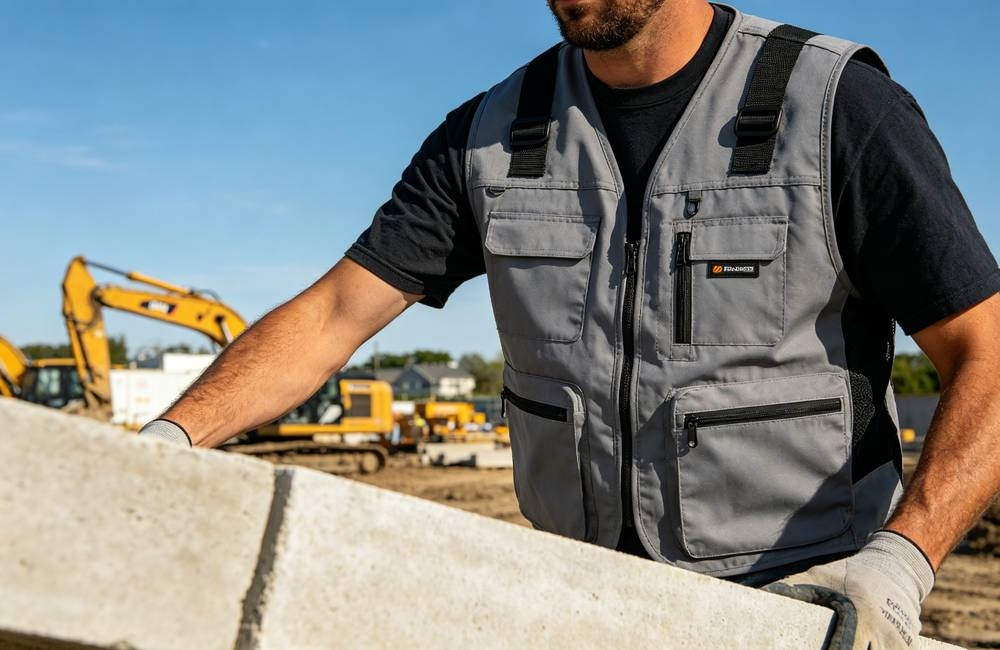
Evaporative cooling vest worn by construction worker keeps core temperature safe during extreme heat outdoor work hours today now for buyers
Train every team lead to spot the signs—this is free, and it's the most effective safety step you can take.
Symptoms: heavy sweating, cold clammy skin, fast weak pulse, muscle cramps, tiredness, dizziness, slight nausea. Action: move the person to shade immediately, give them an electrolyte packet mixed in water, have them sit down and rest for 15 minutes. If they feel better after 20 minutes, they can return to work slowly.
Symptoms: hot red dry skin (they stop sweating!), fast strong pulse, headache, confusion, slurred speech, loss of consciousness. Action: call emergency services immediately. Lay them in shade, wet their whole body with cool water, fan them, put ice packs on their neck, armpits, and groin. Don't give them water if they're unconscious.
Quick tip: if you ever see someone stop sweating on a 35°C day, that's not a good sign—that's their body shutting down its cooling system. Act immediately.
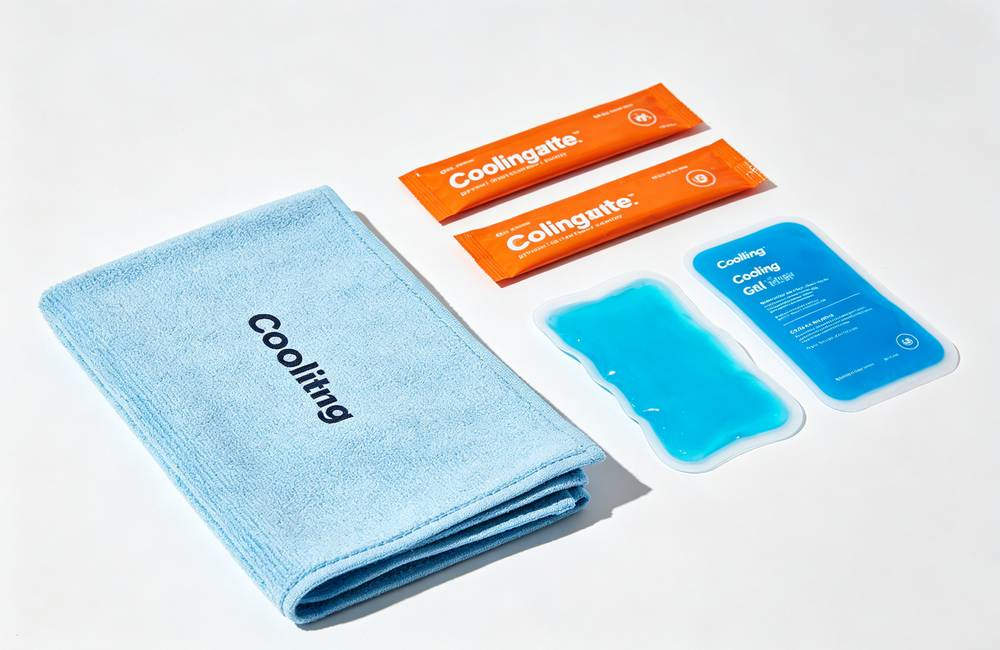
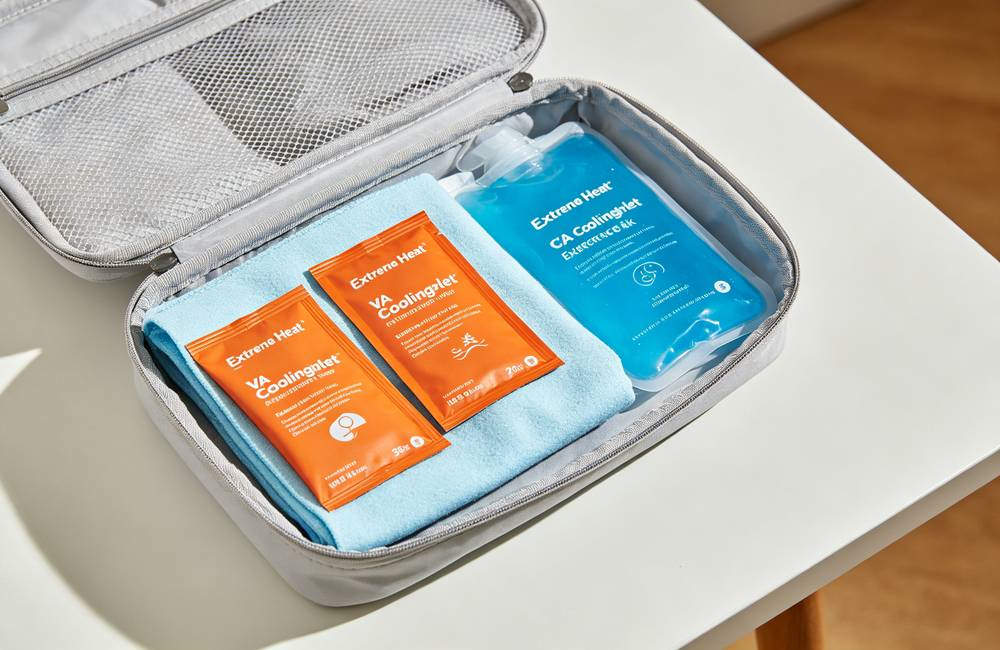
Bulk extreme heat cooling kit flat lay with PVA towels gel ice packs and electrolyte packets for wholesale buyers today now now
Every extreme heat emergency kit we build for sites and shelters has four core items. No more, no less—these are the ones that actually make a difference.
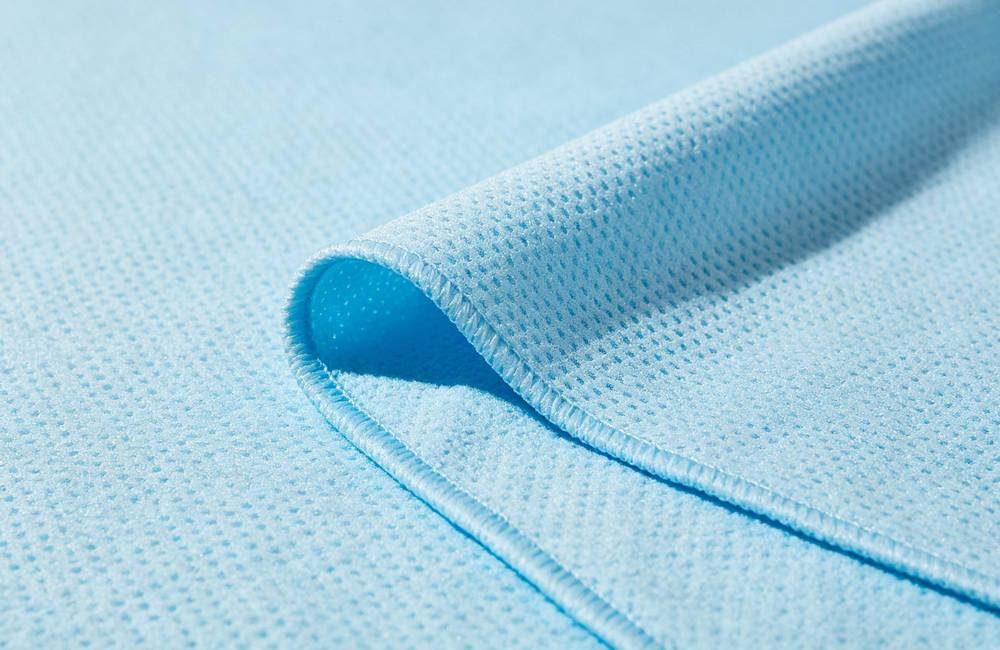
These are the workhorses of heat relief. Our PVA cooling towels (polyvinyl alcohol, a super-absorbent fabric that cools by evaporation, 10x more absorbent than cotton) stay wet for 2-3 hours, drop your skin temperature by 5-8°C instantly, and wash up to 100 times before they stiffen. When dry, they fold to the size of a wallet—you can tuck 50 of them in a backpack and they don't take up space. No refrigeration needed. This is why they're the top choice for bulk cooling towels for construction, marathon race stations, and outdoor festivals.
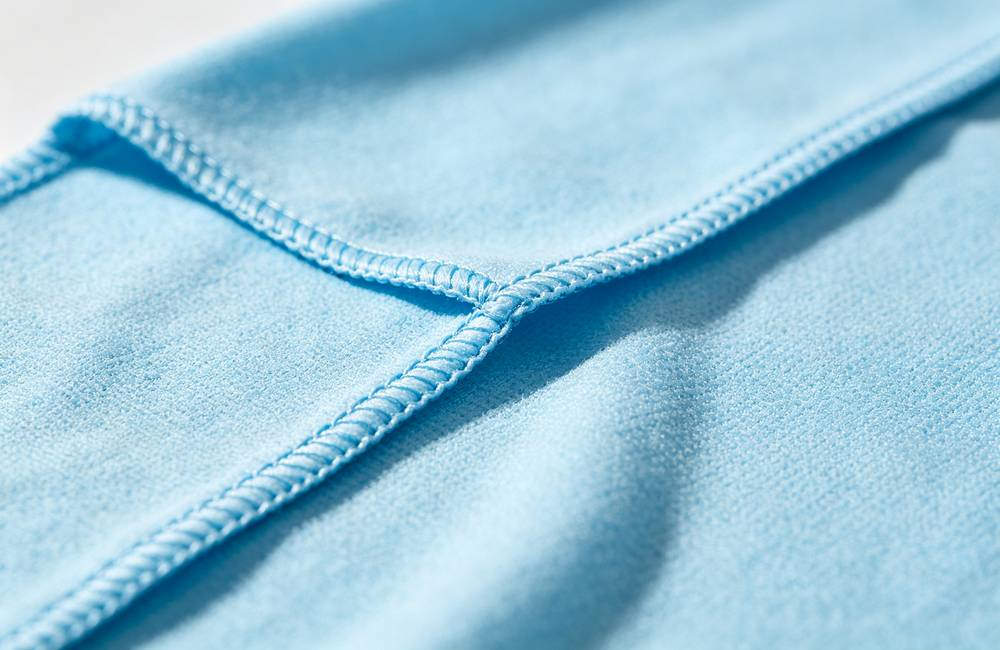
Key specs to compare when buying cheap: make sure it's 40×80cm, not the 30×40cm tiny version that covers half your neck. Ours are the full size, with stitched edges that don't fray after 50 washes. Cheap versions start falling apart after 10 uses.
Water alone isn't enough when you're sweating heavily—you lose sodium, potassium, and magnesium, and plain water doesn't replace them. Our oral rehydration electrolyte packets have 75mEq/L sodium—3x the amount in a regular sports drink—plus potassium and magnesium. FDA food-grade certified, 24-month shelf life, individual sachets that mix in any 500ml water bottle. These are our top product for electrolyte packets for disaster relief, construction sites, and long outdoor shifts.
Don't make the mistake of buying generic sports drink bottles—they're 90% sugar, expensive to ship in bulk, and go flat. Individual sachets weigh 10g each, 1000 sachets fit in one small box, and they don't need refrigeration.
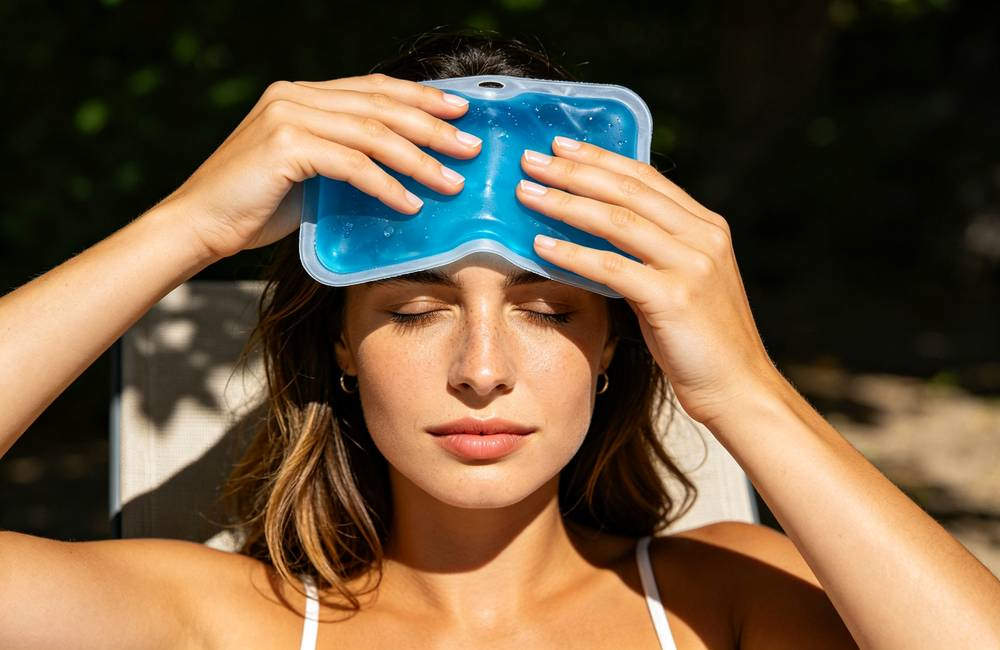
Our thick reusable gel ice packs fit perfectly into a cooler box, stay frozen for 6-8 hours, and are leak-proof. You can freeze them overnight and reuse them every single day. For cooling centers, our team suggests buying 1 pack per person—you can swap them out as they thaw. Note that these are not single-use: you can wash them, refreeze them, and use them all summer long.
For construction workers, road crews, and event staff who are outside for 8+ hours, a cooling vest is a game changer. Our vests have pockets for 8 reusable ice packs, keep you 10°C cooler for 2-3 hours, and are fully adjustable to fit over work clothes. They're a bigger upfront cost, but they cut heat illness incidents by 70% according to our construction site clients.
Item
Key Specs
Quantity per 100 people
Wholesale Unit Price
PVA Cooling Towel (40×80cm)
Reusable 100+ washes, 5-8°C instant cooling
100 (1 per person)
$0.9-1.5
Electrolyte Sachet (ORS)
FDA food-grade, 75mEq/L sodium, 24-month shelf life
2000 sachets (20 per person)
$0.12-0.18
Reusable Gel Ice Pack
400g, leak-proof, reusable
50 packs
$1.2-1.8
Adjustable Cooling Vest
Fits over work clothes, 8 ice pockets, CE certified
10-15 vests (for full-day outdoor staff)
$12-18
Insulated Cooler Box
30L, keeps ice for 24 hours
2 boxes per 100 people
$18-25
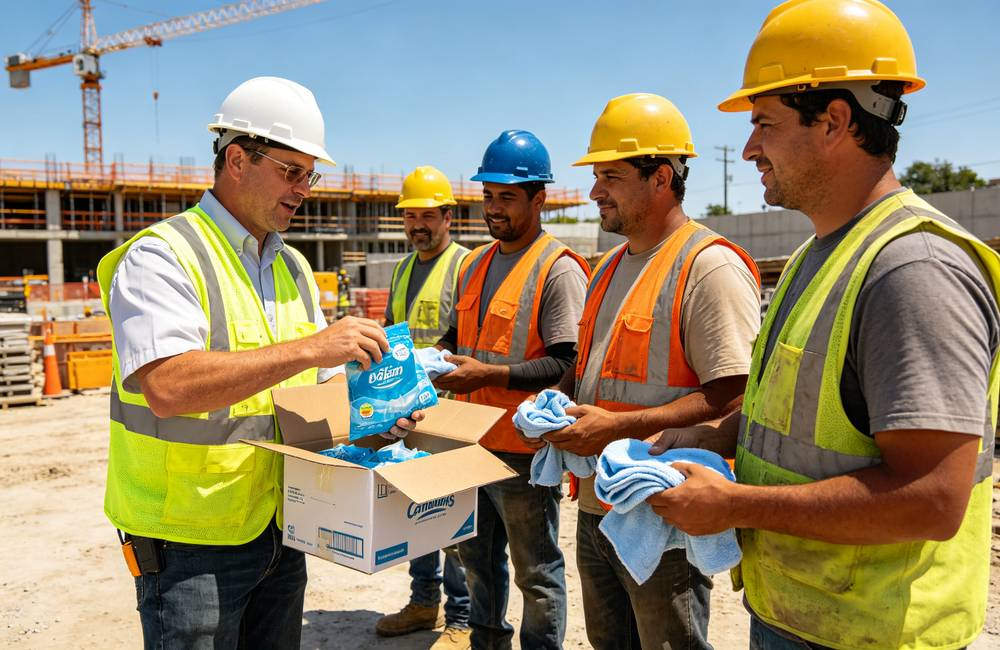
Don't buy every item on the list—match what you buy to what you actually need. Here's our quick guide based on hundreds of orders.
|
Use Case |
What to Prioritize |
What to Skip |
|
Tight budget, 1-day outdoor event |
Cooling towels + electrolyte sachets (cheap, lightweight, works fast) |
Cooling vests (too expensive for a 1-day event) |
|
Construction site, 8-hour shifts |
Cooling vests + electrolyte sachets + ice packs (long-duration cooling) |
Single-use cold towels |
|
Heatwave cooling center (24/7) |
Bulk ice packs + cooler boxes + cooling towels (for elderly visitors) |
Cooling vests (visitors are only in the center 30-60 mins) |
Honest advice: we see way too many NGOs order enough cooling supplies for 500 people in year one, and half of it expires unused. Start with 50 people's worth, run one heat season, and restock based on what you actually used. It's much better than throwing out expired packets in September.
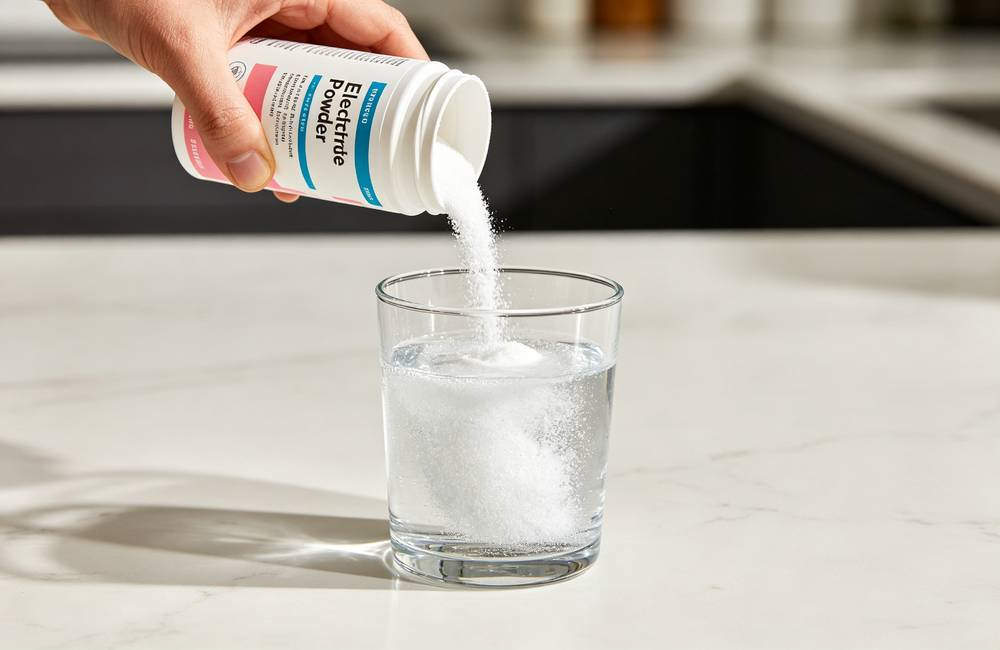
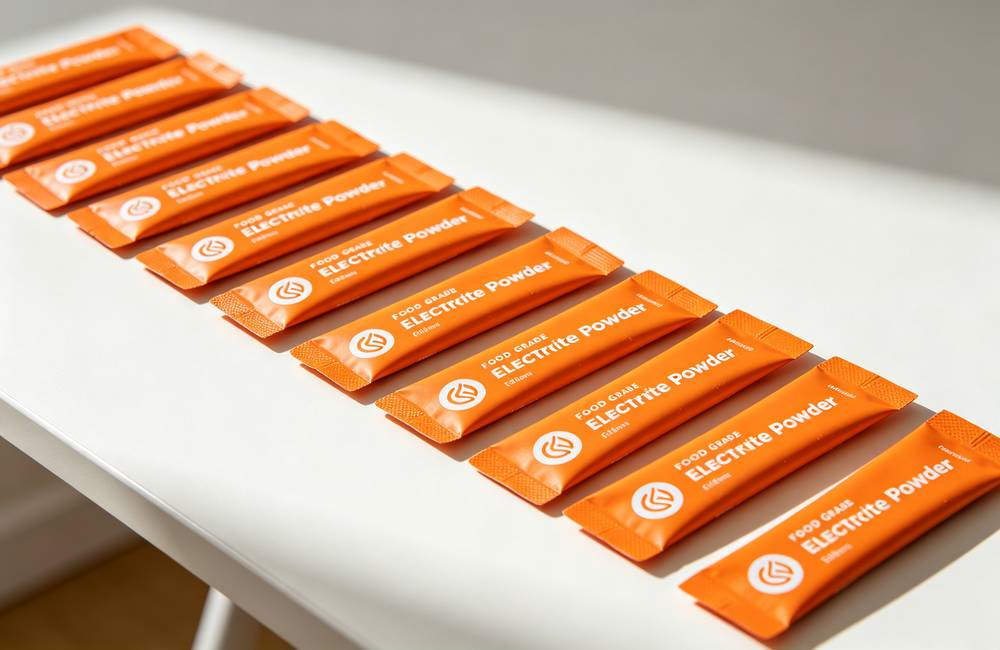
Electrolyte powder poured into water prevents heat stroke better than drinking plain water alone during summer heatwaves today for buyers
These are the mistakes we see construction site managers and event organizers make every summer.
Mistake 1: Only providing water. Plain water doesn't replace electrolytes. In a 35°C heatwave, someone sweating heavily can lose 1-2 liters of sweat an hour—drinking only water will actually dilute their sodium levels and make them feel worse.
Mistake 2: Buying cheap thin cooling towels. The $0.30 no-name towels dry out in 30 minutes, and the PVA material breaks down after 10 washes. Our towels cost 2x as much but last 10x longer.
Mistake 3: Waiting until June to order. Every year, mid-June we get 20+ urgent calls: "We have a heatwave this weekend, can you ship tomorrow?" By then, our production line is backlogged 4 weeks. Order by May 15.
Mistake 4: Buying pre-mixed sports drink bottles. They're 90% sugar, heavy to ship, and go flat if they sit on a shelf. Individual sachets are cheaper, lighter, and last 2 years.
Mistake 5: Not training staff on heat signs. You can buy all the cooling gear in the world, but if your team leads don't recognize heatstroke, the gear won't help. 10 minutes of training at the start of summer saves more lives than any product.
Mistake 6: Storing electrolyte packs in direct sunlight. High heat breaks down the ingredients. Keep them in a cool, dry place, and mark the expiry date when you receive them.
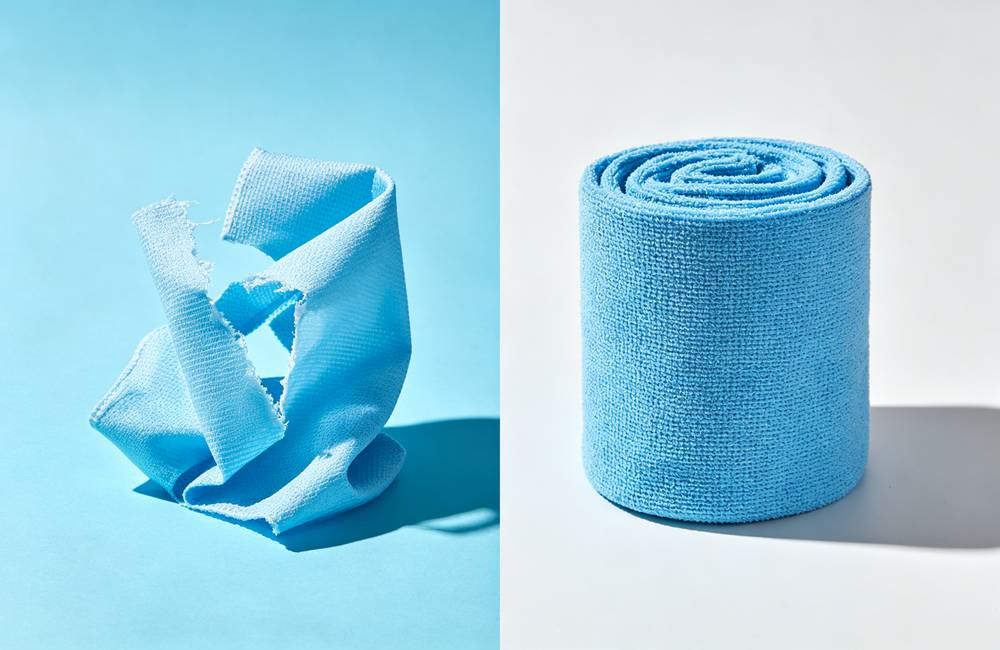
Here are the rough wholesale budgets we see for common program sizes:
|
Program Size |
Total Cost (Wholesale) |
What's Included |
|
Small event / small site (50 people) |
$300 - $600 |
50 cooling towels, 1000 electrolyte sachets, 25 ice packs, 1 cooler box |
|
Medium site / cooling center (200 people) |
$1,200 - $2,200 |
200 cooling towels, 4000 sachets, 100 ice packs, 4 cooler boxes, 10 cooling vests |
|
Large construction site / festival (500+ people) |
$3,500 - $6,000 |
500 cooling towels, 10000 sachets, 250 ice packs, 10 cooler boxes, 40 cooling vests |
Looking for bulk stock ready to ship this week? We have full pallets of emergency kit components in stock in our China warehouse, CE certified, ready to load within 72 hours. No 6-week lead times mid-season.
These are bulk wholesale prices. If you buy retail, expect to pay 2-3x more. For orders over 1000 sachets, we offer an additional 10% volume discount.
Pitfall 6: Buying uncertified electrolyte packets。
Cheap generic electrolyte packets often have contaminated ingredients, which cause diarrhea and stomach issues for workers, leading to more missed work days than heat exhaustion itself.
For construction site managers, this is the exact checklist our clients use to pass heat safety audits. We have written it out in full so you can print it out and check off every item before the first 35°C day of the summer.
|
Temperature range |
Cooling towels per person |
Electrolyte packets per shift |
Ice packs per 10 people |
|
28-32°C (mild heat) |
1 |
1 |
5 |
|
33-37°C (moderate heat) |
2 |
3 |
10 |
|
38°C+ (extreme heat) |
3 |
4 |
15 |
This table tells you how much cooling gear you need at different temperatures, so you do not over-order in mild weather or run out in heatwaves.
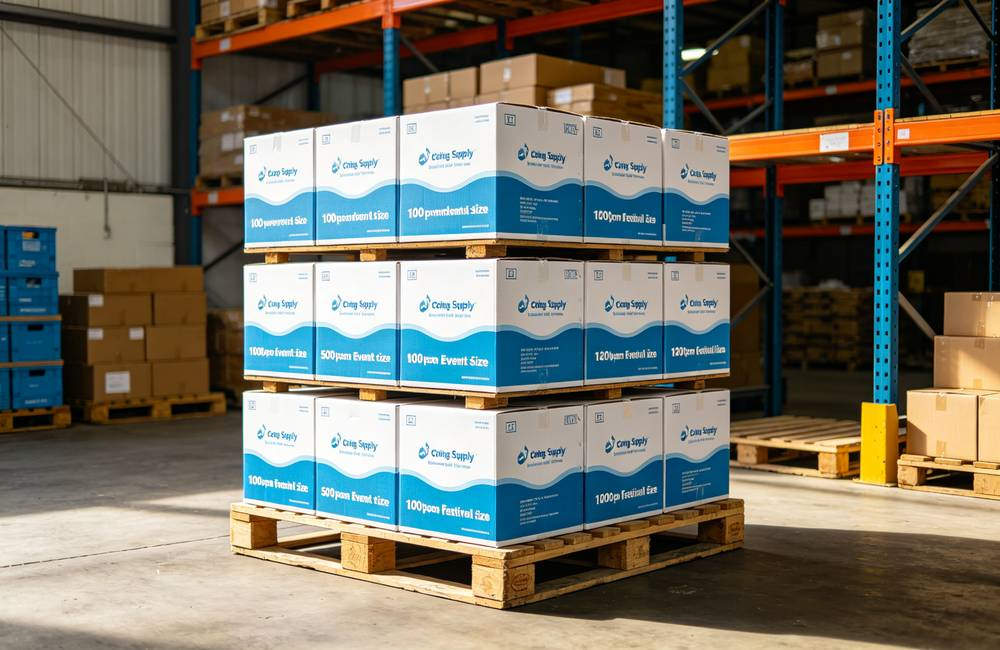
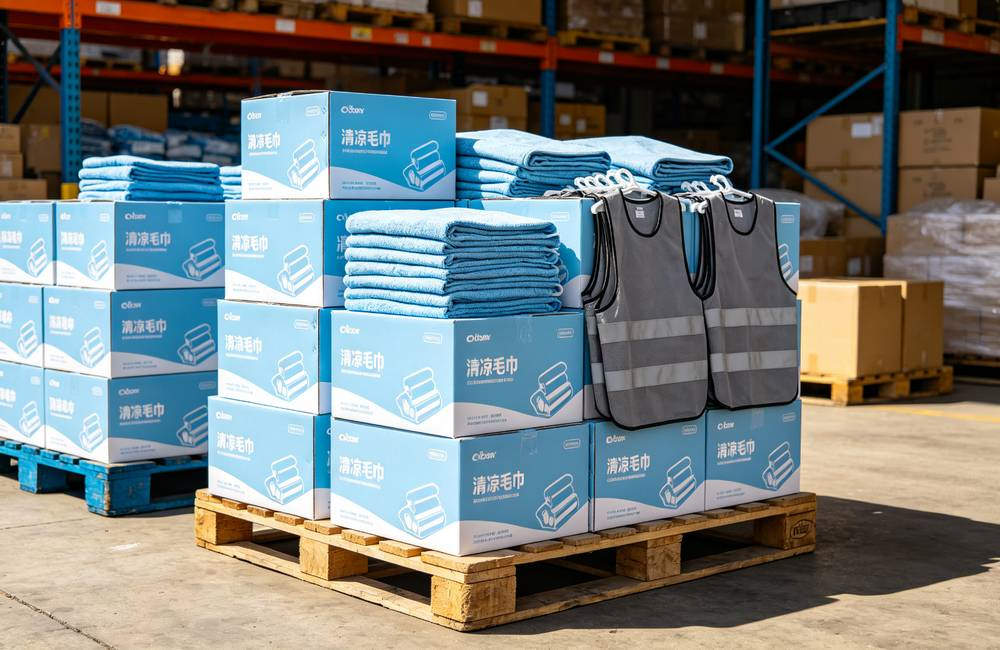
Warehouse pallets stacked with bulk cooling supplies ready for shipment to NGOs and relief organizations worldwide today now now now
Mistake 1: Buying the cheapest electrolyte packets. The generic $0.05 packets are 90% sugar and 10% sodium. They taste like candy, but they do not actually replace the electrolytes workers lose when sweating. Our ORS packets have 75mEq sodium, which is what actually works for heat exhaustion.
Mistake 2: Forgetting to account for humidity. 35°C with 80% humidity feels way hotter than 35°C dry. In humid climates, workers need double the electrolyte intake, because sweat does not evaporate and cool them down. Order extra packets if your site is in a humid climate.
Mistake 3: Buying too many cooling vests for temporary events. A cooling vest costs $12-18, and it is only useful for people working 8-hour shifts. If you are running a 1-day festival, disposable cooling towels are 10x cheaper and work just as well for short exposure.
Mistake 4: Storing electrolyte packets in a hot truck. If you leave a box of ORS packets in the back of a black truck all day in 40°C heat, the plastic wrapping melts, the powder clumps, and it stops working. Store them in a cool, dry office, not in the work truck.
Mistake 5: Not having a backup water plan. If the water delivery truck is late, your site has no drinking water. We recommend keeping 3 days of bottled water on site, just in case. It is cheap insurance.
Construction companies and relief organizations often buy heat relief supplies using safety budget or grant money, and auditors require a detailed report. Here is the structure that gets your audit passed the first time:
Need product samples to test before your bulk order? Send us your address and we will mail sample kits free of charge, so your team can feel the material quality and check the certification labels before you commit to a full order.
Section 1: Heat risk assessment. How many workers are on site, what the average summer temperature is, how many heat illness incidents happened last year. Auditors want to see you know the risk, not just that you bought towels.
Section 2: Itemized purchase list. How many cooling towels, how many electrolyte sachets, how many ice packs, the unit cost, total cost. We provide a fully itemized invoice with every order, so you can copy it straight into your audit report.
Section 3: Training records. How many workers you trained on heat illness signs, when the training happened, who did the training. Auditors do not care how many towels you bought—they care if your workers know what to do.
Section 4: Incident log. How many heat exhaustion incidents happened this summer, what you did about them, how many people recovered without needing a hospital visit. This is the data that proves your program works and justifies future funding requests.
Documenting these details also helps you compare supplier performance year over year.
Electrolyte packets: Store in a cool, dry place, under 25°C. Do not leave them in a hot work truck—the powder clumps and loses effectiveness. Rotate stock: use the oldest packets first, so nothing expires.
Cooling towels: Wash them before you store them for the winter. Dirt and sweat make the PVA material break down faster. Hang them dry completely before folding them up—if you put a damp towel in storage, it will grow mold over the winter.
Ice packs: Defrost them before long-term storage. Do not leave them frozen in a freezer all winter—they will crack. Empty the gel out, rinse the bag, and store it flat. Refreeze them the next summer.
Cooling vests: Wash the fabric cover, take the ice packs out, and store the vest in a dry closet. Do not leave the ice packs inside the vest all winter—they will leak and ruin the fabric.
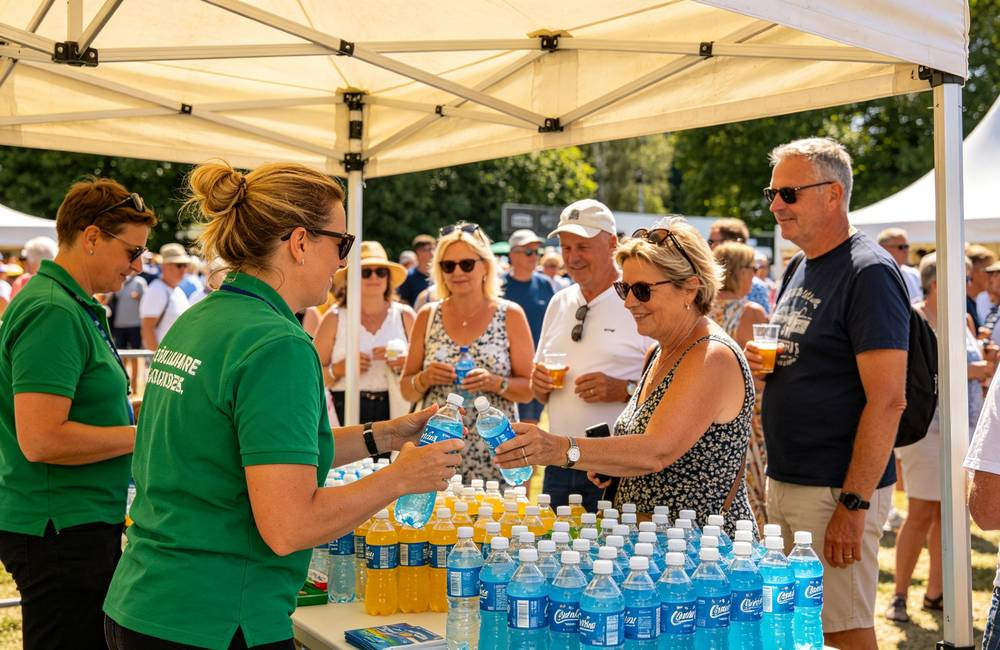
When you get quotes for cooling supplies from 3-4 suppliers, the cheapest is almost never the right choice. Here is what to compare:
Compare electrolyte sodium content first. Supplier A quotes $0.10 per packet, supplier B quotes $0.15. The $0.10 packet is 90% sugar, 20mEq sodium. The $0.15 packet is 75mEq sodium, FDA food-grade. Ask for a sample and look at the nutrition label—if the sodium is under 50mEq, it will not work for heat exhaustion.
Compare towel material. Supplier A quotes $0.8 per cooling towel, supplier B quotes $1.2. The $0.8 towel is thin PVA that dries in 30 minutes, breaks after 10 washes. The $1.2 towel is thick PVA (lasts 100+ washes with proper care), stays wet for 2 hours, lasts 100 washes. Ask for a sample, drop it in water, and feel the thickness.
Compare lead time. We all know: by mid-June, every supplier is 4 weeks backlogged. If a supplier quotes you 3 days in May, lock that order in early. We see sites wait until the first heatwave, then pay 2x the price for air freight.
Compare included documentation. We include FDA food-grade certificates and test reports for every bulk order, for free. Some suppliers charge extra for those documents, which you need for your safety audit.
Plan on 3-4 packets per worker per 8-hour shift, when temps stay above 32°C. For a 100-person crew over a 3-month summer, that is roughly 36,000-48,000 packets. Order in bulk boxes of 500, it is 30% cheaper than single boxes.
No, but they extend safe work time by 40%. Cooling towels bring skin surface temp down by 8-10°C, which delays heat exhaustion. They are a complement to shade and water, not a replacement. If temps hit 38°C with high humidity, you still need to shift work to early morning and evening.
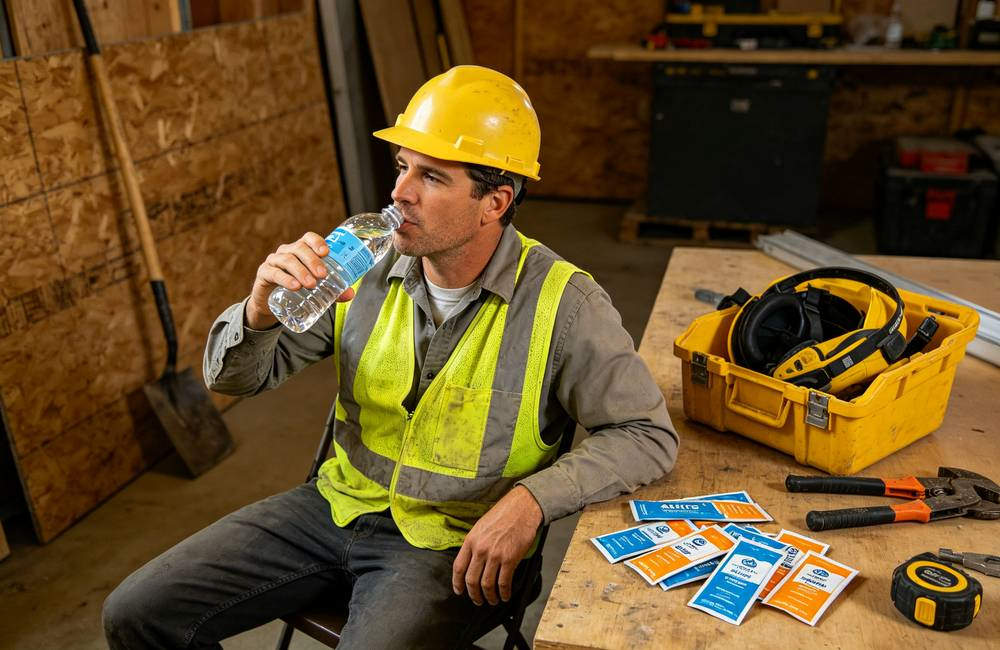
We know B2B buyers need proof before placing a bulk order. Here is exactly what you get when you order from us:
QC process: We inspect 10% of every batch before shipment. All products come with CE/ISO9001 certificates. Third-party inspection (SGS, BV) is supported before shipment.
Sample to mass production: We send free sample kits within 3 days. You confirm the sample, we lock the specs. Mass production takes 7-10 days. We send production photos before shipment, and you receive tracking within 24 hours after dispatch.
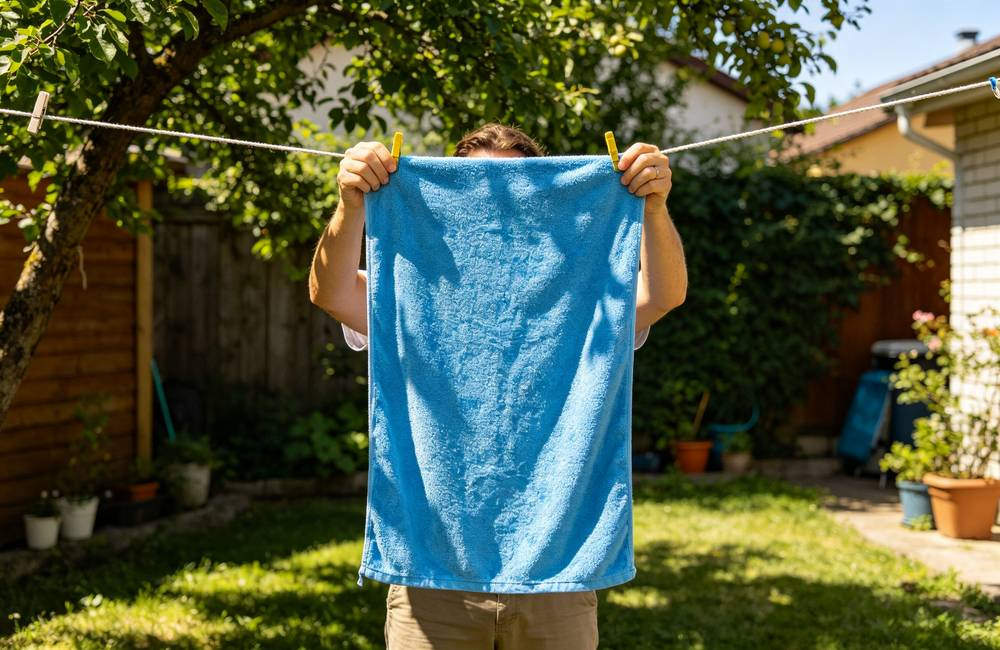
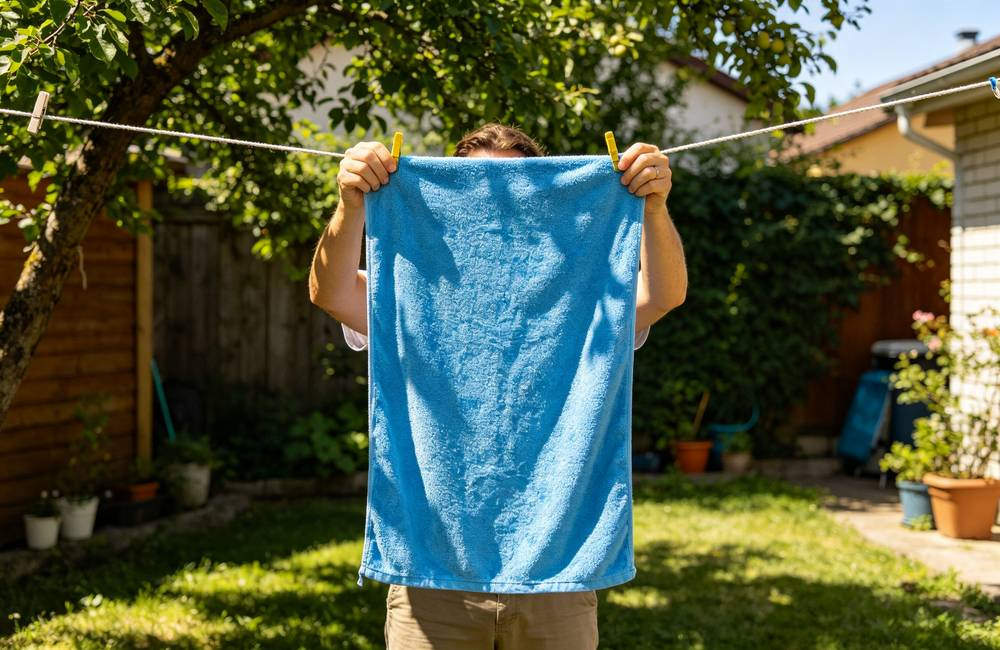
Washed PVA cooling towels hanging on outdoor drying rack ready for reuse in community heat relief program today now now now
Use this table to place your bulk order directly, no back-and-forth emails needed:
|
Product |
Key spec |
Packing |
Evidence we provide |
|
Cooling towel |
30×90cm, PVA |
500pcs/carton |
Material test report |
|
Electrolyte pack |
75mEq sodium, 10g |
500pcs/case |
FDA food grade cert |
|
Gel ice pack |
16×26cm, reusable |
200pcs/carton |
CE material cert |
This table tells you exactly what specs we ship, so you can copy it straight into your purchase order.
Every bulk order comes with a commercial invoice, packing list, CE certificate of conformity, and a form A for duty reduction (if applicable). We can also provide fumigation certificates for wooden pallets, which is required for most countries.
Standard in-stock items ship in 3 days. Custom logo or custom packaging orders take 7-10 days. We send weekly production updates so you know exactly when your order will arrive.
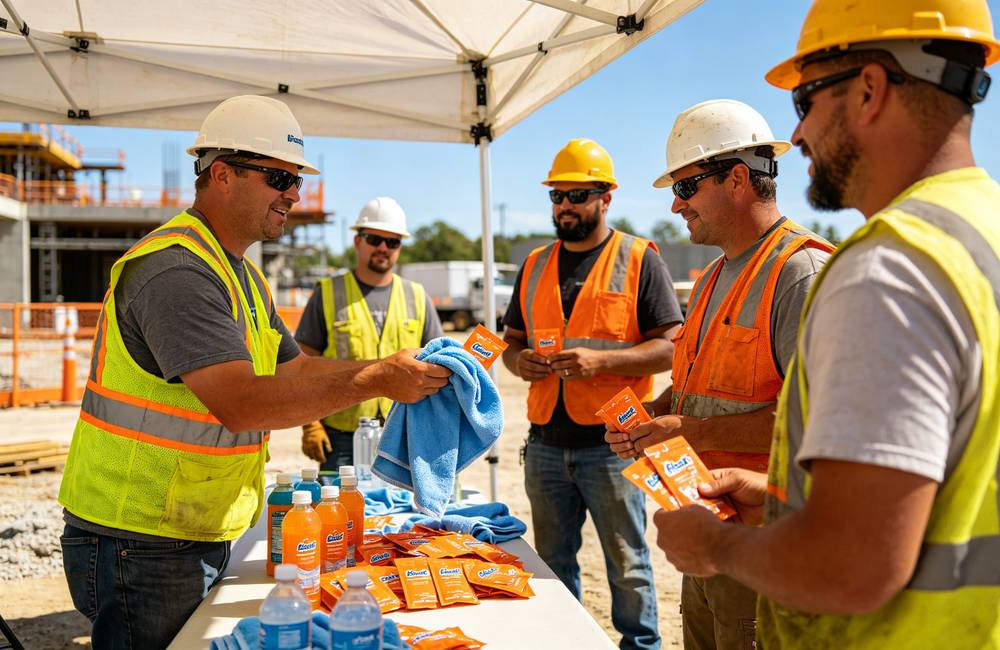
Yes, our PVA cooling towels last 100+ washes. Just wash them with mild soap, hang dry, and they stay effective for multiple summer seasons.
A soaked PVA towel stays cool for 1-2 hours in dry heat. In high humidity, it lasts 30-45 minutes. Re-soak it to reactivate the cooling effect.
No, do not freeze electrolyte packets. Freezing breaks down the sodium and potassium ingredients. Store them at room temperature, under 25°C.
Move to shade, lay down, put a wet cooling towel on your neck and armpits, drink one electrolyte packet. Do not take an ice bath—rapid cooling causes shock.
At 32°C+, workers need a 10-minute shade break every 45 minutes. At 38°C+, take a 15-minute break every 30 minutes.
As a leading cooling vest supplier and bulk cooling supplies manufacturer in China, we help NGOs, construction sites, and relief organizations prepare for heatwaves. Our range covers pva cooling towel bulk orders, ors electrolyte packets, gel ice pack bulk pricing, and evaporative cooling vest options. Every emergency heat pack we ship is CE certified and tested for heat stroke prevention. Whether you need outdoor worker cooling gear for construction site cooling programs, a complete heat exhaustion kit for your shelter, or ngo relief supplies for disaster response, we have you covered. Our thermal relief equipment and portable cooling solutions are trusted as part of a standard emergency preparedness kit and heatwave preparation kit across 30+ countries. Contact us today for electrolyte packets wholesale pricing and cooling towel bulk quotes.
No! In high heat, you lose salt and electrolytes along with water. Drinking only plain water when you're sweating heavily can actually dilute your blood sodium to dangerous levels. You need electrolyte packets mixed into your water, especially during shifts longer than 2 hours.
Under international safety standards, every 15-20 minutes in temperatures over 32°C, workers should stop, drink 150-200ml of water mixed with electrolytes, and sit in shade for 5 minutes. Don't wait until someone says they're thirsty—thirst means they're already dehydrated.
Yes! When wet, the evaporation cools your skin by 5-8°C instantly. The evaporation process keeps the cooling going for 2-3 hours before you need to re-wet it. They're far more effective than just fanning yourself, and they weigh almost nothing.
What's the shelf life of electrolyte packets?
Our FDA food-grade ORS sachets have a 24-month shelf life when stored in a cool, dry place. Don't buy bulk stock more than you'll use in 18 months, because the ingredients break down and lose effectiveness after that.
Do cooling vests actually work for 8-hour shifts?
They work great for 2-3 hours per ice pack set. We recommend keeping 2 sets of ice packs on site per worker—swap them out at lunch, and the vest stays cold all shift. For construction road crews, our clients report 70% fewer heat illness incidents after switching to vests.
What's the minimum order quantity?
Cooling towels start at 100 units, electrolyte sachets start at 1000 sachets, and cooling vests start at 20 units. We do mixed bulk orders—you can combine all items in one shipment for the best price.
Can you brand the packets and towels with our logo?
Absolutely! We print your logo on the towel packaging and on electrolyte sachet wrappers for orders over 1000 sachets. This is popular for construction safety programs and festival branding.
By mid-June, our production line is 4 weeks backlogged. Order by May 15 and you're covered before the first heat advisory. We ship all in-stock cooling gear in 3 days.
People Also Ask
Q: What's the fastest way to cool someone with heat exhaustion?
A: Move them to shade immediately, give them cool (not ice cold) water with electrolytes, and wet their neck and wrists. Don't dump ice water on them—that causes shock.
Q: How many electrolyte packets do construction workers need per day?
A: 3-4 sachets per person per 8-hour shift, mixed into 500ml bottles of water. One every 2 hours during heavy work in 35°C heat.
Q: Are cooling vests worth it for outdoor events?
A: For staff working 4+ hours outside, yes. For attendees only staying 1-2 hours, a disposable cooling towel is enough.
Q: What temperature counts as dangerous heat for workers?
A: Over 32°C with high humidity, even healthy adults start losing concentration after 2 hours. Over 38°C, mandatory 10-minute breaks every 30 minutes are required by most safety standards.
Q: Do cooling towels actually work better than water bottles?
A: Yes—wiping your neck and forehead with a cold wet towel drops your skin temperature faster than drinking water alone, and keeps you cooler for longer.
Need bulk cooling supplies for your heat relief program?
Need bulk cooling supplies for your heat relief program?
Last updated: September | YRF Emergency Supplies | Source: WHO, ILO
As a leading extreme heat relief supplies manufacturer, we provide a complete range of heat safety products for emergency shelters and relief operations.
Once you buy the gear, you have to maintain it. We see construction sites and campsites buy thousands of dollars of cooling supplies, then throw them in a closet for winter and find they are all broken the next summer. Here is the maintenance schedule our team suggests every client follow:
End of summer (October): Wash every cooling towel in cold water, hang them dry completely, then fold them and store them in a dry bin. Do not store them damp—mold grows on PVA fabric in 2 weeks if it is wet. Empty all gel ice packs, rinse the bags, and lay them flat in a box. Do not leave them frozen all winter; the gel separates and the bags crack.
Winter storage (November-February): Store electrolyte packets in a cabinet between 10°C and 25°C. Do not leave them in a metal shed that gets below freezing— the powder hardens and clumps. Check the expiration date on every box; most electrolyte packets have a 2-year shelf life. Rotate old stock first.
Pre-season check (March): The first week of March, open every bin. Test 10% of the electrolyte packets: mix one in a glass of water, taste it—if it tastes like plain sugar water, the sodium has expired. Check every cooling towel: stretch it gently, if it tears or feels brittle, throw it away. Refreeze all gel ice packs for 24 hours, then test one to make sure it still freezes solid.
In-season (May-September): Every two weeks, restock ice packs in every cooler. Replace any cooling towel that is stained or torn. Count electrolyte packets every Monday—if you are using 200 packets a week, order another 1000 before you run out. We see sites wait until they have 50 packets left, then wait 2 weeks for shipping—those 2 weeks in 35°C heat are when people get sick.
Every worker on site should be able to recognize the three stages of heat illness, before it becomes a hospital visit. Here are the signs, and exactly what to do:
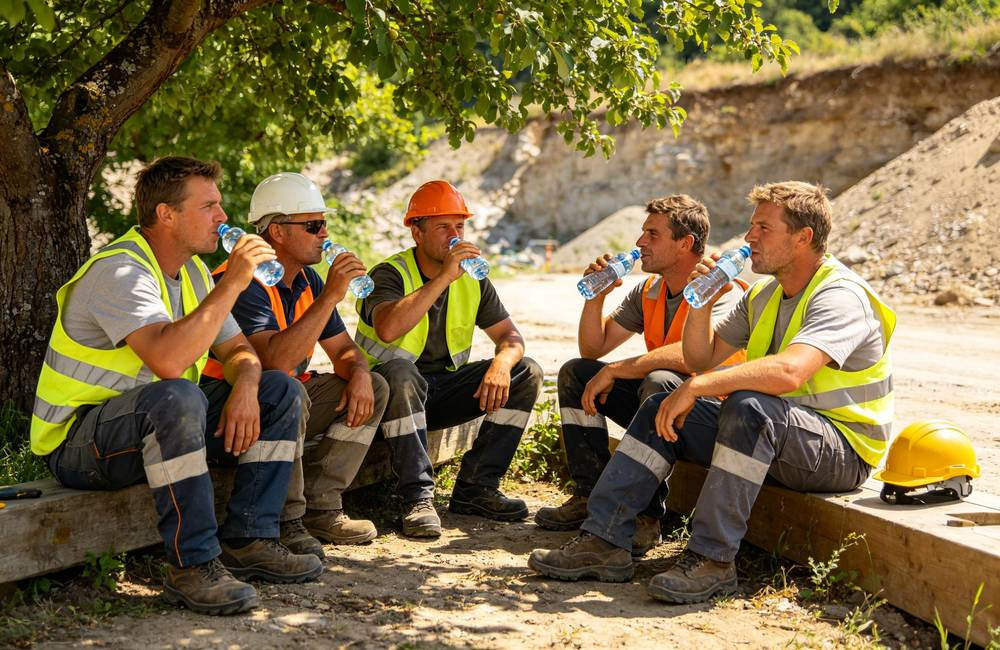
Stage 1: Heat cramps. Painful muscle spasms in the legs or abdomen, still sweating normally. Action: move to shade, drink one electrolyte packet, rest 15 minutes. Do not let them go back to work if the cramps do not go away.
Stage 2: Heat exhaustion. Heavy sweating, cold clammy skin, dizziness, nausea, fast pulse. Action: lay them down in shade, raise their legs 30cm, put a cooling towel on their neck and armpits, give them two electrolyte packets. Call a supervisor immediately. If they do not improve in 15 minutes, call emergency services.
Stage 3: Heat stroke. No more sweating, hot red skin, confusion, slurred speech, fainting. Action: this is a medical emergency. Call emergency services immediately. Pour cold water on them, put ice packs on their neck, armpits and groin. Do not give them water to drink if they are unconscious. Every minute counts—heat stroke causes permanent organ damage in under 10 minutes.
 |
|
Дружественные ссылки :
авторское право © Custom Disaster - Relief Bedding: Tents, Sleeping Bags, Blankets Все права защищены
профессиональная команда для обслуживания !