Категории
Last Updated: October 8, 2026
Seconds of direct flame call for an entry suit. Minutes of radiant heat call for a proximity suit.
Extreme heat comes in two forms: direct flame you enter, and radiant heat you work beside. A fire entry suit is built for the first, a proximity suit for the second. This guide compares both on temperature, duration and standards.
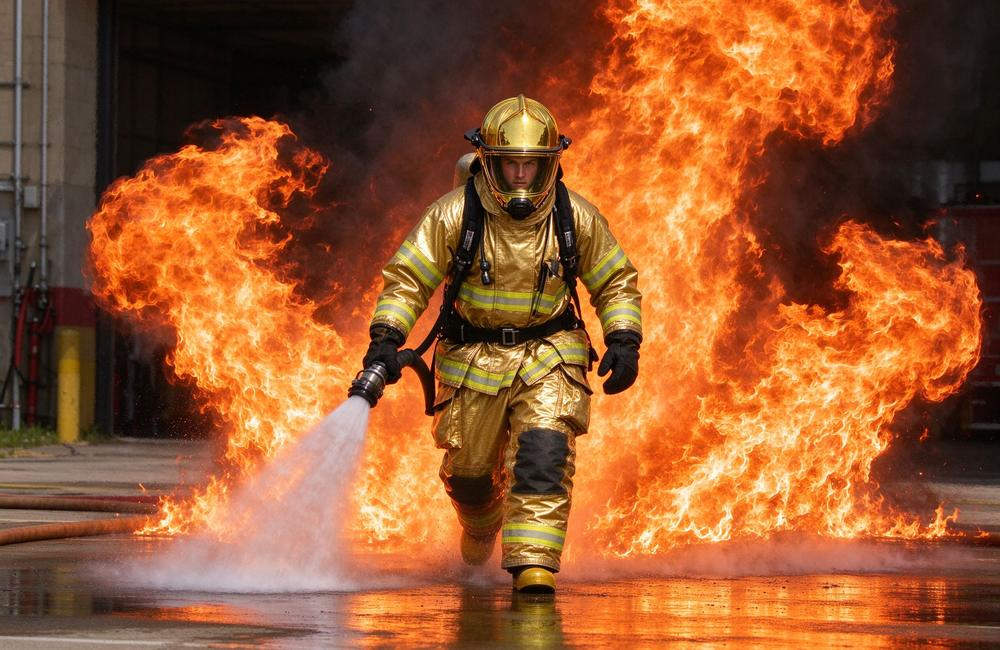
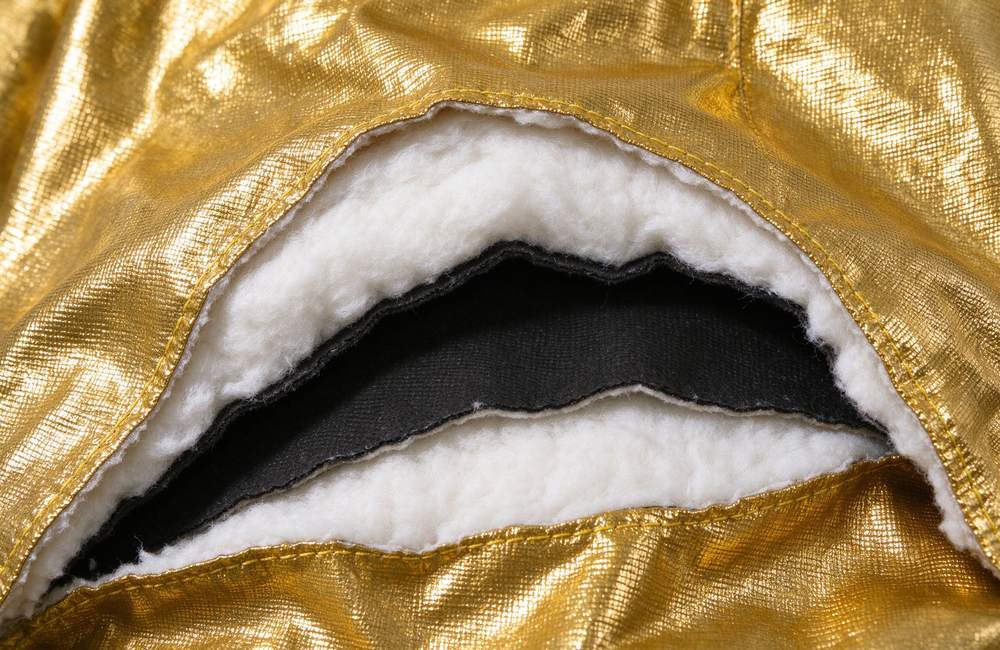
A fire entry suit is not a heavier turnout coat. It is a purpose-built system for the seconds when a rescuer must cross direct flame. The outer shell uses refractory carbon fiber cloth that resists heat and abrasion, and beneath it sit insulation felt, a waterproof layer and a comfort layer, forming a seven-layer build. The gold-plated visor reflects radiant heat while staying clear. Every layer exists to buy the wearer a few more seconds inside the flame zone, and every seam is sewn with aramid thread that will not melt.
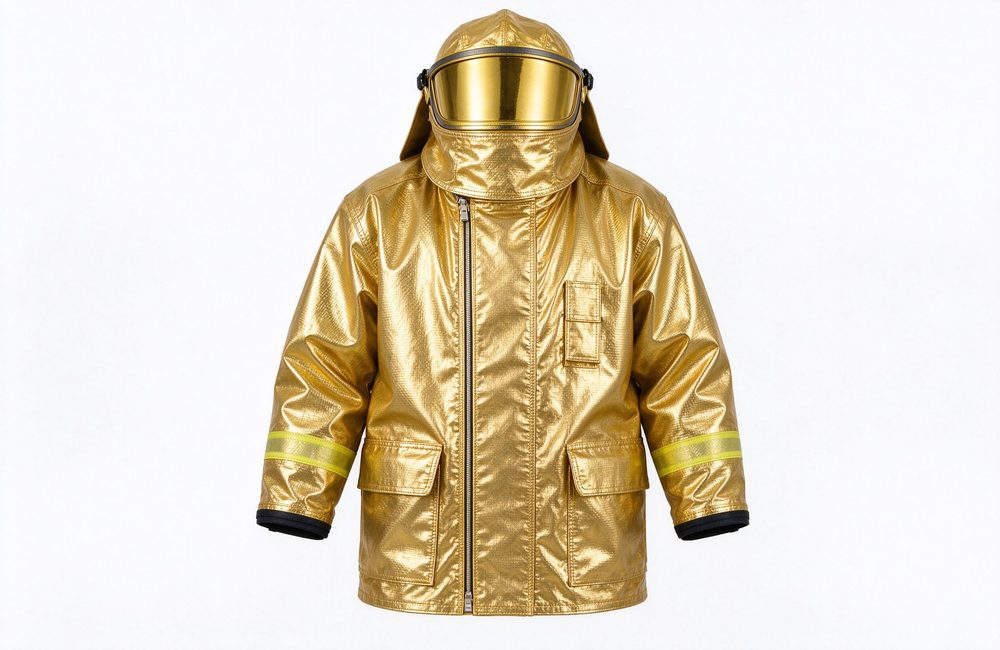
The difference between entry and proximity suits comes down to the hazard. An entry suit withstands brief direct flame contact, rated around 1000-1600°C for short exposure, because the mission is to get in, act and get out. A proximity suit reflects radiant heat for longer tasks near furnaces and molten metal, with an aluminized shell instead of a carbon fiber one. Buyers who confuse the two end up with a suit that fails at the moment it matters most.
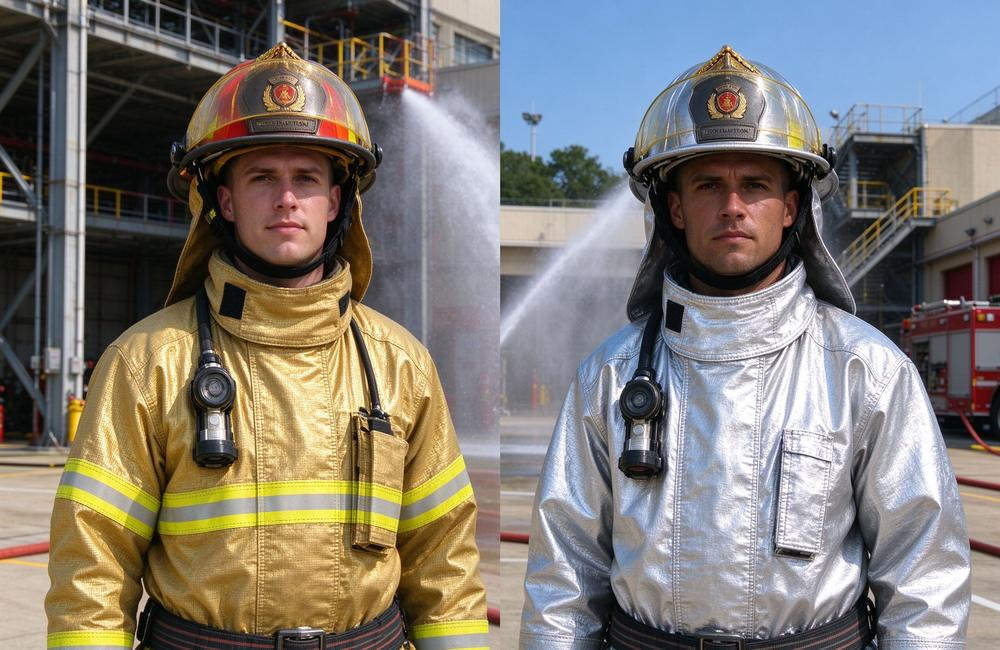
Entry suits and proximity suits solve different heat problems.
Real entry operations are short by design. A rescuer crosses the flame zone to reach a trapped person, closes a fuel valve, or checks a compartment, then exits within the suit's rated window. The suit buys seconds, not comfort. Team members outside the fire track the clock, and the operation follows a strict plan. This is why entry suits are issued to specialist teams and industrial rescue crews, not for routine interior firefighting.
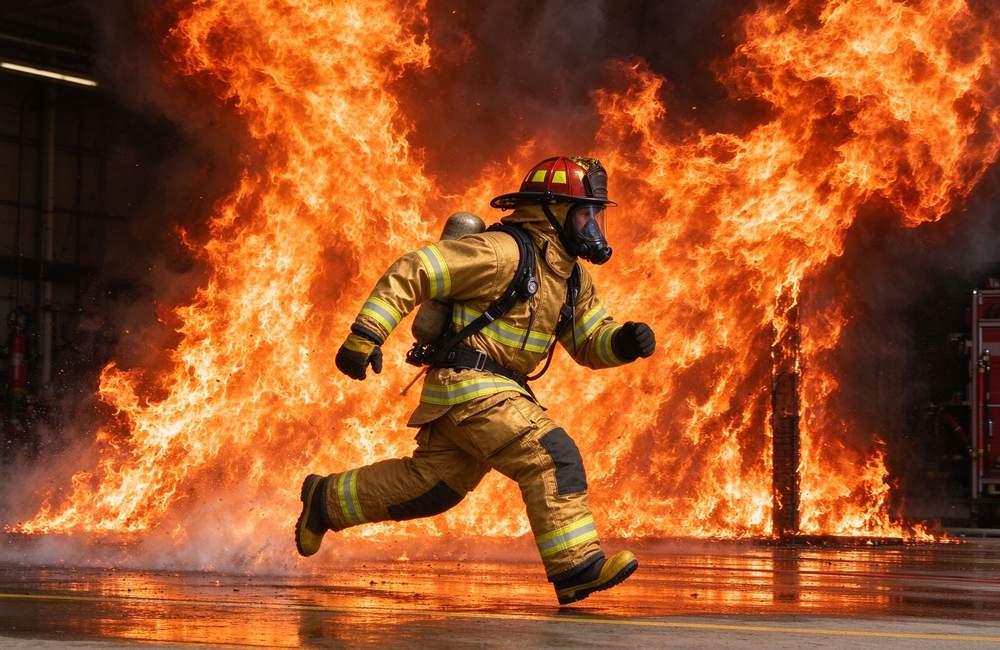
Entry missions are short, planned and backed by a team outside the fire.
Certification separates a real entry suit from a costume. In China, fire entry suits are commonly built to XF 634-2015 for firefighter heat insulation clothing, with GB 38453-2019 and GB 8965.1-2020 as related baselines. The the test report must name the exact model and current batch. A supplier that cannot document its entry suit before the order is a warning sign, because in extreme heat rescue, an undocumented suit is an unacceptable gamble.
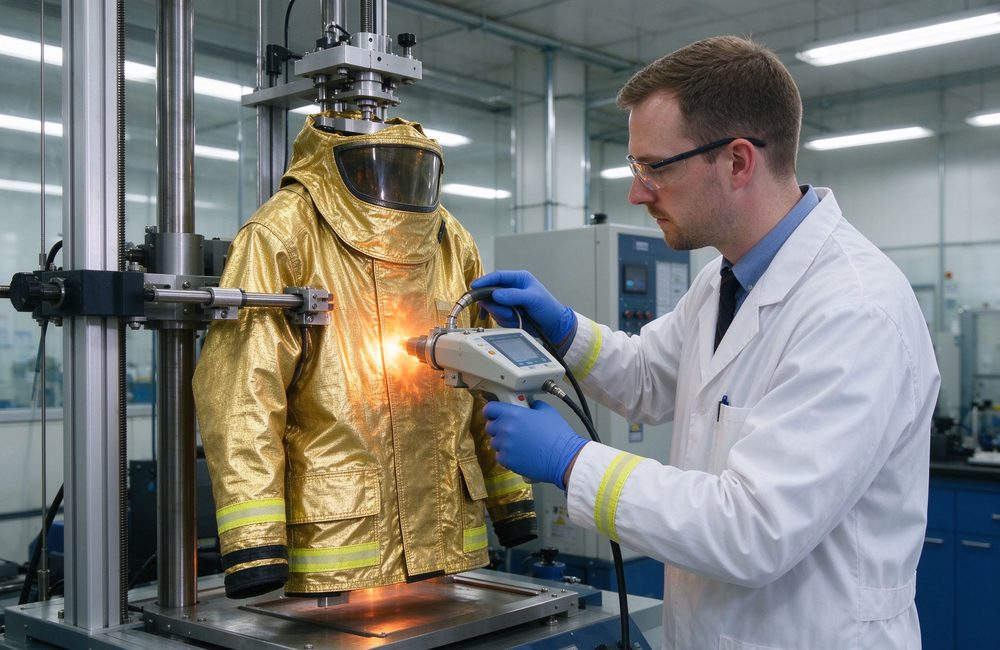
Certification documents prove the entry suit meets the rated standard.
The rule is simple: a fire entry suit is for brief direct flame contact measured in seconds, and a proximity suit is for radiant heat work measured in minutes. Firefighters and industrial teams face these two different extreme-heat hazards, so the choice is not a sizing matter; it is a survivability matter.
The mission decides the suit. Entry operations are short, extreme and planned around get-in, get-out timing. Proximity work is longer, closer to radiant sources, and relies on reflection rather than flame resistance. Buying the wrong one puts the wearer at risk in the exact moment the suit should protect them.
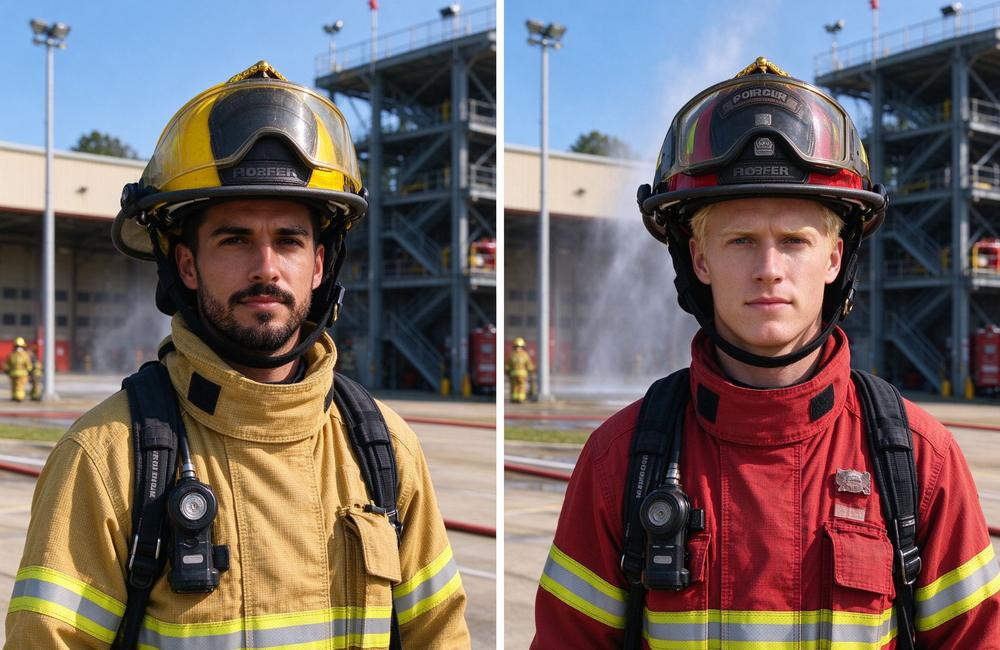
Match the suit to the heat hazard: flame entry or radiant work.
The table below summarizes the practical differences between the two suit families.
Feature
Fire Entry Suit
Proximity Suit
Primary hazard
Direct flame contact during entry
Radiant heat from furnaces and molten metal
Temperature rating
Short flame exposure around 1000-1600°C
Radiant heat reflection at 1000-1300°C
Working duration
Seconds to a couple of minutes
Minutes of controlled exposure
Key outer layer
Carbon fiber / refractory cloth
Aluminized reflective shell
Face protection
Thickened gold-plated visor
Impact-resistant reflective hood with shield
Typical missions
Cross fire zone, valve shutdown, aircraft rescue
Refinery turnaround, smelting, foundry work
Reference standard
XF 634-2015, GB 38453-2019
GB 38453-2019, EN ISO 11612
Ratings vary by model. Confirm the the test report for the exact suit.
The takeaway: entry suits answer the question "can I cross the fire?" while proximity suits answer "can I work beside the heat?" Teams that face both missions keep both lines in inventory.
The temperature numbers tell the story. An entry suit handles brief direct flame around 1000-1600°C, but only for seconds, because the multi-layer build absorbs heat faster than it can shed it. A proximity suit reflects radiant heat at 1000-1300°C for minutes, because the reflective shell keeps the outer fabric cooler throughout the task.
This is why entry suits feel heavier and more extreme. Every layer of an entry suit exists to delay heat penetration for a few more seconds, and the suit is retired or inspected carefully after any operation. Proximity suits, by comparison, are built for repeated use across a work shift near radiant sources.
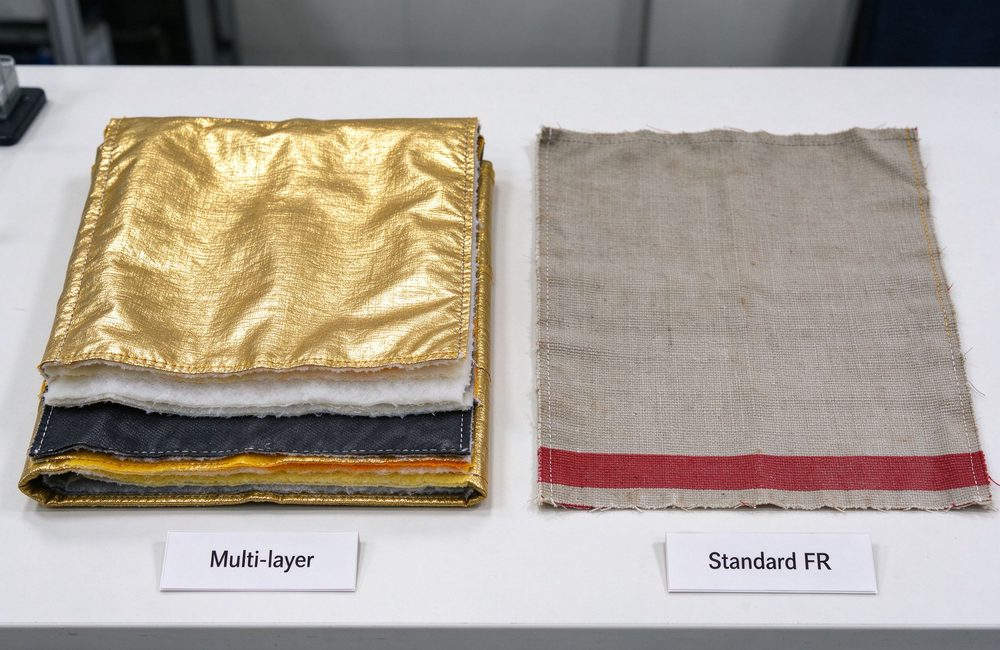
The outer layer is the biggest construction difference. Entry suits use refractory carbon fiber cloth that resists heat and abrasion during flame contact. Proximity suits use an aluminized shell that reflects radiant energy. Some entry suits also add an aluminized layer, but the carbon fiber base is what lets them touch flame briefly.
Both suits share a multi-layer philosophy: outer shell, insulation, waterproofing and comfort layers. The difference is which hazard the outer layer fights. Inspect the fabric and the seams when evaluating either type, because heat enters through weak stitching and damaged coatings first.
In our catalog, the carbon fiber entry suit (Mn-gr1008) uses Hotment® refractory fiber cloth for direct flame entry. The aluminized fire entry suit (Mn-gr1005) uses Costmir® aluminized fire cloth, rated for 1000°C flames with the same seven-layer build and thickened gold visor. The aluminized version documents GB 38453-2019, XF 634-2015 and GB 8965.1-2020; both models run L to XXXL and must be used with respiratory protection.
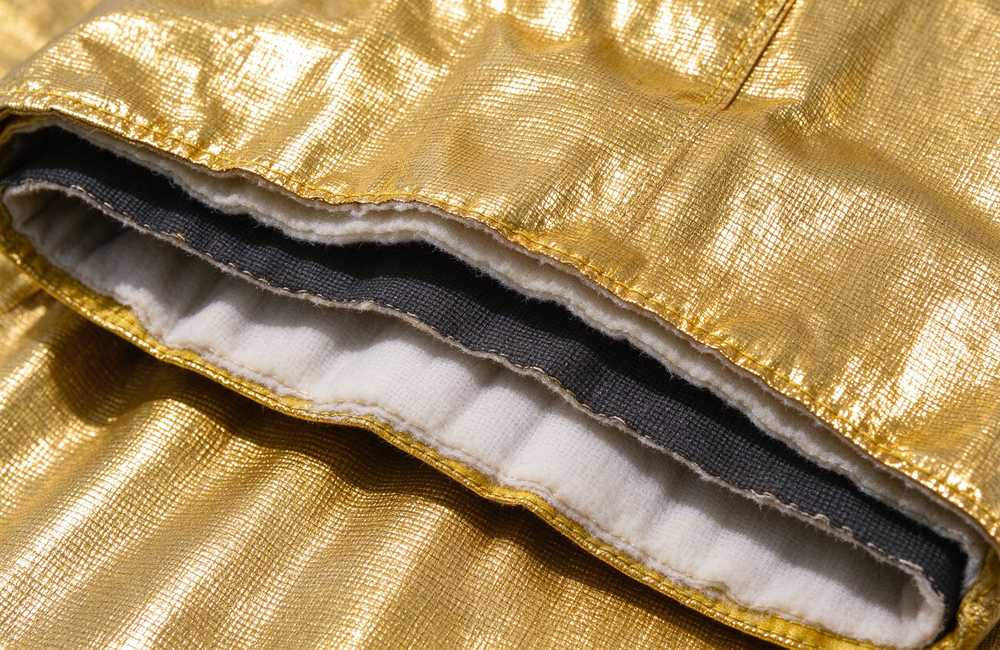
Seven layers work together: shell, insulation, waterproofing and comfort.
A quality fire entry suit is a seven-layer system. From the outside in, it typically combines a refractory outer shell, insulation felt, a waterproof layer and a comfort layer, with flame-resistant stitching throughout. The result is a garment that delays heat penetration long enough for a short entry mission.
Material quality determines the rating. Premium entry suits use refractory fiber cloth with strong heat resistance, and the insulation layer uses dense felt that traps heat. The waterproof layer keeps steam and water out, and the comfort layer makes the extreme weight of the suit bearable for the minutes it is worn.
The Mn-gr1008 build shows the detail buyers should expect: Hotment® refractory fiber cloth plus insulation felt, waterproof layer and comfort layer, a thickened gold-plated visor, a built-in fire safety helmet and aramid fire-resistant stitching throughout. Its complete set covers a jacket, bib trousers, hood, heat-resistant gloves, fire boots and a wheeled case, in two-piece or coverall style with a back pack for SCBA.
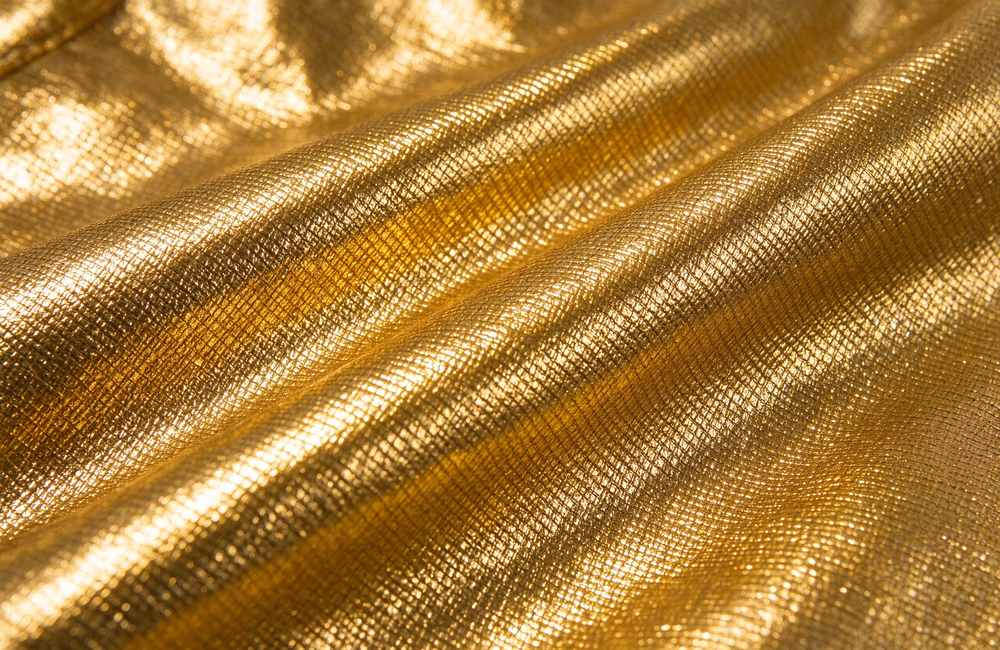
The outer shell of an entry suit is its first defense. Carbon fiber cloth resists high temperature and abrasion better than standard FR fabrics, which is why it is the signature of true entry suits. The shell handles the direct contact moment, while the layers beneath absorb the heat that passes through.
Look for the shell's weave quality and the stitching that joins panels. Aramid flame-resistant thread is a must, because ordinary thread melts under flame and opens the suit. Buyers should also check whether the shell shows any coating that could flake under heat cycling.
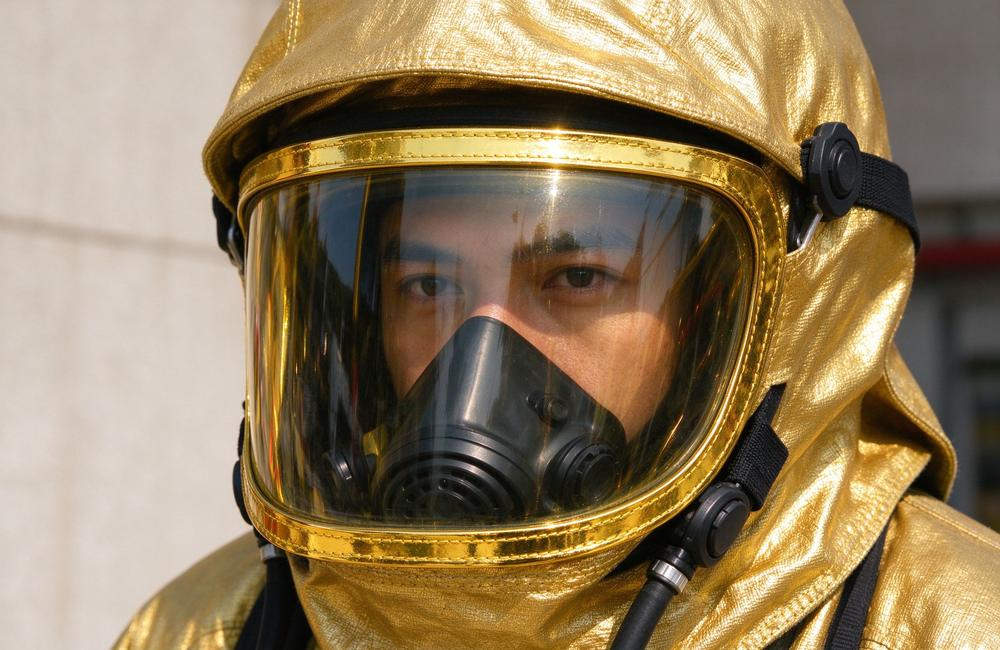
The gold visor on an entry suit is not decoration. Gold plating reflects radiant heat and blocks the glare of flames while keeping the view clear. A standard clear shield would transmit more radiant heat to the face, so entry suits use the thickened gold-plated window for the extreme heat of a flame zone.
Check the visor thickness and mounting when evaluating a suit. A thickened gold-plated visor stays clear longer and resists heat better. The visor is also one of the first parts to show damage, so inspect it before every entry operation.
The outer shell material determines how many seconds the suit buys. Refractory fiber cloth, including carbon fiber blends, resists heat and abrasion better than standard FR fabric. Some entry suits use a laminated construction that adds an aluminized reflective layer for radiant heat while keeping the carbon fiber base for flame contact. When inspecting the shell, check the fabric weight, the weave density and whether the coating survives repeated use. The the test report state the material performance; the sample shows the real feel.
The insulation felt between the outer shell and the comfort layer is the real heat barrier. Dense felt traps heat and slows its travel to the skin. Manufacturers use different felt densities and thicknesses, and the difference shows in the heat penetration time. The test report for interior temperature rise over time is the best comparison tool. Buyers should ask for the thermal performance data of the exact model, not just the outer temperature rating.
Certification is the core proof for any entry suit. In China, the core fire entry suit standard is XF 634-2015 for firefighter heat insulation clothing. Related baselines include GB 38453-2019 for heat insulation protective clothing and GB 8965.1-2020 for flame-resistant clothing. European buyers often reference EN ISO 11612 for heat and flame protection levels.
Never accept a certificate for a different model. The standard and the accompanying test report must name the exact garment you are buying, and the report should come from an accredited laboratory covering the current production batch. A documented entry suit is the only safe choice for extreme heat rescue.
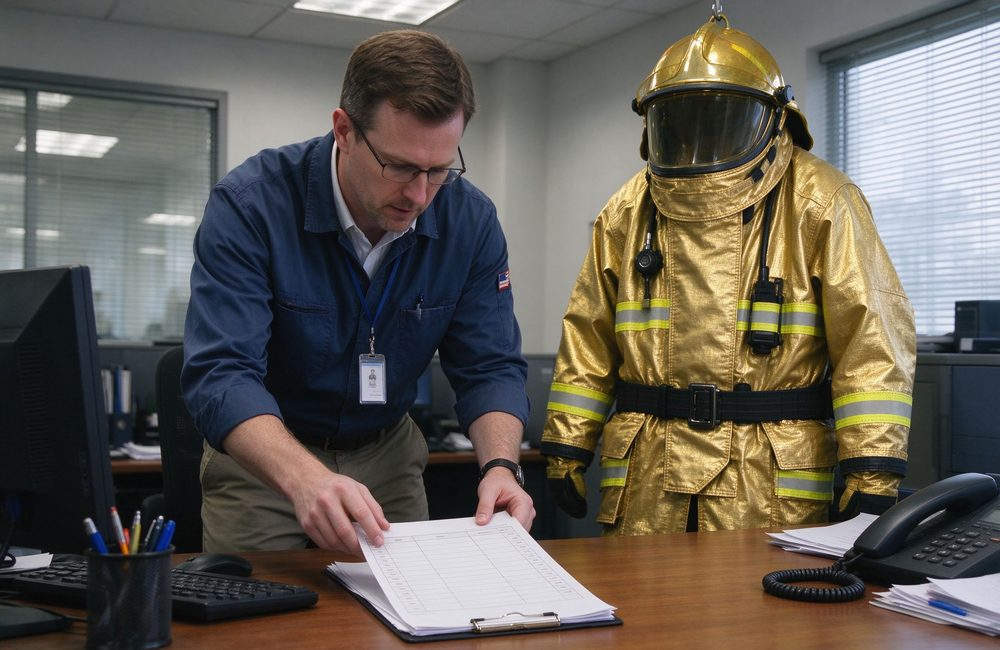
Verify the exact standard and batch before any bulk order.
The comparison below shows which standards buyers should reference in different markets.
|
Standard |
Market |
What It Covers |
Key Point for Entry Suits |
|
XF 634-2015 |
China |
Firefighter heat insulation clothing |
Core standard for entry and proximity suits |
|
GB 38453-2019 |
China |
Heat insulation protective clothing |
Radiant and contact heat insulation |
|
GB 8965.1-2020 |
China |
Flame-resistant protective clothing |
Flame resistance baseline |
|
EN ISO 11612 |
Europe |
Clothing against heat and flame |
Level codes for flame, heat, radiant and splash |
|
USA |
Structural firefighting gear |
Reference for turnout ensembles, not entry suits |
Level codes in EN ISO 11612 define flame spread (A), convective heat (B), radiant heat (C) and molten splash (D/E).
For entry work, the flame resistance and the documented test of the exact model matter most. A standard name on a brochure is not certification; the the test report are the evidence.
Chinese buyers should confirm the suit meets XF 634-2015, the recognized standard for firefighter heat insulation clothing used in entry and proximity operations. GB 38453-2019 covers heat insulation protective clothing for industrial hot work, and GB 8965.1-2020 sets the flame-resistant clothing baseline. A suit that documents these standards has verifiable performance.
Ask the supplier for the test report from an accredited laboratory and compare the certificate model number with the garment label. The Chinese national standard system publishes current versions of protective clothing standards online, and European buyers can verify EN ISO 11612 details through the official standards organizations (national standard public service platform and CEN/CENELEC).
Use an entry suit when the mission crosses a flash fire zone, closes a fuel valve that cannot be reached any other way, or operates inside an aircraft or industrial fire with seconds of direct flame exposure. It is specialist equipment for extreme heat rescue, and each mission is short, planned and backed by a support team.
Industrial teams use fire entry suits for furnace repair entries and kiln emergency access. Whether it is a furnace entry suit mission or a kiln entry suit rescue, the worker must pass through direct flame and the suit must be rated for it. The suit buys the critical seconds to complete the task, and the operation is timed from the moment of entry.
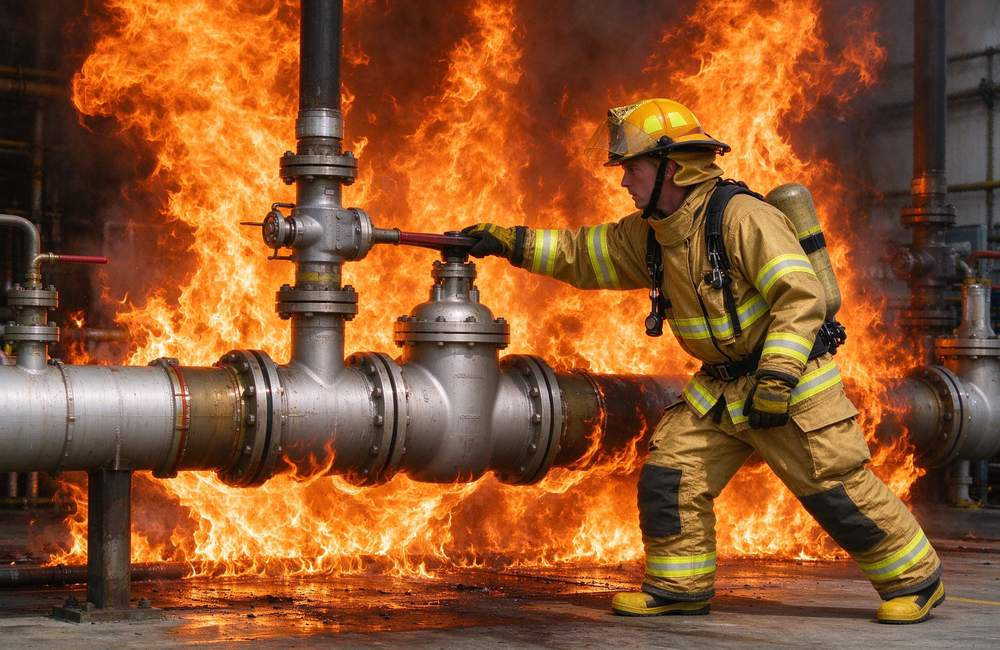
Typical entry suit scenarios include flashover rescue, aircraft crash response, industrial furnace access, and any situation where a rescuer must pass through direct flame. The common thread is extreme heat plus a short, high-value action: reach the victim, turn the valve, or verify the compartment.
Incident commanders decide when entry suits are justified. Because the suit has a hard time limit, the plan must include exit timing, a backup team and a decontamination path. Entry suits are not for routine interior firefighting, where turnout gear with better mobility is the correct choice.
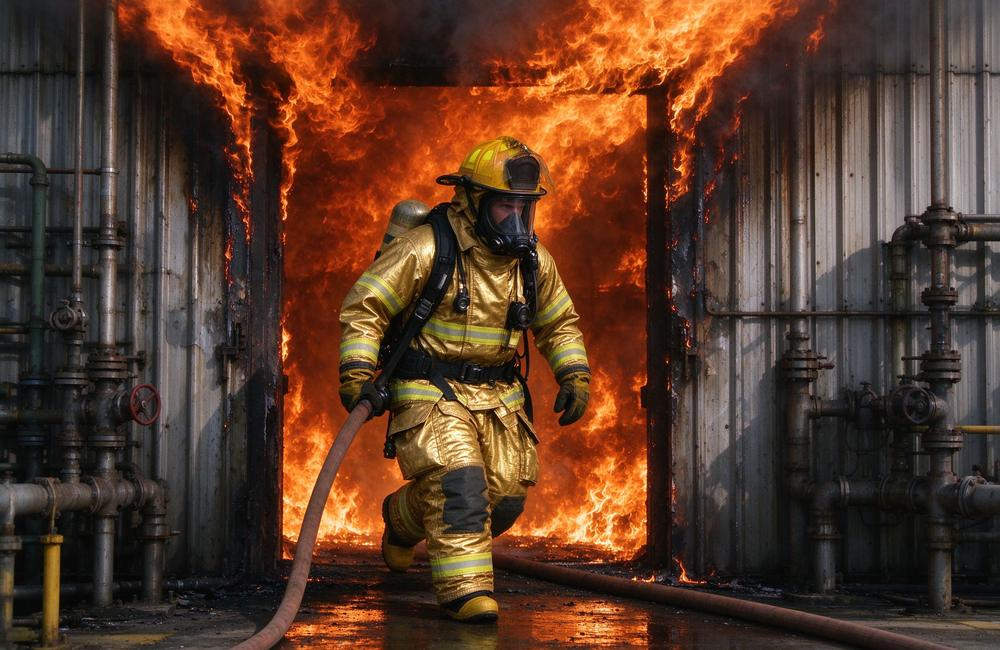
Every entry suit has a rated time window. Depending on the model and the fire intensity, that window is measured in seconds to a couple of minutes. The multi-layer build delays heat, but it cannot stop heat forever, and the wearer's safety depends on exiting before the suit's limit.
Teams track the clock from the moment of entry, and a safety officer outside the zone calls the exit. If the suit shows discoloration, burns or delamination after an operation, it must be inspected and likely retired. The time limit is the contract between the suit and the rescuer.
Speed matters because every second of exposure counts. Teams drill a timed donning routine so the suit is sealed and the breathing air is live before the alarm ends.
Practice makes the sequence automatic. A crew that can suit up in under a minute protects itself and the person it is entering to reach.
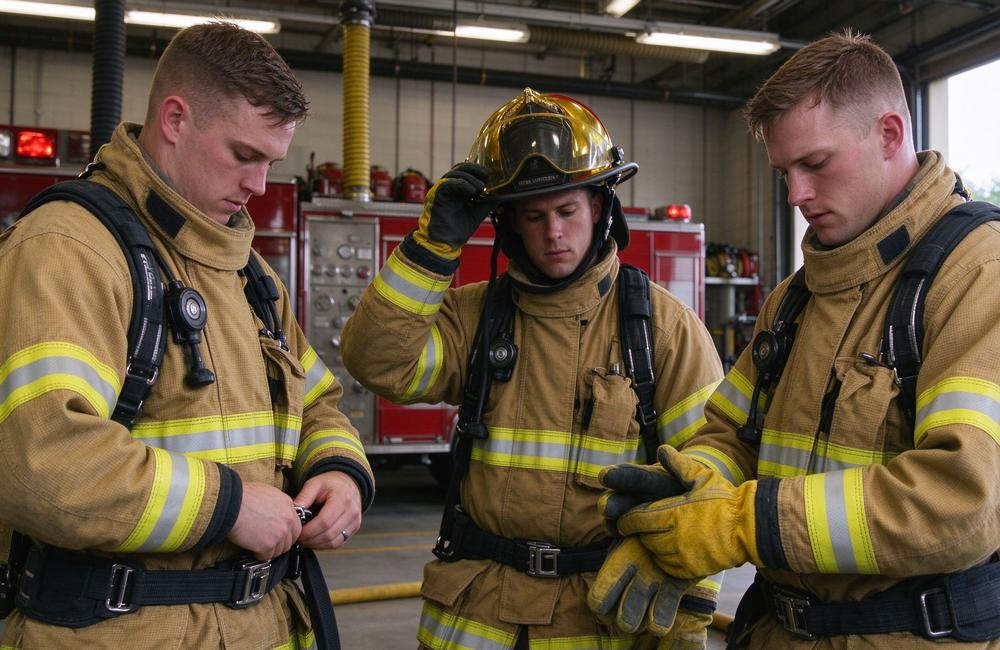
Entry suits and turnout gear are often confused, but the boundaries are clear. Turnout gear protects against radiant heat, flames from distance and structural collapse in a normal firefight. Entry suits handle the extreme moment when a rescuer passes directly through flame. Turnout gear is worn for most of an incident; entry suits are donned for the specific extreme operation and removed as soon as the task ends. Buyers should maintain both lines and train crews on when each is used.
Entry suits trap body heat as effectively as they block outside heat. The wearer sweats heavily inside the suit, and the rescue team must plan for heat stress before the operation starts. Standard practice includes hydration, rotation of team members, and a rest and cooling plan after the entry. The suit's time limit is one safety boundary; the wearer's physical condition is the other. Buyers should train crews on both limits.
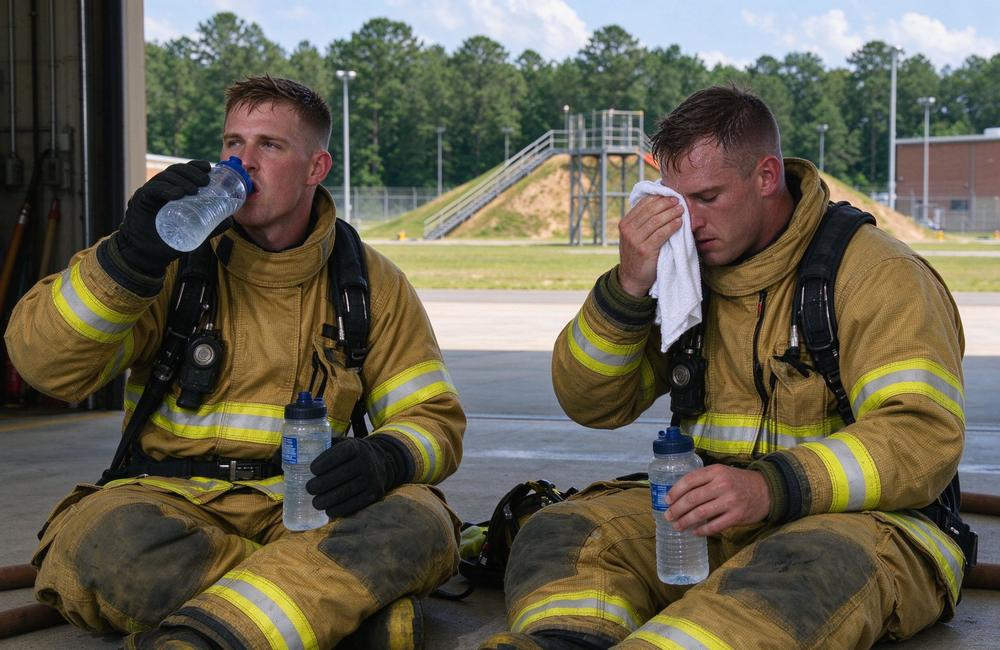
Heat stress planning includes hydration, rotation and rest after entry.
A fire entry suit is a complete ensemble, not a jacket. The full kit includes the entry coat, trousers or coverall, a hood with the gold visor, extreme-heat gloves, entry boots and a breathing apparatus. Every component must be rated for the same extreme conditions, because the chain of protection is only as strong as its weakest link.
When ordering entry suits, specify the full kit and confirm each piece matches the suit's rating. The hood and gloves take the most direct exposure, and the SCBA back pack opening must match your breathing apparatus. A complete, matched kit is the difference between a rescue and an injury.
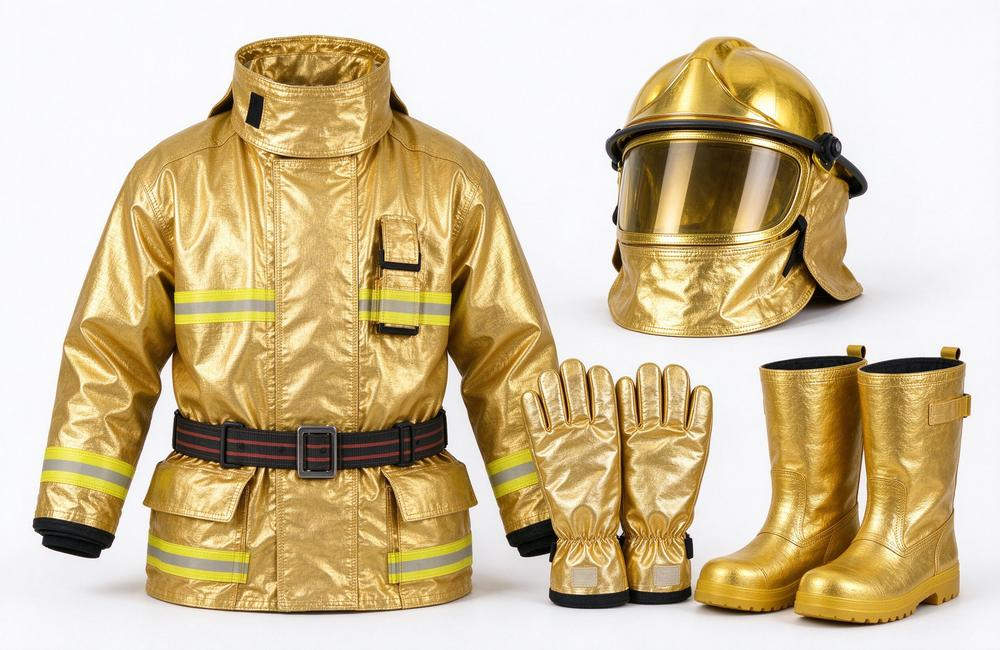
The full entry kit covers head, body, hands and feet at extreme rating.
Entry hoods, gloves and boots must carry the same heat rating as the coat. Extreme-heat gloves made with carbon fiber or refractory layers let a rescuer touch hot surfaces briefly, and entry boots protect the feet during passage through burning debris. A hood with a thickened gold visor completes the face protection
.
Confirm that the gloves seal the coat sleeves and the hood fits over the SCBA mask. Buyers should also verify that the SCBA cylinder fits the suit's back pack opening. Small mismatches in the accessories turn a certified suit into an unsafe one in the field.
The face is the most sensitive part of an entry operation, and protection goes beyond the gold visor. The hood carries the visor, fits over the SCBA mask and covers the neck with the same refractory material as the suit. Sealing matters: gaps at the mask or collar let heat and smoke reach the face. Check the hood's integration with the SCBA mask and the suit collar before buying. A matched hood is part of the certified kit, not an optional extra.
Every entry operation ends with inspection. Check the outer shell for burns, delamination and coating damage, examine the visor for cracks, and review the seams for heat damage. Clean the suit according to the manufacturer's instructions and store it on a hanger away from sunlight and moisture. A suit that passes inspection stays in service; a suit with any doubt is retired. Maintenance records extend the life of the investment and keep the rescue capability ready.
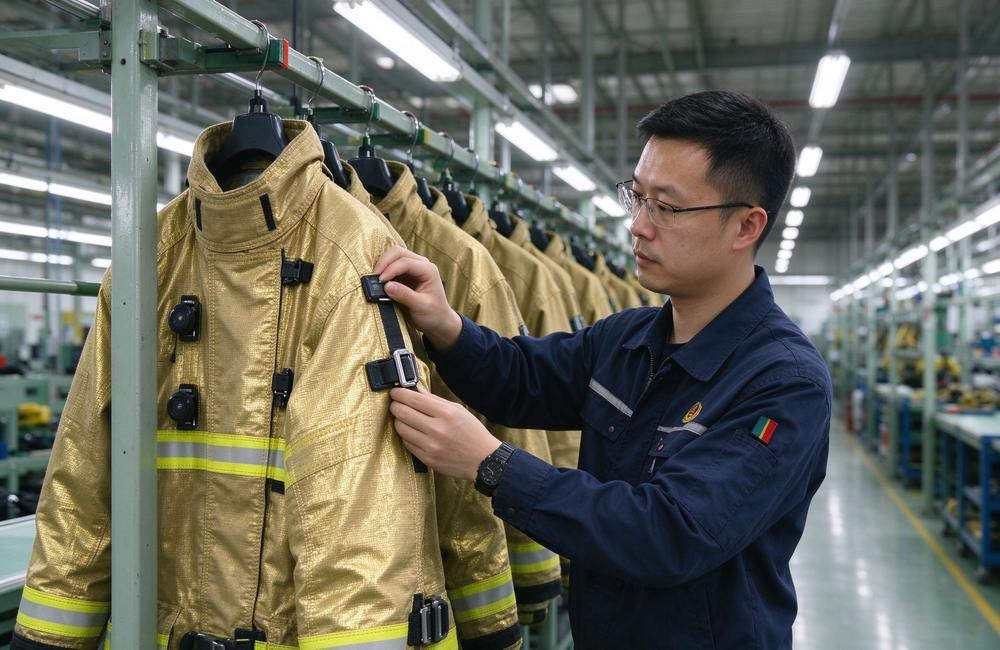
Inspect the shell, visor and seams after every entry operation.
The table below lists the full kit configuration and matching accessories with their real ratings, so buyers can verify each piece before ordering.
|
Component |
Model / Spec |
Real Rating |
|
Entry coat + trousers (two-piece) or coverall |
Mn-gr1008 |
1000-1600°C short flame, XF 634-2015 |
|
Aluminized entry suit (coverall) |
Mn-gr1005 |
1000°C flame, GB 38453-2019 |
|
Carbon fiber entry hood |
Mn-tz2000-5 |
1000°C, 3MM polycarbonate visor, XF 634-2015 |
|
1000°C heat-resistant gloves |
Mn-gr1000 |
Direct contact 1000-1100°C, length 38CM, EN407 |
|
High-temp fire gloves |
heavy-seriesA-56 |
Brief 1000°C, multi-layer build |
|
Fire proximity boots |
heavy-duty series |
1000°C, puncture- and impact-resistant |
|
SCBA |
User's breathing apparatus |
Fits the suit's back pack opening |
Model numbers and ratings follow the manufacturer's catalog and certificate; SCBA is supplied by the rescue team.
This configuration table answers the question every rescue buyer asks first: what exactly comes with the suit, and is each piece rated for the same extreme condition? Confirm every line against the certificate before the order.
Storage life follows the same discipline. Hang the suit on broad hangers in a clean, dry area away from direct sunlight, and inspect it quarterly even when unused. Replace the garment when the shell fabric is worn, the visor is scratched or the seams show separation, because a damaged layer is a missing layer in a fire.
Choose an entry suit for direct flame contact and a proximity suit for radiant heat work; the table below matches every decision point before you order. It is the decision tool for buyers who stock both suit families, for procurement and incident commanders. For a complete range of protective clothing for fire teams, explore our firefighter clothing wholesale options.
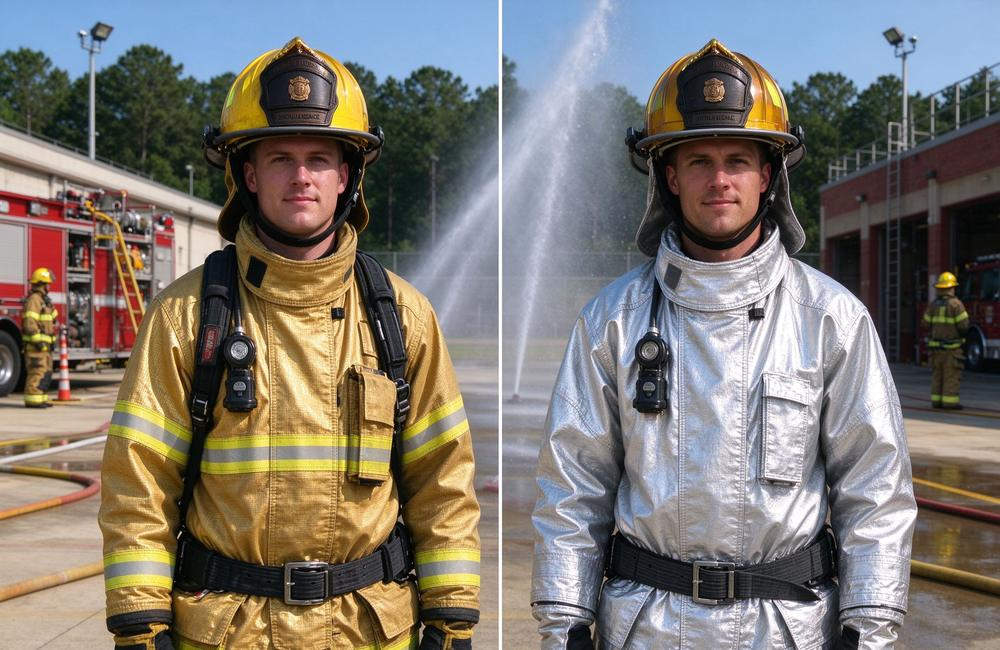
Side-by-side comparison guides the right suit for each emergency.
The full-dimension table below covers the practical decision points. It compares heat type handled, exposure time, outer material, weight, cost and maintenance so you can match the suit to the operation: choose a fire entry suit for direct flame contact and a proximity suit for radiant heat tasks. Review the rows with your supplier before requesting a quote.
|
Decision Point |
Fire Entry Suit |
Proximity Suit |
|
Heat type handled |
Direct flame contact |
Radiant heat |
|
Exposure time |
Seconds to ~2 minutes |
Minutes per task |
|
Outer material |
Carbon fiber / refractory cloth |
Aluminized reflective shell |
|
Visor / face shield |
Thickened gold-plated visor |
Clear impact-resistant shield |
|
Typical user |
Specialist rescue teams, industrial rescue |
Refinery, smelter, foundry crews |
|
Typical mission |
Cross flame, valve shutdown, aircraft rescue |
Furnace work, hot work near molten metal |
|
Mobility |
Lower, by design |
Higher, for sustained work |
|
SCBA compatibility |
Back pack opening, matched kit |
Back pack opening, matched kit |
Both suits require respiratory protection and a matched full kit in extreme operations.
Use this table in your hazard assessment: direct flame passage means an entry suit, while sustained radiant heat work means a proximity suit rated for long exposure.
The decision rule is short. Direct flame contact, even for seconds, calls for a fire entry suit. Radiant heat exposure for minutes calls for a proximity suit. Turnout gear remains the baseline for structural firefighting where neither extreme applies.
Keep the decision documented in your equipment plan and train teams on the difference.
A rescue suit's value shows in its test numbers, not its photos. A fire proximity entry suit documents a full battery of measured results. Afterflame time stays within 2 seconds, char length within 100 mm, breaking strength at least 650 N, and tear strength at least 60 N. Thermal stability holds dimensional change within 10%, interior temperature rise to 24°C takes more than 70 seconds, TPP reaches at least 35 cal/cm², and the complete set weighs no more than 13 kg.
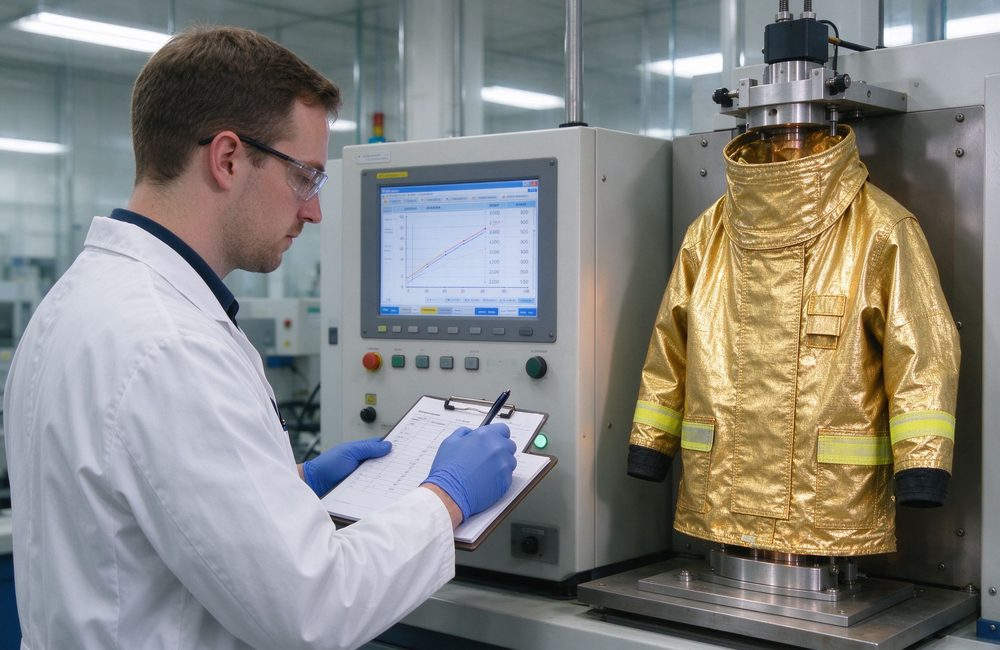
Accredited lab testing turns fabric claims into measured numbers.
|
Test Item |
Measured Result |
What It Means |
|
Afterflame time |
≤ 2 s |
Flame self-extinguishes quickly |
|
Char length |
≤ 100 mm |
Limited fabric damage under flame |
|
Breaking strength |
≥ 650 N |
Shell resists tearing under load |
|
Tear strength |
≥ 60 N |
Seams resist propagation |
Flame and tear results verify the shell fabric itself. The heat-blocking numbers below confirm how long the ensemble delays heat build-up.
|
Test Item |
Measured Result |
What It Means |
|
Thermal stability change |
≤ 10% |
Size holds after heat exposure |
|
Interior rise to 24°C |
> 70 s |
Heat barrier buys escape time |
|
TPP value |
≥ 35 cal/cm² |
Total heat protection rating |
|
Complete set weight |
≤ 13 kg |
Manageable for a rescue team |
Test results are from the manufacturer's documentation for the tested production model and should be confirmed against the batch certificate.
Ask for these numbers before buying. A supplier that can document afterflame time, char length and TPP for the exact model is showing real heat engineering; one that cannot is showing photos.
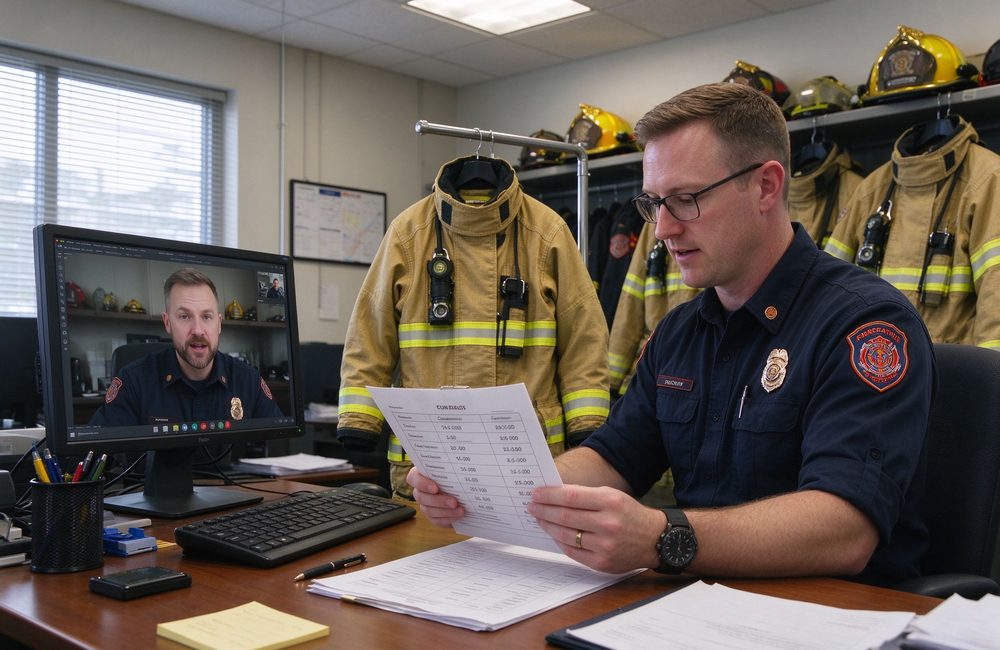
Confirm sample, certificate and fit before the bulk order.
Entry suits are life-critical purchases, and the supplier's documentation decides whether the suit protects. Start with the exact model's certificate and test report, then inspect construction, request a sample, and confirm the full kit.
Among fire entry suit manufacturers and suppliers, work with those who build entry suits regularly, because the seven-layer construction and gold visor require specialized production and testing. A general workwear factory may not control heat testing, seam construction and batch certification to the level rescue teams need.
Ask five questions before any entry suit order. What standard does the exact model meet? Does the certificate and test report cover the current batch? What is the full kit, and does each piece carry the same rating? Can you provide a sample for fit and mobility testing? What are the customization options, minimum quantity and lead time?
Put the answers in writing. The certificate, the sample standard and the delivery schedule belong in the contract, because in extreme heat rescue, verbal assurances are not documentation.
Four buyer groups order fire entry suits in practice. Specialist rescue teams buy a small number of premium suits for flashover and aircraft rescue. Industrial plants buy entry suits for furnace repair crews and emergency response teams. Government procurement programs order standardized kits through bidding processes. Distributors and trading companies buy across models to serve multiple end users. Each group asks different questions, and a supplier that understands the buyer profile responds faster.
The most common selection mistake is judging a suit by its price tag instead of its certificate. A low-cost entry suit with no documented standard is not an entry suit at all. The second mistake is ignoring the full kit: buying the coat without matched gloves, boots and hood leaves the rescuer exposed at the extremities. The third is skipping fit testing, because a bulky entry suit that does not fit restricts movement inside a flame zone. Document each of these points in the procurement checklist.
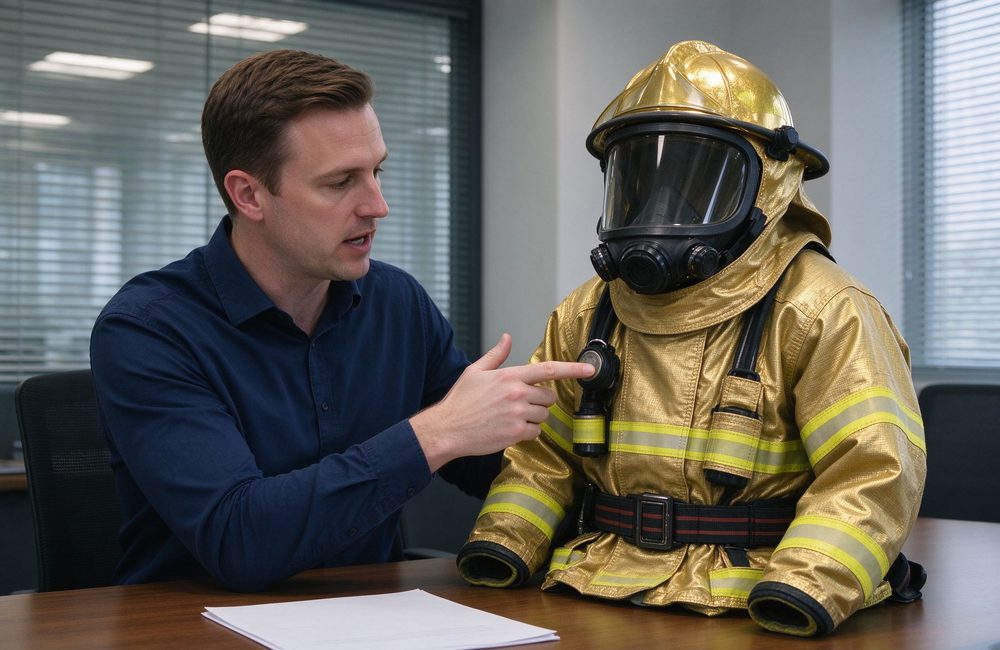
Document the certificate, full kit and fit test in the procurement checklist.
Bulk orders work best with a written specification that fixes the model, standards, full kit configuration, size breakdown and delivery schedule. Rescue teams, fire departments, industrial plants and government programs all buy bulk fire entry suits. Clear specifications prevent disputes and protect both sides.
Bulk pricing depends on quantity, customization and lead time. Plan the size matrix from actual team measurements, order spare suits, and schedule training suits separately. A working inventory plan keeps rescue capability ready.
Most entry suit suppliers offer customization: two-piece or coverall styles, special sizes, SCBA back pack openings and color trim. Confirm options, minimum quantities and extra lead time before ordering. Customization should not compromise certification, so check whether modified suits retain the original certificate.
Entry suits run L to XXXL, and the size matrix should follow actual team measurements. The suit is worn over a thermal layer with an SCBA, so fitting happens with all layers on. Test mobility by bending, squatting and reaching inside. A correct fit keeps the rescuer safe.
Measure chest, height and weight against the matrix before ordering. Teams with winter underlayers or SCBA harnesses typically order one size up, and every member is fitted individually.
Bulk entry suit orders arrive with the same care as the suits themselves. Each kit is packed with its hood, gloves, boots and label, and the packing list matches the order. Documentation includes the certificate, test report, inspection certificate and user manual for each batch. Confirm the documentation list in the contract and inspect samples at delivery.
An entry suit is only as effective as the crew that wears it. Before real operations, the team practices donning and doffing under time pressure, moving in the full kit, and communicating through the hood and mask. Training covers the time limit, the exit signal and the back-up plan. Teams that train in the exact suit react faster, so buyers should budget training suits and practice time.
Keep the training log with the garment file: a dated record of who practiced in which suit, plus the certificate number, gives procurement a defensible trail for the next tender.
Photo the label before the first wash — model, batch and certificate number belong in the log.
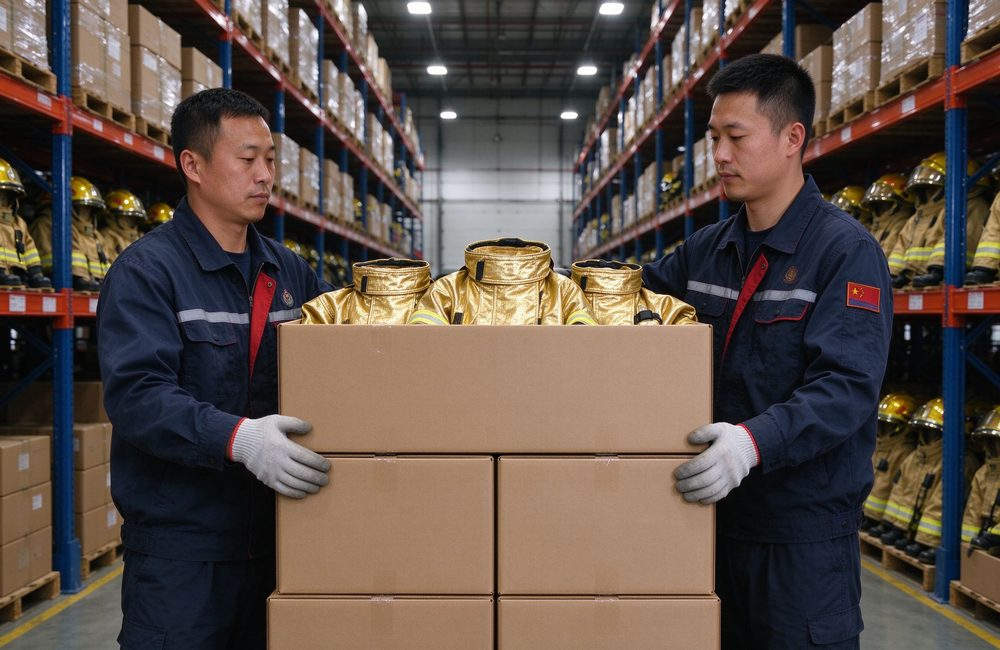
Wholesale entry suit orders need model, standard and configuration clarity.
A fire entry suit is extreme-heat protective clothing built for brief entry into flame zones. It can withstand short flame exposure around 1000-1600°C, allowing firefighters to cross a fire area for rescue or valve shutdown before heat penetrates.
An entry suit withstands brief direct flame contact in seconds and uses carbon fiber or refractory layers with a gold visor. A proximity suit reflects radiant heat for longer work near furnaces and uses an aluminized shell. Different jobs, different limits.
Quality entry suits use a multi-layer build: a refractory carbon fiber outer shell, insulation felt, waterproof layer, comfort layer and more. A thickened gold-plated visor protects the face from radiant heat and flame during entry.
In China, fire entry suits are commonly built to XF 634-2015 for firefighter heat insulation clothing. Related standards include GB 38453-2019 and GB 8965.1-2020. Always confirm the certificate and test report for the exact model.
Only seconds to a couple of minutes depending on the suit and the fire intensity. Entry suits are designed for get-in, get-out operations, not sustained work. Follow the rated time limit and the incident commander's plan.
Gold plating reflects radiant heat and blocks glare from flames while keeping visibility clear. The gold layer handles higher temperatures than a standard clear shield and is a signature of true entry suits.
Yes. Entry suits must be used with respiratory protection because the fire zone has no breathable air. Many entry suits are made with a back pack opening for an SCBA cylinder, and the complete kit includes hood, gloves, boots and breathing apparatus.
No. A proximity suit reflects radiant heat but is not built for direct flame contact and entry. Using it to enter a flame zone risks failure of the aluminized layer and burns. Match the suit to the hazard.
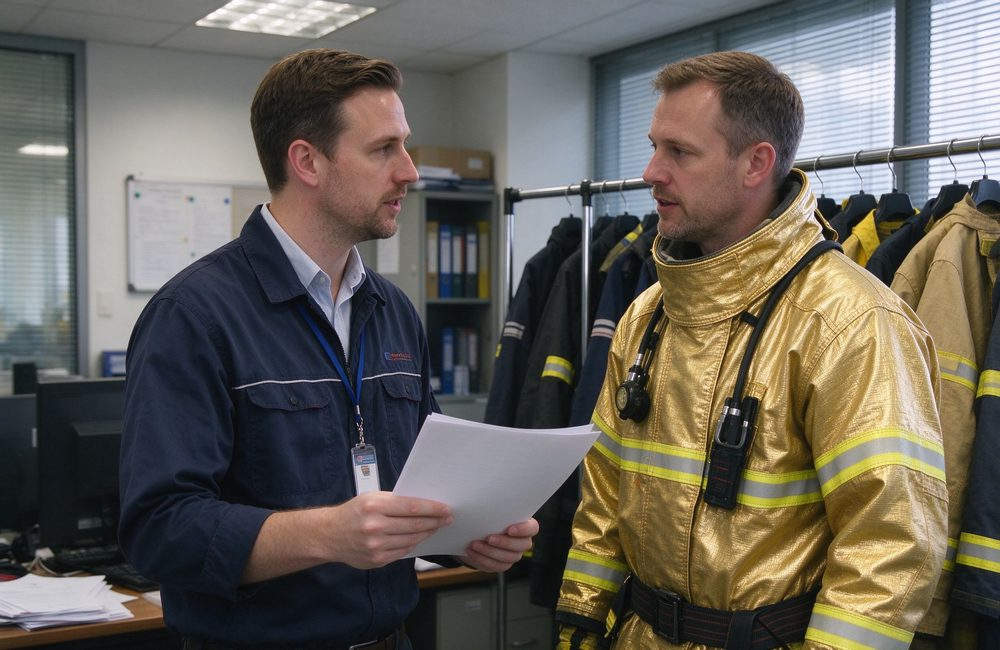
Typical scenarios include crossing a flash fire zone to rescue a trapped person, closing a fuel valve near flames, aircraft crash fires, furnace repair entries, and extreme heat incidents where seconds of direct flame exposure are expected.
A complete multi-layer entry suit is heavy by design. For example, a full set with hood, jacket, trousers, gloves and boots can weigh around 13 kg or more. Team members must train in the suit before real operations.
Yes. Rescue teams often request two-piece or coverall styles, special sizes, SCBA back pack openings and color trim. Confirm customization options, minimum quantities and lead time with the supplier and put terms in the contract.
Verify the certificate and test report for the exact model, check the multi-layer construction and gold visor, request a sample, and confirm the full kit components. Treat certification as the core proof.
Carbon fiber entry suits use refractory fiber cloth with strong heat and abrasion resistance for flame entry. Aluminized entry suits add a reflective metal layer that also blocks radiant heat. Both have seven-layer builds; choose by the main hazard.
Store entry suits on hangers in a clean, dry area away from sunlight, moisture and sharp objects. Inspect the outer shell, visor and seams before every operation, and retire any suit with burns, delamination or damaged gold plating.
 |

|
Дружественные ссылки :
авторское право © Custom Disaster - Relief Bedding: Tents, Sleeping Bags, Blankets Все права защищены
профессиональная команда для обслуживания !