Категории
A blanket kept on a station bed, in a response vehicle or for temporary public support follows three different operating routes and should not be approved through one vague duty-use label.
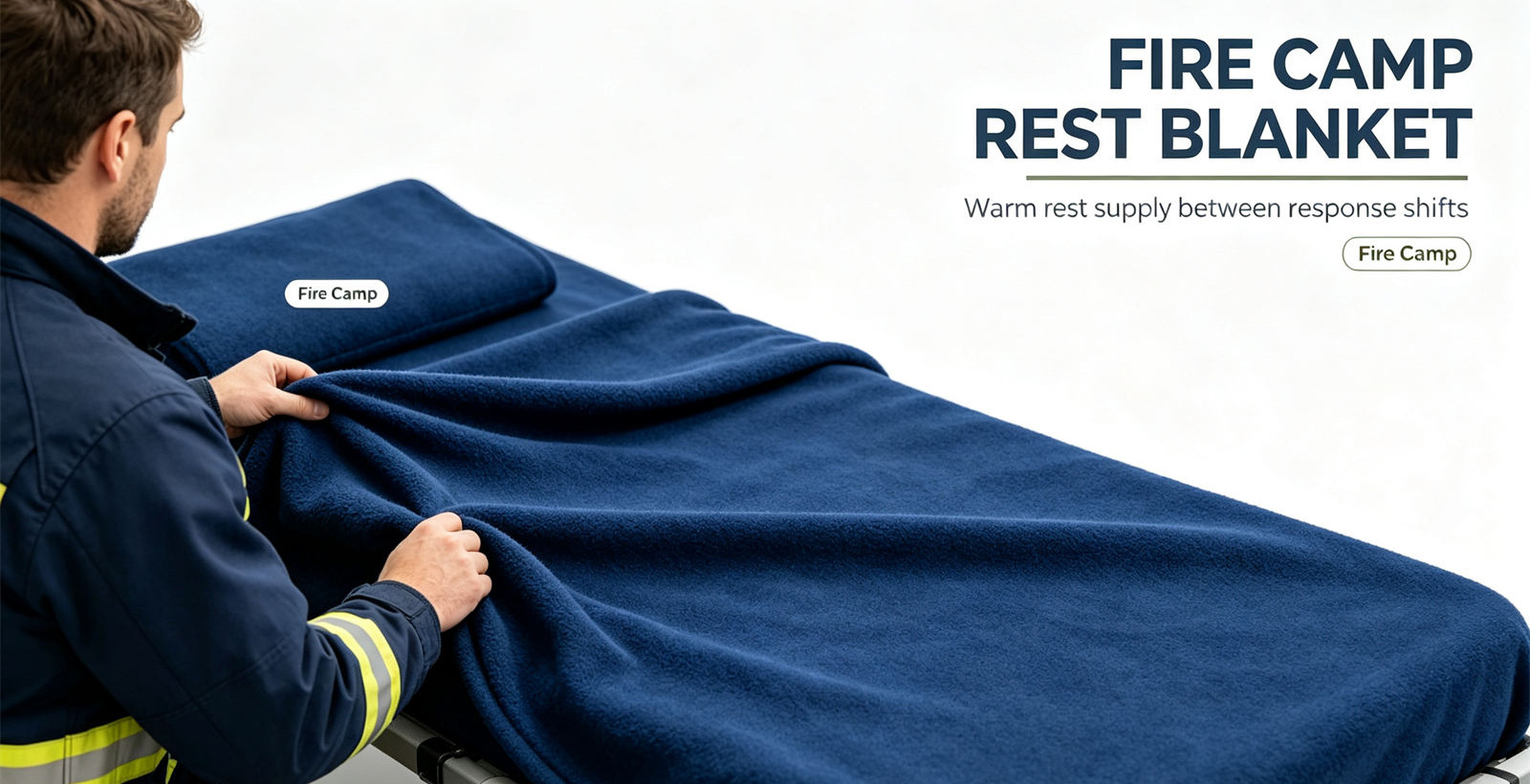
Use current station blanket duty logs, an identified sample and the active quotation for every station blanket value. Competitor observations and use labels are not station blanket facts.
A reliable purchasing decision connects product values, documents and packing details to the current quotation and identified sample. Compare available routes against the real operating need without turning an unverified value into a product promise.
Station readiness gives station rest use a practical meaning. The logistics lead maps station rest, vehicle reserve and temporary distribution by handling, storage and return conditions to the place where a station blanket is kept, issued, returned and restored. The duty log shows whether the unit is ready for rest use, vehicle reserve or temporary distribution.
Test station rest use during a call-out, not only in a meeting. If a blanket unavailable on the required route follows from station rest, vehicle reserve and temporary distribution by handling, storage and return conditions, the station needs an immediate containment step and a person who restores the available-unit count. This readiness check distinguishes operating identification from unsupported fire, heat or medical claims.
For station rest use, the response supplier describes the ready-use pack, blanket identity and return condition that can actually be repeated. The station sign-off records accepted trade-offs around station rest, vehicle reserve and temporary distribution by handling, storage and return conditions. The result is rapid return to service, with a replenishment trigger based on issued, isolated, damaged or missing units.

Fire-station blanket buying is usually a duty-rest and reserve-management decision, not proof of a special official product class. The buyer should first define where blankets are stored, whether they are assigned or shared, how used items are separated, and who decides replacement. Those operating facts determine which product fields, packing format and care information must be confirmed. A compact pack may save cabinet space but create more refolding work. A bulk pack may be faster to replenish but harder to count by room or shift. The comparison should therefore include storage space, issue frequency, visible identification and receiving workload rather than price alone. Before production, the supplier should return the selected product description, sample identity, label or neutral-packing proof and carton presentation. The station can then test the proposal against its real rest area and stock-control routine without implying certification, adoption or performance that has not been established.
▶ Every stage of bulk emergency relief blanket procurement — from inquiry to delivery — can affect final delivery quality. Our article *Bulk Emergency Relief Blanket Procurement: From RFQ to Shipment* breaks down all key milestones in the full workflow, suitable as an operations manual for procurement teams.
Station readiness gives vehicle reserve a practical meaning. The logistics lead maps where the blanket sits, how it is counted, what must remain visible and who restores readiness to the place where a station blanket is kept, issued, returned and restored. The duty log shows whether the unit is ready for rest use, vehicle reserve or temporary distribution.
Test vehicle reserve during a call-out, not only in a meeting. If a blanket unavailable on the required route follows from where the blanket sits, how it is counted, what must remain visible and who restores readiness, the station needs an immediate containment step and a person who restores the available-unit count. This readiness check distinguishes operating identification from unsupported fire, heat or medical claims.
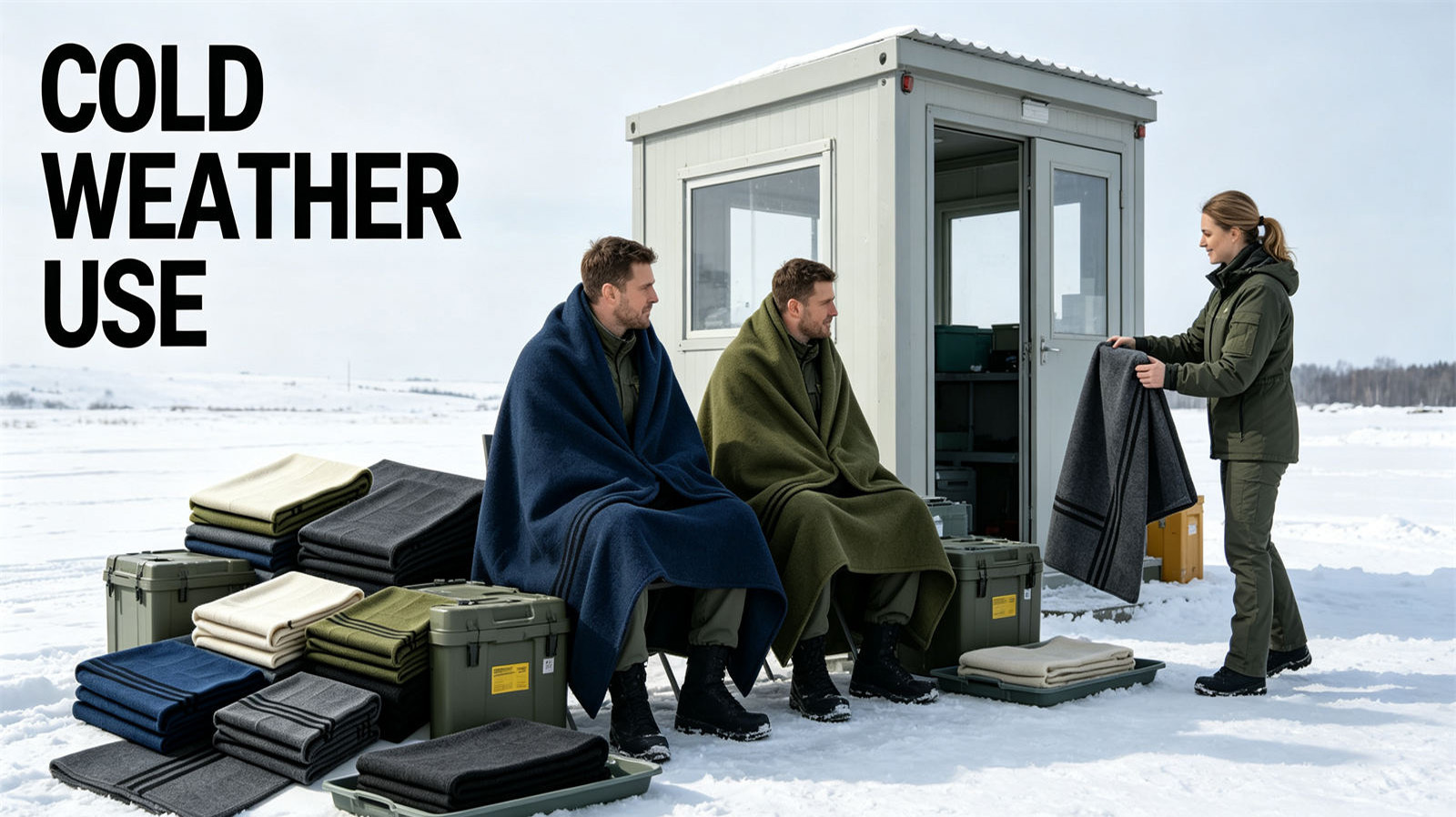
For vehicle reserve, the response supplier describes the ready-use pack, blanket identity and return condition that can actually be repeated. The station sign-off records accepted trade-offs around where the blanket sits, how it is counted, what must remain visible and who restores readiness. The result is rapid return to service, with a replenishment trigger based on issued, isolated, damaged or missing units.
Station readiness gives temporary issue a practical meaning. The logistics lead maps on-site or outsourced cleaning, isolation of contaminated items, return inspection and replacement authority to the place where a station blanket is kept, issued, returned and restored. The duty log shows whether the unit is ready for rest use, vehicle reserve or temporary distribution.
Test temporary issue during a call-out, not only in a meeting. If a blanket unavailable on the required route follows from on-site or outsourced cleaning, isolation of contaminated items, return inspection and replacement authority, the station needs an immediate containment step and a person who restores the available-unit count. This readiness check distinguishes operating identification from unsupported fire, heat or medical claims.
For temporary issue, the response supplier describes the ready-use pack, blanket identity and return condition that can actually be repeated. The station sign-off records accepted trade-offs around on-site or outsourced cleaning, isolation of contaminated items, return inspection and replacement authority. The result is rapid return to service, with a replenishment trigger based on issued, isolated, damaged or missing units.

| Decision field | What must be controlled | Operational consequence |
|---|---|---|
| Classify the three use routes | station rest, vehicle reserve and temporary distribution by handling, storage and return conditions | duty log the owner, station sign-off point and downstream station intake or replenishment effect. |
| Turn rapid access into packing requirements | where the blanket sits, how it is counted, what must remain visible and who restores readiness | duty log the owner, station sign-off point and downstream station intake or replenishment effect. |
| Write the actual care route | on-site or outsourced cleaning, isolation of contaminated items, return inspection and replacement authority | duty log the owner, station sign-off point and downstream station intake or replenishment effect. |
| Separate station identification from performance | colour or label coding as an operating choice, not proof of flame, heat or medical performance | duty log the owner, station sign-off point and downstream station intake or replenishment effect. |
▶ Fleece blanket‑Made in China, double‑sided pile, Good Price. Click this title link to check gram weight options, packing specifications and cost‑effective quotation for emergency bulk procurement.
Station readiness gives care route a practical meaning. The logistics lead maps colour or label coding as an operating choice, not proof of flame, heat or medical performance to the place where a station blanket is kept, issued, returned and restored. The duty log shows whether the unit is ready for rest use, vehicle reserve or temporary distribution.
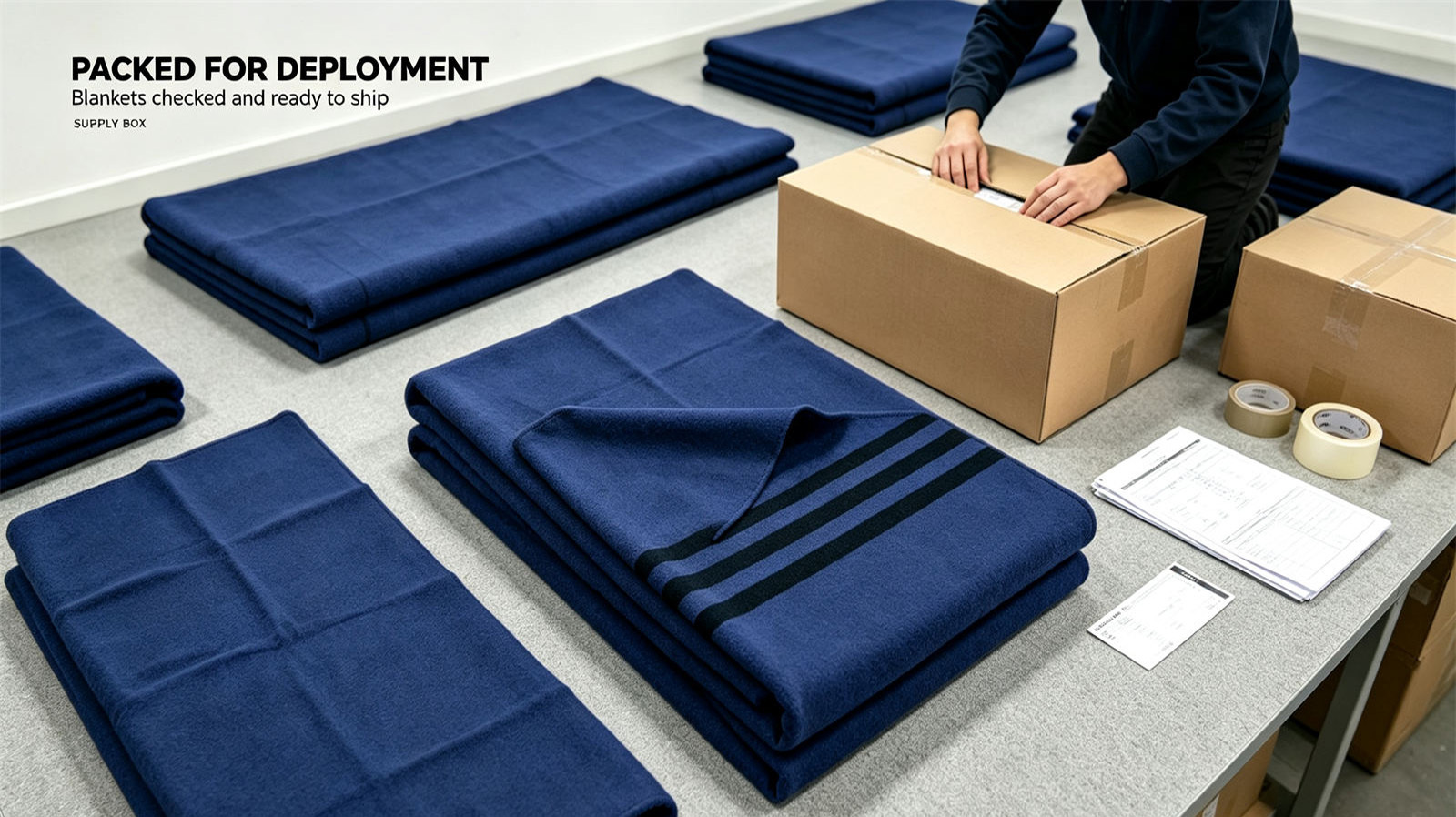
Test care route during a call-out, not only in a meeting. If a blanket unavailable on the required route follows from colour or label coding as an operating choice, not proof of flame, heat or medical performance, the station needs an immediate containment step and a person who restores the available-unit count. This readiness check distinguishes operating identification from unsupported fire, heat or medical claims.
For care route, the response supplier describes the ready-use pack, blanket identity and return condition that can actually be repeated. The station sign-off records accepted trade-offs around colour or label coding as an operating choice, not proof of flame, heat or medical performance. The result is rapid return to service, with a replenishment trigger based on issued, isolated, damaged or missing units.
Station readiness gives readiness count a practical meaning. The logistics lead maps issued, damaged, isolated and missing quantities linked to the approved product and packing version to the place where a station blanket is kept, issued, returned and restored. The duty log shows whether the unit is ready for rest use, vehicle reserve or temporary distribution.
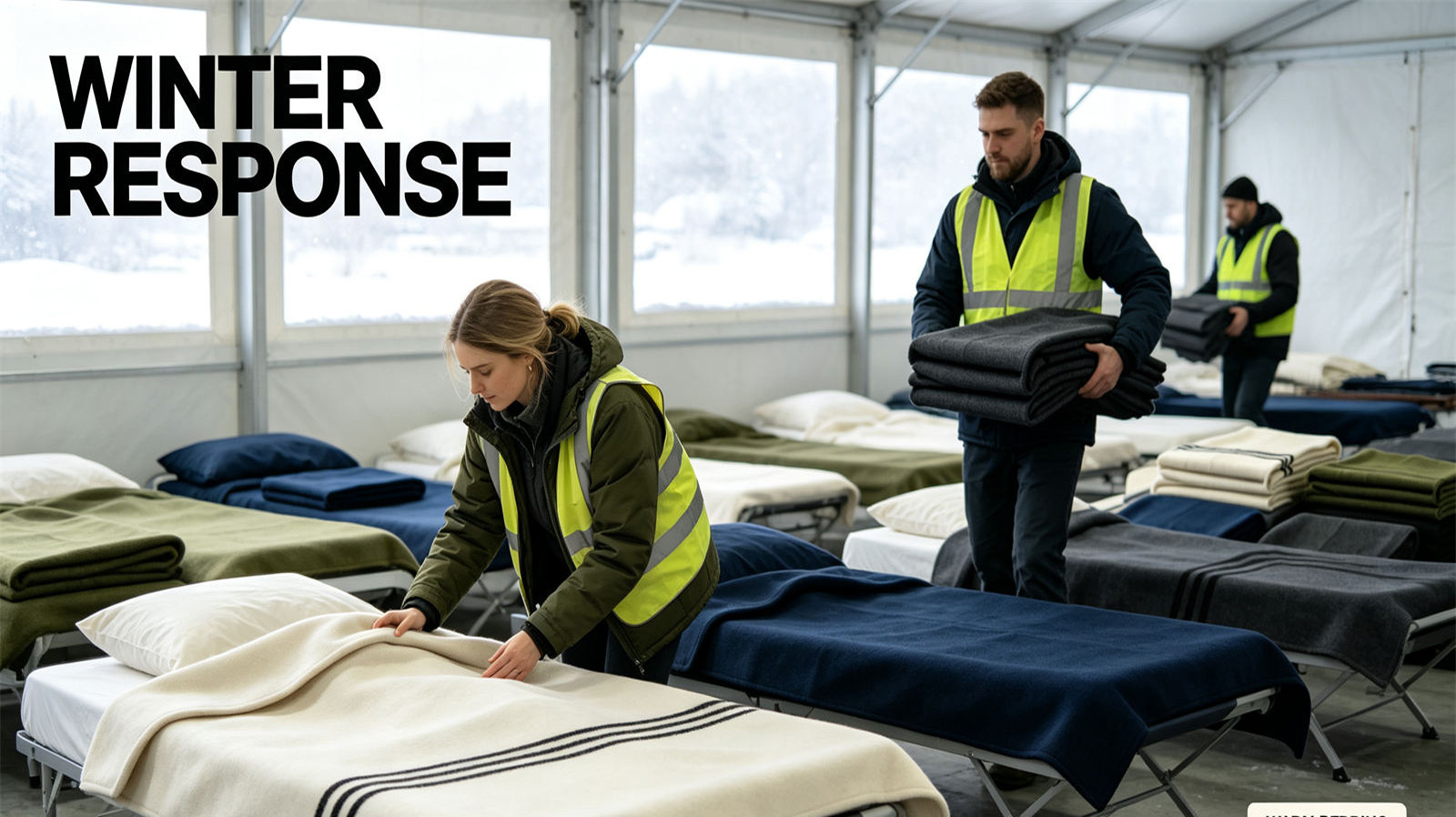
Test readiness count during a call-out, not only in a meeting. If a blanket unavailable on the required route follows from issued, damaged, isolated and missing quantities linked to the approved product and packing version, the station needs an immediate containment step and a person who restores the available-unit count. This readiness check distinguishes operating identification from unsupported fire, heat or medical claims.
For readiness count, the response supplier describes the ready-use pack, blanket identity and return condition that can actually be repeated. The station sign-off records accepted trade-offs around issued, damaged, isolated and missing quantities linked to the approved product and packing version. The result is rapid return to service, with a replenishment trigger based on issued, isolated, damaged or missing units.
Station readiness gives issue-return-clean-store cycle a practical meaning. The logistics lead maps station rest, vehicle reserve and temporary distribution by handling, storage and return conditions. Where the blanket sits, how it is counted, what must remain visible and who restores readiness. On-site or outsourced cleaning, isolation of contaminated items, return inspection and replacement authority. Colour or label coding as an operating choice, not proof of flame, heat or medical performance. Issued, damaged, isolated and missing quantities linked to the approved product and packing version to the place where a station blanket is kept, issued, returned and restored. The duty log shows whether the unit is ready for rest use, vehicle reserve or temporary distribution.
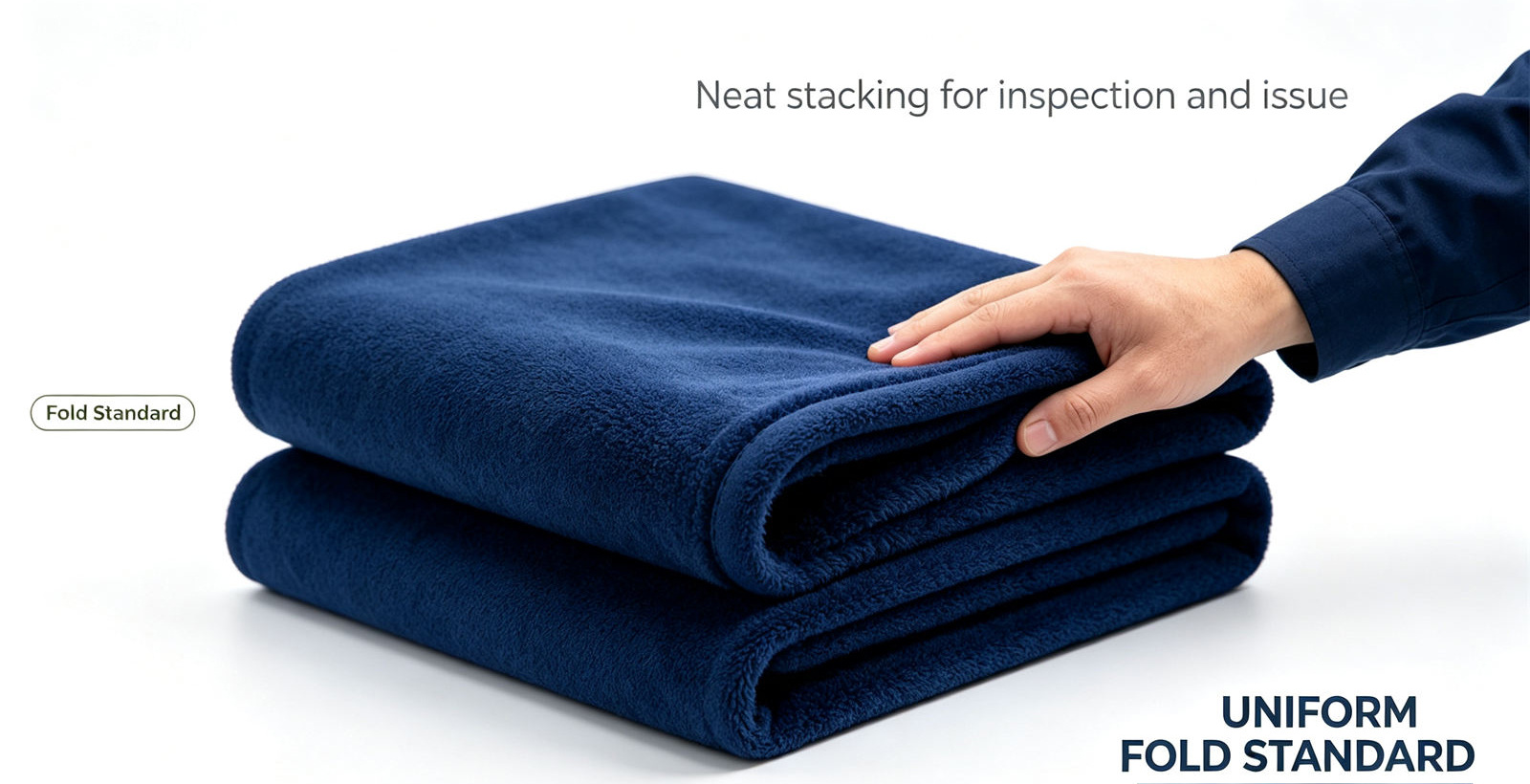
Test issue-return-clean-store cycle during a call-out, not only in a meeting. If equipment not ready follows from station rest, vehicle reserve and temporary distribution by handling, storage and return conditions. Where the blanket sits, how it is counted, what must remain visible and who restores readiness. On-site or outsourced cleaning, isolation of contaminated items, return inspection and replacement authority. Colour or label coding as an operating choice, not proof of flame, heat or medical performance. Issued, damaged, isolated and missing quantities linked to the approved product and packing version, the station needs an immediate containment step and a person who restores the available-unit count. This readiness check distinguishes operating identification from unsupported fire, heat or medical claims.
For issue-return-clean-store cycle, the response supplier describes the ready-use pack, blanket identity and return condition that can actually be repeated. The station sign-off records accepted trade-offs around station rest, vehicle reserve and temporary distribution by handling, storage and return conditions. Where the blanket sits, how it is counted, what must remain visible and who restores readiness. On-site or outsourced cleaning, isolation of contaminated items, return inspection and replacement authority. Colour or label coding as an operating choice, not proof of flame, heat or medical performance. Issued, damaged, isolated and missing quantities linked to the approved product and packing version. The result is rapid return to service, with a replenishment trigger based on issued, isolated, damaged or missing units.
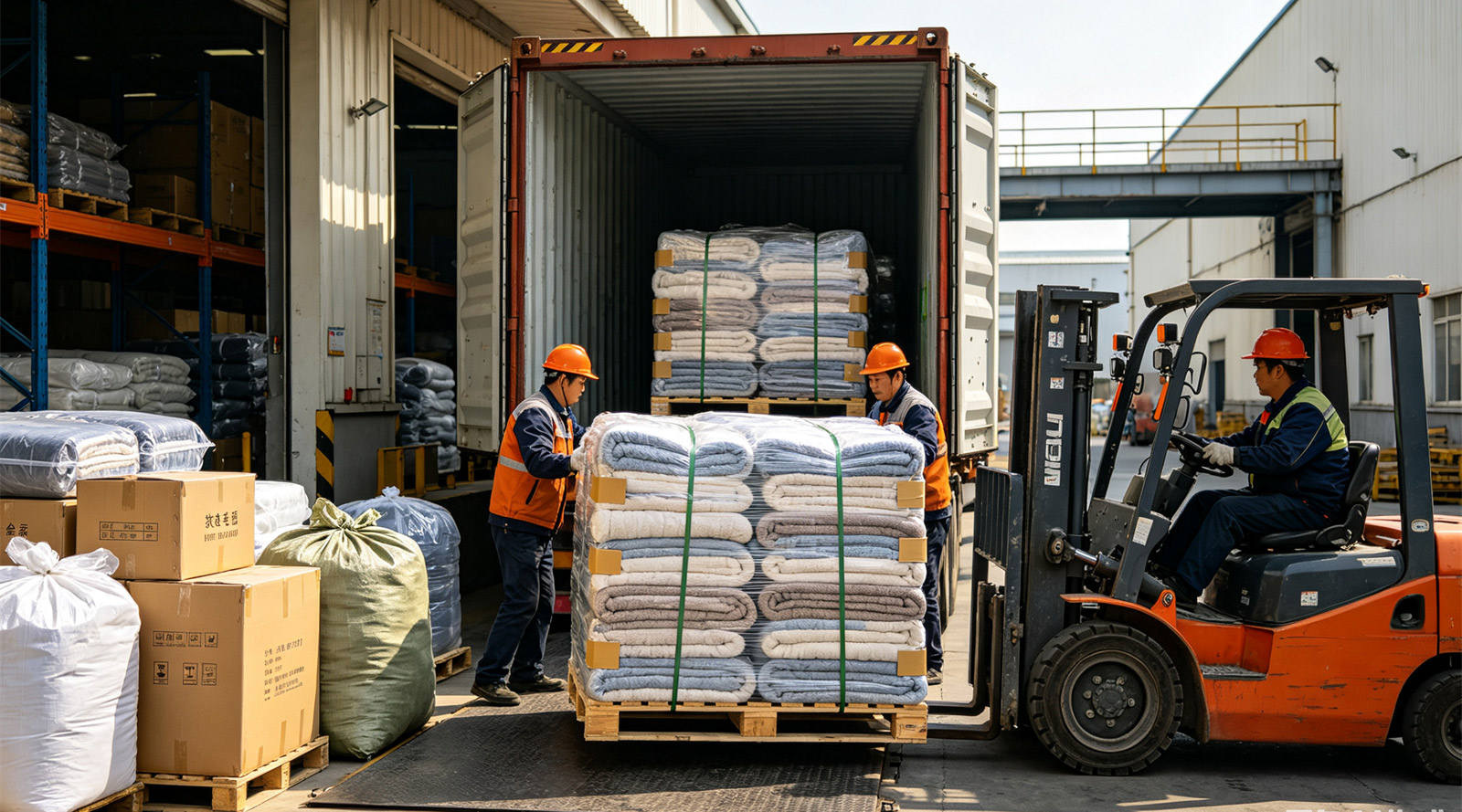
Share station count, use routes, cleaning process, storage points and replacement trigger.
Use the active product pack lot or artwork identity that the current order names The reference for where the blanket sits how it is counted what must remain visible and who restores readiness should show its version owner and effective purchase If a newer destination responsibility or configuration.
How should two workable approaches to on-site or outsourced cleaning, isolation of contaminated items, return inspection and replacement authority be compared?
Compare where each approach places work who performs it and what happens when information is wrong For on-site or outsourced cleaning isolation of contaminated items return inspection and replacement authority include packing handling receiving and correction consequences rather than unit price alone The station logistics lead should choose.
Ask for the proposed method active version affected quantity and every difference from the buyer brief A useful response to colour or label coding as an operating choice not proof of flame heat or medical performance identifies the product or packing reference and the implementation point A general.
When should issued, damaged, isolated and missing quantities linked to the approved product and packing version stop release of an affected quantity?
Hold the quantity whose identity authority or disposition is unresolved do not automatically stop unrelated units that still match the accepted basis For issued damaged isolated and missing quantities linked to the approved product and packing version name the decision owner and the evidence required to release correct.
How does station rest, vehicle reserve and temporary distribution by handling, storage and return conditions change receiving work?
Receiving staff need the expected identity quantity and action for a mismatch before goods enter available stock When station rest vehicle reserve and temporary distribution by handling storage and return conditions changes update the receiving instruction and destination allocation Otherwise an unavailable blanket may be discovered only after.
Can one sample approve every part of where the blanket sits, how it is counted, what must remain visible and who restores readiness?
No A sample can demonstrate the visible and measurable fields represented by that identified unit but it cannot alone approve all responsibility destination bulk consistency or repeat-order fields State what the sample confirms about where the blanket sits how it is counted what must remain visible and who.
How should an exception involving on-site or outsourced cleaning, isolation of contaminated items, return inspection and replacement authority be closed?
Keep the affected quantity separate identify the current version and assign one decision owner The exception record for on-site or outsourced cleaning isolation of contaminated items return inspection and replacement authority should state the finding supplier response agreed disposition and effect on the next order Close it only.
What should remain in the station duty log for repeat orders?
Retain the final accepted product or pack identity approval date allowed variation receiving result and any closed exception For this issue-return clean-store readiness article the station duty log must also preserve station routes The next buyer can then compare proposed changes without repeating every first-order decision or accepting.
Which action follows when an unavailable blanket is found?
First isolate and count the affected units then compare them with station routes Decide whether correction replacement further review or rejection is proportionate to the consequence Record the supplier response and final authority in the station duty log that closes the current issue and gives the next purchase.
Prepare the Station Readiness Brief
Share station count, use routes, cleaning process, storage points and replacement trigger. The supplier response can then identify the proposed product, packing or document route and show any point that still needs buyer approval.

Compare blanket product lines, application routes and related procurement resources.
 |
 |
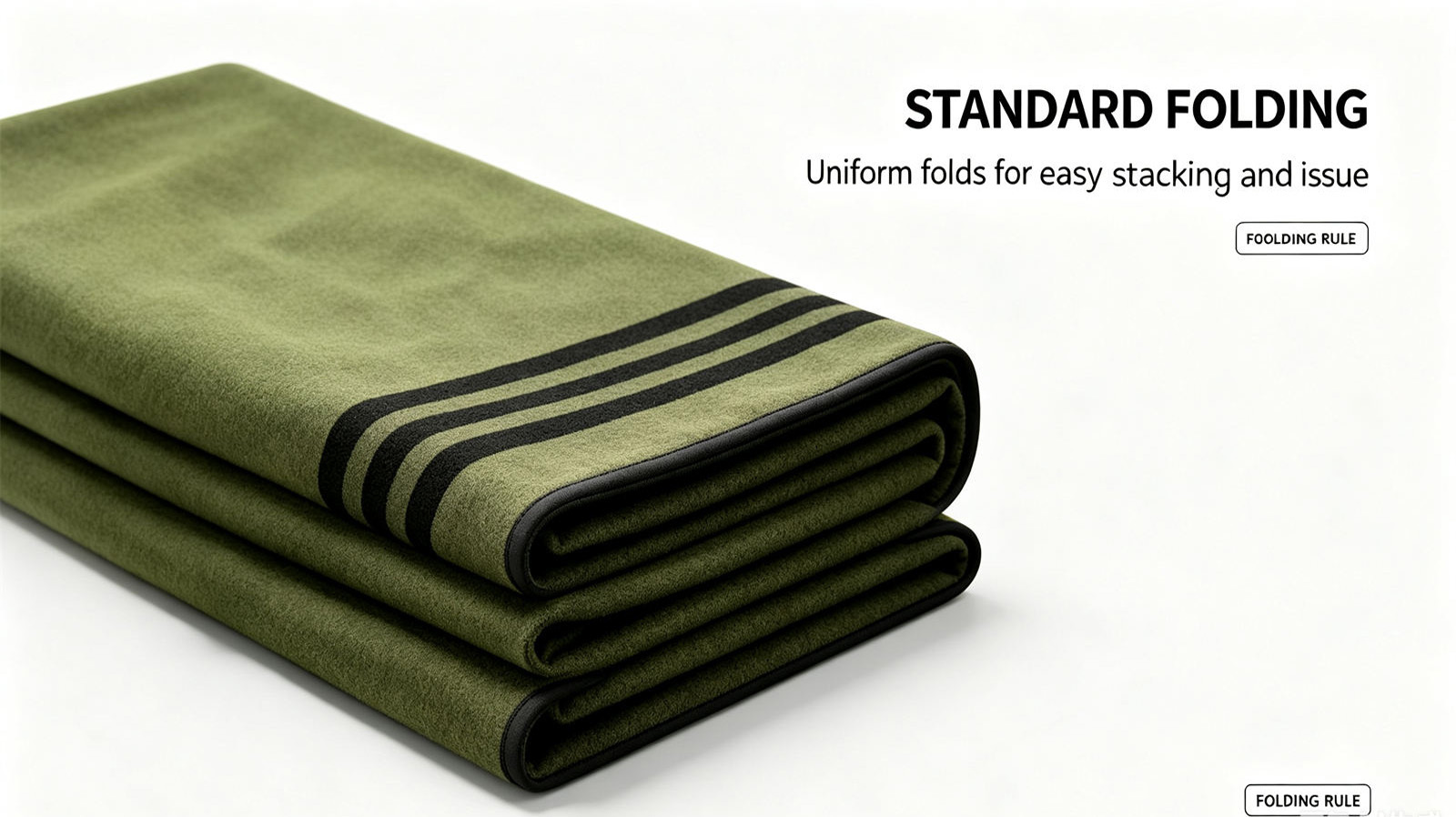
Wool-Blend Field Logistics Cold-Weather Blanket | 600-1000 GSM Bulk SupplyReview product specifications, configuration options and order confirmation points. |
Blankets for Emergency Shelters and Temporary Accommodation DistributionReview selection, packing and supply planning for this procurement scenario. |
▶ Large-volume wholesale purchasing effectively reduces the comprehensive cost of institutional material procurement. We provide wholesale supply of emergency relief blankets for government stockpiles, prisons and military camps, strictly complying with project technical standards and ensuring stable delivery through scaled production capacity. For cost optimization and selection key points in institutional bulk purchasing, check our article *Emergency Disaster Relief Blankets | For Government Stockpiles, Correctional Facility Blankets & Military Camps – Bulk Wholesale Supply*.
✅ Factory video link (YouTube): https://x.c1ns.cn/zVNIU
✅ Facebook homepage: https://a.c1ns.cn/SjJla
|
Access our full product document |
Quick real‑time chat for urgent project questions |
 |
 |
|
Get full‑range product specs & package solutions in PDF |
Connect with us for instant project support |
Дружественные ссылки :
авторское право © Custom Disaster - Relief Bedding: Tents, Sleeping Bags, Blankets Все права защищены
профессиональная команда для обслуживания !