Категории
Last updated: November 6, 2026 · Flood emergency kit
Floods are the most common natural disaster in the United States, and a flood emergency kit is the difference between a fast response and a delayed one.
Every year thousands of families lose their homes to floodwater, so relief organizations need bulk flood supplies ready before the water rises.
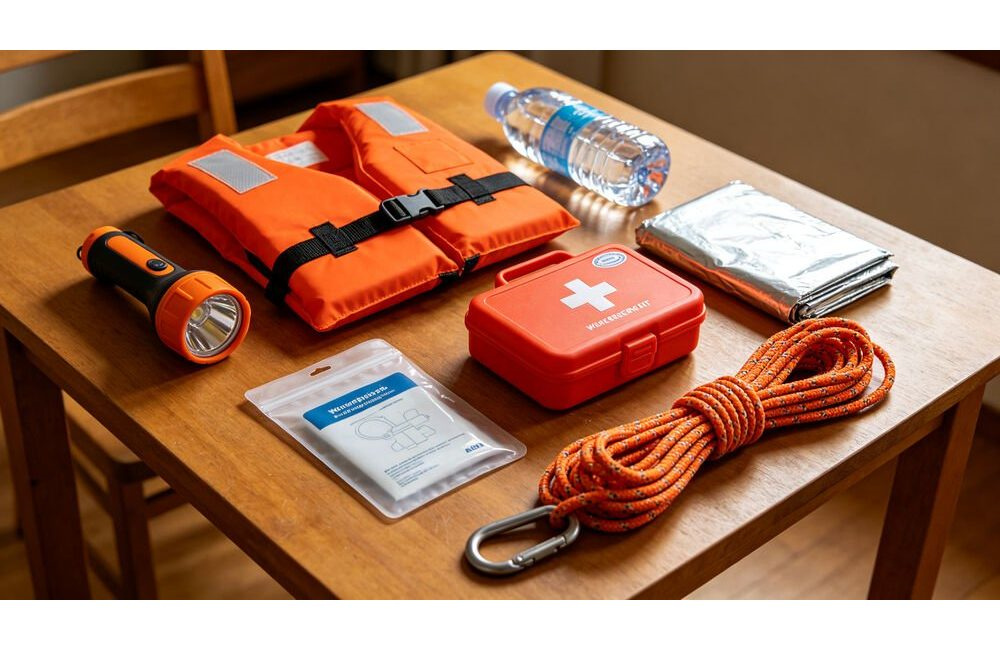
A complete flood emergency kit laid out for bulk water rescue operations
Table of Contents
1. Why Flood Preparedness Matters
2. Know Your Flood Risk
3. Flood Emergency Kit Essentials
4. Water and Purification
5. Life Jackets and Water Rescue Gear
6. Shelter, Tents and Dry Storage
7. Food, Hygiene and PPE
8. During a Flood: What to Do
9. Post-Flood Recovery
10. Procurement and Budget
11. FAQ
Flash floods can turn a quiet mountain road into a raging river in minutes—no warning, no time to prepare. A basic kit by your door changes everything: when disaster hits, you grab water, light, first aid and safety gear and go.
When rescue teams reach families fast, lives get saved and the kit is already in hand.
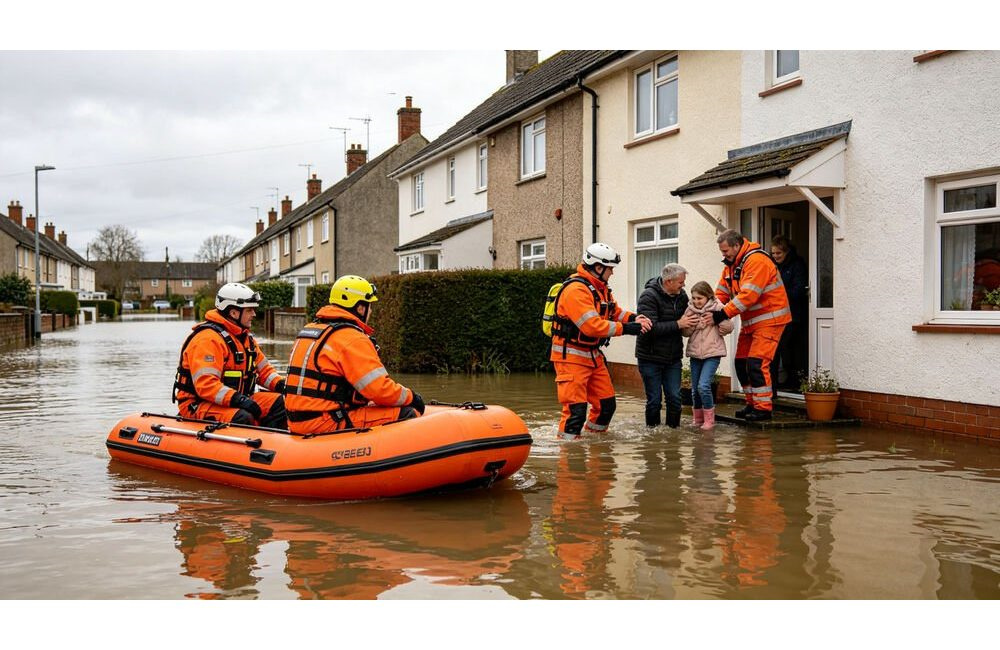
Rescue workers deploy a flood emergency kit during a flash flood rescue
For rescue work, gear has to hold up in wet, muddy, chaotic conditions. safety-certified life jackets, waterproof boots and sealed food are the backbone of any response plan response operations.
The first 72 hours after a flood are the hardest—families need clean water, dry shelter and hot meals from the kit.
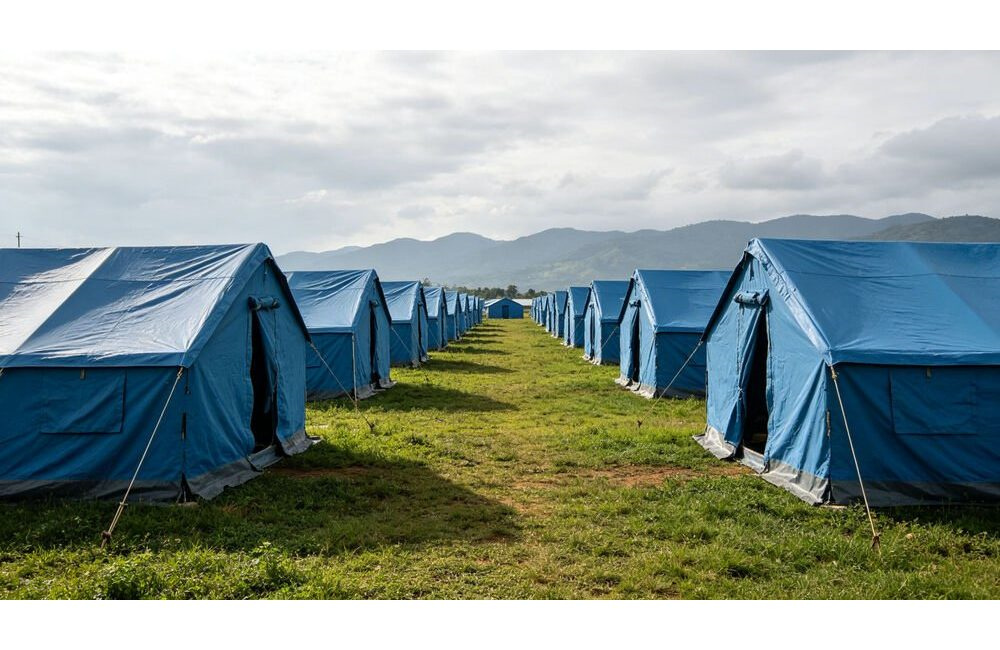
Relief camp shelter supplies from a bulk flood emergency kit
There is a big difference between what a household needs and what an organization needs. A family kit covers one home; bulk flood supplies serve entire communities.
The NOAA reports floods cause an average of eight billion dollars in damage annually, and more people die from flooding than from any other weather hazard.
This guide follows official American Red Cross preparedness guidance, combined with bulk procurement experience for relief organizations. Whether you protect your family or plan to help your community, flood preparedness starts with the right kit and a clear plan for water rescue supplies.
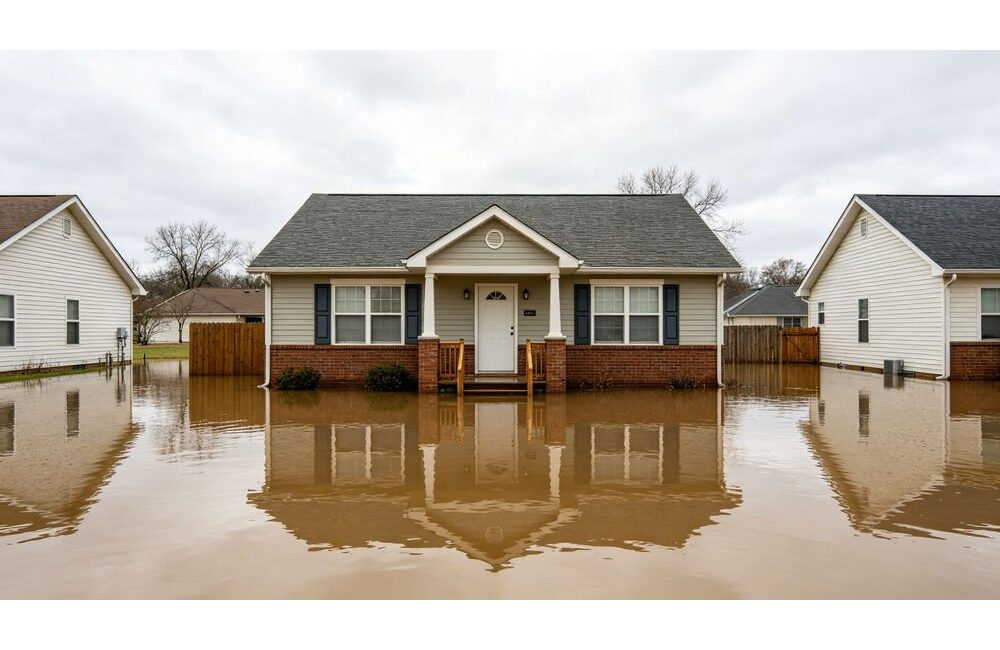
Flood damage drives demand for a prepared flood emergency kit
Floods are more than just water on the ground. A flood emergency kit is built around that reality. They destroy homes, contaminate drinking water and spread disease faster than most other disasters.
Floods cut off roads and power. For families, that means being stuck in a dark house without clean water for days. For relief organizations, it means moving bulk flood supplies into affected areas fast.
Climate change is making floods worse. Sea level rise makes storm surges higher, and heavy rain events are more frequent. Even a few feet of floodwater can completely destroy the first floor of a home.
People who prepare ahead get through disasters faster and recover sooner, according to published preparedness studies.
Industry data shows that relief organizations that pre-position bulk flood supplies before flood season typically respond days faster than those that order after the event. The same supplies that save lives during the flood—water, life jackets, shelter, food—protect cleanup crews and displaced families during recovery.
That is what a complete flood relief supplies plan contains.
Flood preparedness is also about communication. A flood emergency kit protects you physically, but a flood plan protects you organizationally: an emergency contact list, a meeting point, and a way to check on neighbors who live alone.
Families that agree on these details before the storm feel calmer and act faster when the warning comes.
Older adults, people with limited mobility and families in basement apartments face the highest risk when water rises. Serve mixed communities with supplies that include extra water for children, hygiene items for shelters and life jackets in children sizes.
Response speed depends on pre-positioned bulk flood supplies, not on improvisation.
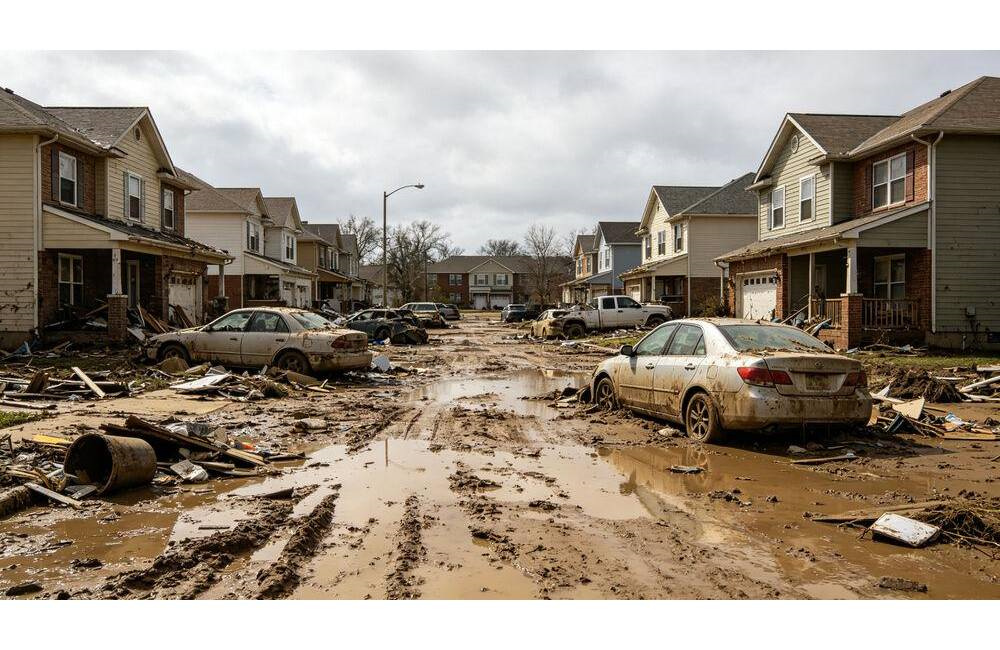
Aftermath scenes show why recovery supplies belong in every flood emergency kit
Before you prepare your home or your emergency kit, you need to know what type of flooding you are most likely to face. There are five main types of floods that relief organizations typically respond to, and each one has different supply needs.
Match the flood emergency kit contents to the floods your area actually gets.
Flash floods are sudden and violent, happening within 6 hours of heavy rainfall. They can occur in normally dry areas and are the deadliest type. For relief teams, flash floods mean rapid deployment of items such as life jackets, throw ropes and rescue boats.
Flash flood responses favor speed over volume. Stage water rescue supplies at multiple points, keep life jackets in every vehicle and store a compact kit near exits. When minutes count, gear that is already staged beats gear that is still in a warehouse.
River floods happen when rivers overflow their banks because of sustained rain or snowmelt. They develop over days and can submerge entire towns for weeks.
River floods call for a kit with larger quantities of shelter, water and food, because displacement lasts longer than in flash flood events.
River flood planning starts with gauge levels and forecasts. When a river is projected to crest, relief teams open shelters, pre-position bulk flood supplies at high ground and start door-to-door notices for low-lying neighborhoods.
The extra warning time is a gift—use it to confirm the kit is complete before roads close.
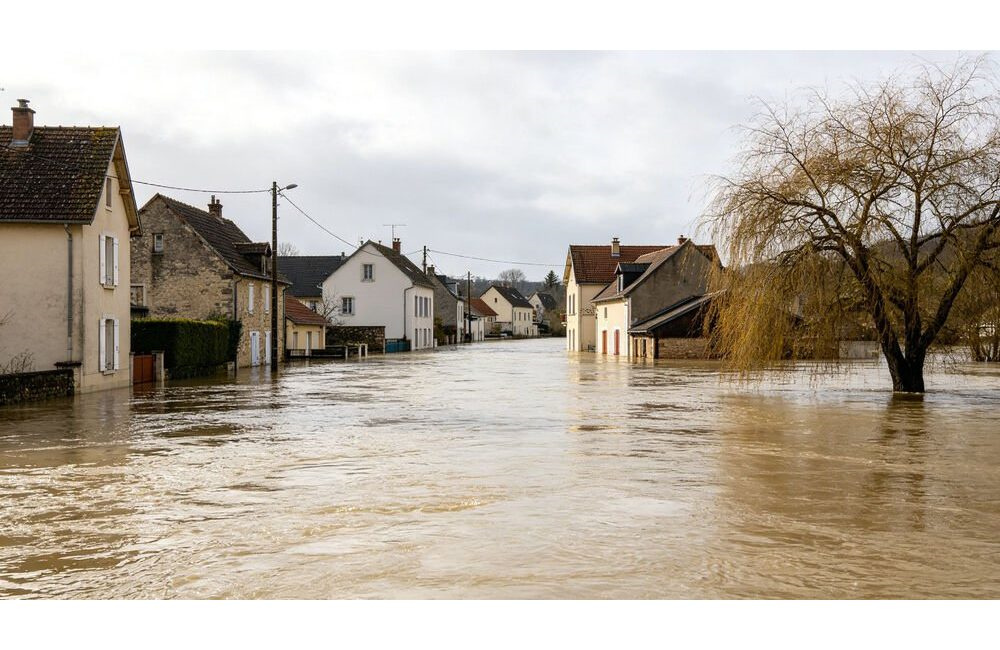
Rising river water around a small town demonstrating the scale of flood emergency operations
Storm surge is a rise in seawater level during hurricanes and tropical storms, and it demands a waterproof kit. It can push seawater miles inland and sweep away roads and buildings in coastal areas. Coastal relief teams need waterproof PPE, radios and sealed supply containers.
Saltwater corrodes faster than freshwater, so coastal kit gear should be rated for marine conditions. Waterproof dry bags, corrosion-resistant flashlights and sealed ration packs keep the kit usable after repeated exposure. Coastal teams also add evacuation boats and throw bags to their water rescue supplies.
Urban flooding happens when city stormwater systems get overwhelmed. Paved surfaces prevent water from draining, so streets flood quickly. Urban responses need sandbags, pumps and portable lighting in addition to the standard kit.
Urban flooding often arrives with little warning because drainage systems fail in minutes. Basement apartments are the highest risk, so relief organizations serving cities should stage a kit at community centers and fire stations near flood-prone blocks.
Portable pumps and wet-vacuum units extend a standard kit into the equipment city crews need.
When dams or levees break, the sudden release of water can cause catastrophic flooding downstream with very little warning, so downstream communities must keep a kit ready year-round. These events need large-scale evacuation support, bulk shelter supplies and water rescue supplies.
Dam failure planning is regional: communities below a dam should coordinate with the dam operator on warning systems and evacuation routes. A plan for this scenario emphasizes shelter, water and life jackets in evacuation centers, because residents often leave with nothing.
Regional differences matter more than most buyers expect. A coastal organization preparing for storm surge needs waterproof radios and sealed containers; an inland organization facing river floods needs more shelter and bulk water; a mountain community dealing with flash floods needs quick-deploy life jackets staged at multiple points.
Experienced relief organizations follow a simple preparation timeline. Two to three months before flood season, they confirm kit contents and order bulk flood supplies. One month before, they train volunteers on water safety and PFD use.
Two weeks before, they pre-position supplies at distribution points closest to high-risk neighborhoods.
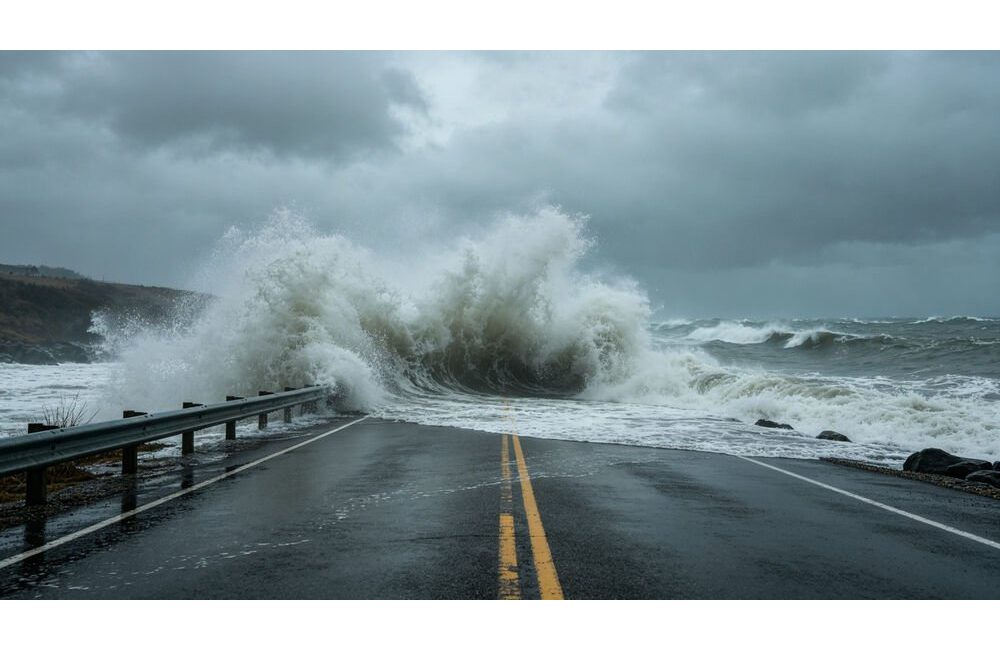
Coastal storm surge flooding a shoreline street where waterproof gear becomes essential
Now that you know the types of floods, let us talk about what you actually need in your flood emergency kit. For families, a basic emergency preparedness kit is enough.
For relief organizations, you need to scale up: more water, more shelter, more life jackets. Table 1 compares the two.
Every kit is built on six pillars: water, life jackets, shelter, food, PPE and first aid. Keep people dry, hydrated and safe—that is the whole job. When you plan a bulk order, each pillar needs its own quantity line and its own restock date.
Most relief organizations find that their kit grows in the same pattern every year: they start with water and first aid, add life jackets after their first water rescue, then add tents and rations when they run a shelter.
Planning the full kit up front costs less than buying piece by piece under pressure.
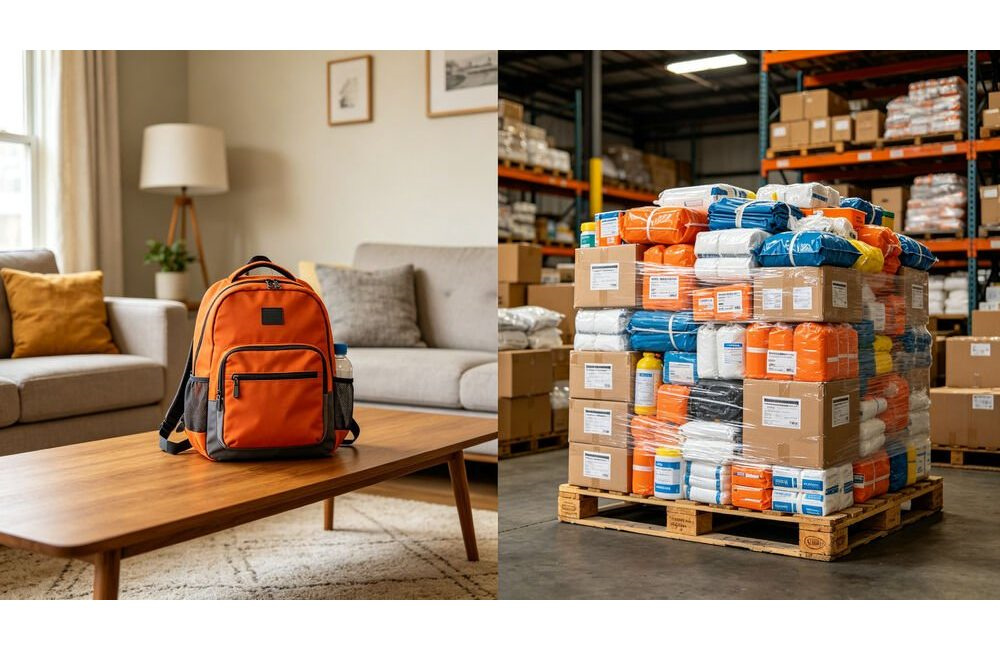
Side-by-side comparison showing bulk relief supplies versus consumer emergency products
|
Category |
Family Kit (4 people) |
Relief Kit (100 people) |
|
Water |
12 gallons bottled water |
1,200 gallons or purification system |
|
Life jackets |
4 PFDs |
120 approved PFDs |
|
Shelter |
2 waterproof blankets |
10 relief tents (10-person) |
|
Food |
3-day emergency rations |
300 person-day rations |
|
PPE |
1 pair rubber boots + gloves |
100 sets rubber boots + waterproof gloves |
|
First aid |
1 waterproof kit |
20 waterproof kits |
This comparison anchors family versus relief quantities; scale the relief column to your actual headcount, then add the 20 percent team buffer so responders are never short when the water rises.
Item
Family Flood Emergency Kit (4 people)
Relief Flood Emergency Kit (100 people)
Water
12 gallons bottled water
1,200 gallons or purification system
Life jackets
4 PFDs
120 approved PFDs
Shelter
2 waterproof blankets
10 relief tents (10-person)
Food
3-day emergency rations
300 person-day rations
PPE
1 pair rubber boots + gloves
100 sets rubber boots + waterproof gloves
First aid
1 waterproof kit
20 waterproof kits
Bulk flood supplies planning starts with this comparison: families and relief teams need the same six categories, but the difference is scale, packaging and lead time. A family kit can be assembled in an afternoon, while a relief order has to be quoted, produced and shipped weeks ahead.
Treat the relief column as the default specification.
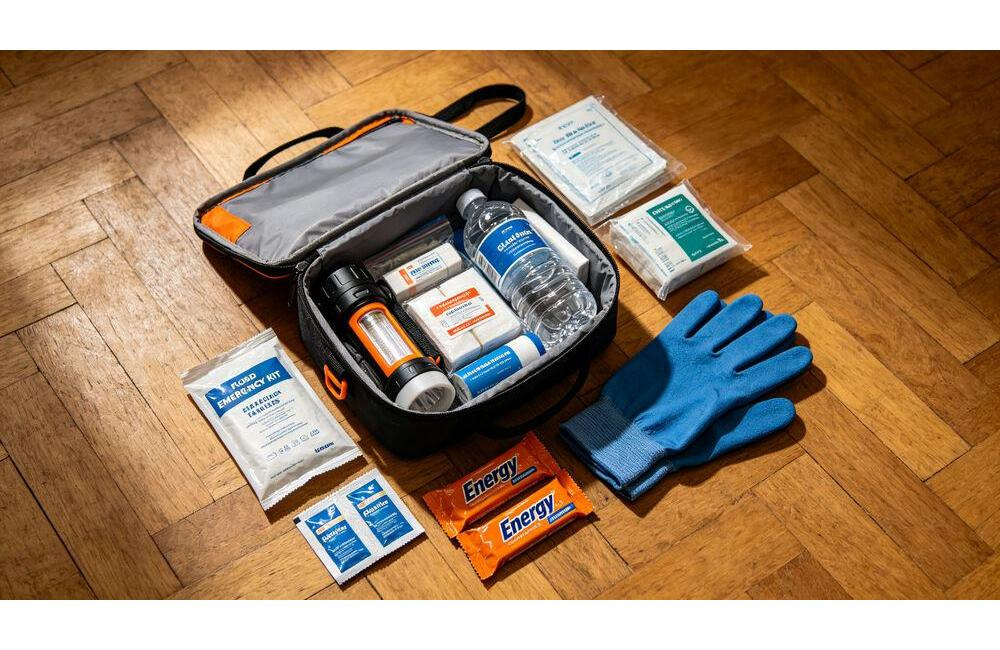
Open flood emergency kit contents including water bottles, first aid and rescue tools
|
Supply |
Quantity for 100 People |
Buffer (20%) |
|
Bottled water (48h) |
4,800 bottles |
960 bottles |
|
Water purification tablets |
2,000 tablets |
400 tablets |
|
approved PFDs |
120 |
24 |
|
Relief tents (10-person) |
10 |
2 |
These figures already include a 20 percent buffer; adjust them for forecast duration and volunteer ratio, and order purification tablets well before bottled water because supply shelves empty first in a flood watch.
|
Item |
Quantity for 100 People |
Buffer (20%) |
|
Bottled water (48h) |
4,800 bottles |
960 bottles |
|
Water purification tablets |
2,000 tablets |
400 tablets |
|
approved PFDs |
120 |
24 |
|
Relief tents (10-person) |
10 |
2 |
|
Emergency food rations |
300 person-days |
60 person-days |
This quantity table is your ordering floor, not the ceiling: it covers a 48-hour window for 100 people. Operations that run longer should double the water and food lines and set resupply points every 48 hours.
Keep 20 percent as buffer stock for the first wave, and adjust the water line upward for hot climates.
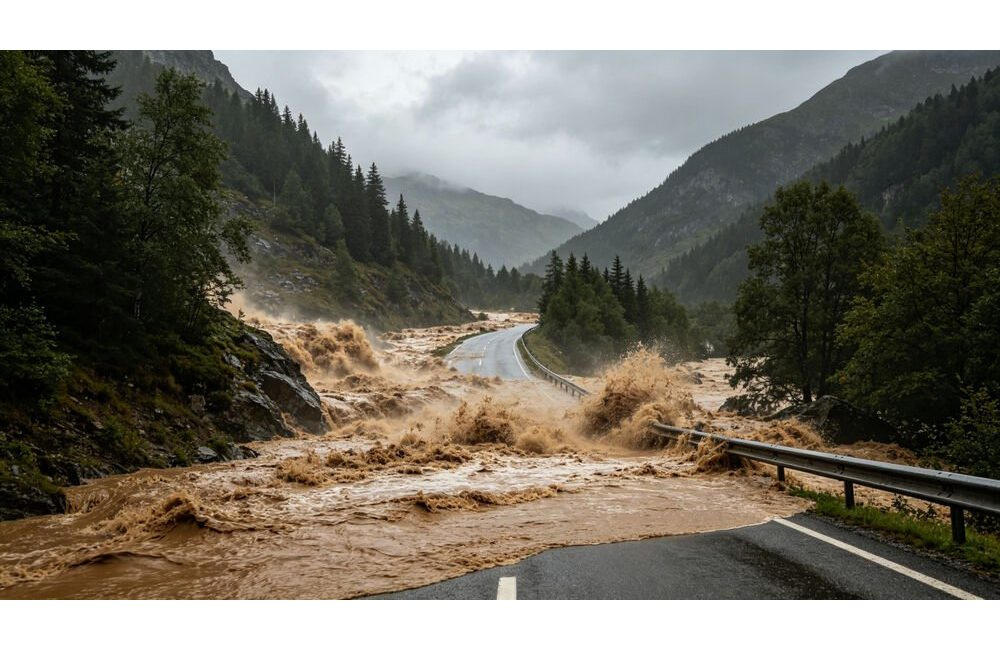
Fast-moving mountain flood water showing why rescue gear must be portable and quick to deploy
Clean water is the most important thing after a flood, and it is the first line of a flood emergency kit. Floodwater is contaminated with sewage, chemicals and debris—never drink it, no matter how clear it looks.
According to the Red Cross, the standard is 1 gallon of water per person per day.
The standard for a kit is 1 gallon of water per person per day, plus extra for washing. Stock bottled water for the first 48 hours and purification tablets for the rest.
For a 100-person response covering 3 days, that is 300 gallons of water in your bulk flood supplies.
Bulk buying tip: one-gallon jugs are easier to carry and distribute than cases of small bottles, and they double as washing water. Store bottled water away from direct sunlight and heat, check expiration dates every year and rotate stock before flood season.
Purification tablets have a 5-year shelf life and are the lightest way to extend a kit, so keep them in every kit even when bottled water is plentiful. Add a gravity water filter for camp-scale purification and collapsible storage containers for water rescue supplies.
Floodwater can also enter your own warehouse. Keep bulk flood supplies off the floor on pallets, seal everything in waterproof bins and inspect stock after any heavy rain. A kit that is stored correctly stays dry and ready when the water comes.
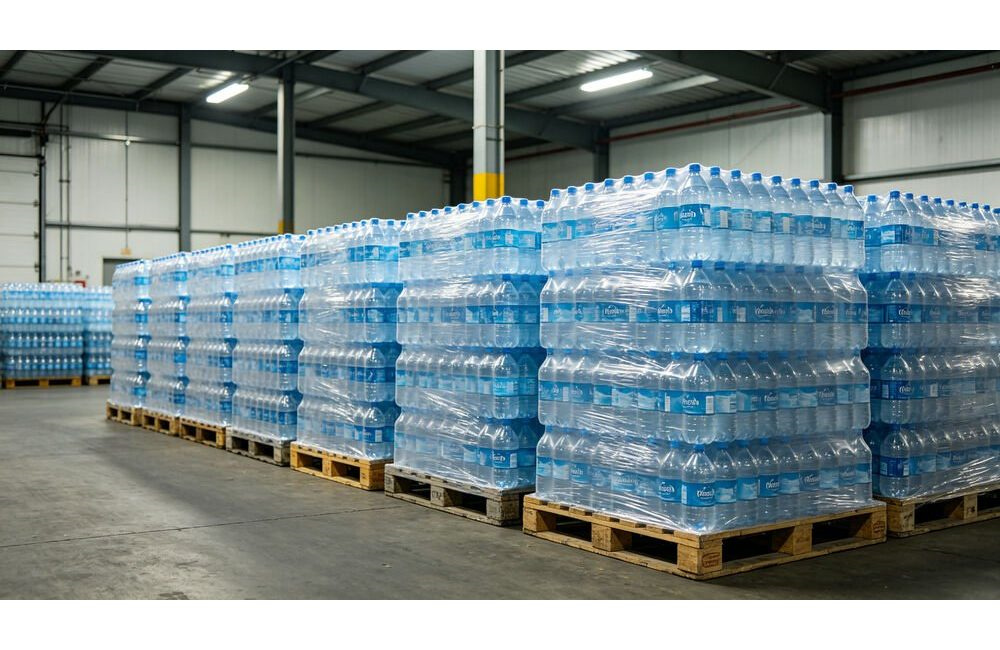
Palletized bottled water ready for distribution as part of a flood relief response
If you are doing rescue work in floodwater, pull the life jackets from the flood emergency kit first. certified life jackets in your kit are non-negotiable. Even 6 inches of moving water can knock an adult off their feet.
When buying in bulk, look for Type II or Type III PFDs—approved Type II PFDs provide 15.5 lbs of buoyancy and turn most wearers face-up automatically. Order one PFD per person served plus 20 percent extra for your own team in any kit.
For children and non-swimmers, add Type III or Type V hybrid PFDs with extra buoyancy, and always carry spare whistles and throw bags alongside the life jackets in your kit. Bulk buyers should confirm certified life jacket certification stamps are present before accepting delivery.
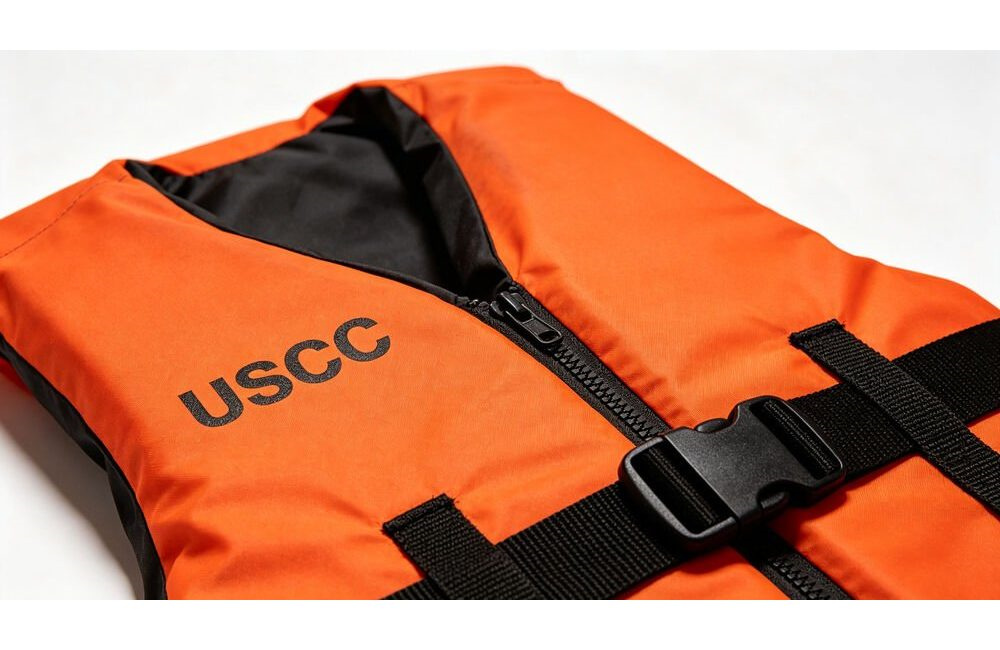
safety-certified life jacket displayed as a core component of flood rescue kits
Throw ropes, rescue rings and waterproof radios, emergency flood gear that turns flood relief supplies for groups into working camps turn a kit into a water rescue kit.
Volunteers should never enter moving water without a life jacket and a buddy. Keep rescue lines in quick-access bags on every response vehicle.
Train volunteers to check bulk flood relief gear including every PFD in the kit for wear before each deployment: torn fabric, cracked foam or broken buckles mean the jacket goes out of service. Log each check so the same jacket is not missed twice.
Equipment is only half the job. Volunteers need to know water safety, PFD use and safe distribution before flood season. Practice one full kit deployment with your team—the first setup is always the slowest, and you do not want to learn it during an emergency.
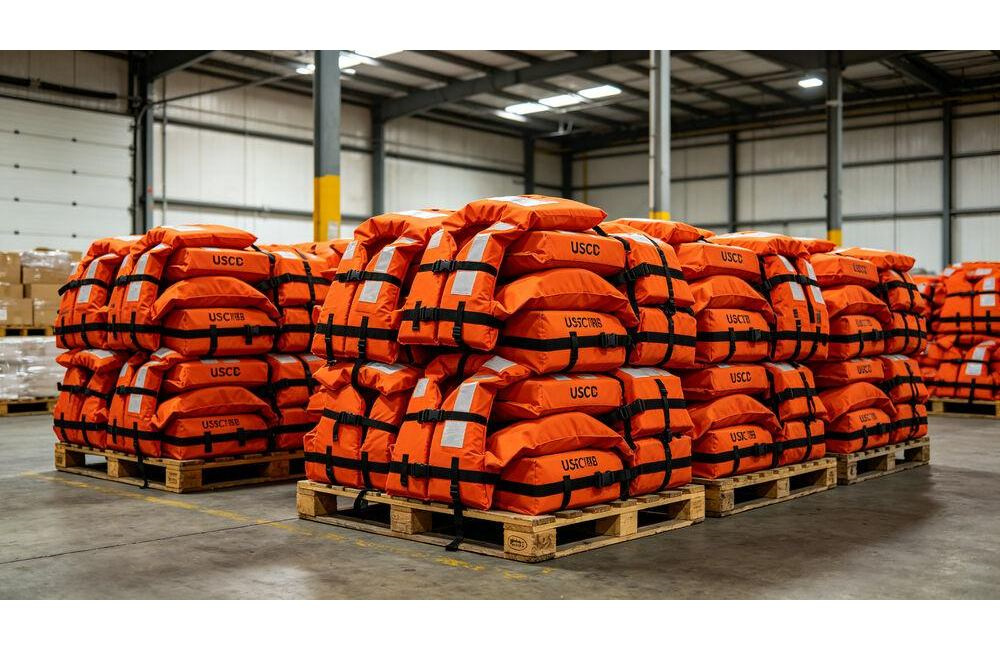
Stack of bulk life jackets ready for deployment in large-scale flood operations
After a flood, many families lose their homes and need somewhere to stay. For short-term stays, inflatable mattresses and waterproof blankets in the flood emergency kit work. For longer stays, relief tents are the shelter backbone of the kit.
When buying relief tents in bulk, look for a waterproof rating of at least 3000mm; a 20-person tent should set up in under 15 minutes with 2 people.
Place tents on the highest dry ground available, keep water and sanitation separate, and register families as they arrive.
Shelter planning is about more than tents. Add waterproof ground sheets, cots or inflatable mattresses to the shelter section, and mylar blankets to the kit so families are not sleeping on wet ground.
In warm flood regions, mosquito nets and fans matter as much as blankets.
|
Camp Area |
Minimum Setup |
Recommended |
|
Sleeping |
Tents + ground sheets |
Cots or inflatable mattresses |
|
Water |
Bottled water + tablets |
Gravity filter + storage tanks |
|
Sanitation |
Portable toilets |
Handwashing stations + soap |
Start with the minimum camp setup, then upgrade to recommended items as budget and shelter size allow; sanitation and clean water matter as much as sleeping space once families arrive.
|
Category |
Minimum Setup |
Recommended |
|
Sleeping |
Tents + ground sheets |
Cots or inflatable mattresses |
|
Water |
Bottled water + tablets |
Gravity filter + storage tanks |
|
Sanitation |
Portable toilets |
Handwashing stations + soap |
|
Lighting |
Flashlights |
Portable lighting towers |
A relief camp that runs for weeks needs more than tents. Sanitation, lighting and drainage are part of the kit camp package: handwashing stations cut disease spread, portable lighting keeps evening operations safe, and drainage trenches keep sleeping areas dry.
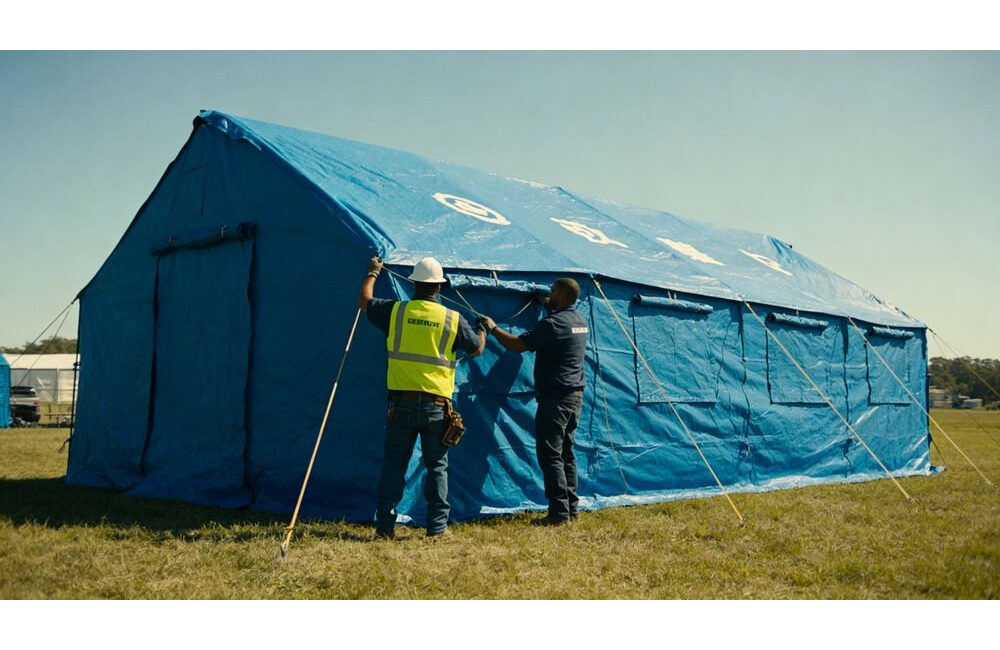
Relief tent with waterproof fabric providing shelter during flood recovery
Floods cut off roads, so grocery stores cannot restock—a flood emergency kit must carry the food and the PPE that keeps volunteers safe in contaminated water.
People need food that does not need refrigeration. When sourcing disaster relief supplies in bulk, look for emergency food with at least 2,000 calories per person per day and a 5-year shelf life. Compressed biscuits are lightweight, high-calorie and easy to distribute.
Think about preparation: families in shelters need hot water, so add portable stoves, fuel and heat-safe cups to the kit. Rice, canned vegetables and shelf-stable protein round out emergency rations and feel more like real meals than bars alone.
Floodwater is dirty and dangerous, which is why PPE is a permanent part of the kit. Rescue workers and volunteers need rubber boots, waterproof gloves and a rain suit at minimum.
When ordering PPE in bulk, order by size range so you can equip volunteers of all builds.
PPE is not just for professional rescuers—community volunteers doing door-to-door checks, sandbagging and cleanup need the same protection. Add disposable gloves, eye protection and N95 masks to every kit PPE crate for mold and debris work. Keep a visible inventory sheet on each crate.
After a flood, cuts and scrapes get infected easily because the water is dirty. Stock two types of first aid kits in your kit: small personal kits for individual volunteers and larger station kits for relief camps.
Waterproof first aid kits are essential—they will be used and stored in wet conditions.
Add hygiene items to your kit: hand sanitizer, soap, sanitary products and sealed garbage bags for contaminated clothing. After a flood, infections spread quickly in shelters, so handwashing stations and clean water are as important as bandages. Restock first aid kits after every deployment.
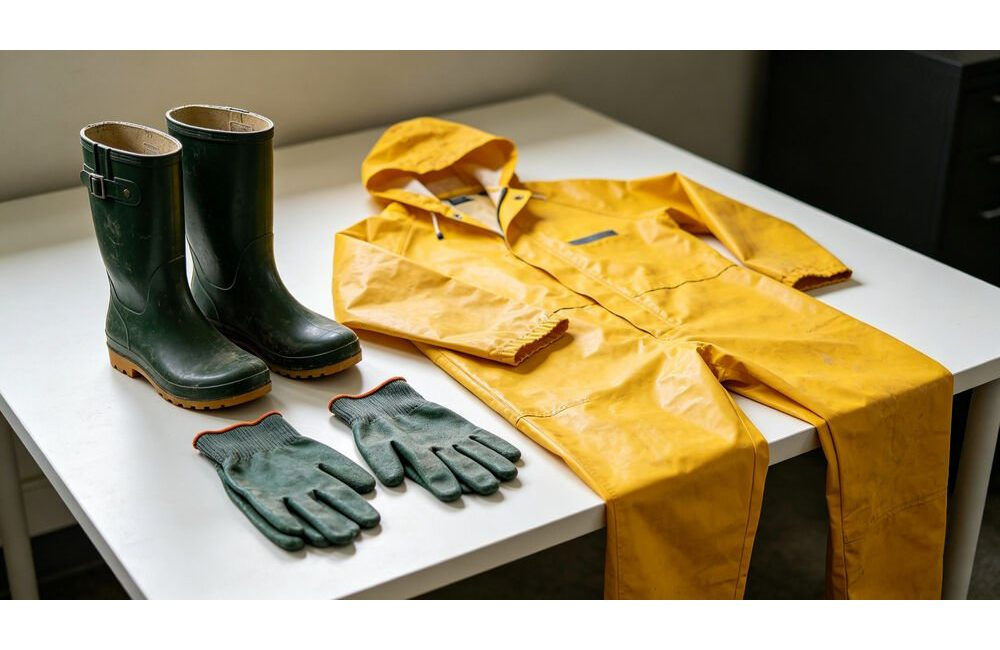
Flood PPE set including rubber boots, waterproof gloves and protective rain suit
Deploying a flood emergency kit follows the same logic as a fire drill: practice before you need it. When volunteers know exactly which crate holds the water, which van carries the tents and who signs the distribution log, setup time drops from hours to minutes.
When you hear a flood warning, act now. Fill containers with clean water, charge devices and move important items to upper floors. Relief teams should verify shelter sites are dry, generators work and bulk flood supplies are loaded for transport.
When a flood watch is issued rather than a warning, use the extra hours well. Top up fuel, charge every radio and battery, and lay out the kit where it can be grabbed in one trip.
A watch that turns into a warning rarely leaves time for these checks.
When the water starts rising, safety comes first. Never drive through flooded roads—just 2 feet of water can float most vehicles. Turn around, don not drown.
Keep a flood emergency kit in the trunk during flood season with a flashlight, dry clothes, phone charger and a first aid kit.
For families, keep the flood emergency kit near the door during warning season. Add important documents in waterproof bags. Include a battery radio for official instructions when power and cell service fail.
Set a family meeting point on high ground. Practice the route once a year. Keep a printed evacuation route map inside the kit so families can leave quickly even when phones lose signal.
Split the kit into two parts. A grab-and-go bag covers the first 12 hours. A bulk supply crate covers the days that follow. The grab bag holds water, a flashlight, a radio, spare batteries and dry clothes.
The crate holds tents, rations, PPE and bulk supplies. Label both clearly. Keep the grab bag by the door.
Once the worst of the flooding is over, set up relief camps and deploy the kit systematically where your shelter, water and food supplies do the most good. Register families as they arrive and keep water and sanitation separate.
For relief teams, flood emergency kit deployment speed comes from preparation, not improvisation. Keep a deployment checklist attached to each kit: which volunteers are assigned to water rescue, shelter setup, distribution and documentation; which vehicles carry which crates; and who coordinates with local authorities.
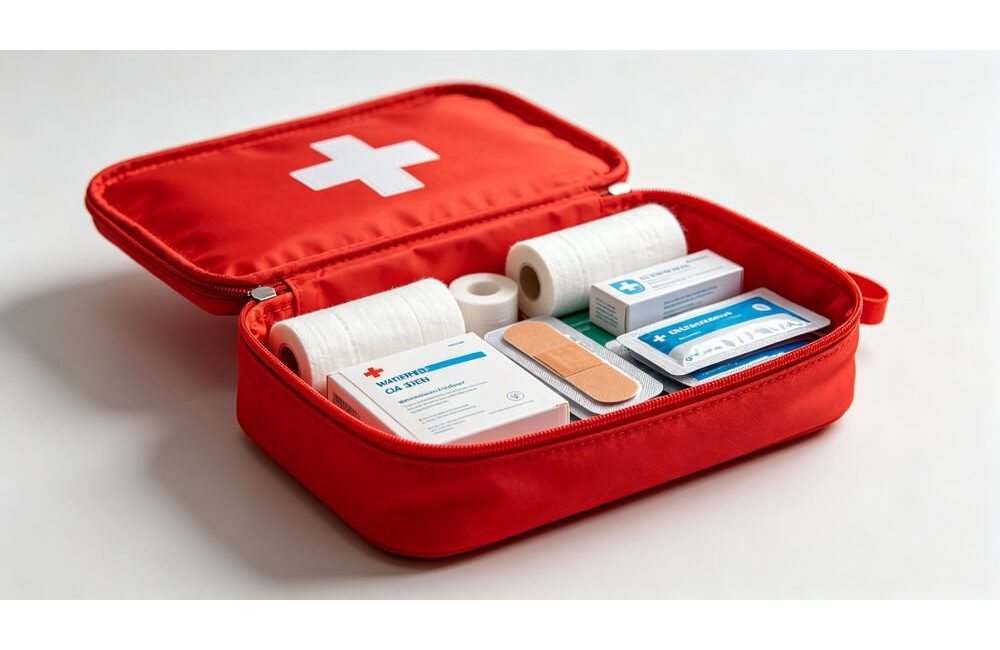
Waterproof first aid kit with bandages, antiseptic and hygiene supplies for flood zones
Recovery begins the moment the water stops rising, and the flood emergency kit keeps working through it. The same supplies that saved lives during the flood—water, first aid, PPE—now protect cleanup crews and displaced families.
After a flood, tap water may not be safe to drink. Listen to local authorities—if they say boil water, boil it. Anything that touched floodwater should be thrown out and replaced from the kit, including sealed cans, because floodwater carries sewage and chemicals.
Check every ration package for water damage before distribution. Keep a two-week supply of prescription medication, infant formula and pet food with the kit.
Pharmacies and grocery stores may stay closed for weeks after a major flood. Store medications in waterproof bags with a copy of the prescription. Rotate everything on the yearly stock check.
A flood emergency kit that has been stored dry keeps families safe; one that got wet can do more harm than good. Rotate damaged stock out immediately and record it for resupply.
Cleaning up after a flood is hard work. Walls, floors and furniture that got wet need to be cleaned with supplies from the kit and dried quickly to prevent mold. Volunteers need rubber boots, waterproof gloves and masks.
Mold is one of the most common post-flood health problems and it starts within 24 to 48 hours in warm, wet conditions. Tell families to remove soaked carpets, drywall and insulation quickly, and provide masks and gloves from your kit so cleanup crews stay protected.
Document who was helped, what was distributed and what is still needed—that makes the next flood response faster and supports grant reports. Photograph damaged areas before cleanup begins; insurance adjusters rely on these images to approve claims.
Add a waterproof notebook and a simple template to every kit. Every distribution point records the same fields: date, family count, items issued, items remaining.
Insurance programs ask for proof of flood losses within a deadline. Keep a damage log and photos. Record the date water entered each building, the depth reached, and the rooms affected.
Volunteers photograph street-level damage with waterproof phones. Community coordinators forward logs to the emergency management office.
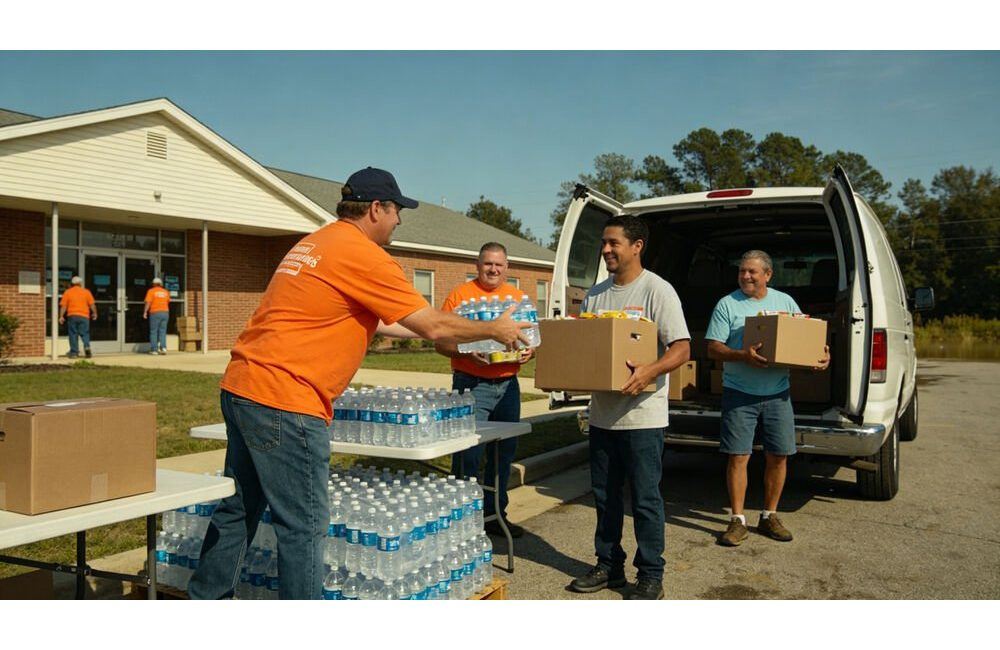
Volunteers distributing bulk flood supplies to affected residents in a relief staging area
Procurement is where a good flood emergency kit is won or lost. The right supplier, the right certifications and the right order timing decide whether your organization deploys on day one or waits weeks. Treat the kit as a system, not a shopping list.
These anchor points keep bulk water rescue supplies orders consistent with flood preparedness supplies staged ahead of season across years and across teams. When a new volunteer takes over procurement, the same ratios produce the same quantities, so the kit does not drift between seasons.
Number of People
Basic Package
Standard Package (Most Common)
Full Package
50 people
Water, blankets, basic PPE
+ life jackets, tents, rations
+ relief camp setup, full PPE
200 people
Basic flood supplies
Complete 72-hour response
Multi-day camp + distribution
1,000 people
Regional supply depot
Multi-site response
Full shelter + logistics
Most organizations start with a standard package and upgrade later. This keeps the first deployment simple and the budget predictable. Leave 10 to 15 percent of the budget unallocated.
Transport and last-mile distribution often cost more than the goods themselves. One kit per building, with a local coordinator who owns restocking. When every building follows the same ratios, regional planners can sum inventories easily.
Order before the flood-season rush when freight and availability are easier to schedule. Confirm order windows with your supplier and leave buffer time for customs and inland transport. Most kit products have flexible minimum quantities for smaller organizations; volume pricing improves with larger orders.
Price matters, but certification and durability decide whether your kit saves lives. Check that life jackets are safety-certified. Confirm tents meet the waterproof rating you specified.
Make sure food rations carry clear expiration dates. Re-quote packages every flood season. Raw material prices shift.
Confirm water plan: purification tablets for the long term, bottled water for the first 48 hours.
Confirm life jacket certification: approved Type II or Type III PFDs, 20 percent extra.
Confirm tent waterproof rating: at least 3000mm, practice set-up before flood season.
Confirm rations shelf life: 5 years, stored cool and dry, rotated every year.
Warehouse organization matters as much as the gear itself: store bulk flood supplies by kit type, inspect packaging on arrival and make sure the right items ship first when roads close. Custom-branded kits can carry your organization's markings with contents identical to the standard kit.
For official reference, review the National Weather Service Flood Safety page, American Red Cross Flood Preparedness and Red Cross Survival Kit Supplies,. and hurricane emergency kit for cross-hazard planning.
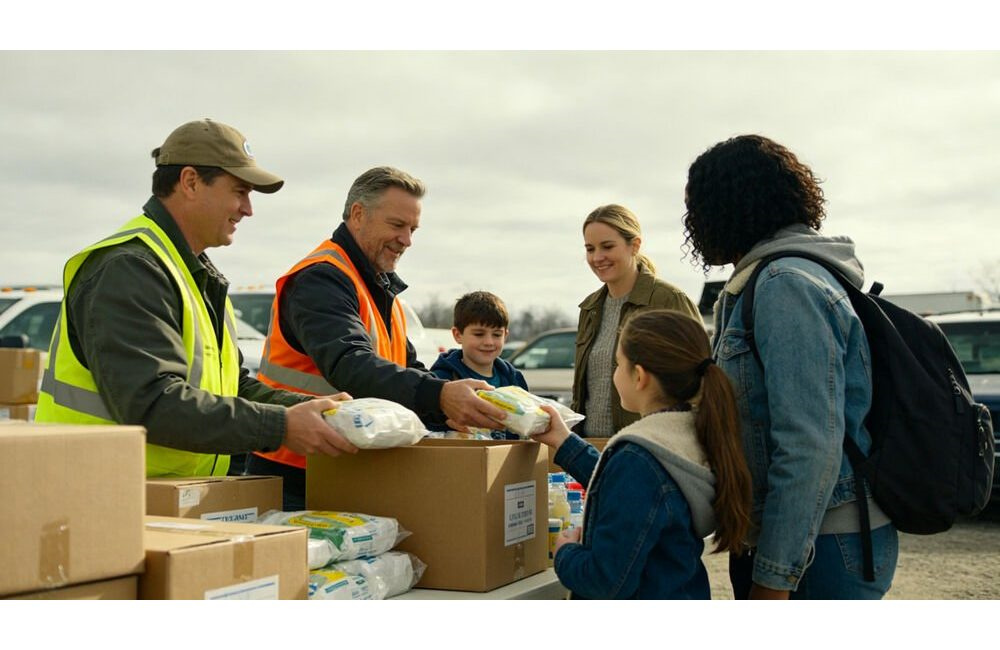
Family at a relief camp receiving water, blankets and other flood emergency supplies
Floods are the most frequent and costly weather disaster in the United States. A dedicated kit lets relief teams respond within hours rather than improvising.
We work with relief organizations that stage flood response equipment and bulk water rescue supplies before hurricane season, so kits are ready the day water rises.
Shelter operators house displaced families for days. They order bulk water, cots, tarps and hygiene kits by the hundred, relying on flood preparedness supplies to keep dry camps running.
City rescue units respond to swift-water and basement rescues. They need emergency flood gear such as rescue ropes, throw bags and PFDs in every vehicle.
Schools may shelter students overnight when roads flood. They need child-sized PFDs, water rations and blankets, often branded with the school name.
Coastal towns face saltwater surge and river towns face seasonal crests. They pre-position flood relief supplies for groups at community centers before the forecast arrives.
When water rises quickly, panic drives bad decisions. These are the most common mistakes and how pre-staging prevents them.
Floodwater is contaminated with sewage and chemicals. Boil or treat water before use, and store sealed bottled water as the primary supply.
Suppliers sell out fast once a storm is named. Order flood response equipment months ahead and confirm lead times in writing.
Children need properly fitted PFDs, not adult hand-me-downs. Stock child-size vests alongside adult sizes.
Cardboard absorbs water and grows mold. Store gear in sealed plastic totes that survive standing water.
Not every organization needs the same configuration. Match the kit level to your scale and operating window.
|
Level |
Best For |
Configuration |
Notes |
|
Basic Kit |
50 people, small teams |
Water, PFDs, hygiene, rations |
Fast deployment, low entry cost |
|
Standard Kit |
200 people |
Tents, cots, lighting, PPE |
Most popular 72-hour camp |
|
Full Kit |
1,000+ people |
Shelter, pumps, logistics support |
Covers two-week operations |
Start at the standard level for your headcount, then upgrade after your first real deployment shows what got used; the basic tier works for small teams but thins fast at a full shelter.
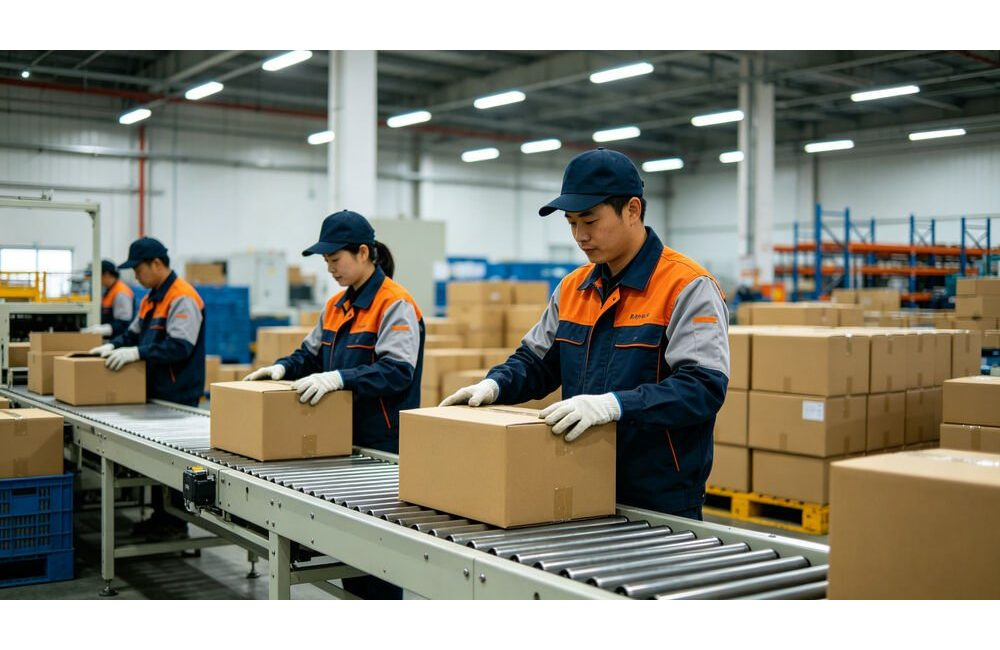
Warehouse staff packing bulk flood emergency kit orders with life jackets and supplies
Proper care keeps flood response equipment ready. Your PFDs, tents and water storage survive multiple seasons with basic upkeep. Rescue operators rely on flood response equipment and bulk flood relief gear to keep camps dry.
We supply all of these as bulk flood relief gear to shelters, municipalities and rescue teams, with OEM and private-label branding on orders over 200 sets of flood response equipment.
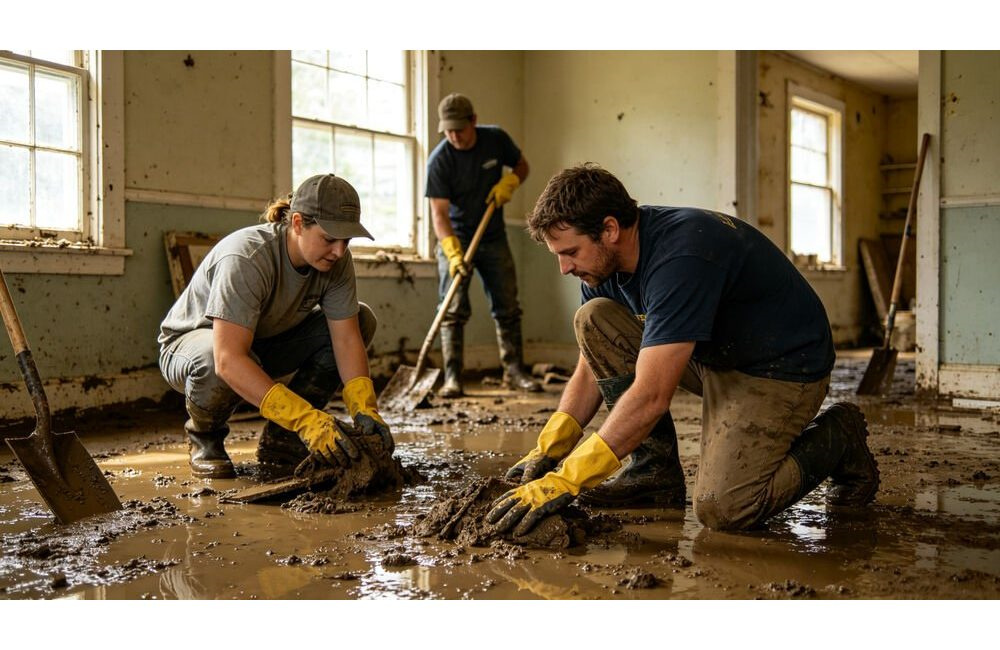
Volunteers in rubber boots cleaning mud and debris from a flooded home
Q: How much water should I store for a flood?
A: The standard recommendation is 1 gallon of water per person per day. For a relief organization responding to 100 people for 3 days, that is 300 gallons—stock bottled water for the first 48 hours and purification tablets for the rest.
Q: What is the most important item in a flood kit?
A: A good rule of thumb is one PFD per person you are serving, plus 20 percent extra for your team. If you are serving 100 people, order 120 approved Type II or Type III PFDs.
Q: Can I drink flood water after boiling it?
A: Relief tents are bigger, more durable and designed to be set up quickly and used for weeks or months. Look for a waterproof rating of at least 3000mm and a set-up time under 15 minutes with 2 people.
Q: How high should I elevate furniture during a flood?
A: If it touches floodwater at all, throw it out. Even sealed cans can be contaminated because floodwater carries sewage and chemicals. Only unopened, airtight packaged rations from your kit are safe.
Q: What PPE do volunteers need for flood cleanup?
A: It depends on the product. Most kit products have flexible MOQs for smaller organizations, and volume pricing improves with larger orders. Tell us your team size and confirm with the quote. We also supply flood response equipment and bulk flood relief gear for rescue teams.
Q: How do I disinfect my home after floodwater recedes?
A: Yes. We ship to relief organizations across North America, Europe, Australia and more. Sea, air and land logistics are all available. Send your destination and quantity for a shipping quote.
Q: Can I use my sump pump during a flood?
A: Both. Bottled water is great for immediate use in a kit, but it is heavy and expensive to ship in large quantities. Purification tablets are lightweight and cover the long term. The best kit carries both.
Q: How long does flood relief distribution take?
A: At minimum, rubber boots, waterproof gloves and a rain suit. If they are doing rescue work in moving water, add life jackets. Order PPE by size range in bulk so it fits volunteers of all builds.
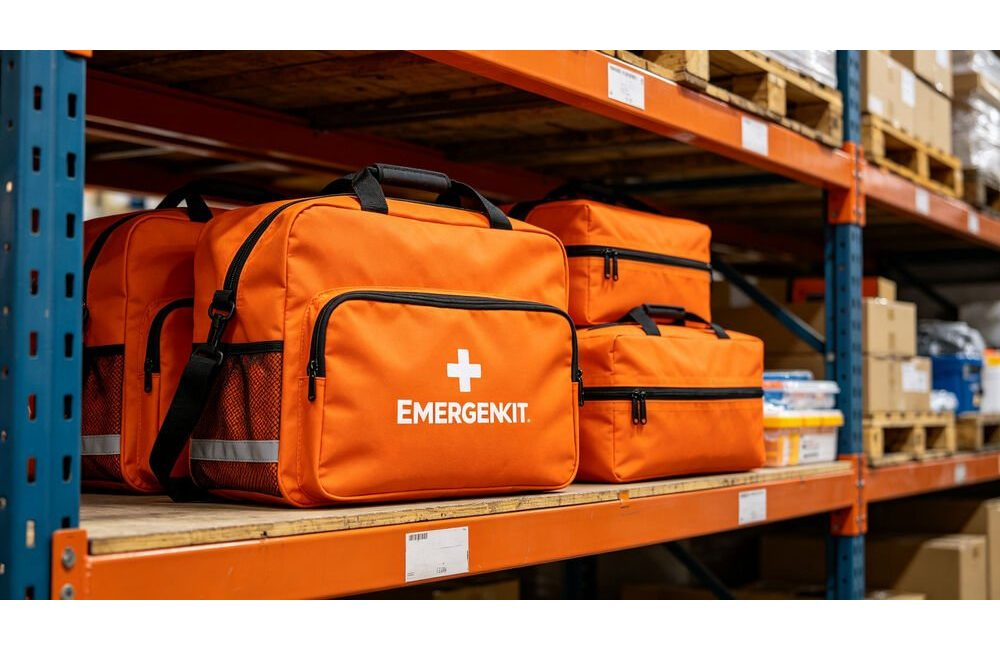
Custom branded flood emergency kits prepared for organization-specific relief programs
Most kit food rations have a 5-year shelf life when stored in a cool, dry place. Check expiration dates every year and rotate stock before flood season.
Look for a supplier with experience working with relief organizations, quality products that meet international standards, and fast shipping. Ask for product certifications and references before committing.
At least 3 months before flood season starts. This gives you time to compare suppliers, inspect samples and pre-position supplies. Ordering after a flood warning arrives is too late.
Yes. We offer custom branding for bulk orders, including logo printing on kits, tents and first aid supplies. Custom kits help your organization stand out in the field.
YRF Textile · Flood & Disaster Relief Emergency Supplies · China
Contact: info@yrftextile.com
Reference: Red Cross Disaster Relief
Дружественные ссылки :
авторское право © Custom Disaster - Relief Bedding: Tents, Sleeping Bags, Blankets Все права защищены
профессиональная команда для обслуживания !