Категории
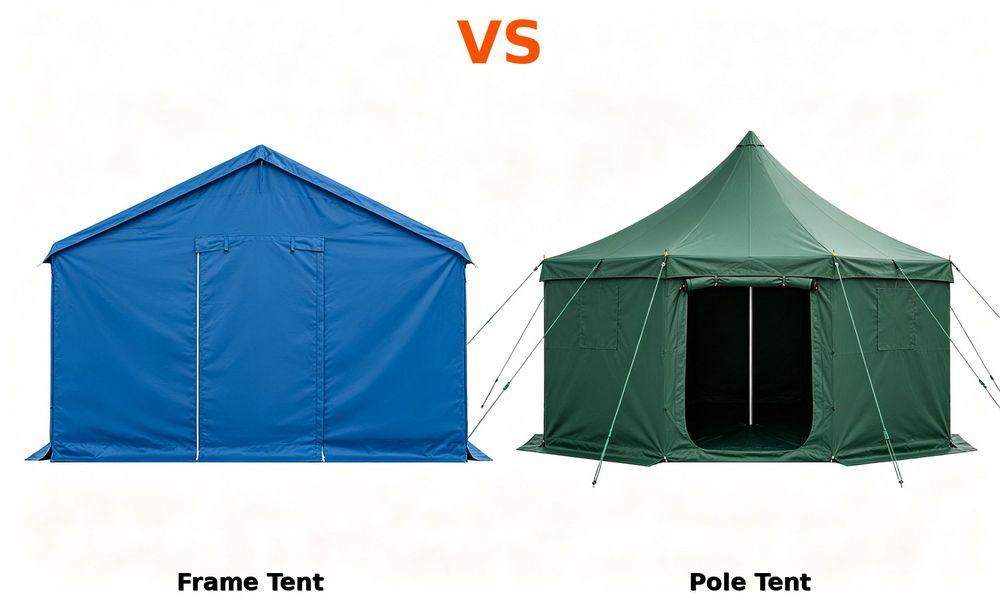
When disaster strikes, whether it is an earthquake, flood, hurricane, or conflict, providing safe and reliable temporary shelter becomes an urgent priority. Among the many shelter options available, frame tents and pole tents stand out as the two most commonly used large-scale emergency shelter structures. Understanding the core differences between these two tent types is essential for procurement officers, NGO coordinators, military logistics teams, and institutional buyers who need to make informed decisions under pressure.
This comprehensive comparison and buyer guide compares emergency shelter frame tents and pole tents across every critical dimension: structural design, interior space, setup requirements, ground compatibility, transport and weight, wind and weather resistance, durability and lifespan, customization options, certifications, maintenance, and total cost of ownership.
Whether you are sourcing tents for a refugee camp, a medical tent facility, a military base, a temporary school, or a disaster relief operation, this guide will help you determine which structure best matches your specific operational requirements.
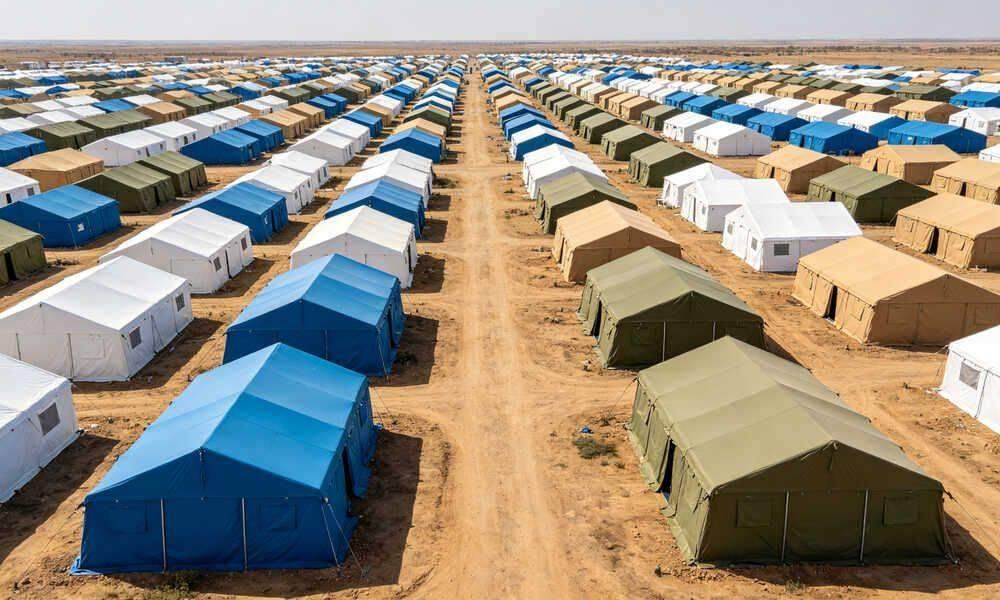
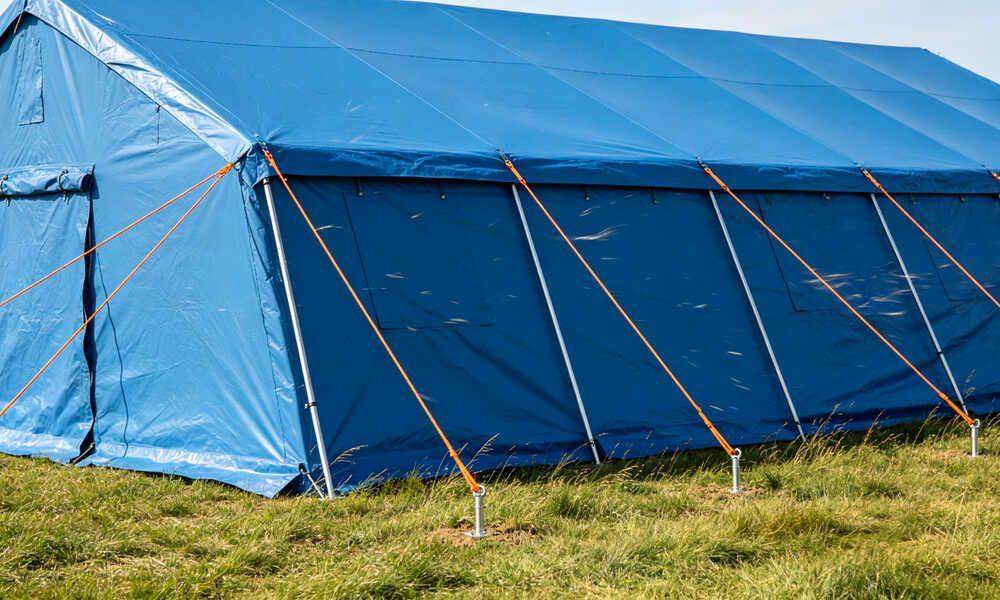
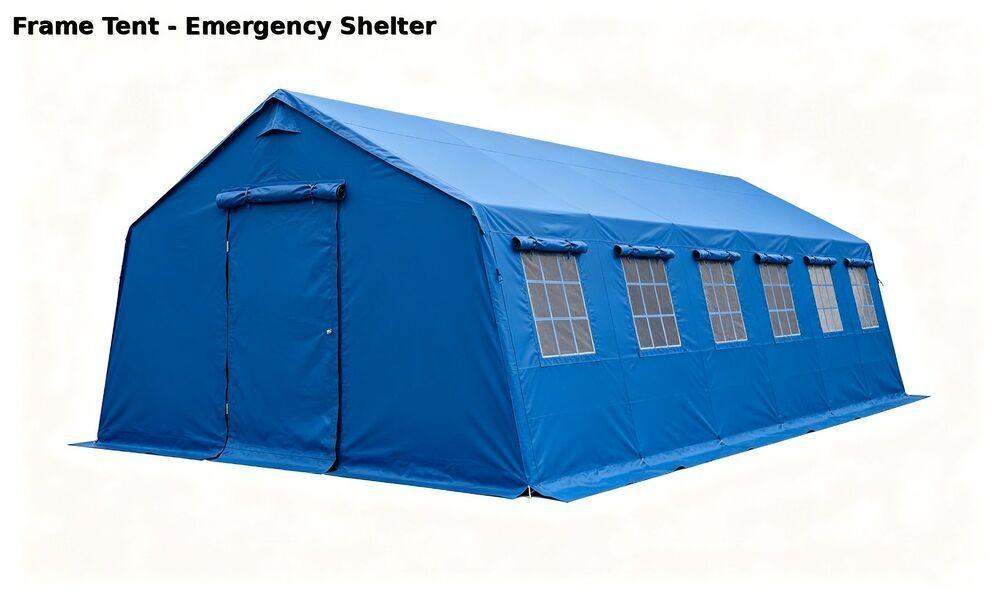
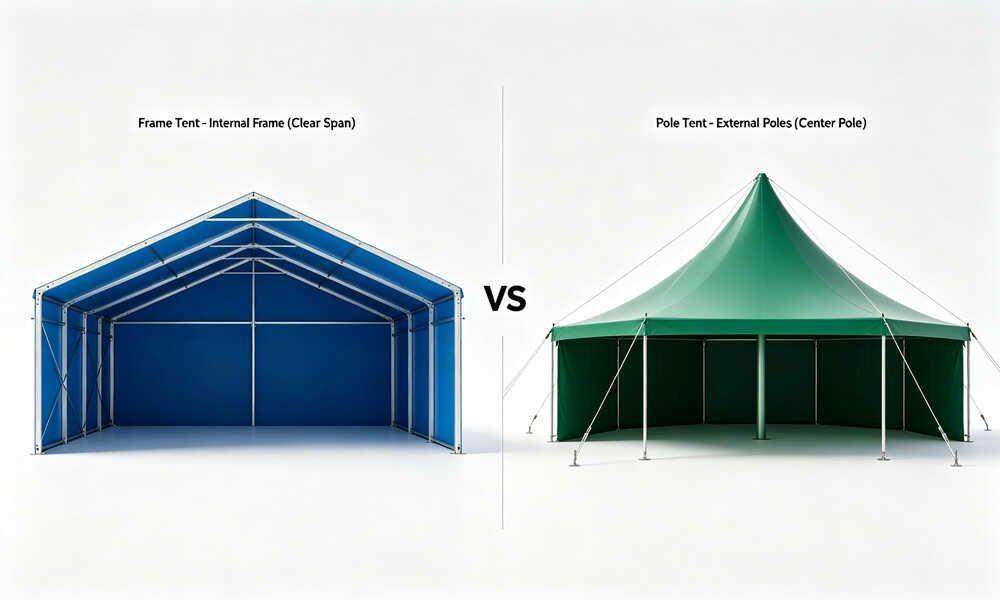
When evaluating difference between frame and pole tent structures, it is important to understand that the fundamental distinction between frame tents and pole tents lies in how the shelter is supported. A frame tent uses an internal steel or galvanized pipe framework that is entirely concealed within the tent fabric.
From the exterior, no metal supports are visible — the entire structure presents a smooth, clean surface. The framework consists of interconnected steel tubes that form a rigid skeleton, and the fabric is stretched over this skeleton and secured at the base.
A pole tent, by contrast, relies on a central vertical pole (or poles) and peripheral support poles to hold up the fabric. The central pole occupies space in the middle of the tent, and the surrounding poles are typically exposed on the exterior. The fabric is tensioned between the central pole and the peripheral poles, with guy ropes extending outward to ground anchors. This creates the characteristic peaked roof shape associated with traditional pole tents.
This structural difference cascades into every other aspect of performance: interior usability, wind load distribution, setup complexity, maintenance requirements, and long-term durability. For disaster relief tent supplier procurement, understanding this cascade is the first step toward making the right choice.
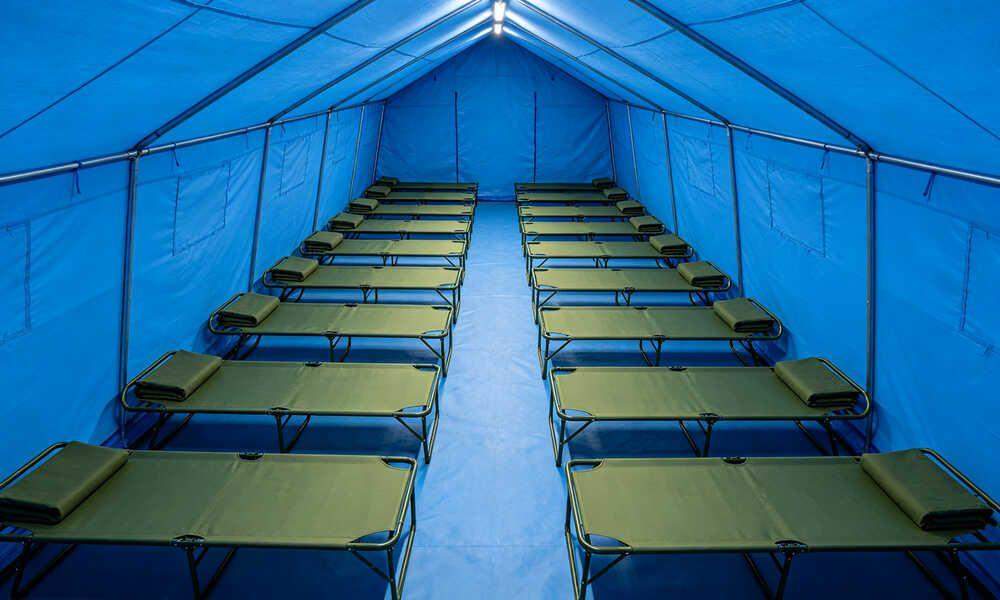
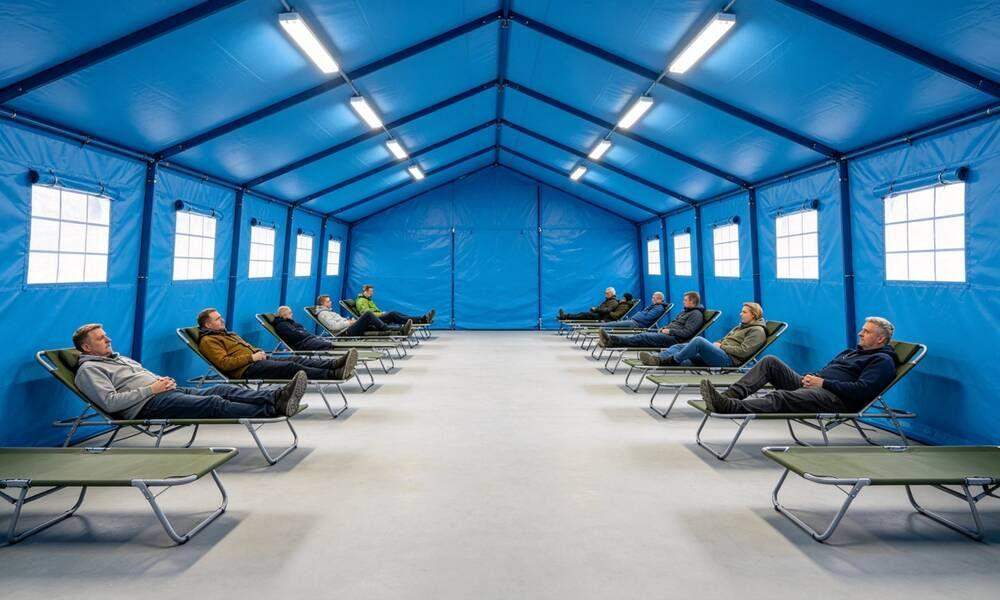
Frame tents hold a decisive advantage when it comes to interior space planning. Because the entire support framework is built into the walls and roof, the interior is completely free of obstructions. There is no central pole to navigate around, no guy ropes crossing the floor area, and no support columns dividing the space. This means the entire footprint is usable floor space, allowing for efficient layout of cots, medical equipment, dining tables, storage racks, or partition walls.
For emergency shelters where maximizing capacity is critical, this unobstructed interior is a major benefit. A 5×7 meter frame tent can comfortably accommodate 20 to 25 people on single cots, or 40 to 50 people on bunk beds, with clear aisles for movement. The same footprint in a pole tent loses usable space to the central pole and the tensioned fabric geometry, reducing effective capacity by approximately 15 to 20 percent.
Pole tents do offer one interior advantage: the central peak creates a higher ceiling at the center, which can improve air circulation and create a sense of spaciousness. However, this comes at the cost of usable floor area and layout flexibility. For medical tents requiring equipment placement, for dining tents requiring table arrangements, and for storage tents requiring racking systems, the frame tent's clear interior is almost always preferable.
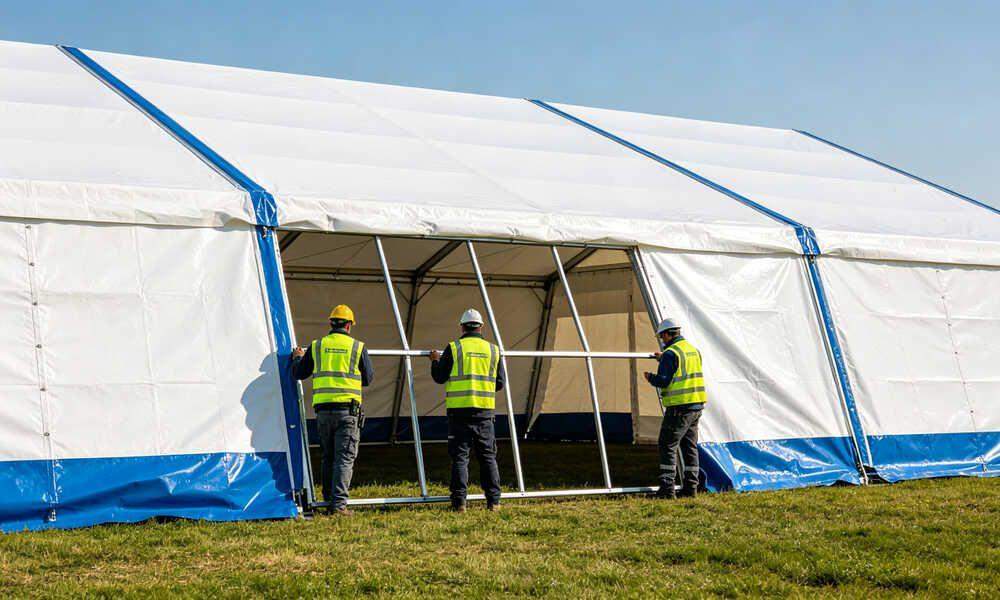
Setting up a frame tent requires more preparation and more personnel than a pole tent, but the process is systematic and repeatable. Before beginning, the site must be cleared of sharp objects, debris, and large rocks.
The ground should be as level as possible, although frame tents can tolerate minor unevenness thanks to adjustable base plates. The components should be inventoried: frame tubes (labeled by size), connectors, tent fabric (roof and walls), ground stakes, guy ropes, doors, windows, and any optional accessories such as liners or lighting kits.
The typical setup sequence for a frame tent is: lay out the floor and position the base frame, assemble the wall frames and connect them with corner and apex connectors, raise the assembled framework, drape the roof fabric over the framework and secure it, attach the wall panels, install doors and windows, drive ground stakes at each base point, and tension any guy ropes if required.
For a 5×7 meter tent, this process typically takes 30 minutes to 2 hours with a crew of 3 to 5 trained people.
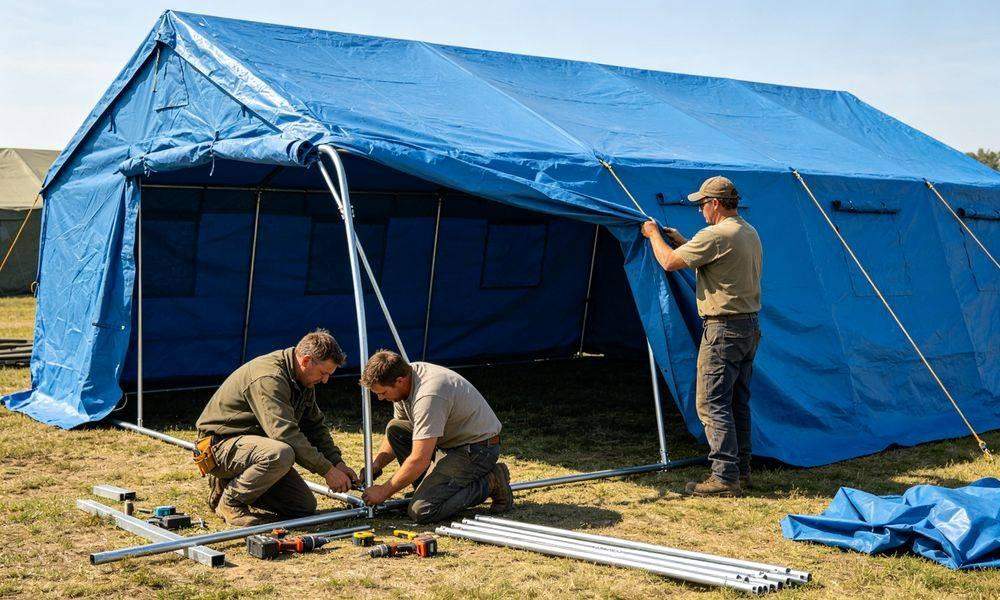
Pole tent setup is simpler and faster: unfold and position the tent fabric, insert the central pole(s) and raise the center, install peripheral poles at the eaves, attach guy ropes and drive ground stakes, and tension the structure. This typically takes 15 to 45 minutes with 2 to 3 people.
However, pole tents require ground that can accept stakes — hard surfaces like concrete or asphalt require alternative weighting systems, which adds complexity. Frame tents can be secured on a wider range of surfaces using weighted bases or stakes.
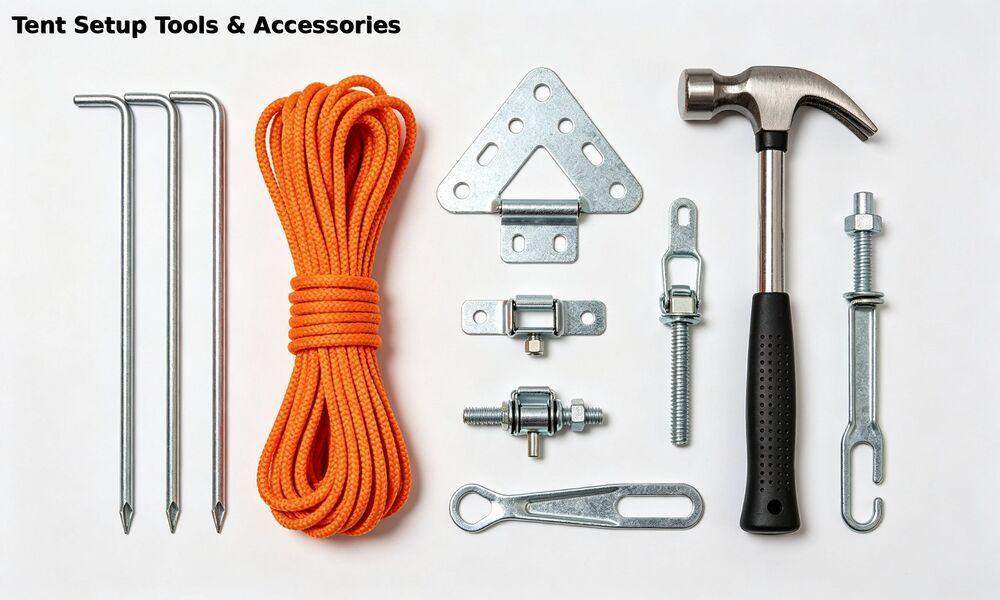
Ground conditions are an often-overlooked factor that can significantly influence which tent structure is more suitable. Frame tents, because they distribute weight across a continuous base rail and can use either stakes or weighted ballast, are more adaptable to different ground types.
On grass, mud, sand, gravel, concrete, asphalt, or compacted earth, a frame tent can be secured appropriately. The base plates provide a stable footing, and the rigid framework means the tent does not rely solely on stake tension for structural integrity.
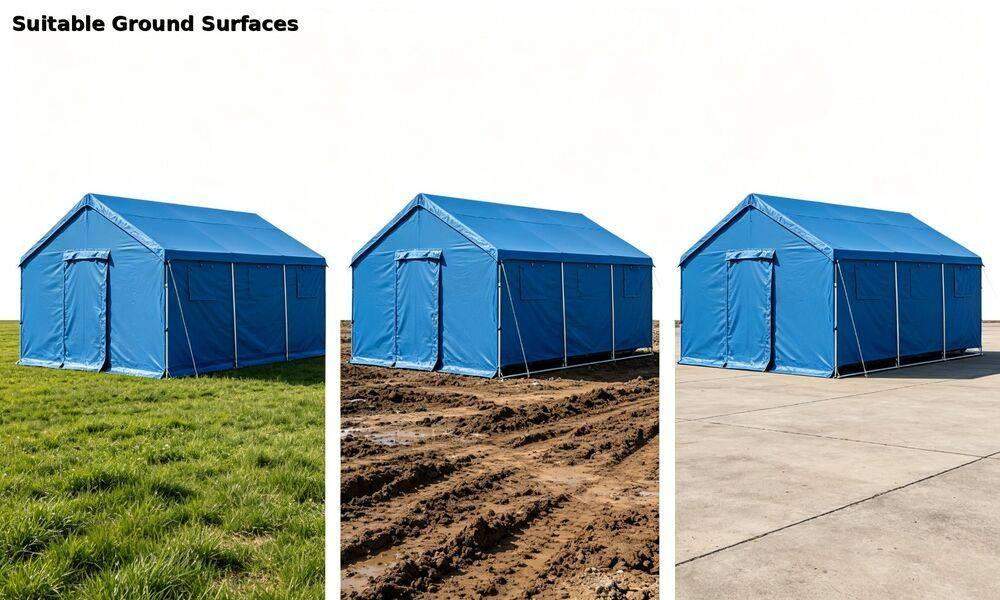
Pole tents are more dependent on ground conditions. Because the entire structure is held up by tension between the central pole, peripheral poles, and guy ropes, the ground anchors are critical. On soft ground — grass, mud, sand, loose soil — pole tents can be staked securely and perform well.
On hard ground — concrete, asphalt, rock, frozen earth — driving stakes is impossible or difficult, and alternative weighting systems (concrete blocks, water barrels, steel plates) must be used. These systems add cost, setup time, and potential tripping hazards. For emergency shelter response in urban environments with paved surfaces, frame tents are often the more practical choice.
Ground slope is another consideration. Frame tents, with their rigid framework and adjustable base plates, can accommodate slopes up to approximately 5 degrees without significant modification. Pole tents, which rely on equal tension around the perimeter, are more sensitive to slope — a significant slope can cause uneven tension, fabric sagging, and reduced stability. For sites with uneven terrain, frame tents offer greater adaptability.
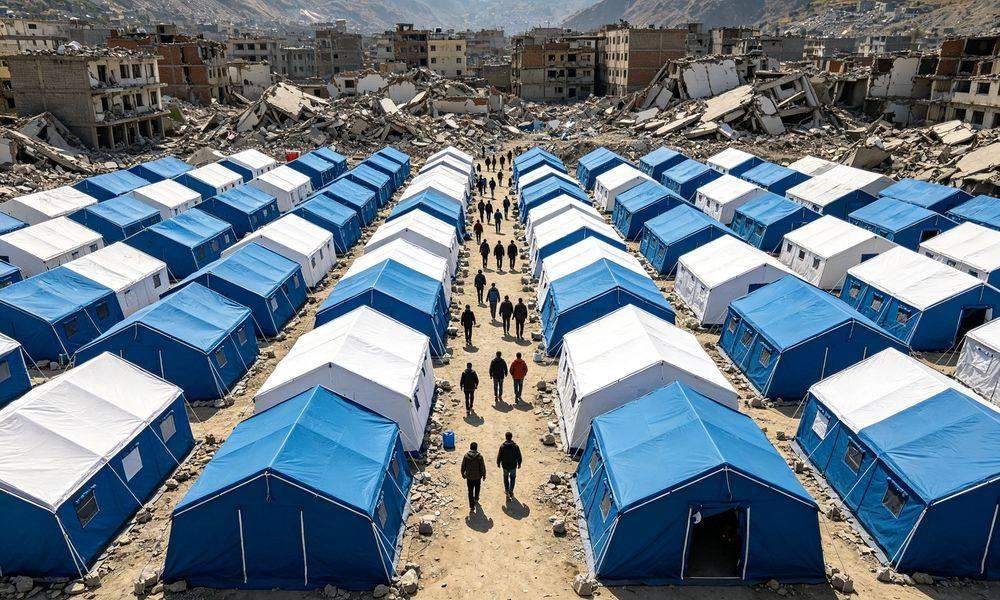
Weight and transport logistics are important considerations, especially for emergency shelter response organizations that need to move tents quickly to disaster zones. Pole tents are generally lighter than frame tents of equivalent size. A 5×7 meter pole tent might weigh 80 to 150 kilograms, consisting primarily of fabric and aluminum or fiberglass poles. This can often be packed into one or two bundles that fit in a pickup truck or small cargo van.
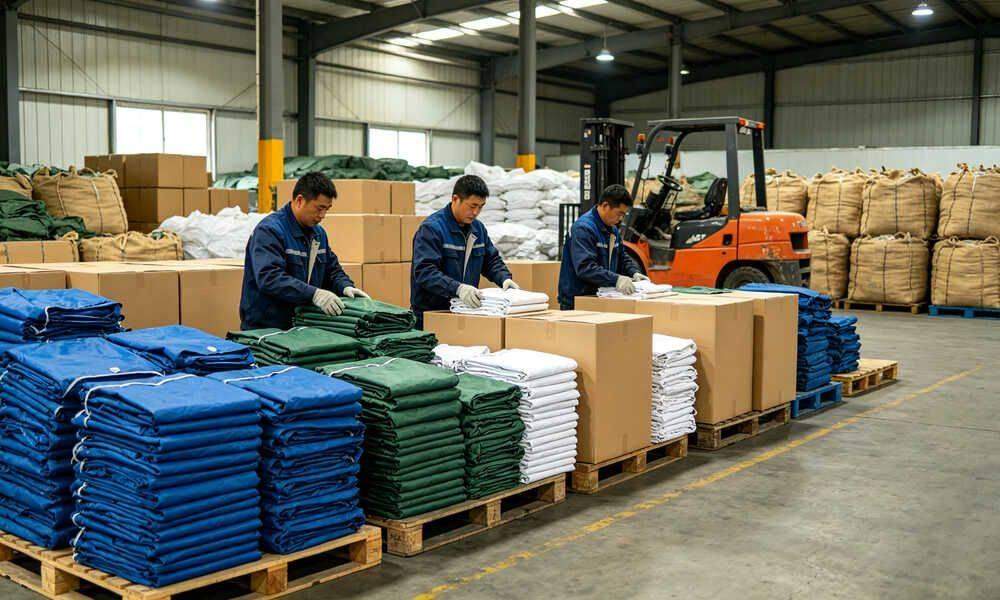
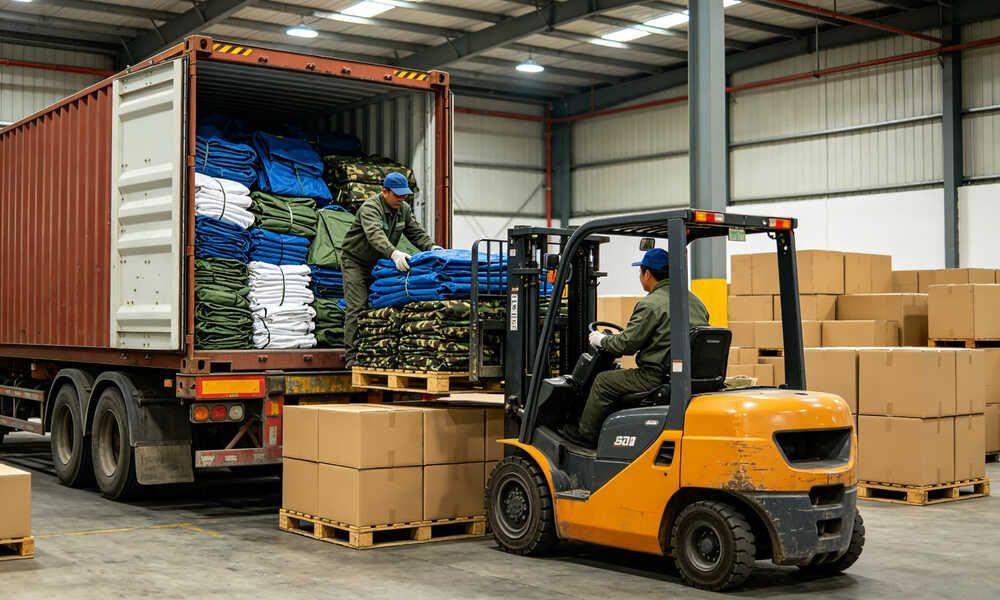
Frame tents are heavier due to the steel framework. A 5×7 meter frame tent typically weighs 150 to 300 kilograms, with the steel tubes accounting for the majority of the weight. The components are usually packed into multiple bags or crates: frame tubes, connectors, roof fabric, wall panels, stakes, and accessories. Transporting a frame tent requires a larger vehicle — a cargo van, truck, or shipping container — and may require forklift or pallet handling for large quantities.
However, the weight comparison tells only part of the story. Frame tent components are modular and standardized, meaning replacement parts are readily available and a damaged section can be swapped out without replacing the entire tent.
Pole tents, while lighter, are more susceptible to pole bending or fabric tearing, and a damaged central pole can render the entire tent unusable. For organizations that maintain a standing inventory of tents for repeated deployments, the frame tent's modularity and durability often offset the transport weight disadvantage.
There are specific scenarios where a frame tent should be the first option evaluated, before considering pole tents or other shelter types. If the deployment is expected to last more than one month — whether for a refugee camp, a semi-permanent field hospital, a military forward operating base, or a long-term disaster recovery site — the frame tent's superior durability, wind resistance, and low maintenance requirements make it the more cost-effective choice over the deployment period.
If the shelter will be used in a location prone to wind resistant strong winds — coastal areas, plains, mountain passes, or regions with seasonal monsoons — the frame tent's rigid framework and aerodynamic profile provide significantly better wind resistance.
Frame tents are typically rated for wind speeds of 8 to 10 on the Beaufort scale (62 to 88 km/h), whereas pole tents are generally rated for 6 to 8 (39 to 61 km/h). In high-wind environments, the difference between a tent that survives a storm and one that collapses can be a matter of safety.
If the interior needs to accommodate large equipment, partition walls, or high-density bedding, the frame tent's unobstructed interior is essential. Medical tents with examination tables, surgical equipment, and patient cots; dining tents with rows of tables and benches; storage tents with pallet racking; and command tents with desks, communication equipment, and meeting areas all benefit from the clear span that only a frame tent provides. For these use cases, a pole tent's central pole would be a significant impediment.
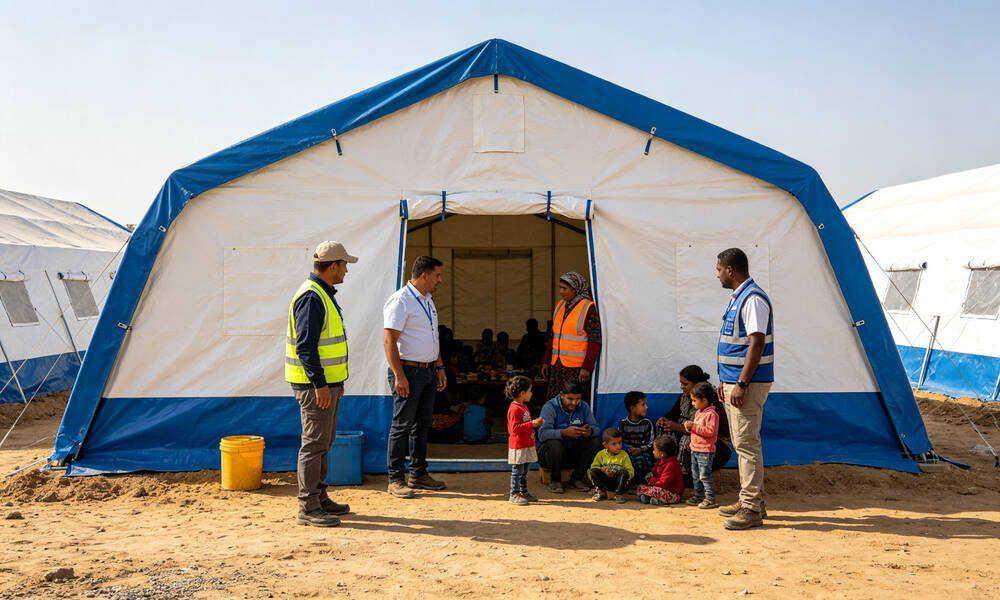
Both frame tents and pole tents serve as emergency shelter solutions across a wide range of institutional and emergency applications, but each structure tends to excel in specific use cases. Understanding these application patterns helps buyers match the right tent to the right mission.
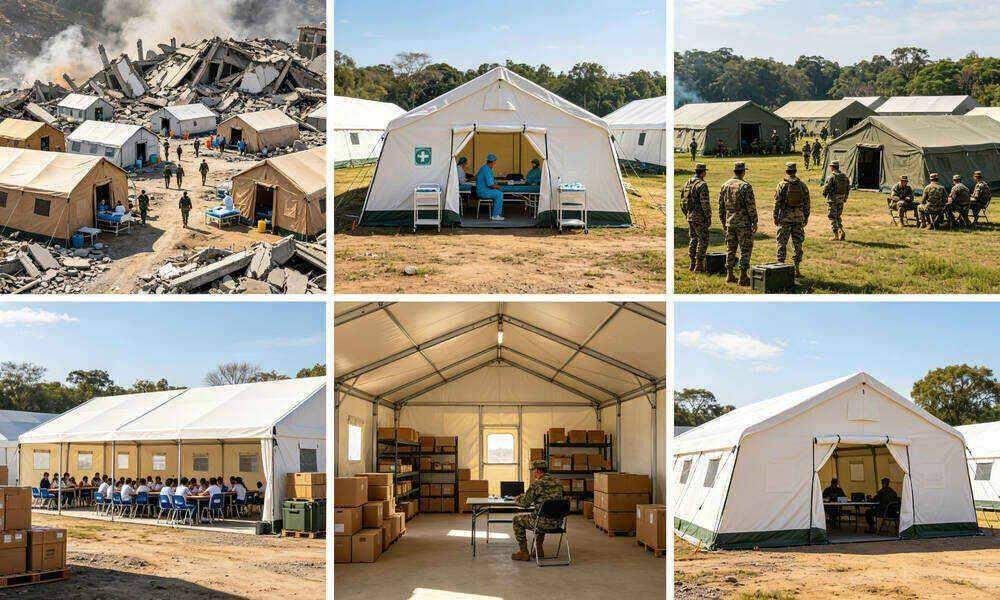
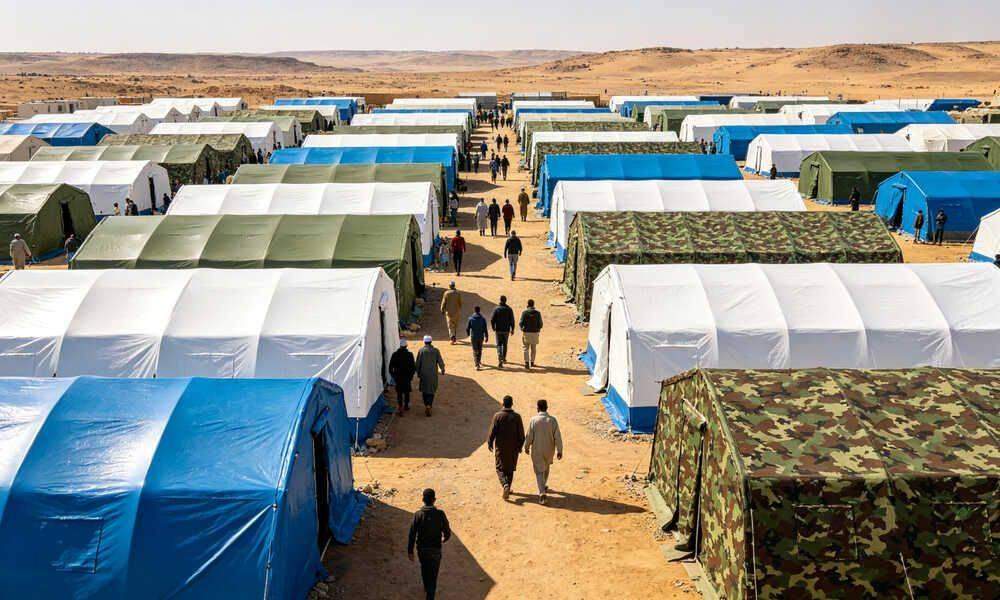
In the aftermath of earthquakes, floods, hurricanes, and conflicts, large numbers of people require immediate and medium-term shelter. Frame tents are the dominant choice for organized refugee camps and formal disaster relief settlements, where tents may remain in place for months or years. Their durability, wind resistance, and interior capacity make them suitable for family units, communal kitchens, latrines, and distribution centers. For heavy duty emergency tents procurement, frame structures are the industry standard for long-term camps.
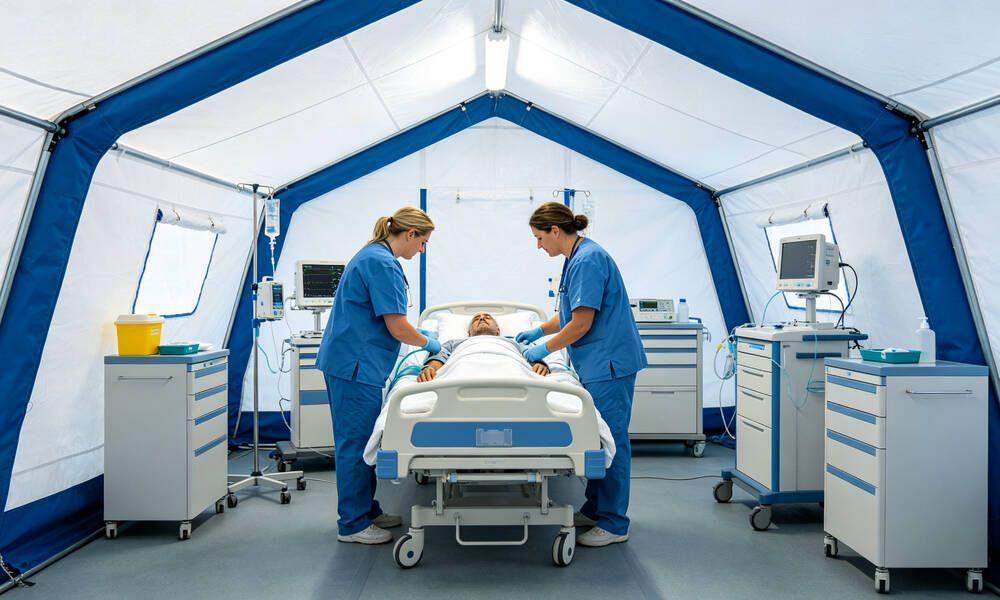
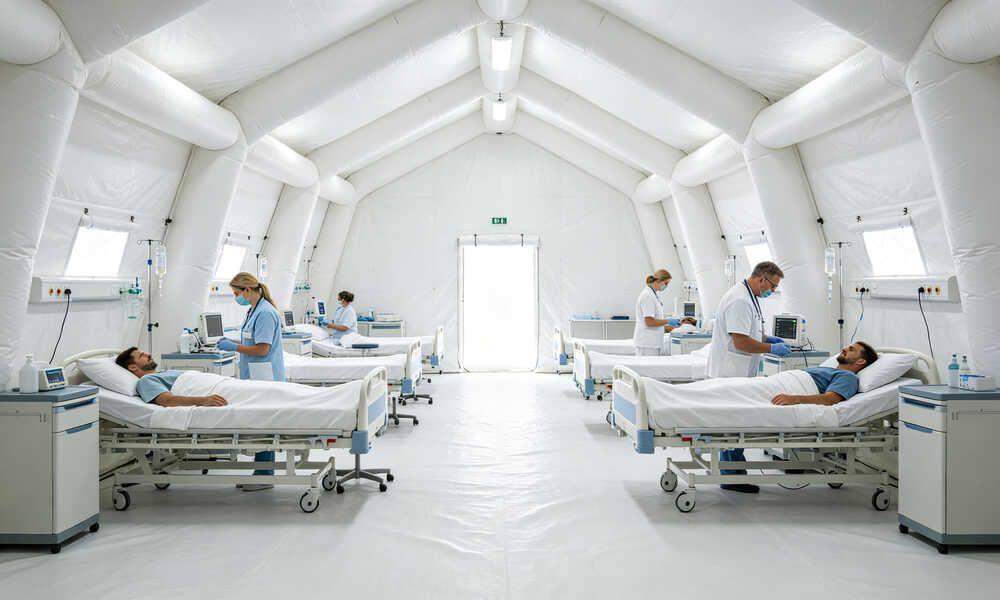
Field hospitals, mobile clinics, and emergency medical stations require unobstructed interior space for patient beds, medical equipment, sterile work areas, and staff movement. Frame tents are the preferred structure because the clear interior allows for efficient layout of treatment zones, and the rigid framework supports hanging IV poles, lighting, and medical equipment.
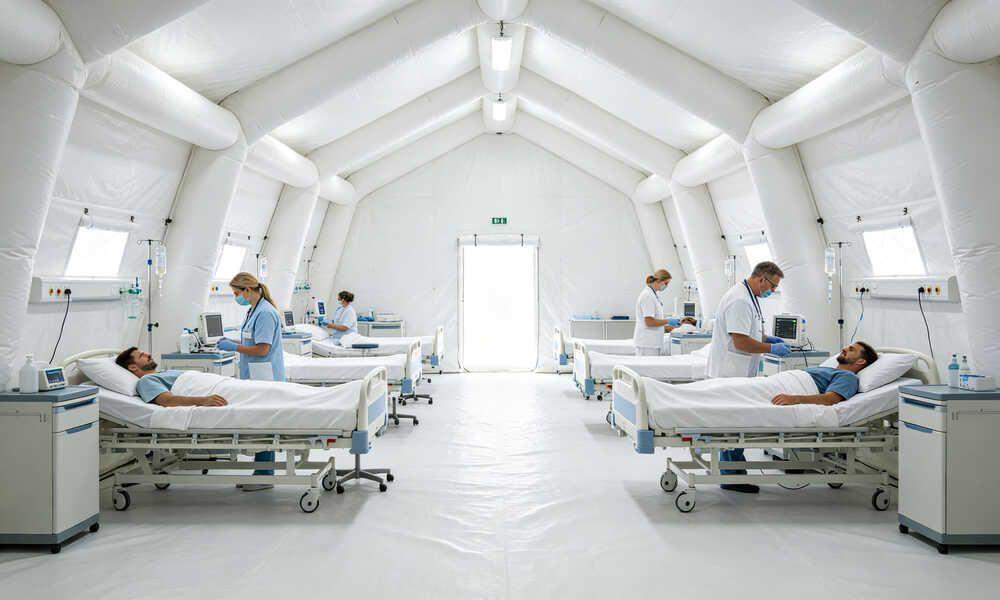
inflatable medical tents are also used for rapid deployment, but frame tents offer better long-term durability and easier maintenance. Pole tents are rarely used for medical applications due to the central pole obstruction.
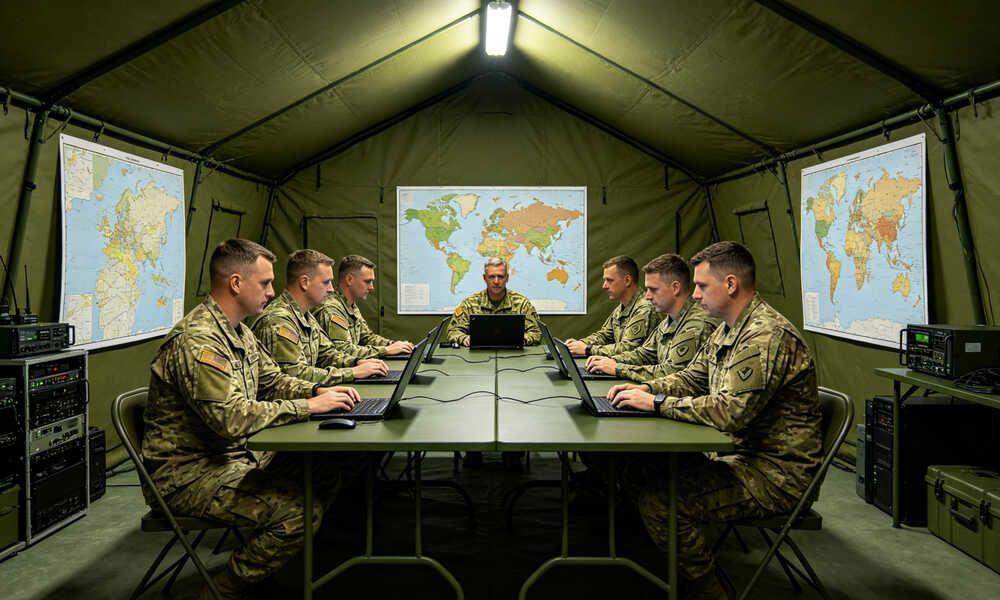
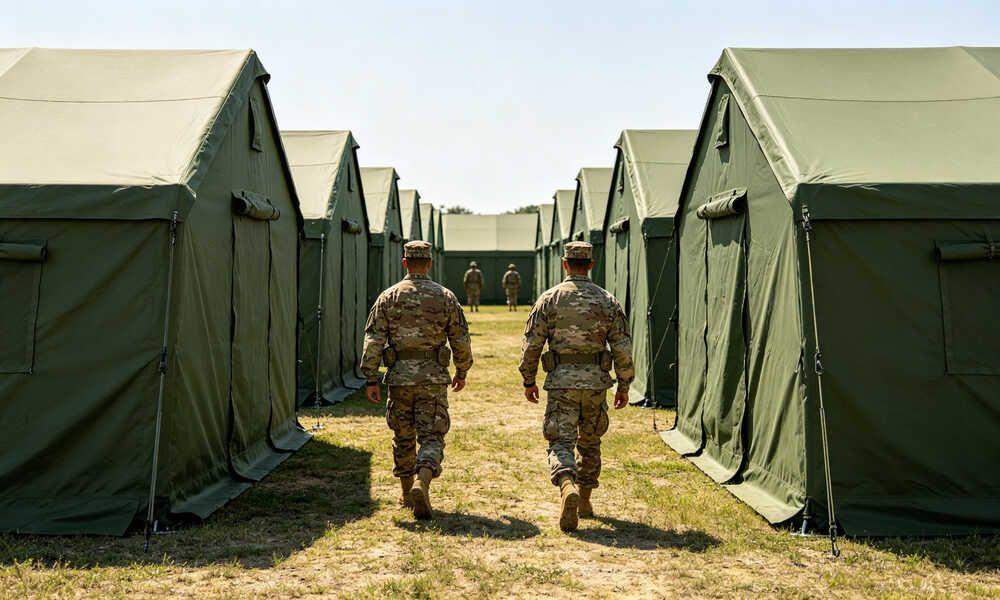
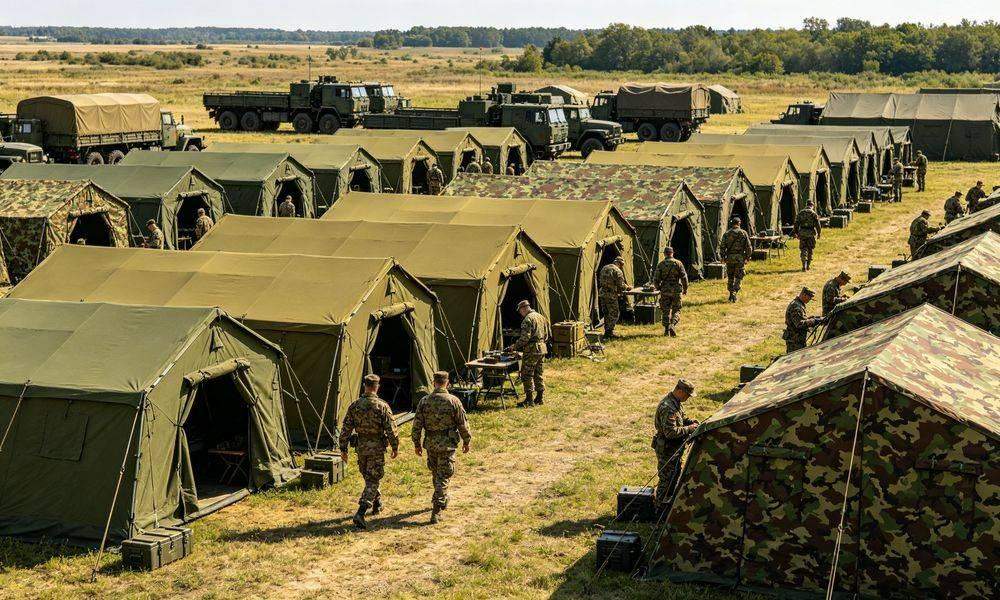
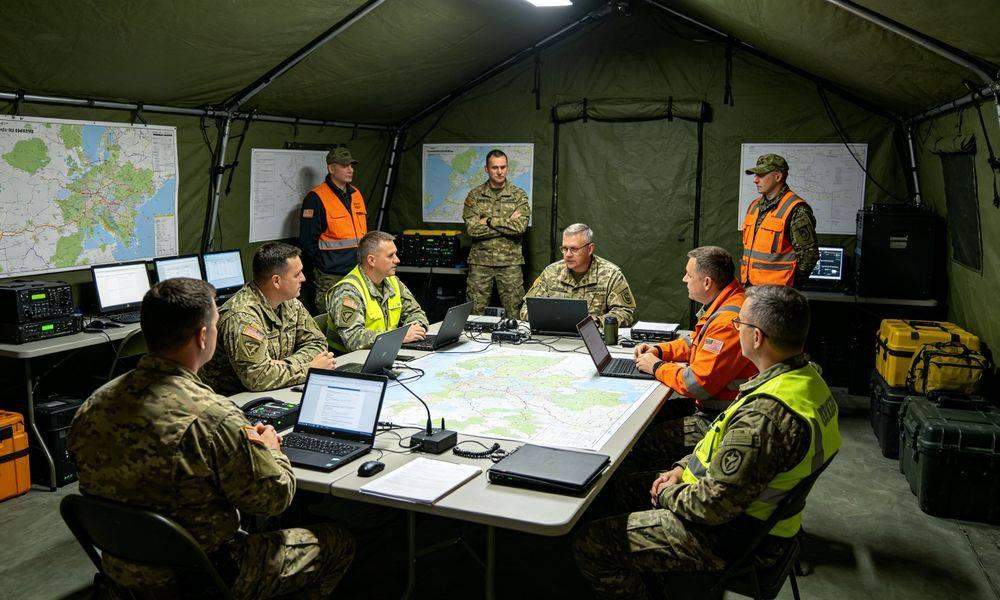
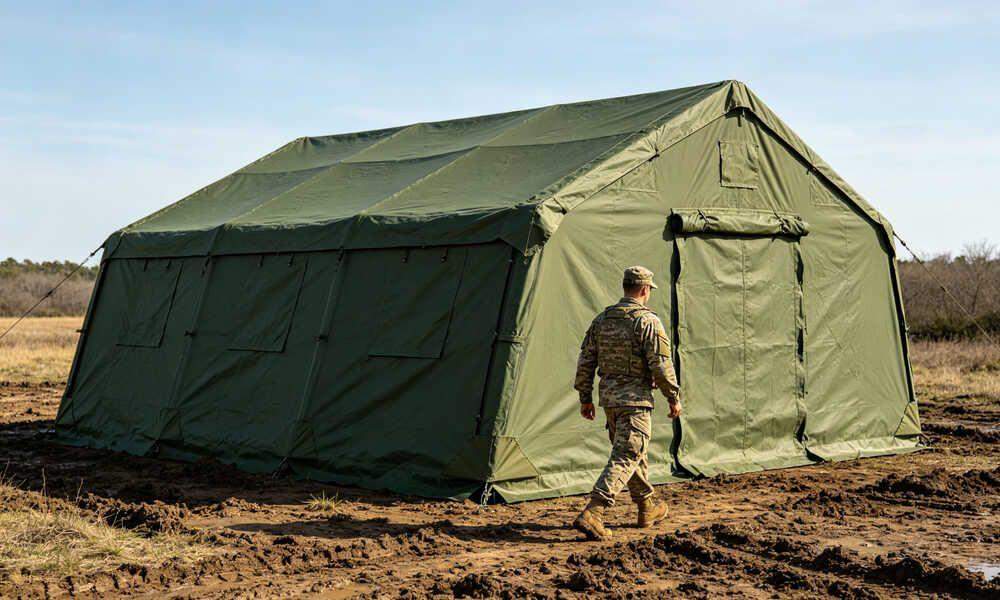
Military forces use both frame and pole tents, but for different purposes. military canvas tents in frame configurations serve as command centers, mess halls, medical facilities, supply warehouses, and barracks for semi-permanent bases. Pole tents are more commonly used for temporary bivouacs, forward operating posts, and rapid deployment shelters where speed of setup and portability are prioritized. The military's emphasis on durability and security makes frame tents the default for any installation expected to last more than a few weeks.
—
When schools are damaged by disasters or when communities need temporary educational facilities, frame tents provide a practical solution. The clear interior accommodates rows of desks, a teacher's area, and storage for books and supplies. The rigid framework allows for the installation of lighting, fans, and projection screens. Frame tents used as temporary schools can be equipped with flooring, insulation, and windows to create a more comfortable learning environment.

For temporary storage of relief supplies, equipment, food, and materials, frame tents offer clear-span interiors that maximize storage capacity. Pallet racking, shelving units, and bulk storage can be arranged without obstruction from poles. The frame structure also supports overhead hoists or conveyor systems if needed. Pole tents are less suitable for storage due to the central pole and reduced floor efficiency.
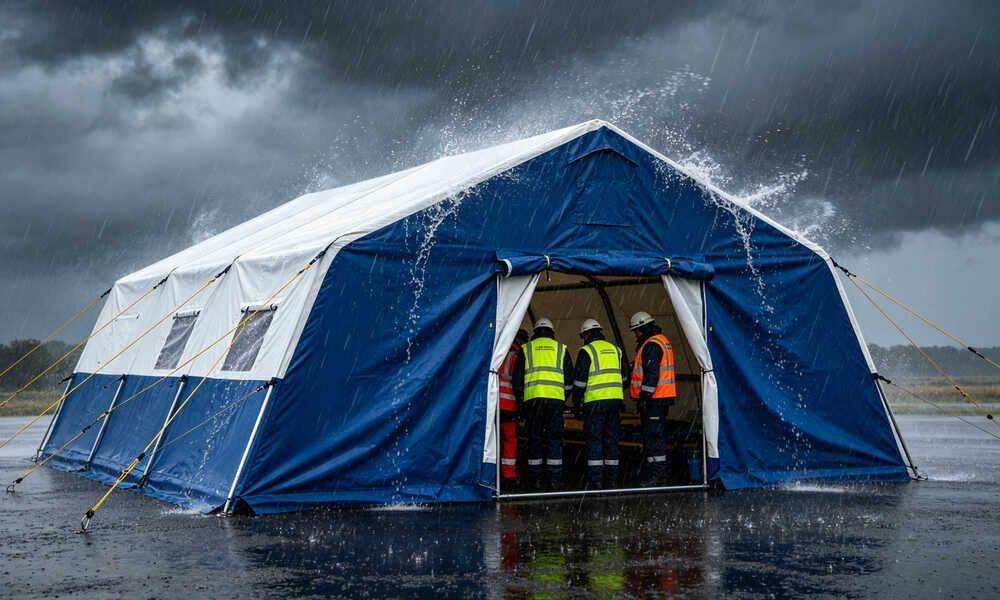
When evaluating frame tent material and fabric specifications, it is important to understand that the performance and longevity of any emergency shelter depend heavily on the quality of its materials. For heavy duty tents intended for institutional and disaster use, understanding fabric types, weights, waterproof ratings, flame resistance, and framework materials is essential for making an informed procurement decision.
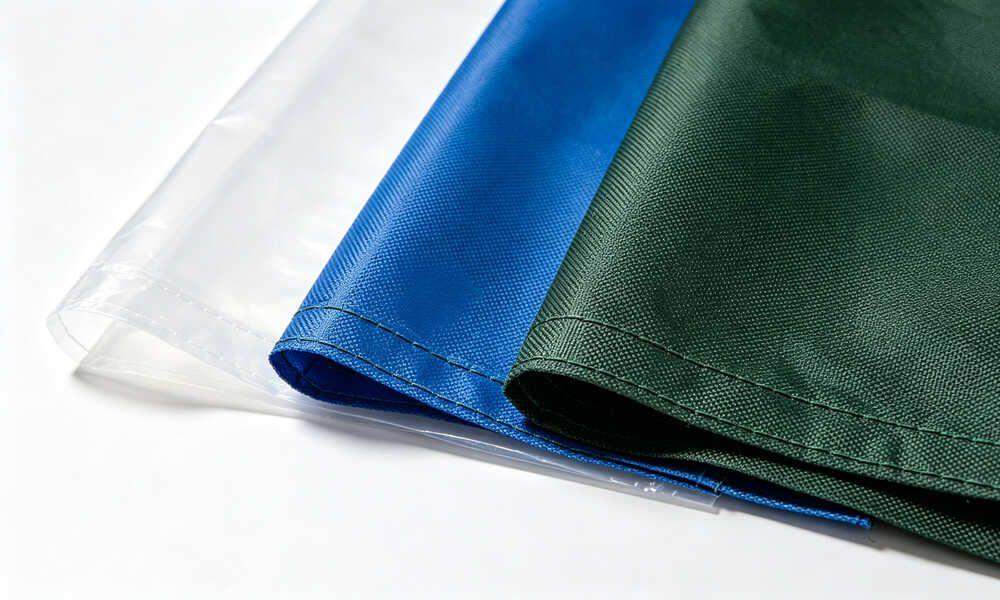
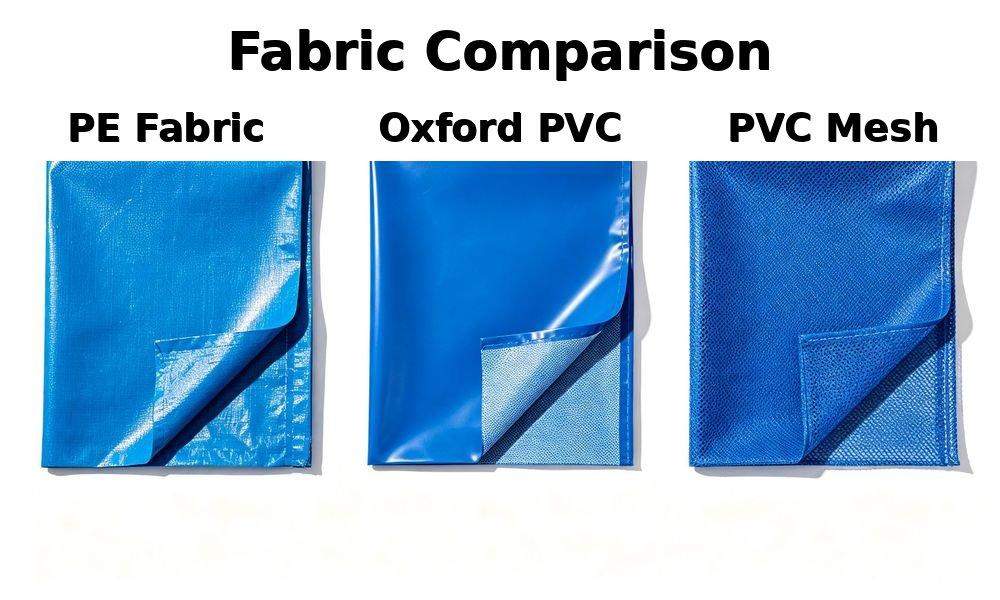
Three primary fabric types are used for large emergency tents. PE (polyethylene) is the most economical option, typically weighing 100 to 200 grams per square meter. It provides basic waterproofing and is suitable for short-term use, but its durability is limited — expect 2 to 3 years of regular use.
Oxford cloth (polyester with PVC coating) is the most widely used fabric for disaster relief tents, weighing 200 to 400 g/m². It offers good waterproofing (3000 to 5000 mm hydrostatic head), decent durability (3 to 5 years), and an excellent balance of cost and performance.
PVC laminated mesh fabric is the premium option, weighing 400 to 800 g/m². It provides superior waterproofing (5000 to 8000 mm), excellent durability (5 to 8 years), inherent flame resistance, and is the standard for medical and long-term military tent applications.
Waterproof performance is measured in millimeters of hydrostatic head — the height of a water column the fabric can withstand before leaking. For emergency shelter applications, a minimum rating of 3000 mm is recommended, with 5000 mm or higher preferred for regions with heavy rainfall.
UV resistance is measured by UPF (Ultraviolet Protection Factor), with UPF 50+ providing the highest level of sun protection. In high-altitude or tropical environments, UV degradation can significantly shorten fabric life, making high UPF ratings important. Wind resistance is determined more by structure than fabric, but heavier, more rigid fabrics contribute to overall wind resistant stability.
For tents used in medical facilities, military camps, schools, and any application where large numbers of people gather, flame retardancy is a critical safety feature. PVC fabrics are inherently flame retardant, while PE and Oxford fabrics can be treated with flame-retardant coatings.
Relevant standards include BS 5867 (British standard for flame retardant fabrics), EN 13501 (European classification for construction products), and CPAI-84 (American standard for tent flame resistance). Procurement specifications should clearly state the required flame retardant standard, and suppliers should provide test certificates or third-party verification.
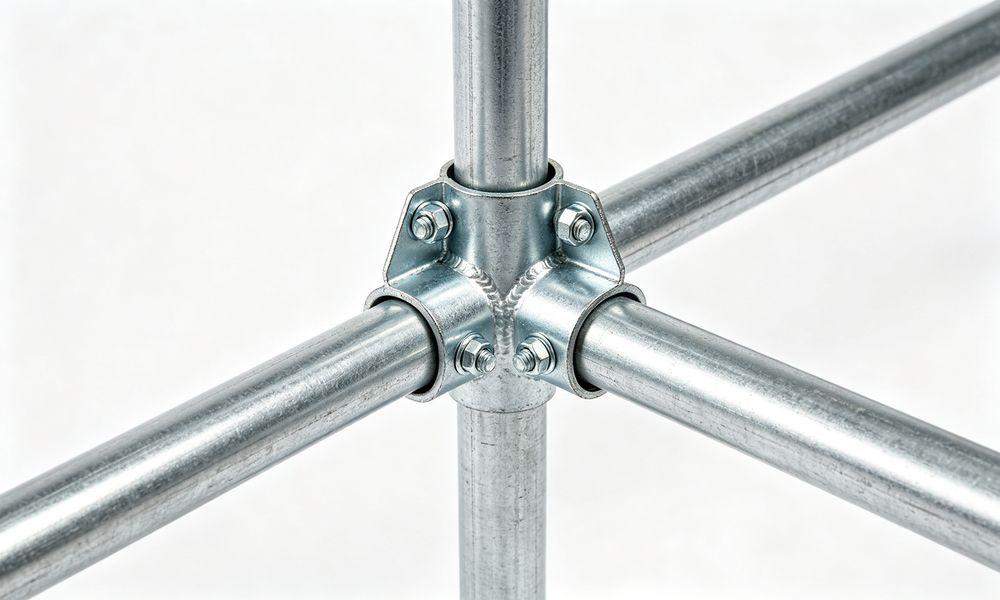
The framework is the skeleton of a frame tent, and its material determines strength, weight, durability, and corrosion resistance. Steel tubing is the strongest and most common option, offering high load-bearing capacity and resistance to bending.
Galvanized steel tubing provides additional corrosion resistance and is the standard for most institutional frame tents. Aluminum tubing is lighter and completely corrosion-resistant, but it has lower strength and higher cost, making it suitable primarily for portable or lightweight applications where frequent transport is required. Tube diameter typically ranges from 25 to 32 mm, with wall thickness from 1.0 to 2.0 mm depending on tent size and wind load requirements.
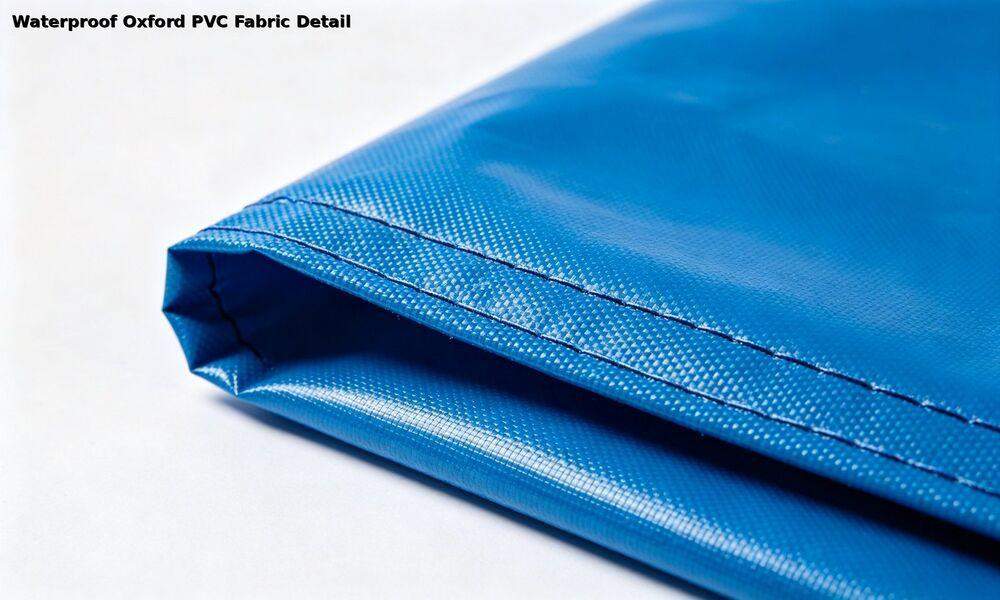
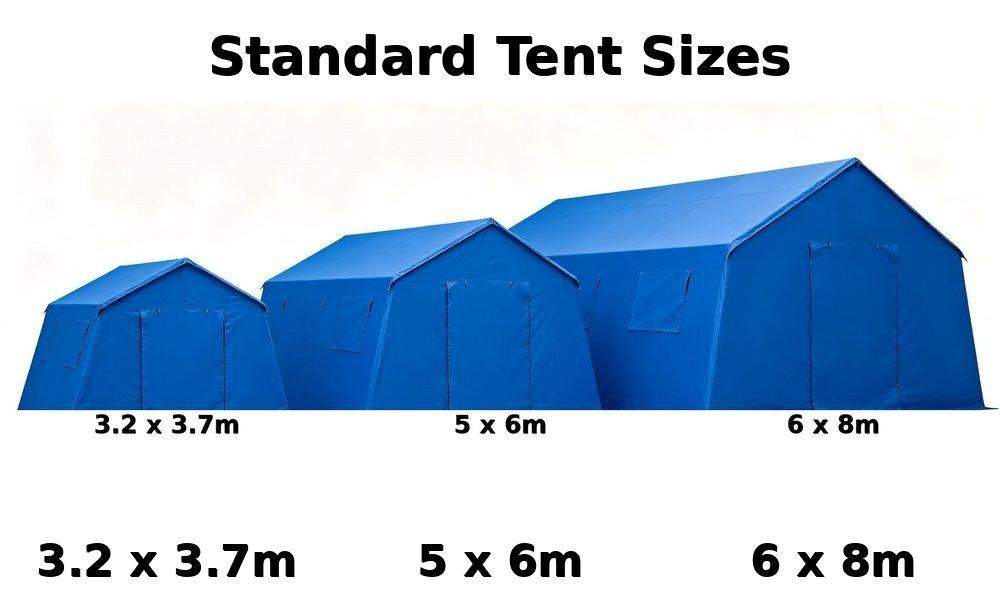
When evaluating frame tent size and capacity recommendations, it is important to understand that selecting the correct tent size is one of the most important procurement decisions. A tent that is too small leads to overcrowding and discomfort, while one that is too large wastes budget and may be harder to heat, cool, and secure. The following size and capacity guide provides a reference for institutional buyers, based on common emergency shelter configurations.
|
Size (L×W) |
Floor Area |
Capacity (Single Cots) |
Capacity (Bunk Beds) |
Doors |
Typical Use |
|
3×4 m |
12 m² |
6–8 people |
12–16 people |
1 |
Small clinic, guard post, office |
|
4×6 m |
24 m² |
12–16 people |
24–32 people |
1–2 |
Medium shelter, classroom |
|
5×7 m |
35 m² |
20–25 people |
40–50 people |
2 |
Large family shelter, dining hall |
|
6×8 m |
48 m² |
30–35 people |
60–70 people |
2 |
Command center, warehouse |
|
8×10 m |
80 m² |
50–60 people |
100–120 people |
2–3 |
Field hospital, large warehouse |
|
10×12 m |
120 m² |
80–100 people |
160–200 people |
3 |
Major settlement point, exhibition hall |
These capacity figures are guidelines only. Actual capacity depends on factors such as whether personal belongings and storage are included, whether aisles and circulation space are required, whether the tent is used for sleeping only or for combined sleeping and living, and whether partitions or internal walls are installed. For medical applications, capacity is significantly lower due to equipment placement and required sterile zones. Always plan for 10 to 20 percent additional space beyond the minimum calculated requirement.
|
Dimension |
Frame Tent |
Pole Tent |
|
Support Structure |
Internal steel framework, concealed in fabric |
Central pole + peripheral poles, exposed |
|
Interior Space |
Clear span, no obstructions |
Central pole reduces usable area |
|
Setup Time |
30 min – 2 hrs (3–5 people) |
15–45 min (2–3 people) |
|
Wind Resistance |
8–10 Beaufort (62–88 km/h) (wind resistant) |
6–8 Beaufort (39–61 km/h) |
|
Lifespan |
5–10 years |
2–5 years |
|
Weight (5×7m) |
150–300 kg |
80–150 kg |
|
Ground Compatibility |
Wide range (stakes or weights) |
Requires stakeable ground |
|
Price Range |
Medium–High |
Low–Medium |
|
Best For |
Long-term, medical, military, storage |
Short-term, events, rapid deployment |
|
Property |
PE (Polyethylene) |
Oxford (PVC-coated Polyester) |
PVC Laminated Mesh |
|
Weight |
100–200 g/m² |
200–400 g/m² |
400–800 g/m² |
|
Waterproof |
2000–3000 mm |
3000–5000 mm |
5000–8000 mm |
|
Durability |
2–3 years |
3–5 years |
5–8 years |
|
Flame Retardant |
Treated (optional) |
Treated (optional) |
Inherent |
|
Weight |
Light |
Medium |
Heavy |
|
Price |
Low |
Medium |
High |
|
Best For |
Short-term, budget-limited |
General disaster relief |
Medical, long-term, harsh environments |
When evaluating which is better frame or pole tent for your needs, it is important to understand that with so many variables to consider, choosing between a frame tent and a pole tent can feel overwhelming. The following five-step decision process provides a systematic framework that procurement officers can apply to any shelter sourcing scenario, ensuring that the chosen structure matches operational requirements, budget constraints, and logistical capabilities.
Begin by clearly defining the primary purpose of the tent and the expected duration of deployment. Ask: Will this tent be used for emergency shelter, medical care, military operations, storage, education, or events? Is the deployment expected to last days, weeks, months, or years? For deployments exceeding one month, frame tents are generally preferred due to durability and low maintenance. For short-term deployments of less than two weeks, pole tents may offer adequate performance at lower cost and faster setup.
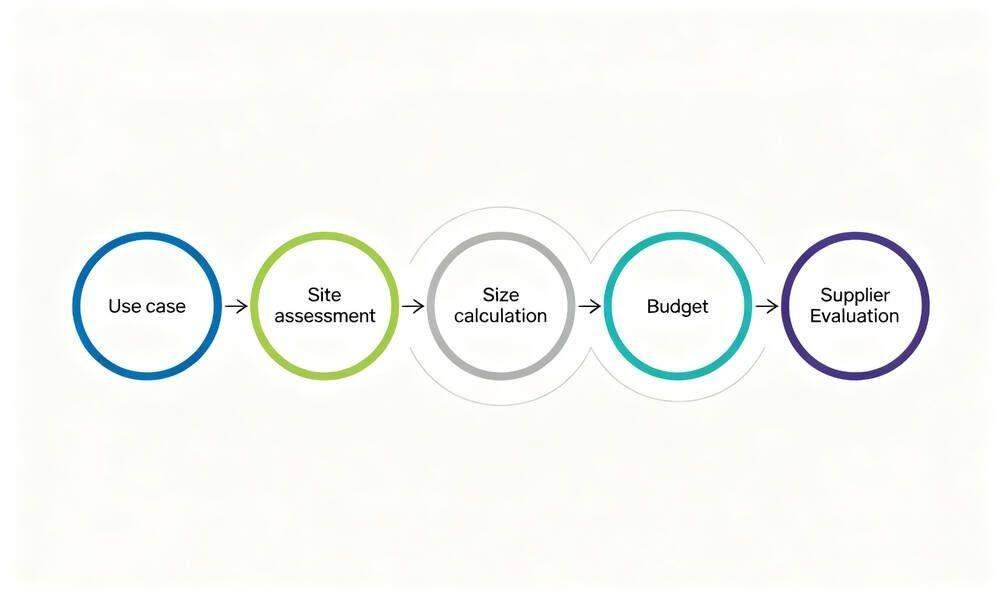
Evaluate the deployment site's ground type (grass, mud, concrete, sand, rock), terrain slope, exposure to wind and precipitation, and climate extremes (temperature, humidity, UV intensity). Sites with hard or paved surfaces, significant slopes, or high wind exposure strongly favor frame tents. Sites with soft, stakeable ground and moderate weather may be suitable for pole tents. Consider the worst-case weather conditions the tent may face, not just average conditions.
Determine the number of occupants, the type of equipment or furniture to be accommodated, the need for internal partitions or zones, and any special requirements (medical equipment, communication gear, lighting). Use the size guide above as a starting point, then add 10 to 20 percent buffer space. Remember that frame tents provide 100 percent usable floor area, while pole tents lose approximately 15 to 20 percent to the central pole and fabric geometry.
Consider not just the initial purchase price, but the total cost of ownership over the expected lifespan. Frame tents have higher upfront cost but lower annualized cost due to longer lifespan and lower maintenance. Pole tents have lower upfront cost but may need replacement sooner and require more frequent repairs. Factor in transport costs (frame tents are heavier), setup labor costs (frame tents take longer), and maintenance supplies (repair kits, replacement parts, cleaning materials).
Once the tent type, size, and specifications are determined, evaluate potential suppliers based on manufacturing capability, quality certifications, delivery track record, after-sales support, and communication responsiveness. Request product samples or detailed specification sheets. If possible, arrange for a demonstration unit to inspect fabric quality, frame construction, stitching, hardware, and overall workmanship. For wholesale tent procurement, verifying supplier reliability is as important as verifying product specifications.
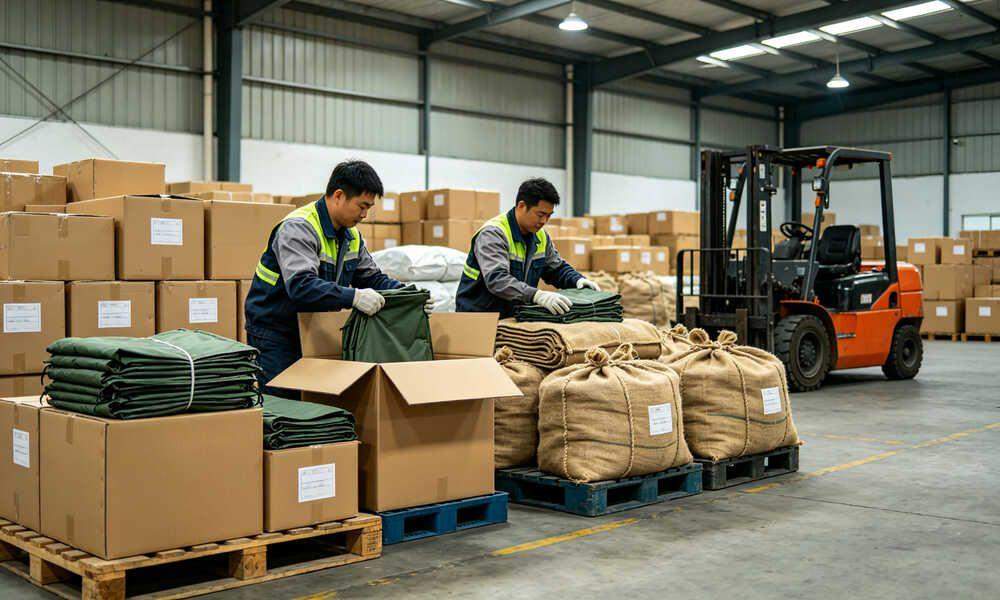
To receive an accurate quotation and professional recommendations, buyers should provide as much relevant information as possible in their initial inquiry. Vague requests lead to generic quotes that may not match actual requirements, while detailed specifications enable suppliers to propose optimized solutions and identify potential issues early in the process.
Weather conditions and intended duration of use are two of the most influential factors in determining whether a frame tent or pole tent is the better choice. Matching the structure to these conditions ensures safety, durability, and cost-effectiveness over the deployment period.
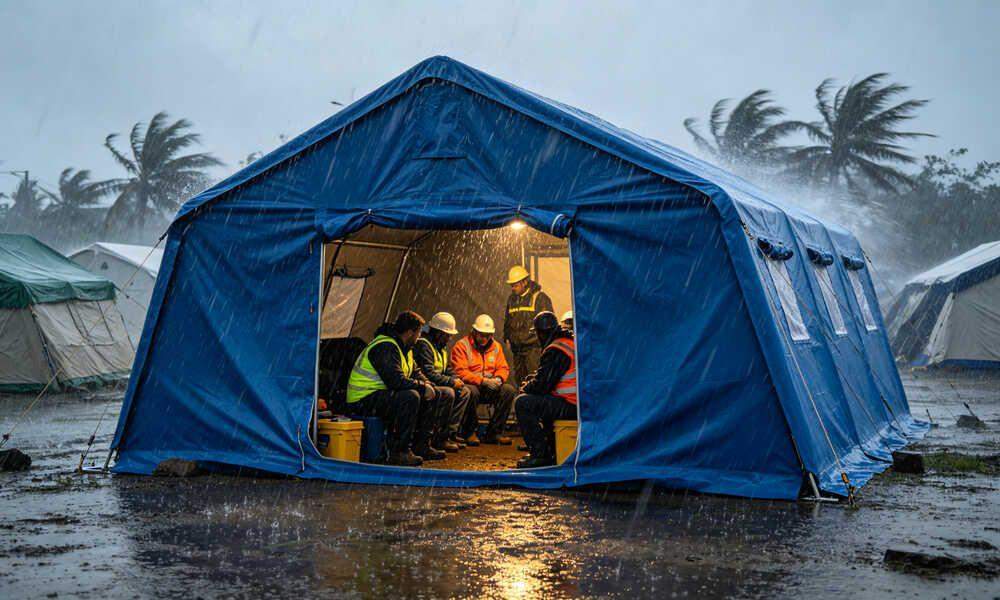
In regions prone to wind resistant strong winds — coastal areas, open plains, mountain passes, desert regions, and monsoon zones — frame tents are strongly recommended. The internal steel framework distributes wind loads across the entire structure, and the relatively low, aerodynamic profile reduces wind resistance. Frame tents are typically engineered to withstand Beaufort scale 8 to 10 (62 to 88 km/h, or 39 to 55 mph) when properly staked and tensioned.
Pole tents, with their higher profile and tension-dependent structure, are more vulnerable to wind damage. In high winds, pole tents can experience pole bending, guy rope failure, fabric tearing, or even complete structural failure. If pole tents must be used in windy locations, additional guy ropes, heavier stakes, and windbreaks should be employed, and the tents should be lower and more compact than standard designs.
In regions with heavy rainfall, both tent types require high-performance waterproof fabric (minimum 5000 mm hydrostatic head). Frame tents, with their gently sloped roofs, may be more prone to water pooling if the roof tension is not properly maintained. However, most frame tent designs incorporate roof tensioning systems and internal drainage channels to prevent pooling.
Pole tents, with their steeper, peaked roofs, generally shed water more efficiently. In humid climates, ventilation is critical to prevent condensation buildup and mold growth. Both tent types should be equipped with adjustable windows and roof vents. Frame tents can accommodate more ventilation points due to their rigid wall structure, making them preferable for long-term use in humid environments.
In cold climates, insulation and heat retention become important. Frame tents can be fitted with insulated liners, thermal flooring, and heating systems more easily than pole tents, due to their rigid framework and clear interior. The air gap between the outer fabric and an optional inner liner provides additional insulation.
In hot climates, shade, ventilation, and light-colored fabrics are essential. White or light-colored fabrics reflect sunlight and reduce interior temperatures. Both tent types benefit from light colors, but frame tents' larger wall area and ability to support multiple windows and vents provide better passive cooling. For extreme temperature environments, frame tents offer more options for climate adaptation.
The duration of deployment is perhaps the single most important factor in the frame vs pole decision. For short-term deployments — emergency shelter response lasting days to weeks, temporary events, rapid assessment missions — pole tents offer the advantages of quick setup, light weight, easy transport, and lower cost.
For medium-term deployments — refugee camps, field hospitals, military bases lasting 1 to 6 months — frame tents begin to show advantages in durability and reduced maintenance. For long-term deployments — permanent or semi-permanent installations lasting more than 6 months — frame tents are almost always the better choice, as their longer lifespan (5 to 10 years vs 2 to 5 years for pole tents) and lower annual maintenance costs result in lower total cost of ownership.
A tent's performance and comfort depend on both the outer cover and the inner lining, and these two components serve different functions. The outer cover provides environmental protection — waterproofing, wind resistance, UV protection, and flame retardancy. The inner lining contributes to thermal comfort, condensation management, aesthetics, and acoustic dampening. Evaluating these materials separately helps buyers specify the right combination for their climate and application.
The outer cover is the primary barrier against the elements. As discussed in Section 8, the three main options are PE, Oxford (PVC-coated polyester), and PVC laminated mesh, each with different weight, waterproofing, durability, and cost characteristics.
For the outer cover, the most critical specifications are: waterproof rating (hydrostatic head in mm), tear strength (important for withstanding wind and handling), UV stability (resistance to sun degradation), flame retardant classification, and weight (which affects transport and handling). The outer cover should also have reinforced stress points at corners, door openings, and stake attachment points, as these are the areas most prone to tearing under load.
Inner linings are optional but highly recommended for medium- and long-term deployments, especially in climates with temperature extremes or high humidity. Common lining materials include: polyester (the most common, lightweight, breathable, easy to clean), cotton (excellent breathability and comfort, but heavier and more prone to moisture absorption and mold), and PVC (waterproof and easy to disinfect, but less breathable and suitable primarily for medical applications).
Linings are typically attached to the frame with hooks or Velcro, creating an air gap between the outer cover and inner liner. This air gap provides insulation, reduces condensation, and improves thermal comfort. For medical applications, removable and washable linings are recommended for infection control.
The optimal combination of cover and lining depends on the deployment climate. In cold climates: use a heavyweight PVC or Oxford outer cover (5000+ mm waterproof) with a polyester or cotton insulated inner liner, and consider adding a thermal floor. In hot and dry climates: use a light-colored Oxford outer cover (white, beige, or light blue) with a breathable polyester inner liner, and ensure maximum window and vent openings.
In hot and humid climates: use a mold-resistant Oxford or PVC outer cover with a lightweight, breathable polyester inner liner (avoid cotton, which retains moisture), and prioritize ventilation. In moderate climates: a standard Oxford outer cover with optional polyester inner liner provides good year-round performance. For medical applications regardless of climate: PVC outer cover with removable, washable PVC or polyester inner liner for infection control.
The details of entrance design, ventilation systems, and everyday usability features significantly impact how comfortable and functional a tent is in actual operation. These elements are often overlooked during procurement but become daily concerns for end users. Careful evaluation of these details ensures that the tent serves its intended purpose effectively over the full deployment period.
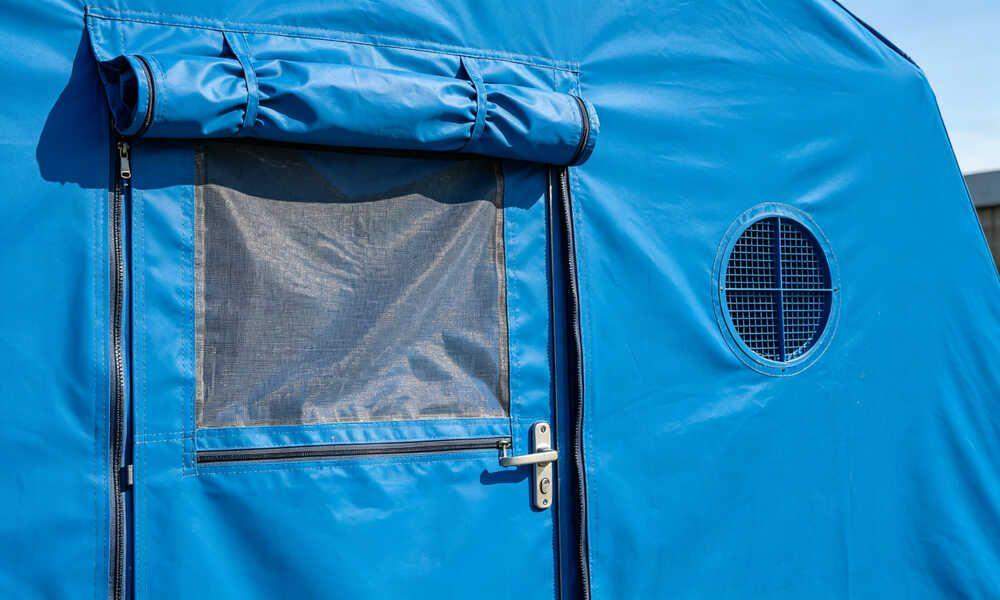
Doors are the primary access points and their design affects usability, security, weather resistance, and emergency egress.
Key considerations include: number of doors (small tents may have one, while larger tents should have two for circulation and emergency access; medical tents may need three or more, including a wide entrance for stretchers), door size (standard doors are approximately 1.2–1.5 m wide; double-wide or ambulance-accessible doors may be needed for medical or logistics applications), door type (zippered, roll-up, or flap — zippered doors provide better weather sealing, roll-up doors are convenient for high-traffic areas, and flap doors are simple but less weather-resistant), and door position (doors at opposite ends or sides improve cross-ventilation and circulation; doors should be positioned away from prevailing winds if possible).
Proper ventilation is essential for occupant comfort, health, and safety.
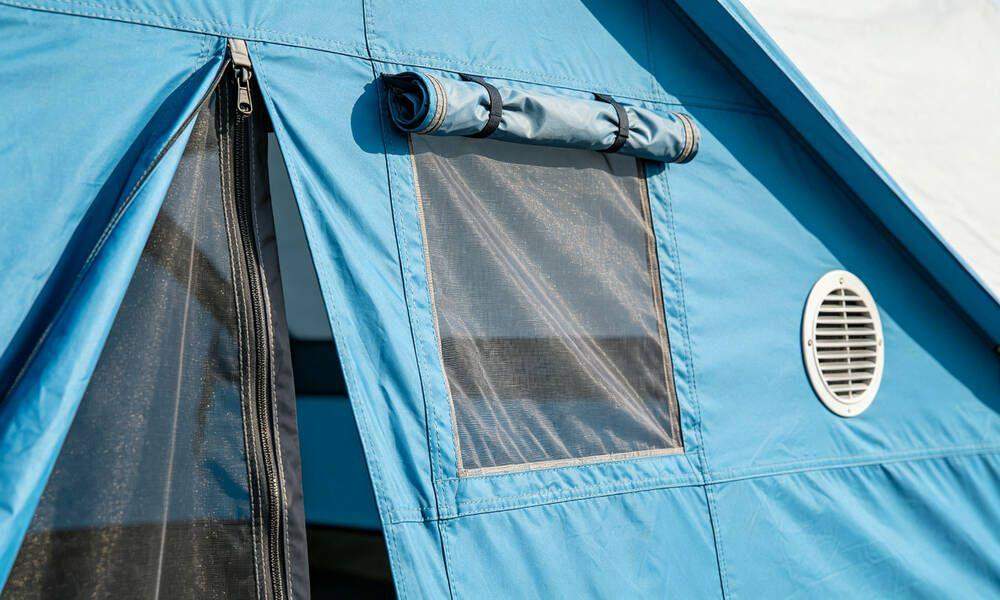
Inadequate ventilation leads to condensation buildup, mold growth, stale air, excessive heat, and increased risk of respiratory illness. Effective ventilation systems include: adjustable windows (with mosquito netting for insect-prone areas, and clear vinyl covers for cold weather), roof vents (located at the highest point to allow hot air to escape), wall vents (positioned at low and high levels to create cross-ventilation and air circulation), and door positioning (doors at opposite ends create through-drafts when open).
Frame tents have an advantage in ventilation design because their rigid walls can support multiple window and vent openings at various heights. For tents used in tropical or humid environments, prioritize maximum ventilation with insect protection. For cold environments, balance ventilation with heat retention — adjustable vents allow occupants to control airflow based on conditions.
Several additional features contribute to everyday usability and should be considered during specification: internal hanging points (hooks or loops attached to the frame for hanging lights, clothing, equipment, or medical supplies), cable entry ports (grommets or sealed passages for electrical cords, which prevent water ingress while allowing power access), storage pockets (fabric pockets on interior walls for small items, documents, or personal effects), floor attachment systems (Velcro or snap attachments for ground sheets or raised flooring), labeling and identification (clear labels on doorways, zones, or equipment for organized use, especially in medical or command tents), and repair kit inclusion (a comprehensive repair kit with fabric patches, adhesive, replacement zippers, spare stakes, and basic tools should accompany every tent for field maintenance).
When evaluating frame tent customization options for buyers, it is important to understand that institutional buyers — government agencies, international NGOs, military procurement offices, hospital networks, school districts, and humanitarian organizations — often require customized tents that meet specific operational requirements, branding standards, and regulatory compliance. Professional Chinese tent manufacturer from China offers a range of customization options that allow buyers to tailor products to their exact needs.
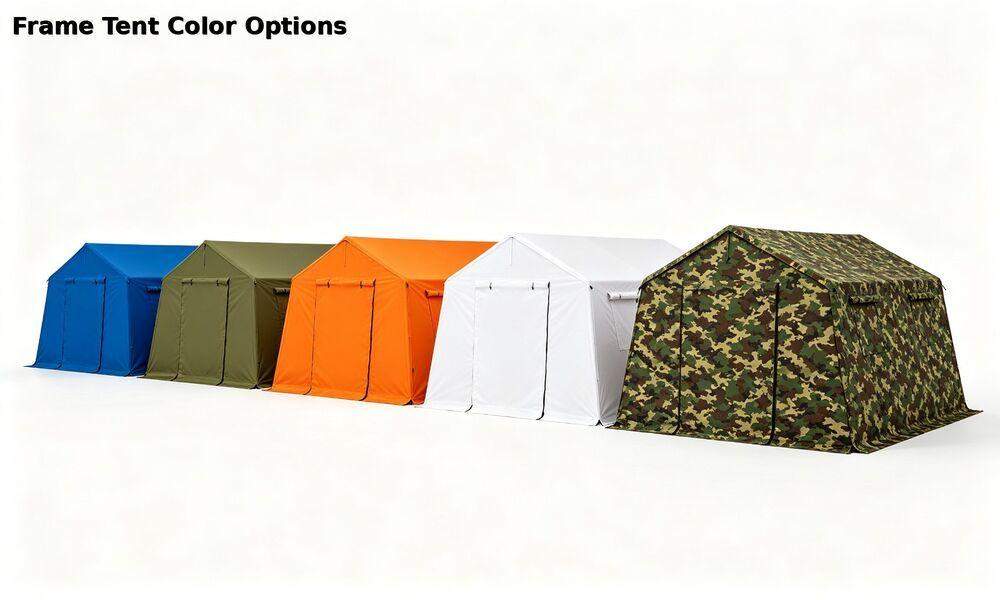
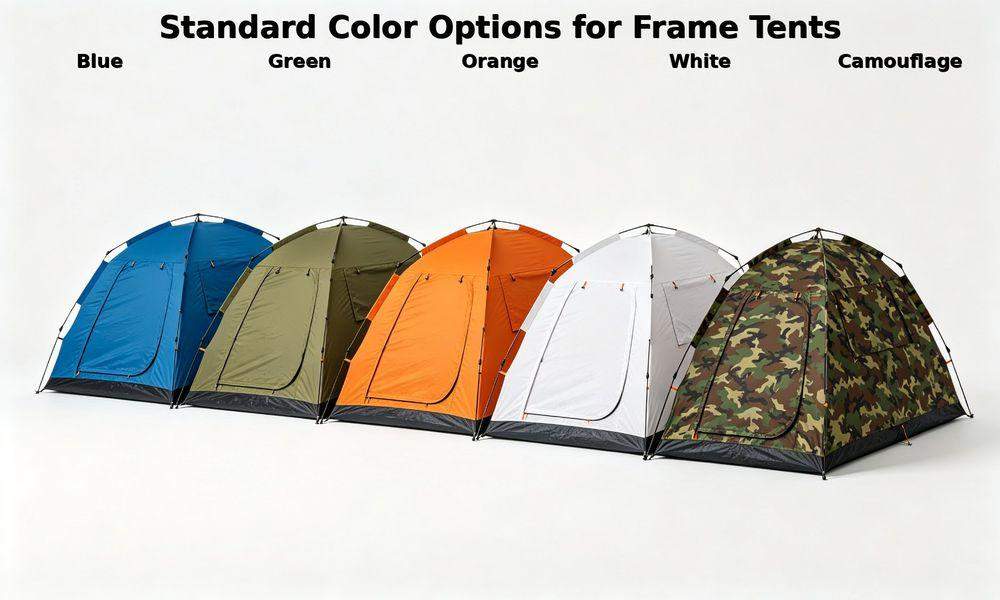
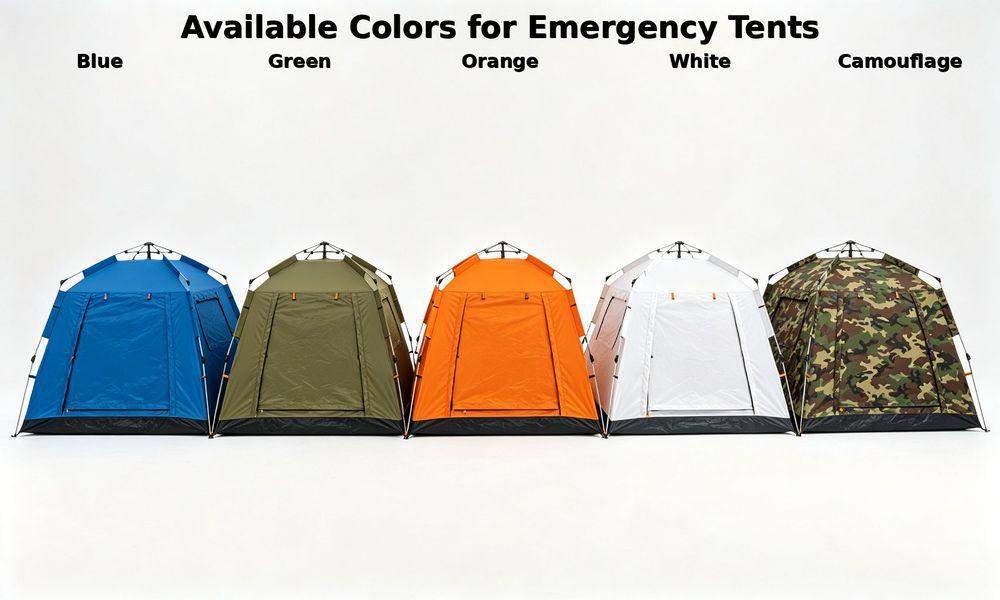
Standard colors for emergency and institutional tents include blue (the most common and versatile, suitable for general emergency shelter, schools, and storage), olive green or military green (standard for military and defense applications, provides some camouflage in vegetated areas), orange (high-visibility color used for search and rescue, emergency response, and marker tents), white (used for medical facilities, exhibition halls, and applications where a clean, bright interior is desired), and camouflage patterns (digital or traditional camouflage for military field use).
Beyond standard colors, many manufacturers offer custom color matching for organizational branding or specific operational requirements. Custom colors may involve minimum order quantities and longer lead times, so buyers should plan accordingly.
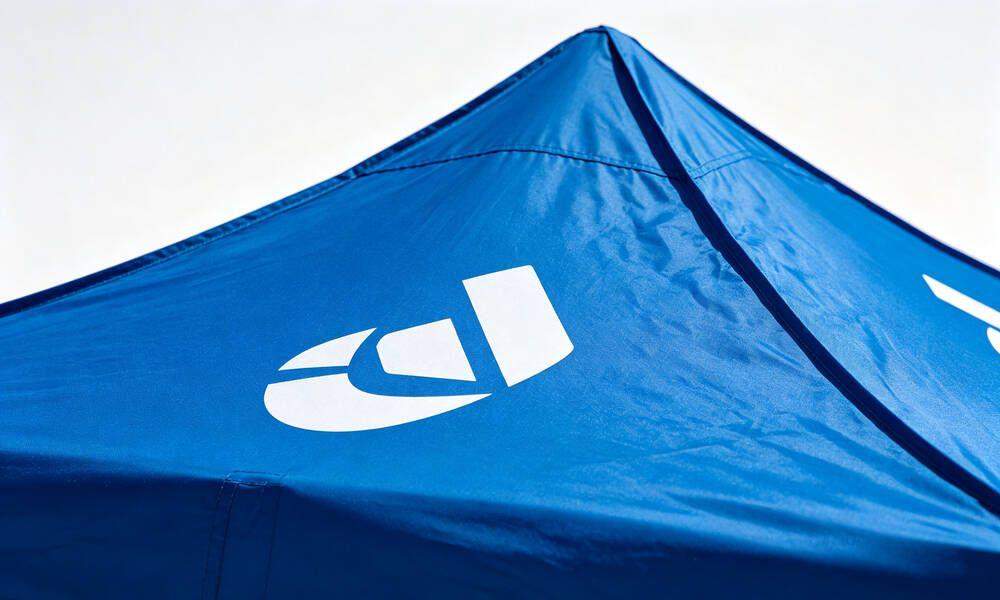
Organizations often require their logo, emblem, or identification markings on tents for branding, accountability, and security purposes. Common printing methods include screen printing (suitable for simple logos and text in one or two colors, cost-effective for large quantities), heat transfer printing (provides higher resolution and more colors, suitable for complex logos), and digital printing (offers the highest resolution and full-color capability, suitable for detailed graphics or photographs).
Logo placement options include the front wall above the door, side walls, roof panels, and door flaps. For medical and humanitarian organizations, identification markings may be required by regulations or donor requirements. It is important to note that printing on fabric may slightly reduce waterproof performance at the printed area, so high-quality inks and proper curing are essential.
While standard sizes cover most requirements, some operations need non-standard dimensions. Custom sizes may be required for: fitting into specific site constraints (narrow lots, irregular terrain, existing infrastructure), matching specific equipment layouts (medical imaging equipment, large generators, specialized machinery), integrating with existing structures (connecting to permanent buildings, other tents, or vehicles), or meeting specific capacity requirements that fall between standard sizes.
Custom sizes require engineering review to ensure structural integrity, and may involve additional design costs and longer production times. For waterproof emergency tent procurement with custom size requirements, early consultation with the manufacturer's engineering team is recommended.
A wide range of accessories and integrated systems can be customized to meet operational needs: lighting systems (integrated LED light strips, pendant lights, or solar-powered lighting), ventilation systems (powered exhaust fans, air conditioning units, heating systems for cold climates), flooring systems (integrated ground sheets, raised wooden or metal flooring, insulated flooring), partition systems (removable internal walls for creating separate rooms or zones), equipment hanging systems (customized racks, shelves, or mounting points for medical or communications equipment), and entry systems (airlock entrances for contaminated environments, decontamination vestibules, or wheelchair-accessible ramps).
These customizations transform a basic shelter into a functional facility tailored to specific operational requirements.

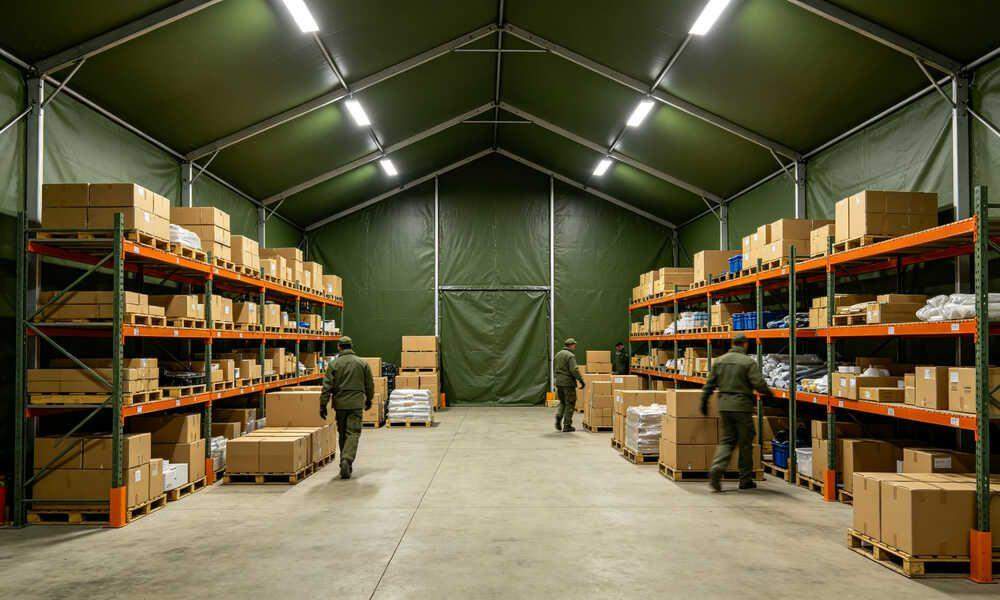
For institutional and wholesale buyers, verifying that tents meet relevant certifications and quality standards is essential for ensuring safety, durability, and regulatory compliance. Certifications provide third-party validation that products have been tested and meet established performance criteria. However, buyers should be aware that not all certifications are equally rigorous, and some suppliers may present expired, irrelevant, or falsified certificates.
Management system certifications indicate that a manufacturer operates according to internationally recognized quality and operational standards. ISO 9001 (Quality Management System) is the most fundamental certification, demonstrating that the manufacturer has established processes for quality control, document control, corrective action, and continuous improvement. ISO 14001 (Environmental Management System) indicates that the manufacturer manages its environmental impacts — relevant for organizations with sustainability requirements.
OHSAS 18001 or ISO 45001 (Occupational Health and Safety Management) demonstrates attention to worker safety. While these certifications do not directly guarantee product quality, they are indicators of a professionally managed manufacturing operation. Buyers should verify that certificates are current, issued by accredited certification bodies, and cover the relevant scope of operations.
Product-specific standards and test reports validate the performance characteristics of the tent itself.
Key standards include: flame retardancy (BS 5867 for fabrics, EN 13501 for construction products, CPAI-84 for tents, NFPA 701 for flame-resistant textiles), waterproof performance (tested according to ISO 811 or AATCC 127, measured in mm hydrostatic head), tensile and tear strength (tested according to ISO 13934 for tensile, ISO 13937 for tear), UV resistance (tested according to ISO 105-B02 or AATCC 16, measured in UPF rating), wind resistance (structural load testing according to relevant building or tent standards), and cold crack resistance (for PVC fabrics tested at low temperatures according to ISO 7854).
Buyers should request test reports from accredited third-party laboratories, not just manufacturer's internal test data.
To avoid relying on invalid or fraudulent certifications, buyers should take the following verification steps: request original or certified copies of certificates, not just photocopies or digital images; verify certificate numbers directly with the issuing certification body (most certifiers provide online verification tools); confirm that certificates are within their validity period (most are valid for 3 years with annual surveillance audits); check that the certification scope covers the specific products being purchased (a certificate for small camping tents does not cover large institutional frame tents); for product test reports, verify that the testing laboratory is accredited (ISO 17025 accreditation is the international standard for testing laboratories); and consider arranging independent third-party inspection of a sample or pre-production unit, especially for large orders.
Due diligence in certification verification protects buyers from substandard products and potential liability issues.
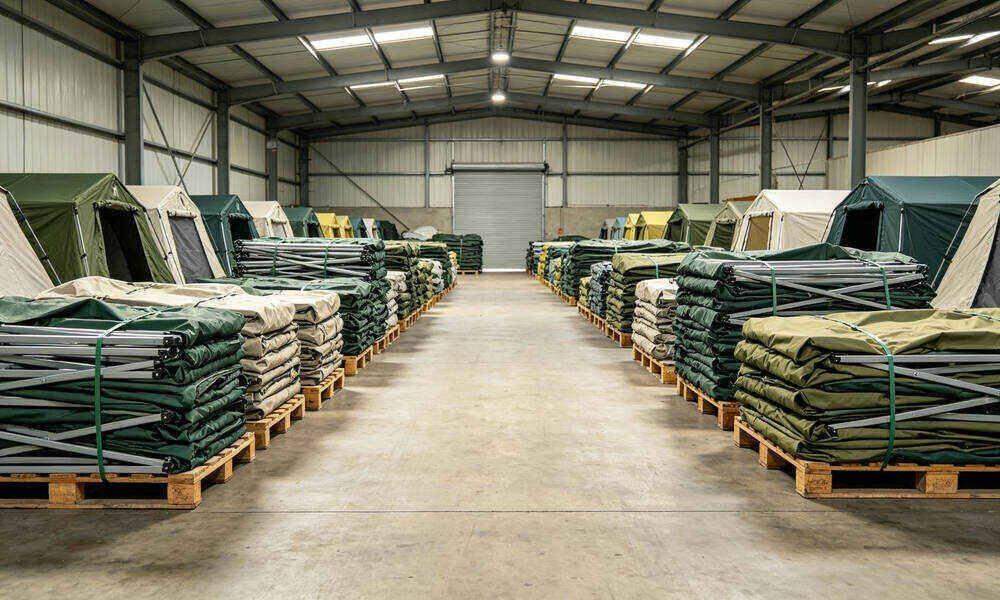
When evaluating frame tent lifespan and maintenance guide, it is important to understand that proper maintenance and storage practices significantly extend the service life of emergency tents and reduce long-term ownership costs. Understanding how to clean, inspect, repair, store, and expect tents to perform over time helps organizations plan for replacement cycles and budget appropriately. This section covers best practices for maintaining both frame and pole tents in operational condition.
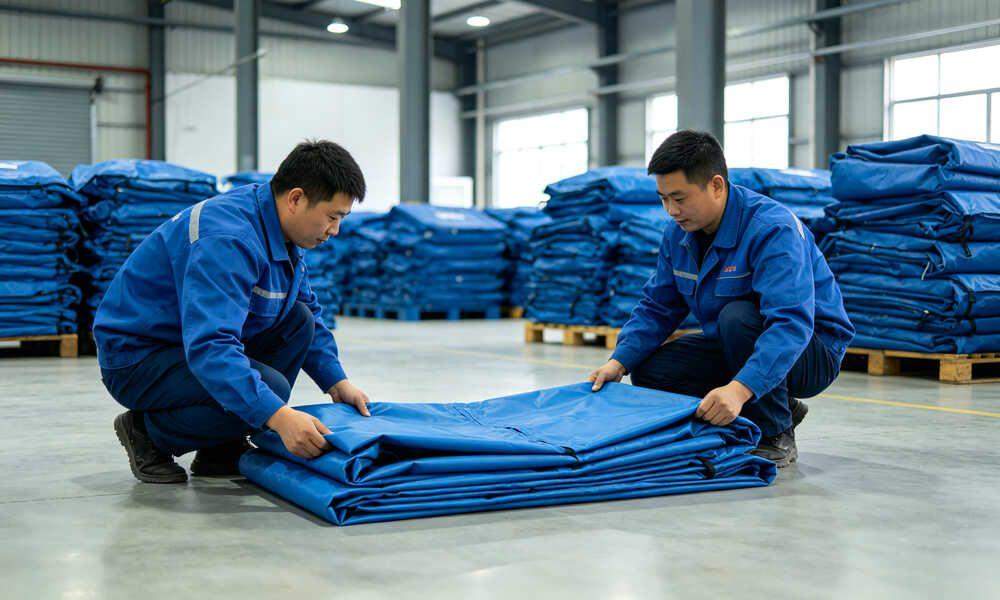
After each deployment, tents should be cleaned before storage to remove dirt, mud, bird droppings, tree sap, and other contaminants that can degrade fabric over time.
The recommended cleaning method is: set up the tent or lay it flat on a clean surface; brush off loose dirt with a soft-bristled brush; wipe soiled areas with a damp cloth and mild, pH-neutral detergent (avoid harsh chemicals, bleach, or abrasive cleaners that can damage waterproof coatings and flame retardant treatments); rinse thoroughly with clean water to remove all detergent residue; and allow the tent to dry completely before packing.
Machine washing is generally not recommended for large institutional tents, as the agitation can damage fabric coatings, seams, and waterproof membranes. Frame components should be wiped clean and inspected for rust, bending, or damage before storage.
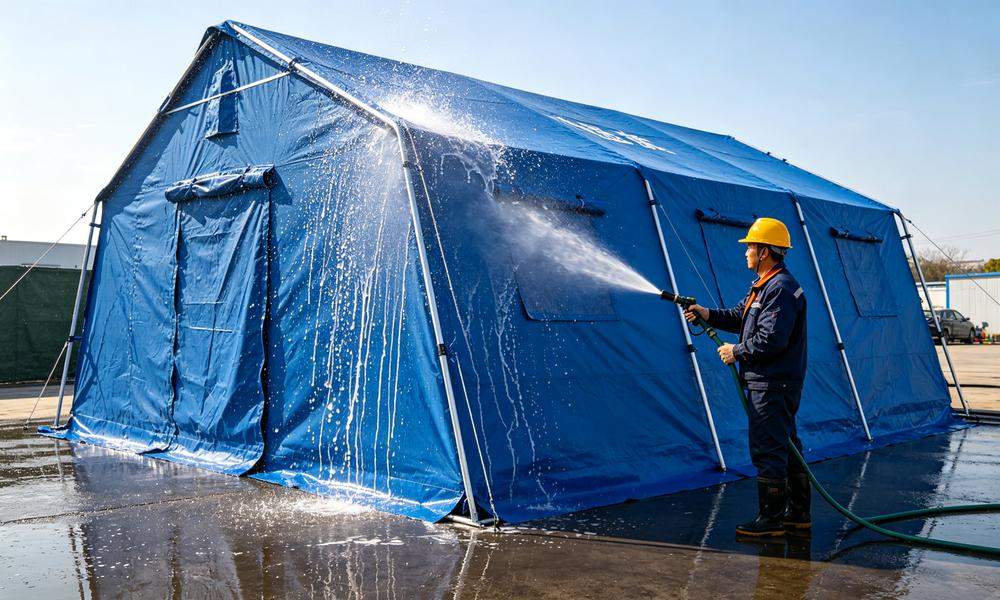
Thorough drying is the single most important factor in preventing mold, mildew, and fabric degradation during storage. Tents must be completely dry — including all seams, hems, and folded areas — before being packed. The recommended drying method is to erect the tent in a shaded, well-ventilated area and allow it to air dry naturally.
Direct sunlight should be avoided for prolonged drying, as UV exposure accelerates fabric degradation. If space is limited, fabric can be draped over clean lines or laid on clean tarps.
Storage conditions should be: cool, dry, and well-ventilated; protected from direct sunlight; elevated off the ground (on pallets or shelves) to prevent moisture absorption from concrete floors; protected from rodents and insects (which can chew through fabric and nesting in stored tents); and not compressed under heavy weights (which can cause permanent creasing and damage to waterproof coatings).
Frame tubes should be stored vertically or horizontally in a dry area, with connectors and small parts in labeled bags to prevent loss.
Despite proper care, tents may experience damage during use.
Common issues include: fabric punctures or tears (from sharp objects, debris, or vandalism — repairable with fabric repair tape or patches and adhesive), seam leakage (from degraded seam tape — repairable with seam sealer or replacement of affected sections), zipper damage (from dirt, force, or wear — repairable with zipper replacement kits or professional repair), frame tube bending or cracking (from wind, impact, or improper setup — replace damaged tubes with matching specifications), stake bending (from hard ground or excessive force — straighten if mild, replace if severely bent), and guy rope fraying or breakage (from wind or abrasion — replace with equivalent or stronger rope).
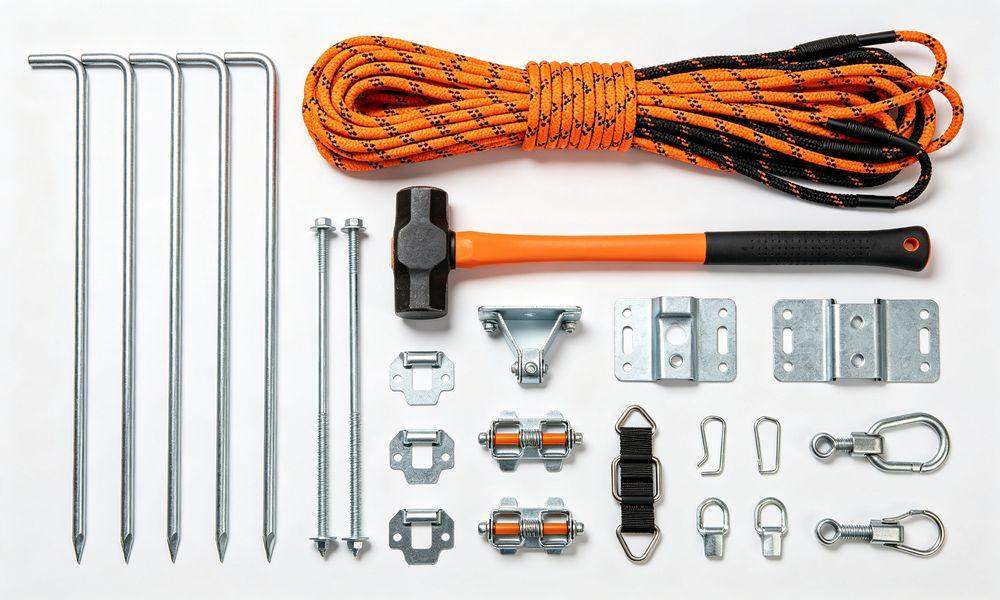
A well-equipped field repair kit should include: fabric patches and adhesive, seam sealer, replacement zippers, spare stakes, spare guy ropes, a mallet, a brush, a knife, and a sewing awl. Minor repairs can be performed in the field; major structural damage should be evaluated by the manufacturer or a professional repair service.
The service life of a tent depends on multiple factors: fabric type and quality (PVC lasts longest, then Oxford, then PE), frequency of use (continuous deployment wears faster than occasional use), environmental conditions (UV exposure, wind, humidity, and temperature extremes accelerate degradation), maintenance practices (proper cleaning, drying, and storage significantly extend life), and handling during setup and takedown (rough handling causes unnecessary wear).
As general guidelines: frame tents with PVC fabric can last 5 to 8 years or more with proper care; frame tents with Oxford fabric typically last 3 to 5 years; frame tents with PE fabric last 2 to 3 years; pole tents generally last 2 to 5 years depending on fabric and usage.
These are estimates, and actual lifespan may vary. Regular inspection and proactive replacement of worn components can extend the usable life of a tent beyond these general ranges.
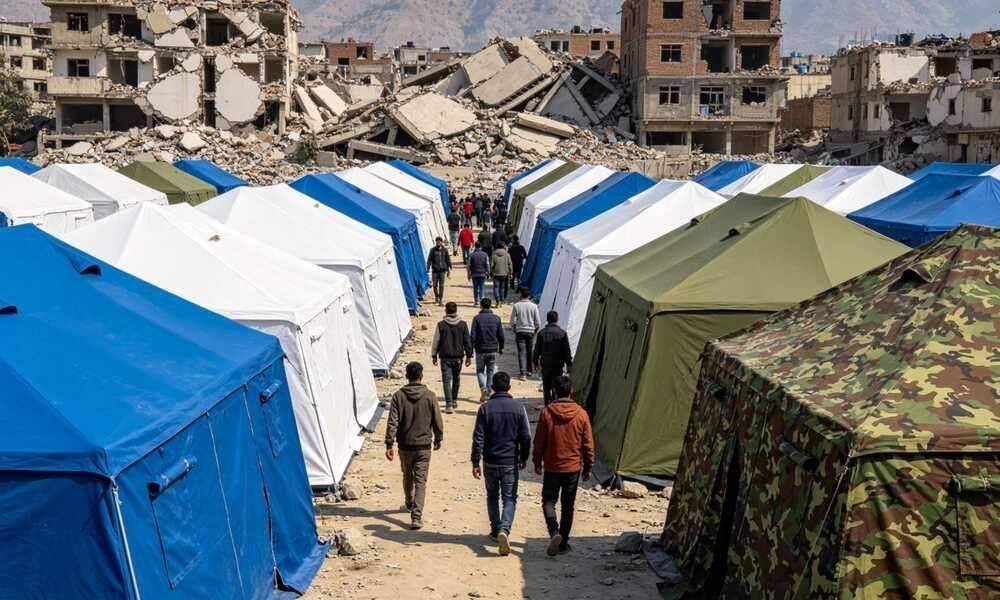
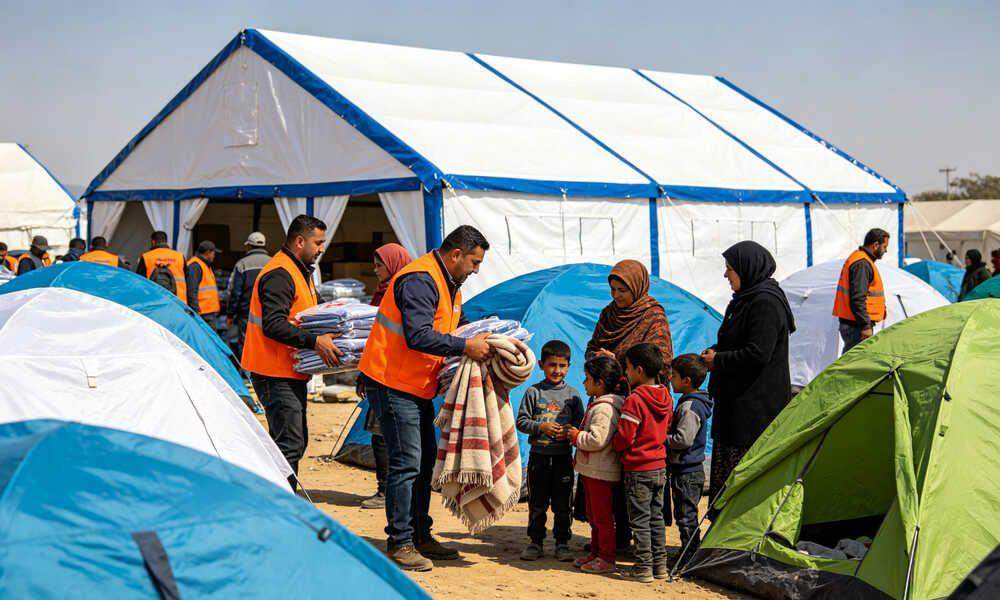
Frame tents have been deployed in countless disaster relief and emergency shelter response operations worldwide, demonstrating their versatility, durability, and effectiveness in challenging conditions. The following examples illustrate typical applications and outcomes, without referencing specific organizations or locations.
Supplied 2,000 units of 5x6m frame tents for refugee camp establishment. Delivered in 28 days. Client reported 98% tents in serviceable condition after 12 months of continuous use.
Delivered 800 units of military green pole tents (4x3m) with custom camouflage options. Passed strict military-grade durability testing. Repeat order placed within 6 months.
Rush order of 500 inflatable medical tents for field hospital deployment. Air freight delivered in 10 days. Tents equipped with HVAC-ready interfaces and medical gas pass-throughs.
Provided 300 units of school tent setup tents (6x8m) with enhanced ventilation and natural lighting. Installed in 45 rural communities. Used as permanent classroom solution for 3+ years.
Humanitarian Aid Organization - East Africa
Military Procurement - Southeast Asia
Emergency Response Agency - Middle East
School District - Latin America
* Client identities protected under NDA. Project details available for qualified buyer verification.
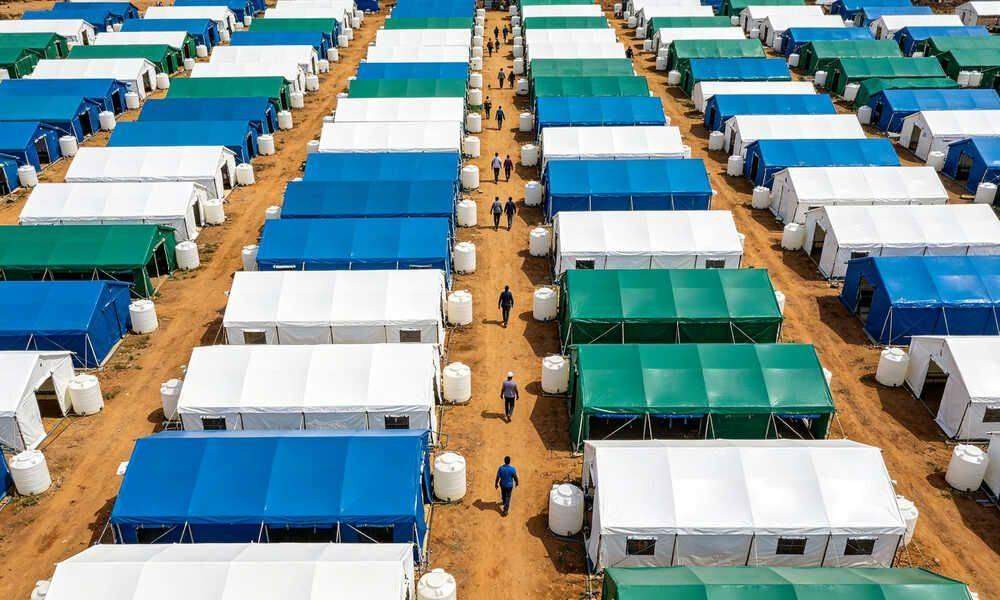
Following major seismic events, large numbers of homes are damaged or destroyed, and displaced populations require immediate shelter. Frame tents are typically deployed in organized camps located on safe, level ground near the affected area. A standard 5×7 meter frame tent can house a family of 6 to 8 people, or serve as a communal facility such as a kitchen, latrine block, or distribution center.
In earthquake zones, frame tents' ability to withstand aftershocks and high winds — combined with their clear interior for bedding and personal effects — makes them the preferred shelter type. Camps may consist of hundreds or thousands of frame tents arranged in orderly rows with access roads, water points, and sanitation facilities. The tents' durability allows them to remain in service for the duration of the recovery period, which may extend for months or years while permanent housing is reconstructed.
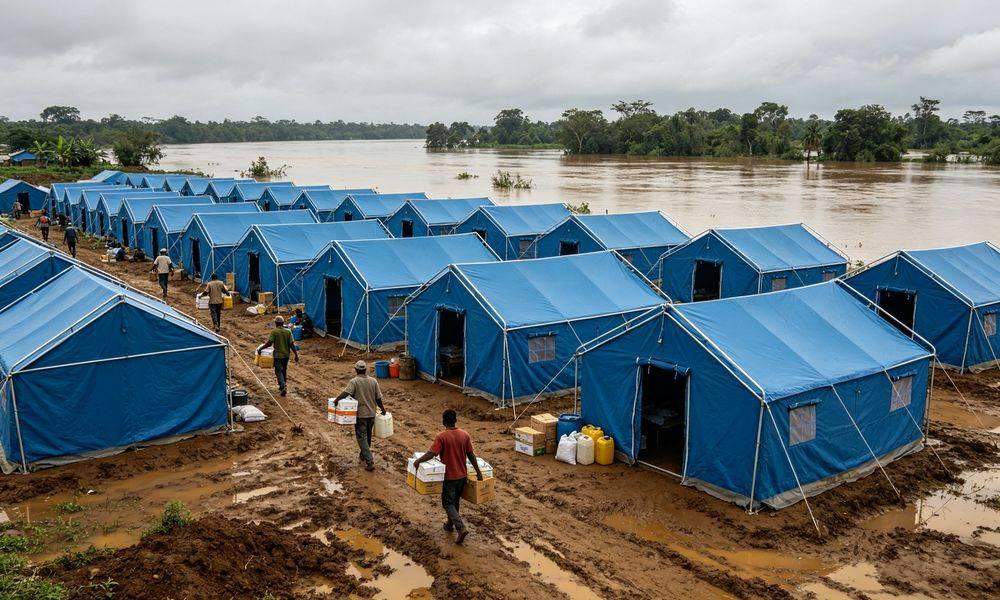
In flood disasters, populations are evacuated from inundated areas to higher ground, where temporary camps are established. Frame tents are used both as immediate emergency shelters and as longer-term recovery housing while floodwaters recede and homes are repaired.
Because flood zones often have muddy, uneven terrain and may experience continued rainfall, frame tents' adaptability to various ground conditions and their high waterproof ratings are significant advantages. In some flood response operations, frame tents are also used as mobile medical clinics, water distribution points, and temporary schools for displaced children. The ability to quickly set up functional facilities in challenging environments makes frame tents a staple of flood response logistics.
When existing medical facilities are damaged, overwhelmed, or nonexistent, frame tents provide adaptable space for field hospitals and emergency medical clinics. A cluster of frame tents can be configured into a complete medical facility with separate zones for triage, examination, treatment, recovery, pharmacy, laboratory, and staff areas. The clear interior allows for efficient placement of hospital beds, medical equipment, and workstations.
The rigid framework supports hanging IV poles, surgical lights, and medical gas lines. PVC fabric, with its inherent flame retardancy and ease of cleaning and disinfection, is the preferred material for medical tents. Frame tent field hospitals have been deployed in conflict zones, disaster areas, and public health emergencies, providing critical medical care when and where permanent facilities are unavailable.
Military forces and peacekeeping organizations use frame tents extensively for forward operating bases, temporary camps, and field headquarters. Frame tents serve as command centers, mess halls, barracks, supply warehouses, maintenance workshops, and medical facilities.
The military's requirements for durability, security, and operational functionality align well with frame tent characteristics: the rigid framework provides structural integrity and can support equipment mounting; the clear interior allows for efficient layout of workspaces and sleeping quarters; and the durability supports extended deployments in challenging environments.
Military frame tents are often in olive green or camouflage colors, with reinforced fabrics and frames to meet military specifications. In peacekeeping operations, frame tents also serve as community facilities, police stations, and electoral processing centers, supporting both military and civilian functions.
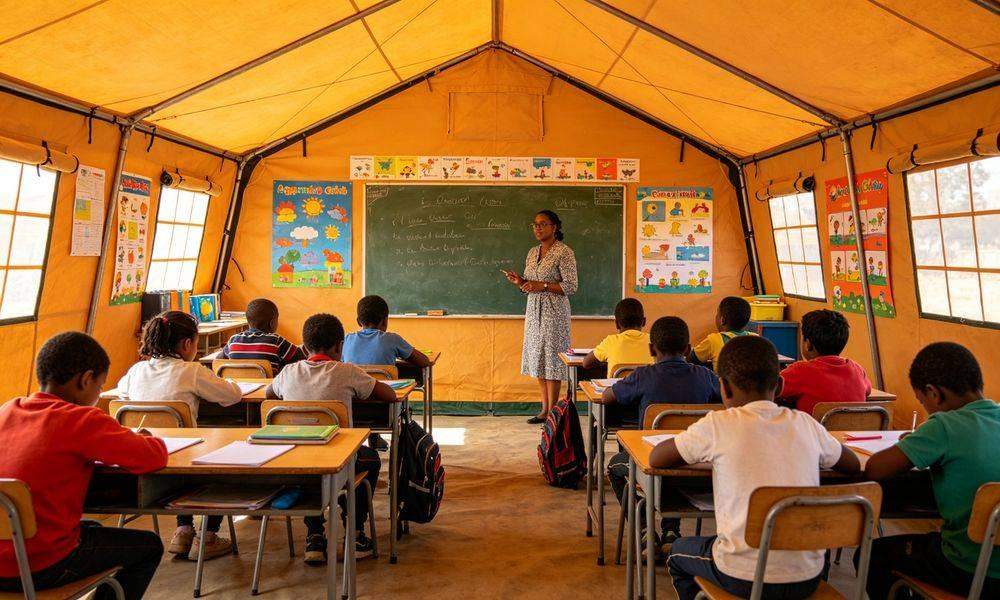
When schools are damaged by disasters, occupied for other purposes, or unavailable in refugee camps, frame tents provide temporary educational space. A 5×7 meter frame tent can accommodate 30 to 40 students with desks, a teacher's area, and storage for educational materials. The clear interior allows for organized classroom layout, and the rigid framework supports lighting, fans, and projection equipment.
Frame tent schools can be equipped with flooring, windows for natural light and ventilation, and insulation for temperature control. In refugee camps, tent schools are often the only educational opportunity available for children, and their operation is critical for maintaining normalcy and providing hope in difficult circumstances. The durability of frame tents allows them to serve as schools for multiple academic years if properly maintained.
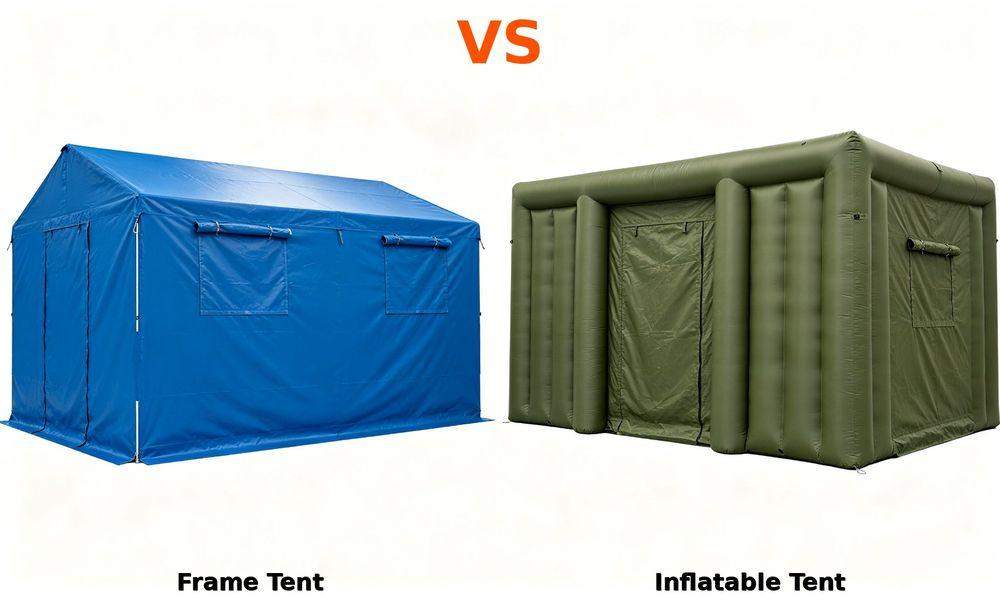
While the primary comparison in this guide is between frame tents and pole tents, inflatable tents represent a third option that buyers may encounter. Understanding how inflatable tents compare to frame tents helps buyers make fully informed decisions when evaluating all available shelter technologies.
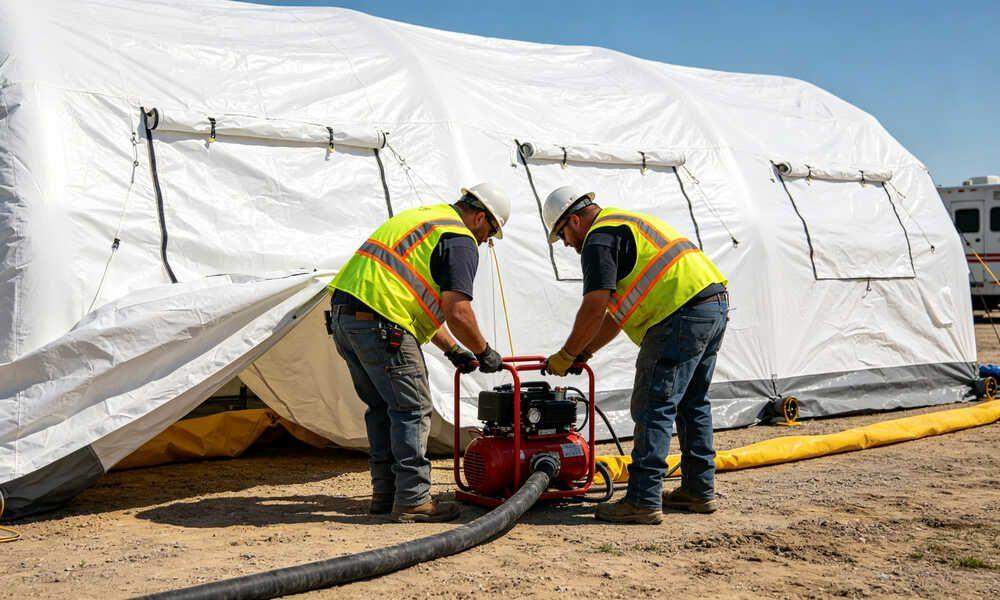
Inflatable tents use air-filled columns or tubes as the structural framework, rather than rigid steel poles. The tent is inflated using a pump — either manual, electric, or gasoline-powered — and the air columns provide structural rigidity when fully pressurized. Setup is significantly faster than frame tents: a large inflatable tent can be deployed in 10 to 30 minutes by 2 to 3 people, compared to 30 minutes to 2 hours for a frame tent.
This rapid deployment capability makes inflatable tents attractive for emergency first-response scenarios where immediate shelter is critical. However, inflatable tents require a reliable power source or pump for inflation, and they must be periodically checked and topped up with air if pressure drops over time. Frame tents, once set up, require no ongoing power or pressure maintenance.
Inflatable tents, like frame tents, offer clear interior space without central poles — the air columns form the walls and roof structure, leaving the interior unobstructed. The air columns are typically thicker than steel frame tubes, so they may occupy slightly more wall space, but the difference is minimal for most applications. In terms of stability, frame tents generally offer superior wind resistance.
The rigid steel framework of a frame tent provides consistent structural integrity regardless of external conditions, while inflatable tents depend on maintaining air pressure. In extreme winds, an inflatable tent may experience column deformation or, in worst-case scenarios, catastrophic deflation if a column is punctured. Frame tents are typically rated for Beaufort 8 to 10 winds, while inflatable tents are generally rated for 6 to 8. For deployments in high-wind areas or for long-term use, frame tents offer greater reliability.
Inflatable tents are generally lighter than equivalent-size frame tents, because they replace heavy steel tubes with lightweight air columns. A 5×7 meter inflatable tent might weigh 80 to 150 kilograms, compared to 150 to 300 kilograms for a frame tent. This lighter weight makes inflatable tents easier to transport and handle, especially for rapid response teams with limited logistics capacity. However, inflatable tents are generally less durable than frame tents.
The air columns are susceptible to punctures from sharp objects, and the fabric and valves require more careful handling and maintenance. A punctured air column can render the tent unusable until repaired, whereas a frame tent with a bent tube can often still function with the tube replaced.
Expected lifespan for inflatable tents is typically 3 to 7 years, compared to 5 to 10 years for frame tents. Repair of inflatable tents requires specialized patches and adhesives, and may be more complex than frame tent repairs.
Inflatable tents are generally more expensive than equivalent frame tents, due to the specialized materials, valves, and manufacturing processes involved. The higher upfront cost, combined with shorter lifespan and more complex maintenance, means inflatable tents have a higher total cost of ownership for long-term deployments. However, for specific applications, the benefits may justify the cost.
Recommended applications for inflatable tents include: rapid emergency shelter response where setup speed is critical (search and rescue, immediate disaster response, temporary medical triage), mobile operations requiring frequent setup and takedown (traveling clinics, mobile command posts), and situations where transport weight is severely constrained (airborne operations, remote access sites).
Recommended applications for frame tents include: medium- and long-term refugee camps and disaster settlements, field hospitals and medical facilities, military forward operating bases and barracks, temporary schools and educational facilities, storage warehouses and logistics hubs, and any deployment expected to last more than one month. For most institutional and disaster relief procurement, frame tents remain the standard choice due to their proven durability, low maintenance, and cost-effectiveness over the deployment lifecycle.
Dimension
Frame Tent
Inflatable Tent
Setup Time
30 min – 2 hrs
10–30 min
Setup Crew
3–5 people
2–3 people + pump
Wind Resistance
8–10 Beaufort
6–8 Beaufort
Weight (5×7m)
150–300 kg
80–150 kg
Lifespan
5–10 years
3–7 years
Maintenance
Low (no power needed)
Medium (check air pressure)
Price
Medium
High
Best For
Long-term, fixed camps
Rapid response, mobile ops
|
Minimum Order Quantity (MOQ) |
50 units for standard models; custom orders subject to confirmation. Larger quantities receive volume pricing. |
|
Sample Policy |
Samples available within 5-7 working days. Sample fee is refundable upon bulk order confirmation. |
|
Lead Time |
Standard orders: 15-20 working days for 500 units. Large orders (1000+ units): 25-30 working days. Exact timeline confirmed after order details finalized. |
|
Certifications |
ISO 9001 quality management, CE certification for EU markets, flame retardant standards (CPA I-84/FAR), SGS/BV third-party inspection available upon request. |
|
Factory Capacity |
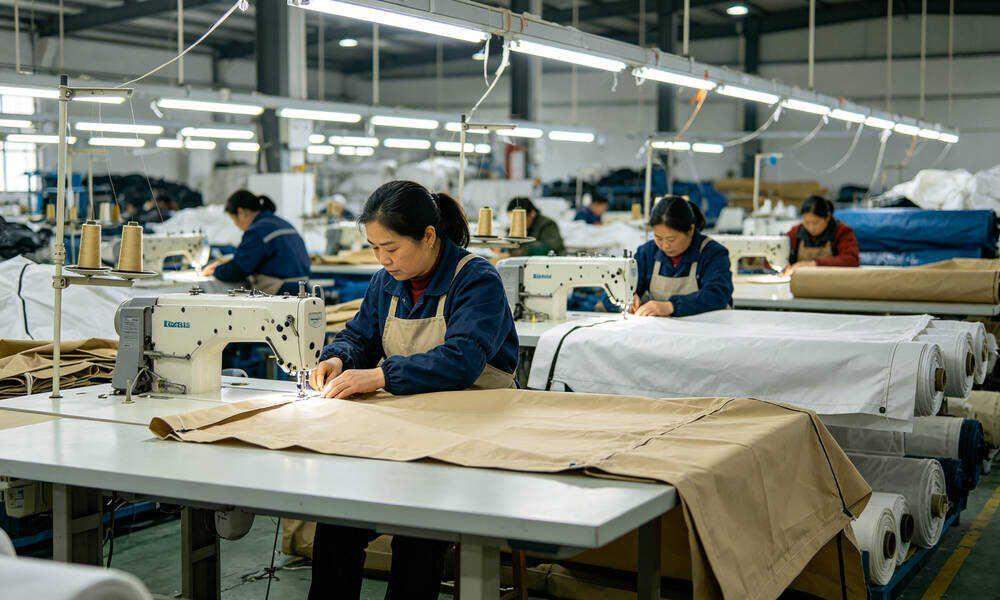
8,000 sqm production facility with 120 skilled workers. Monthly capacity: 15,000 units of frame tents and 8,000 units of pole tents. |
|
Customization |
Logo printing (silk screen/heat transfer), custom colors, size modifications, window/door layout changes, accessory packages tailored to requirements. |
* All specifications above are for reference only. Final terms confirmed in formal contract.
Before finalizing a frame tent order, buyers should systematically confirm all critical specifications and requirements. This final checklist ensures that nothing is overlooked and that the ordered product will meet operational needs. Use this checklist as a final review before issuing a purchase order or signing a contract.

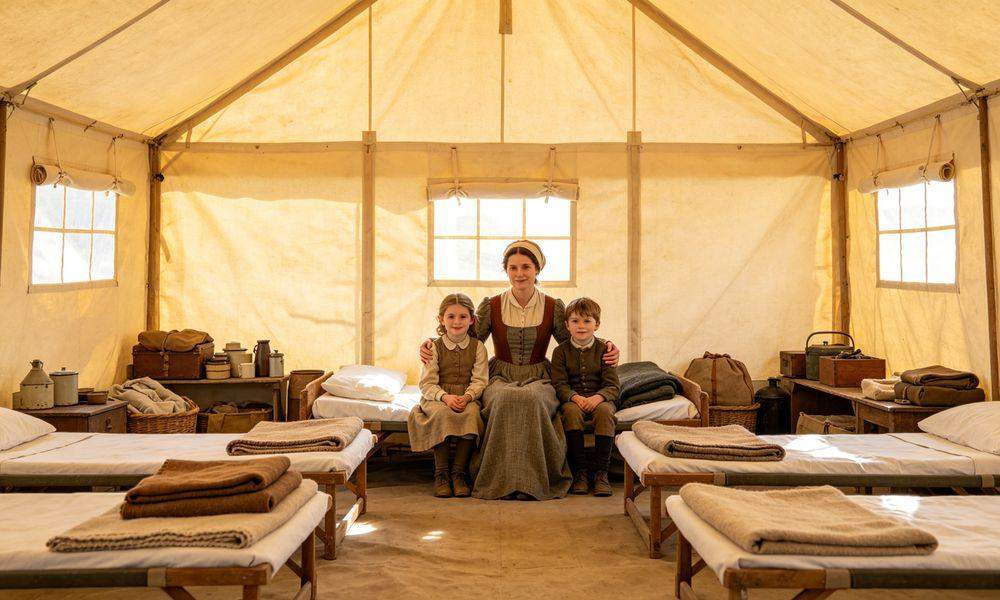
Selecting the right wholesale manufacturer and supplier is as important as selecting the right tent specifications. A reliable supplier ensures consistent quality, on-time delivery, transparent communication, and responsive after-sales support. For institutional buyers making large or repeated purchases, supplier selection is a strategic decision that impacts operational readiness and total cost of ownership. The following framework helps evaluate and select dependable emergency tent suppliers.
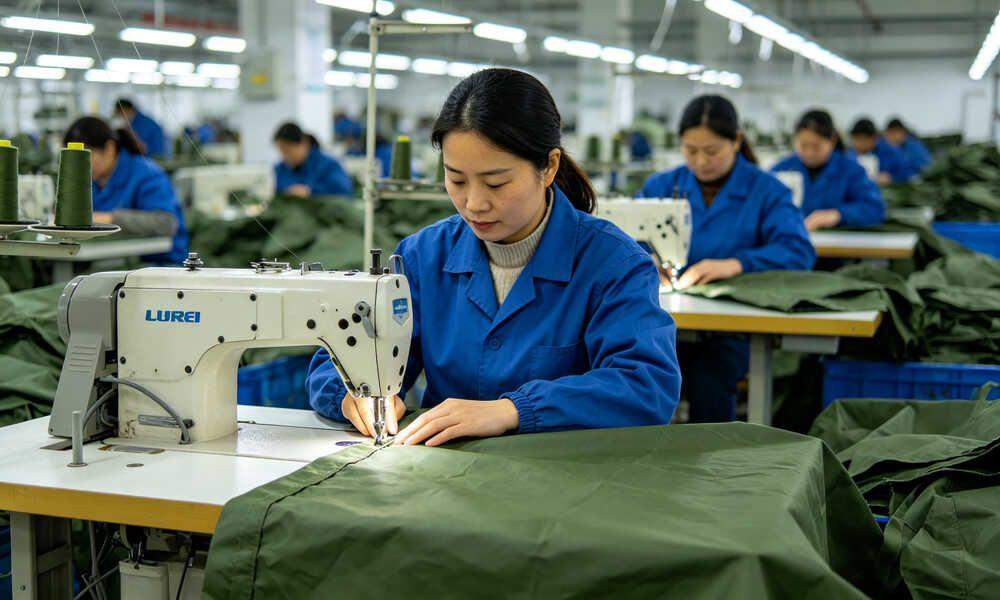
A reliable supplier should have demonstrated manufacturing capability to produce the required quantity and quality of tents within the required timeframe.
Key indicators include: ownership of production facilities (factories with cutting, sewing, frame fabrication, and quality control departments), production capacity (monthly output volume, ability to scale for large orders), equipment and technology (modern cutting machines, sewing equipment, welding for PVC, frame bending and welding equipment), workforce size and skill level (experienced workers, quality control inspectors, engineering staff), and production track record (history of fulfilling large institutional orders, references from comparable clients).
Buyers should request factory photos or videos, production capacity statements, and ideally arrange for factory audits or third-party inspections, especially for large orders. Trading companies can also be reliable if they have established relationships with quality factories and provide effective quality control, but buyers should verify the actual manufacturing source.
Product quality is the most critical factor in supplier evaluation. Buyers should assess: availability of product samples for physical inspection (fabric feel, stitching quality, frame construction, hardware finish, overall workmanship), third-party test reports and certifications (from accredited laboratories, not just manufacturer's internal data), consistency of quality across production runs (quality control processes, incoming material inspection, in-process checks, final inspection), and product performance under actual conditions (field performance history, client feedback, failure rates).
Requesting a sample unit before placing a large order is strongly recommended — the cost of a sample is negligible compared to the risk of receiving substandard products in quantity. For medical or military tent applications, where quality failures can have life-safety consequences, pre-shipment inspection by an independent third party is advisable.
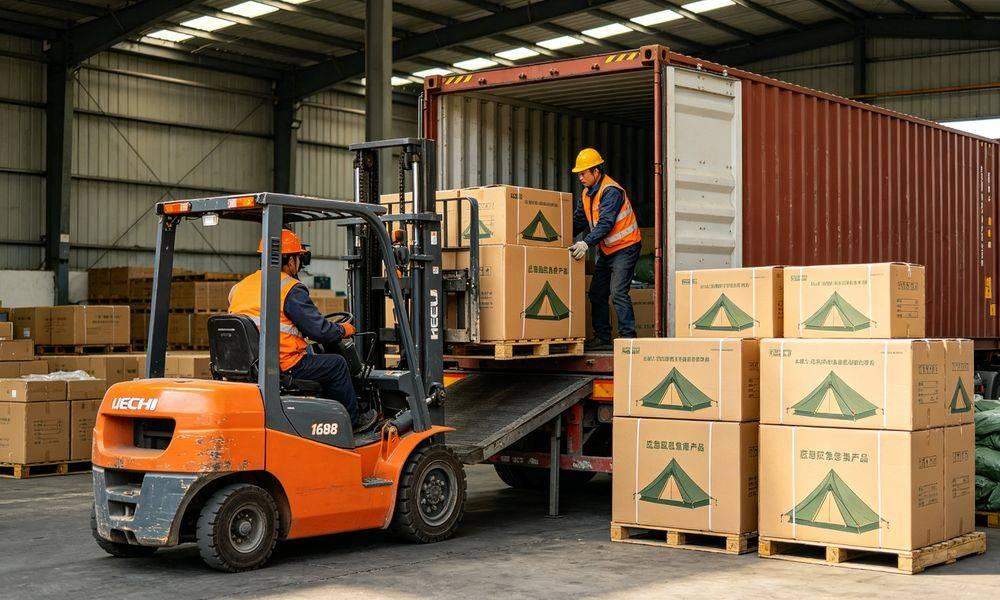
For emergency shelter response and time-sensitive institutional procurement, on-time delivery is critical.
Evaluate suppliers based on: historical on-time delivery performance (ask for delivery track record, average lead times, on-time delivery percentage), production scheduling capability (ability to prioritize urgent orders, capacity to handle multiple concurrent orders), logistics partnerships (established relationships with freight forwarders, experience with export documentation and customs clearance, ability to arrange shipping to destination ports), contingency planning (ability to handle production delays, material shortages, or logistics disruptions with alternative solutions), and communication during production (regular progress updates, photos of production, proactive notification of any issues or delays).
Suppliers that are transparent about lead times and proactive in communication are generally more reliable than those that promise unrealistic delivery dates or go silent during production.
The relationship with a supplier does not end at delivery. After-sales support is important for resolving issues, obtaining replacement parts, and maintaining tents over their service life.
Evaluate: warranty terms (duration, coverage of manufacturing defects, exclusions, claim process), spare parts availability (replacement frame tubes, connectors, fabric patches, zippers, stakes, guy ropes — and whether these are stocked for quick shipment), repair support (field repair guidance, repair kits, professional repair services for major damage), technical support (installation guidance, usage recommendations, troubleshooting, engineering support for custom applications), and responsiveness (response time to inquiries, willingness to address problems, accountability for quality issues).
Suppliers that stand behind their products with meaningful warranties and responsive support reduce the total cost of ownership and provide peace of mind for institutional buyers.
The quality of communication during the procurement process is a strong indicator of how the supplier will perform after the order.
Professional suppliers demonstrate: prompt response to inquiries (acknowledgment within 24 hours, substantive responses within reasonable time), clear and accurate communication (correct technical information, transparent pricing, honest lead times, no overpromising), language capability (effective communication in the buyer's language, or access to qualified translators), documentation quality (professional quotations, detailed specifications, clear contracts, proper export documentation), and problem-solving orientation (willingness to address concerns, propose solutions to challenges, accommodate reasonable customization requests).
Suppliers that are difficult to reach, provide vague or inconsistent information, or become unresponsive after receiving payment should be approached with caution. Building a long-term relationship with a reliable, communicative supplier simplifies future procurement and reduces transaction costs.
Q1: What is the main difference between a frame tent and a pole tent?
Quick Answer: Frame tents use hidden internal steel frames; pole tents use center poles and external guy ropes.
Frame tents have steel tubing concealed inside the fabric walls and roof, creating a smooth exterior with completely unobstructed interior space. Pole tents rely on a center pole that occupies middle space, plus external poles and guy ropes that extend outward, requiring more ground area and creating the characteristic peaked roof shape.
Quick Answer: Pole tents are faster (10-15 min); frame tents take 20-30 min but need no external ropes.
A standard pole tent can be erected by 2 people in 10-15 minutes because there are fewer components. Frame tents require assembling the steel frame first, then pulling the fabric cover over, which takes 20-30 minutes for 2-3 people. However, frame tents need no external guy ropes and work on hard surfaces like concrete.
Quick Answer: Yes—frame tents are the most widely used emergency shelter for disaster relief and medical camps.
Frame tents are the preferred choice for emergency shelters because their unobstructed interior accommodates rows of cots, medical equipment, and partitions. They withstand wind better than pole tents, require no external ropes, and can be set up on various surfaces including concrete, making them ideal for refugee camps, field hospitals, and temporary schools after disasters.
Q4: How many people can a standard frame tent accommodate?
Quick Answer: A 3x4m frame tent fits 4-6 people; larger 5x6m models hold 12-16 people.
Capacity depends on tent size and bedding configuration. A 3.2x3.7m tent fits 4-6 cots with walking space. A 5x6m tent accommodates 12-16 people in cot configuration. For medical use, capacity is lower due to equipment space. Always allocate 2-3 sqm per person for comfortable long-term occupancy.
Quick Answer: Yes, frame tents cost 20-40% more initially but offer longer lifespan and better interior space.
Frame tents typically cost 20-40% more than equivalent-size pole tents due to the steel frame structure. However, they offer 5-8 year lifespan vs 2-3 years for pole tents, better wind resistance, and fully usable interior space. For institutional buyers planning long-term use, frame tents often provide lower total cost of ownership.
Quick Answer: Frame tents perform significantly better in wind due to aerodynamic shape and internal frame rigidity.
Frame tents distribute wind load across the entire internal steel frame and have a lower, more aerodynamic profile. They typically withstand 50-60 km/h winds with proper anchoring. Pole tents are more vulnerable because wind can catch the peaked roof and external guy ropes can fail. In hurricane or severe storm zones, frame tents are strongly recommended.
Quick Answer: Yes—professional manufacturers offer custom sizes, colors, and logo printing for institutional orders.
Most frame tent manufacturers offer custom tent printing and wholesale customization for and institutional orders. Standard colors include blue, white, green, orange, and camouflage. Custom sizes can be manufactured to specifications. Logo printing is available on the tent exterior or roof. Minimum order quantities typically apply for custom colors and printing, with lead times of 15-30 days depending on order size.
Quick Answer: 5-8 years with proper care; fabric degrades first, steel frame lasts 10+ years.
A well-maintained heavy duty frame tent lasts 5-8 years. The steel frame can last 10+ years if kept dry and rust-free. The fabric cover is the first component to degrade from UV exposure, moisture, and abrasion. Using a ground sheet, proper cleaning, and dry storage significantly extends lifespan. Replacement covers are available for most models.
Quick Answer: Not structurally required, but strongly recommended to protect the tent floor and improve insulation.
While a ground sheet is not needed for structural integrity, it is highly recommended. A separate PE or PVC ground sheet protects the tent floor from abrasion, moisture, and dirt, extending the tent lifespan. It also provides thermal insulation and a cleaner surface. Ground sheets are inexpensive, lightweight, and easy to install—simply lay them down before setting up the tent.
Quick Answer: Hose clean with mild soap, ensure completely dry, store in cool dry area off the ground.
Clean the tent by hosing it down with water and mild soap, using a soft brush for stubborn stains. Never use harsh chemicals or machine wash. Ensure the tent is 100% dry before storage to prevent mold and mildew. Store in a cool, dry, well-ventilated area, off concrete floors. Avoid folding the same way repeatedly to prevent fabric cracking at creases.
Quick Answer: No—pole tents are designed for short-term use; frame tents are better for long-term installations.
Pole tents are generally not recommended for long-term or permanent use. The center pole creates an obstacle, external guy ropes occupy extra space and create tripping hazards, and the peaked roof is less efficient for interior layout. For long-term refugee camps, medical facilities, or storage, frame tents are the better choice due to their unobstructed interior, better durability, and ability to be set up on hard surfaces.
Quick Answer: PE fabric (economical), Oxford PVC (durable), and PVC mesh (breathable) are the three main types.
Frame tent covers use three primary materials. PE (polyethylene) fabric is the most economical, waterproof, and suitable for short-term use. Oxford PVC coated fabric is heavier, more durable, and offers better UV resistance for long-term use. PVC mesh fabric is breathable, used for side walls or windows where ventilation is needed. Most tents combine a waterproof roof with mesh window panels.
|
|
|
 |
 |
|
|
|
This buyer guide is for informational purposes only. Product specifications, prices, and delivery terms are subject to confirmation in the final contract.
YRF Textile — Professional Emergency Shelter Manufacturer & Supplier | Email: info@yrftextile.com
Дружественные ссылки :
авторское право © Custom Disaster - Relief Bedding: Tents, Sleeping Bags, Blankets Все права защищены
профессиональная команда для обслуживания !