Категории
Hailstorms can produce ice pellets the size of golf balls—or even grapefruits—falling at over 100 km/h. They can total a car in minutes, destroy a roof in a single storm, and wipe out an entire season of crops. Yet most people don't think about hailstorm emergency supplies until the hail is already hitting the roof. Having a hail emergency kit on hand means you can protect your property, stay safe during the storm, and recover faster afterward. This guide covers everything you need for hail storm safety supplies, from car protection to home reinforcement, based on our experience supplying hail damage kit equipment to insurance companies, relief organizations, and families in hail-prone regions.
✅ Source complete disaster preparedness supplies for bulk procurement, supplying bulk emergency supplies and wholesale emergency supplies to government emergency stockpile units, NGO humanitarian teams, institutional facilities and disaster‑response procurement officers. Our full‑range product portfolio covers relief blankets, emergency bedding, first‑aid kits, shelter accessories and survival gear to build up pre‑positioned emergency reserves. We support RFQ processing, tender‑ready documentation, sample validation, mixed‑item container loading and stable lead‑time delivery for buyers procuring emergency relief supplies and core items for disaster preparedness, camp set‑up and rapid emergency deployment.
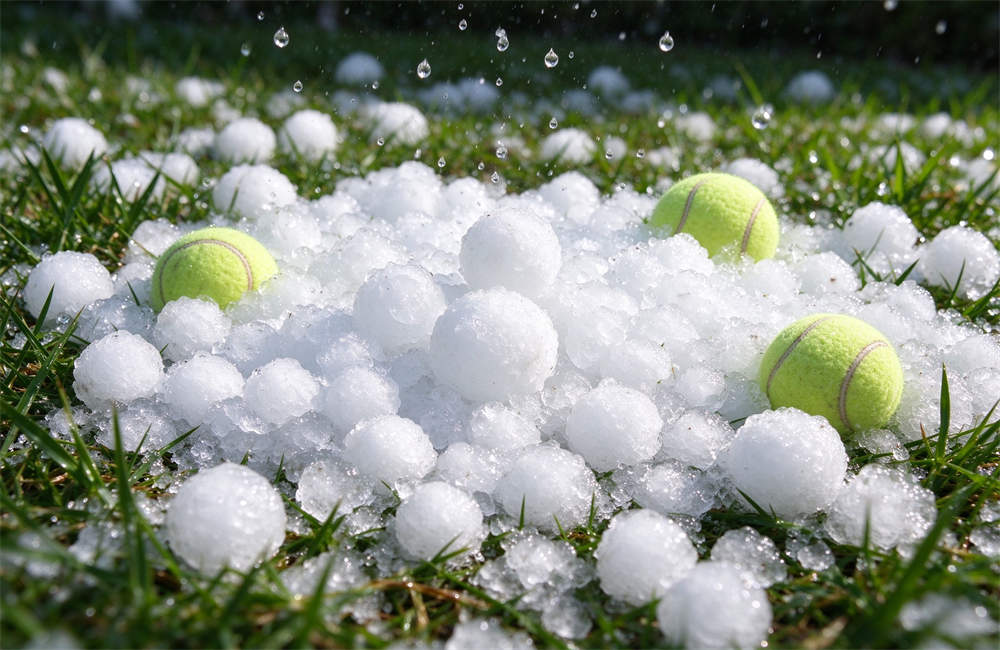
Hail forms inside strong thunderstorm updrafts, where water droplets freeze into ice pellets. The stronger the updraft, the larger the hail grows. Hailstones can range from pea-sized (1 cm) to grapefruit-sized (10 cm+). Having proper hail storm safety supplies on hand can mean the difference between minor damage and total loss.
The NOAA reports that hailstorms cause over $10 billion in damage every year in the United States alone. A single severe hailstorm can cause damage to tens of thousands of cars and homes. Hail is the second most costly weather disaster after flooding.
"Hail Alley" in the central United States (Texas, Oklahoma, Kansas, Nebraska, Colorado) sees the most severe hailstorms in the world. But hailstorms can happen anywhere thunderstorms occur—Europe, Asia, Australia, and South America all see significant hail damage.
Your car is likely your most expensive possession after your home. Hail can shatter windows, dent the body, and total a vehicle in minutes. How to protect car from hail is the #1 question we get from people in hail-prone areas.
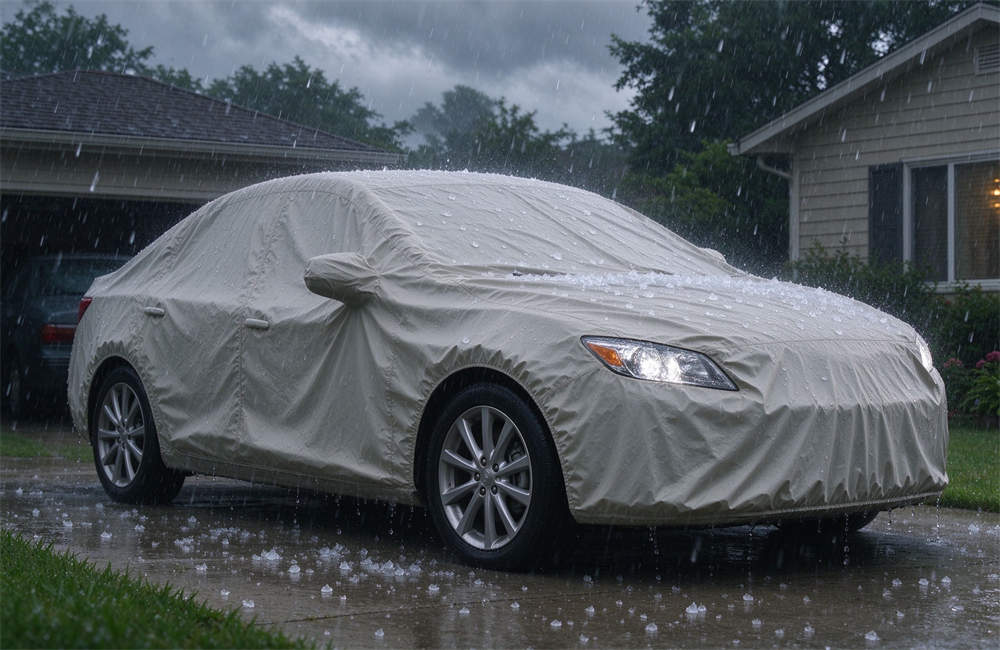
The best protection is a garage. If you have time, move your car into an enclosed garage. If you don't have a garage, park under a bridge or an overpass—just make sure you're not blocking traffic. A car cover is better than nothing, but it won't protect against golf-ball sized hail.
If you're caught driving in a hailstorm, pull over to the side of the road, turn on your hazard lights, and wait. Do not get out of the car—you'll be pelted by hail. If hail is severe, lie down on the seat away from the windows and cover yourself with a blanket or coat.
Once the storm passes, inspect your car for damage. Take photos immediately for your insurance claim. Don't drive if the windows are shattered or the lights are damaged. Call your insurance company as soon as possible.
Hail can destroy roofs, break windows, and damage siding. A well-prepared hail damage kit includes storm shutters, impact-resistant windows, and emergency repair supplies. Here's how to prepare:
Make sure your roof is in good condition. Old, brittle shingles are much more likely to be damaged by hail. Install impact-resistant windows or storm shutters. When a hailstorm warning is issued, board up large windows with plywood for extra protection.
Bring patio furniture, planters, toys, and anything else that can be picked up by the wind inside. Flying objects turn into deadly projectiles during a hailstorm combined with high winds.
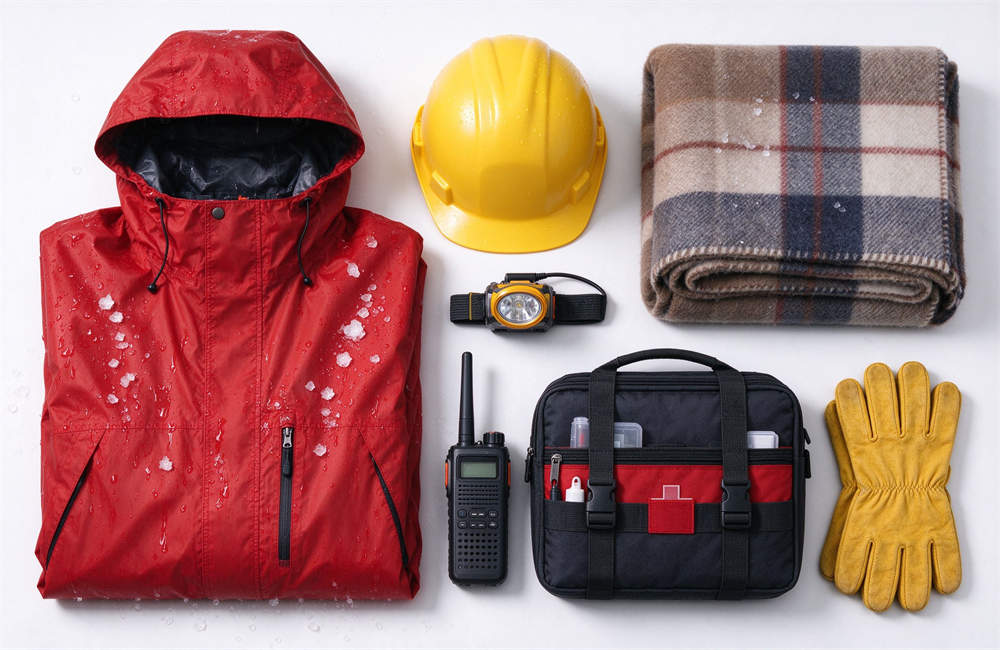
Your hail emergency kit should include the following:
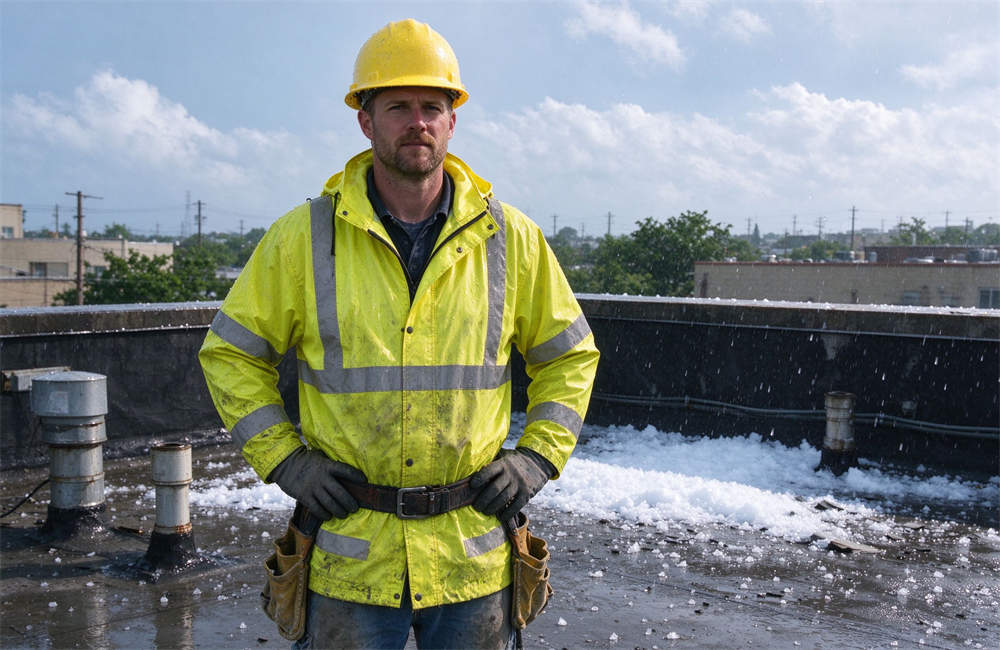
Hailstorms always come with rain and wind. You need waterproof rain gear to stay dry while you're bringing things inside or cleaning up afterward. We supply three styles of waterproof rain jackets: police hi-vis yellow (300D polyester, taped seams), rescue orange (PU-coated nylon), and transparent PVC ponchos (0.12mm thickness). All are CE certified and come in sizes S-XXL. Pair them with 6mm neoprene work gloves and steel-shank rain boots for full protection.
If the storm knocks out power or damages your roof, you may need emergency shelter. Keep 1.8kg wool blankets, emergency sleeping bags ( aluminized, 2°C survival rating), and a 2-person portable tent (3000mm waterproof rating) on hand. Wool blankets are especially good because they stay warm even when wet—they retain 80% of their insulation even soaked.
A 21-piece first aid kit, a 16oz claw hammer, 3.2 inch nails, 4×8 foot plywood rolls, 2" heavy-duty duct tape, and a utility knife are essential for temporary repairs. Keep a 10mil plastic sheeting for patching broken windows until you can replace the glass. Our first aid kits are ISO9001 certified and include bandages, antiseptic wipes, and trauma shears.
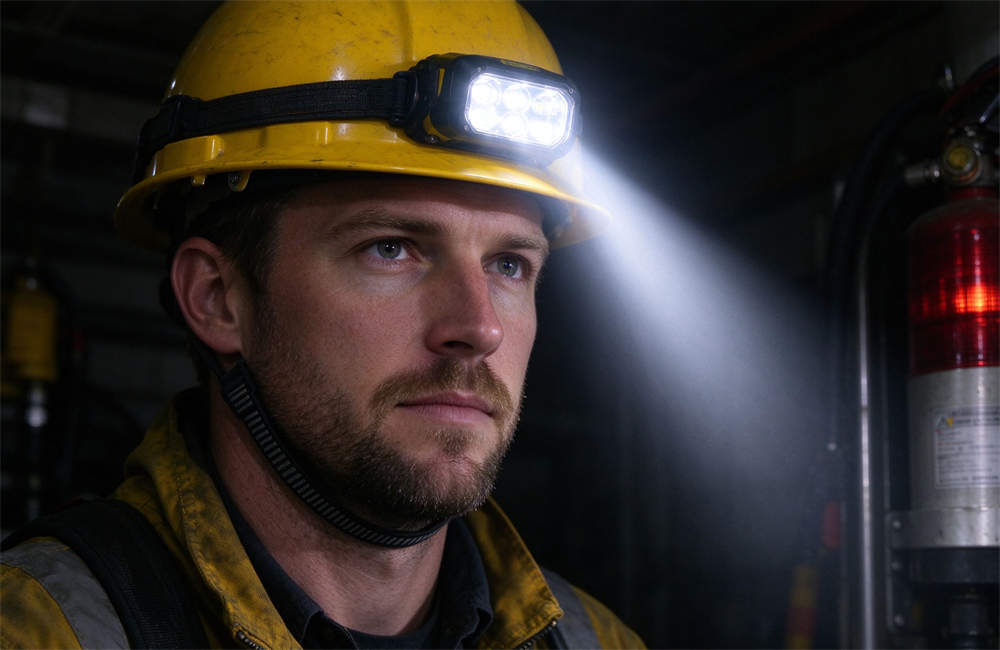
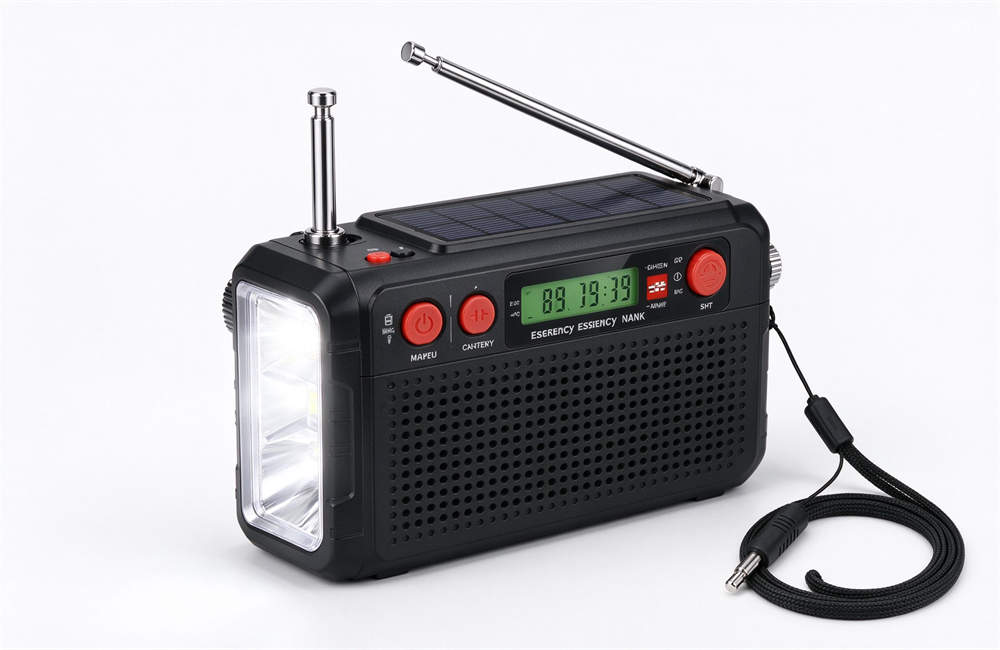
LED headlamps (200 lumens, IPX4 waterproof, 3 AAA batteries), a hand-crank emergency radio (AM/FM/NOAA weather band, 2000mAh battery), and a 10000mAh power bank for your phone. Hailstorms often knock down power lines, so you need independent lighting and communication that works without electricity.
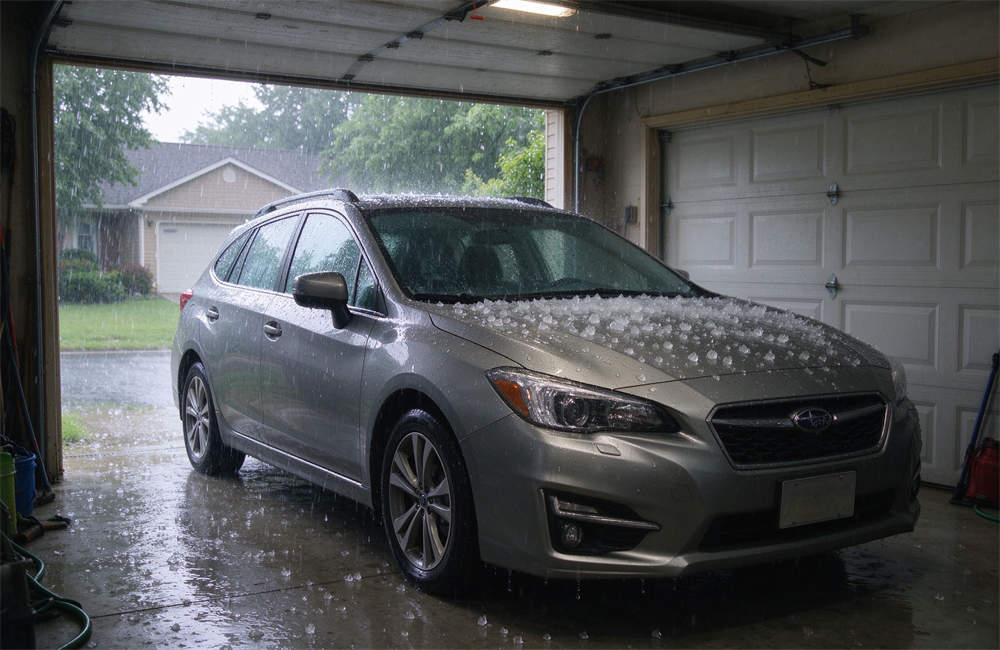
Cleaning up after a hailstorm means dealing with broken glass, wet debris, and cold temperatures. Wear sturdy work boots, work gloves, and waterproof rain gear. A hard hat (EN397 certified) is a good idea if you're cleaning up around damaged buildings—there may be falling debris. For car hail protection, keep a padded car cover in your trunk at all times during hail season.
|
Item |
Purpose |
We Supply |
|
Waterproof rain jacket |
Stay dry during cleanup |
3 styles: hi-vis, orange, transparent |
|
Work gloves |
Protect hands from broken glass |
Leather and synthetic |
|
EN397 hard hat |
Protect head from falling debris |
Multiple colors: white, yellow, orange, blue, red |
|
Wool blanket |
Warmth if power is out |
Heavyweight, fire-resistant |
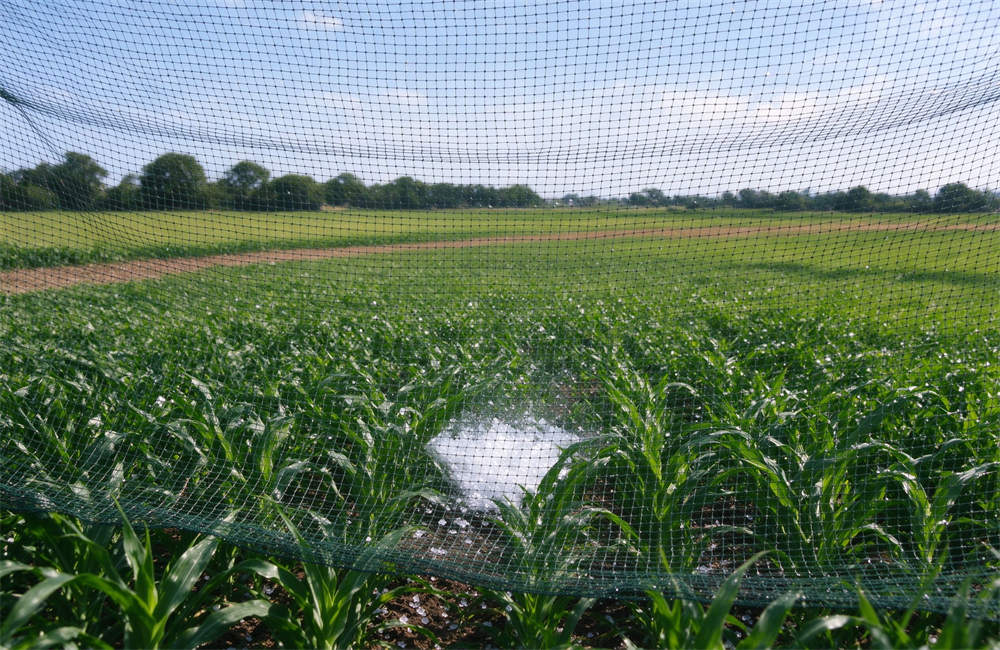
Farmers are the most vulnerable to hail damage. A single storm can wipe out an entire season's crops. Hail nets, hoop houses, and crop insurance are the main defenses.
For high-value crops, hail netting stretched over rows can reduce damage by 50-80%. Hoop houses and greenhouses also offer excellent protection. Make sure your greenhouse plastic is thick enough—single-strength plastic will shatter in a severe hailstorm.
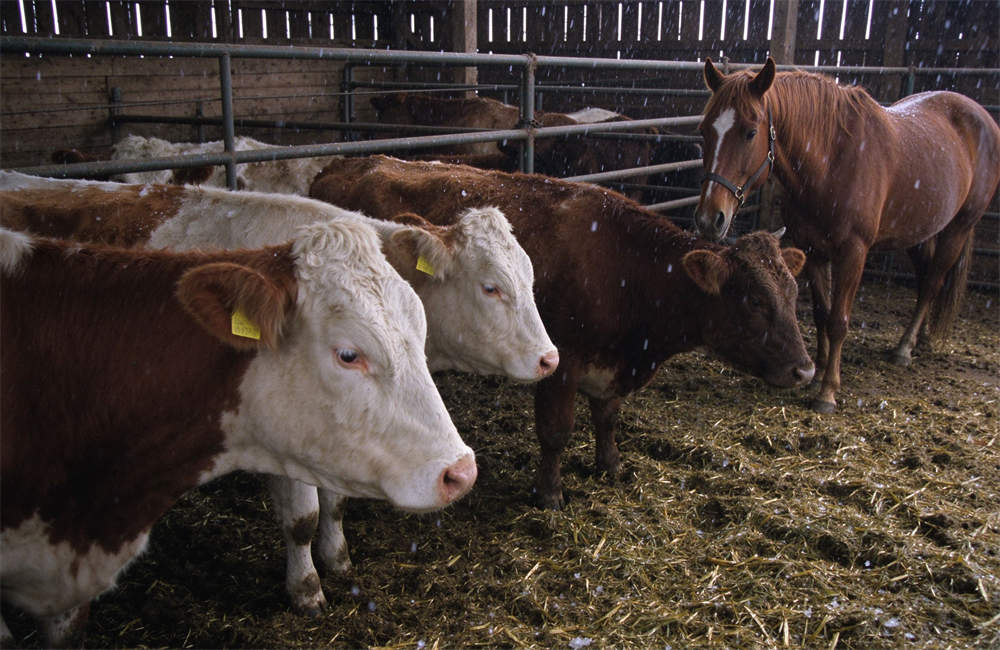
Bring livestock into covered barns or shelters when a hailstorm warning is issued. Large hail can kill animals out in the open.
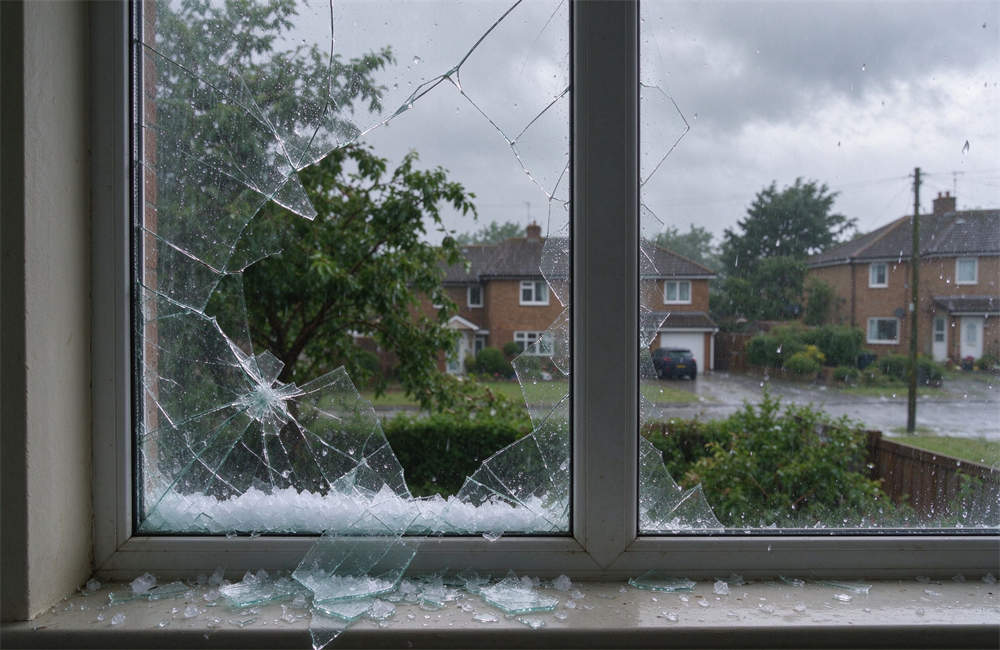
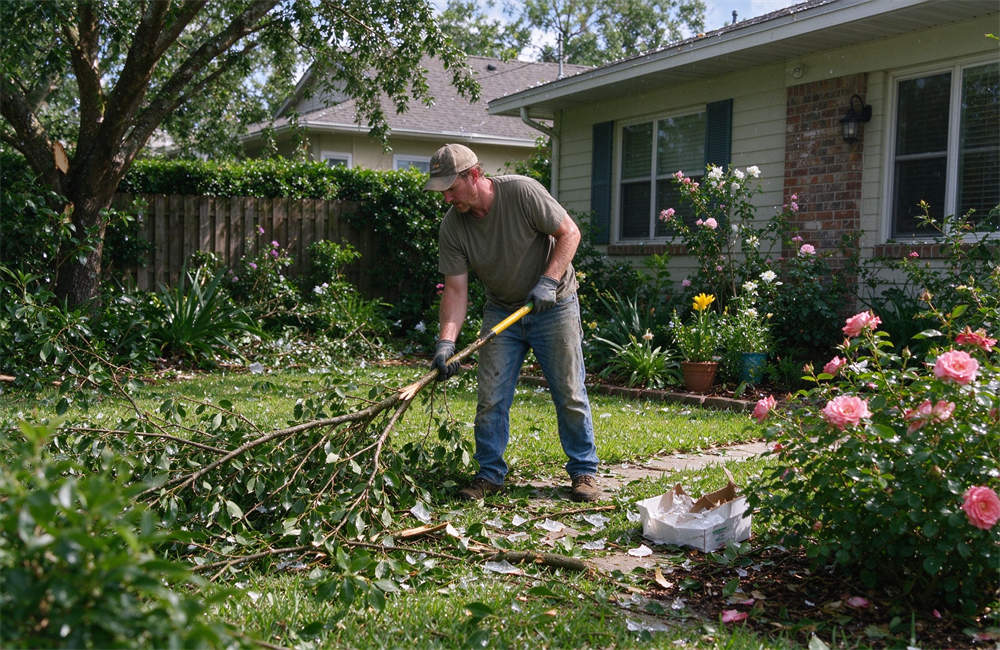
Once the storm passes, the work begins. Photograph all damage for insurance. Be careful of broken glass and downed power lines. Start drying out wet areas as soon as possible to prevent mold growth. The NOAA hail safety guide provides detailed post-storm safety tips, and the Red Cross disaster recovery checklist helps you document damage and begin cleanup safely.
The following table summarizes the complete hailstorm emergency kit:
|
Category |
Items |
Purpose |
|
Car Protection |
Car cover, hail blanket, emergency rain poncho |
Protect vehicle from hail damage |
|
Head Protection |
EN397 hard hat (multi-color), safety goggles |
Protect head and eyes from falling hail |
|
Rain Gear |
Reflective raincoat, rain boots, waterproof gloves |
Stay dry during cleanup |
|
Warmth |
Wool blanket, emergency sleeping bag |
Stay warm if power is out |
|
Shelter |
Pop-up tent, folding cot |
Temporary shelter if home is damaged |
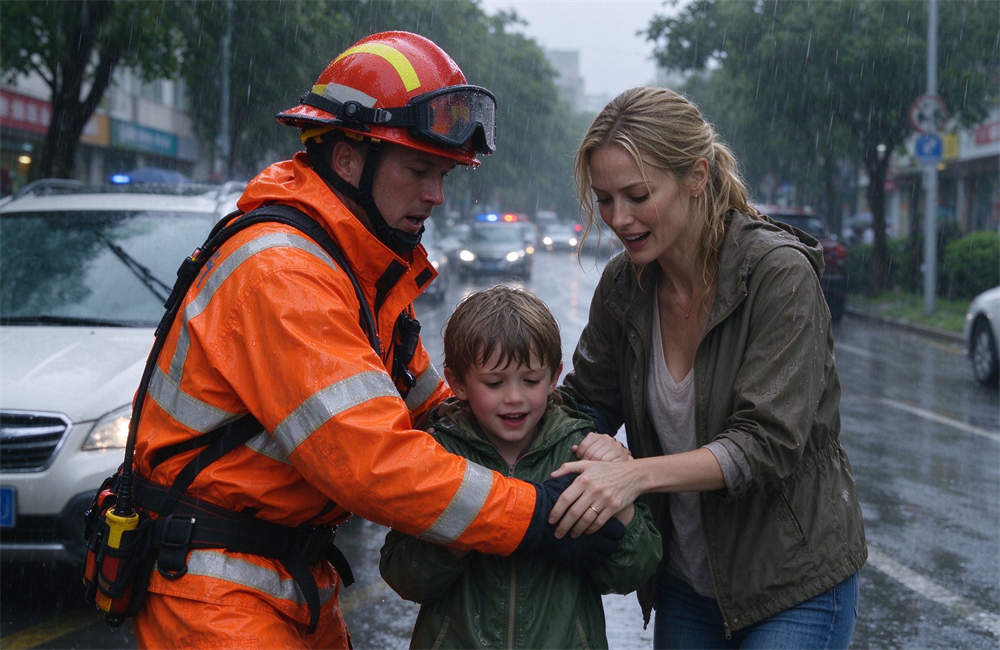
Hail might sound like a minor weather event, but it's one of the costliest natural disasters in many countries. The Insurance Institute for Business & Home Safety reports that hail causes over $10 billion in damage annually in the U.S. alone. A single severe hailstorm can cause $1-3 billion in damage in a few hours.
Here's what the numbers look like:
We've worked with roofing contractors, insurance restoration companies, and auto body shops who buy hail storm safety supplies in bulk every storm season. They know that having the right rain gear, hard hats, and warm blankets on hand means they can start cleanup immediately instead of waiting for supplies to arrive.

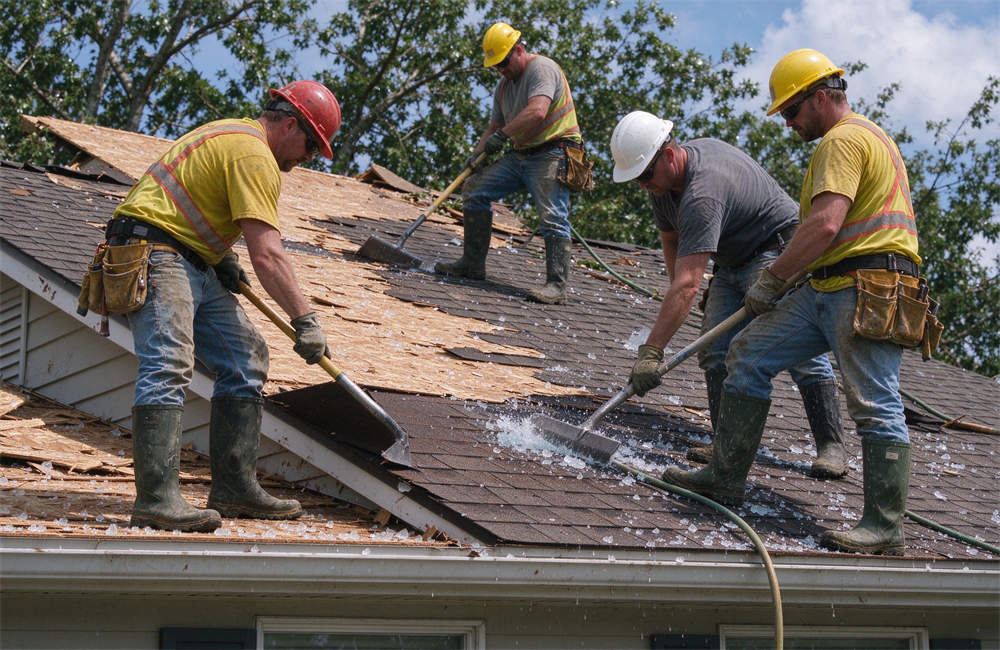
When a hailstorm hits, roofing crews are the first ones on the roof doing temporary repairs. They need EN397 hard hats (to protect against falling debris), waterproof rain gear, steel-toe boots, and work gloves. We supply complete crew kits to roofing companies—each crew member gets their own hard hat, rain jacket, and gloves, all branded with the company logo.
Car dealerships have hundreds of cars outside. A hailstorm can cause millions in damage overnight. Dealerships should have heavy-duty car covers on hand, plus a plan to move cars into covered garages when a warning is issued. We supply bulk car covers and hail blankets to dealership groups.
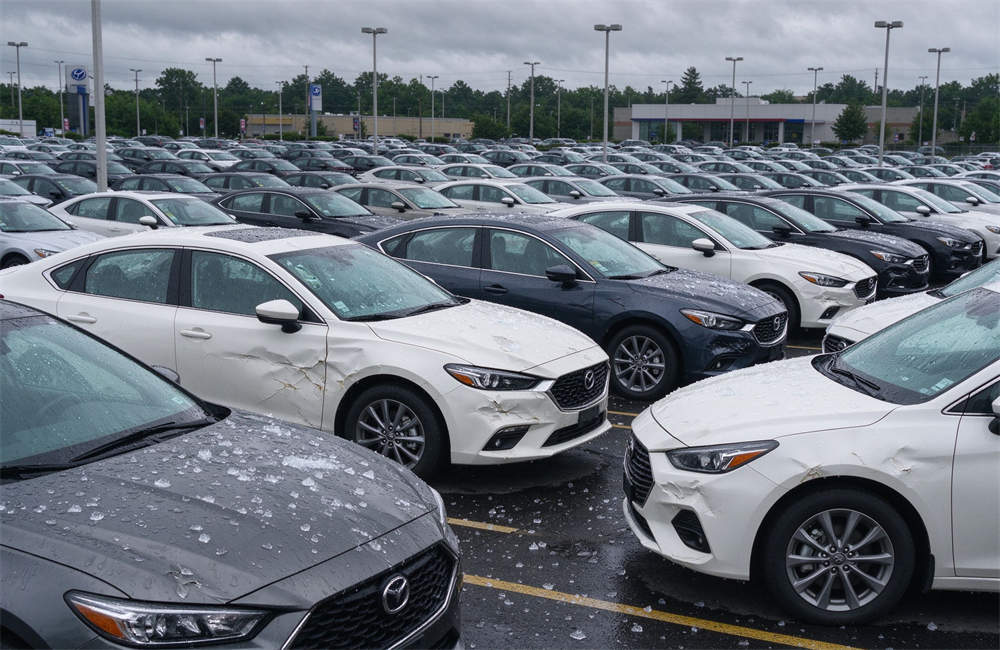
Hail destroys crops in minutes. Farmers need rain gear for themselves, plus tarps and blankets to protect equipment and harvested crops. We supply waterproof tarps, reflective rain gear, and work gloves to agricultural operations in hail-prone regions.
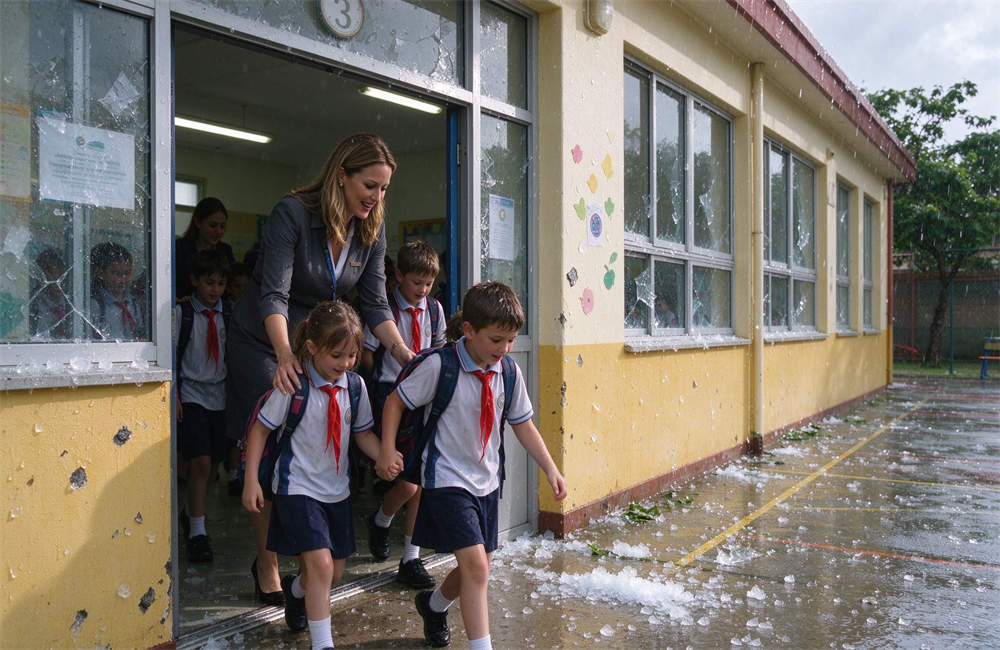
Schools have playgrounds, gyms with skylights, and buses parked outside. When a hailstorm warning hits, staff need to get kids inside and protect windows. We supply bulk hail emergency kit sets for schools: hard hats for staff, rain gear for outdoor supervision, and blankets for kids who get wet.
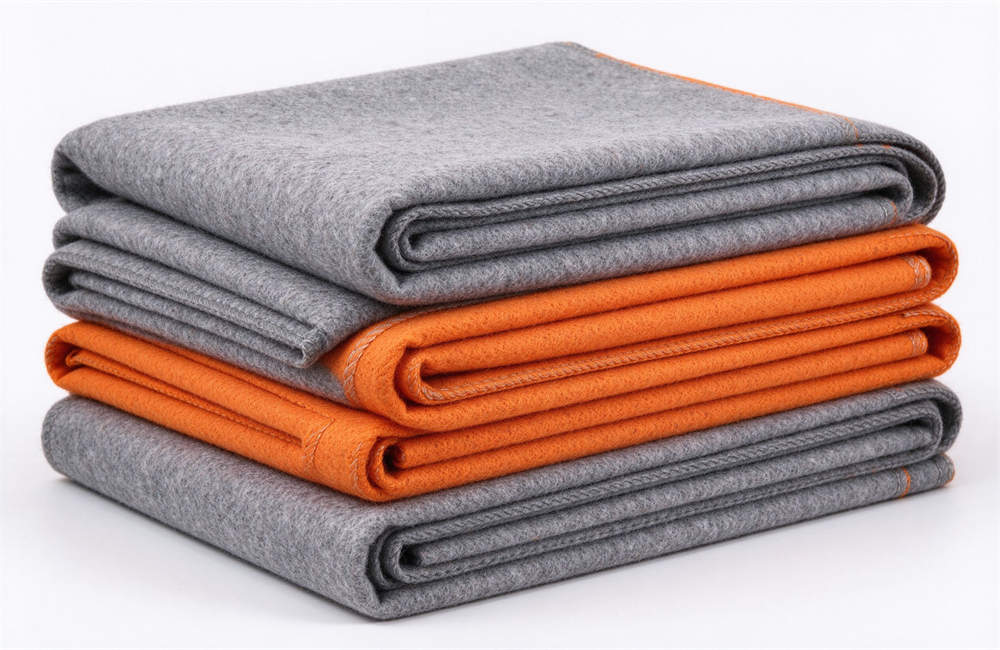
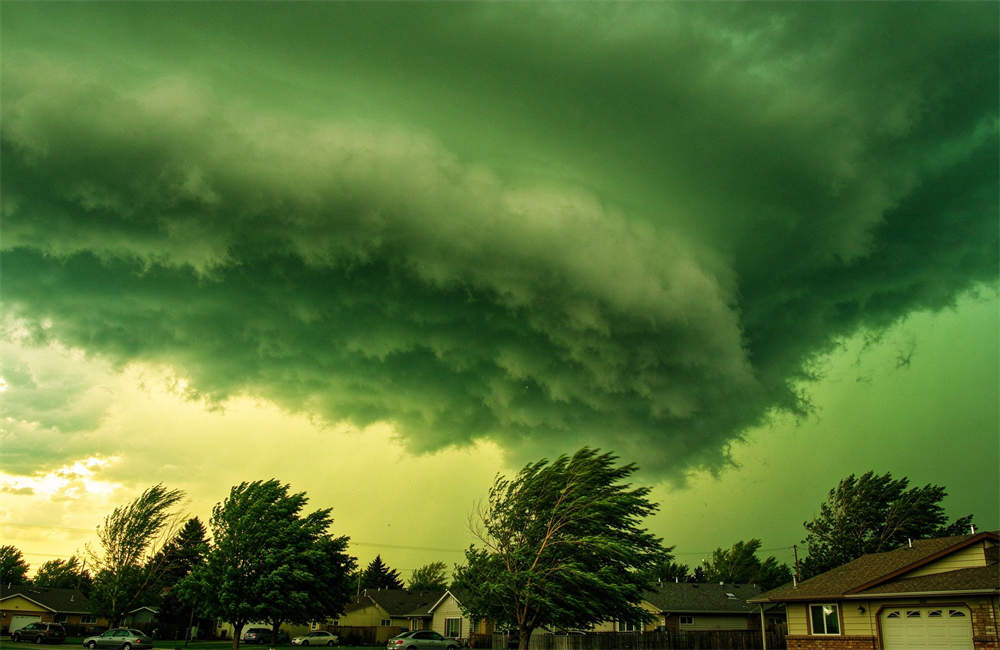
When the sky turns that eerie green and the wind picks up, people panic and make bad decisions. Here are the most common hail storm safety mistakes we see:
Pull over under an overpass or in a garage. Driving makes the hailstones hit with more force, and you risk a crash on slippery roads. Stay in the car, pull over, and cover yourself with a blanket.
Windows can shatter inward. Stay away from glass—go to an interior room or basement, and cover yourself with a blanket or mattress.
Cotton blankets absorb water and become heavy and cold. Wool blankets stay warm even when wet, which is why we recommend them in every hail emergency kit.
Pets panic during storms. Bring them inside. Check on elderly neighbors who may need help moving their cars or securing their homes.
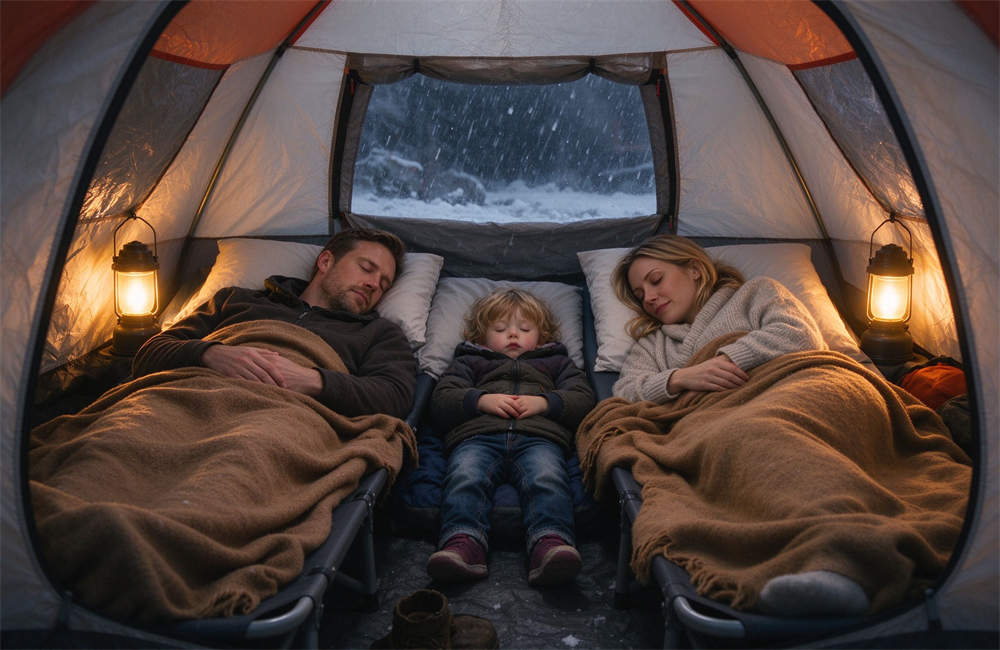
Protecting your car from hail depends on your situation. Here are your options:
|
Option |
Cost |
Best For |
Notes |
|
Covered parking / garage |
Free (if you have one) |
Best protection |
Zero risk of hail damage |
|
Heavy-duty car cover |
$50-$200 |
Parked at home |
Takes 5-10 minutes to put on |
|
Hail blanket / padded cover |
$100-$300 |
Parked at work / away |
Fits in trunk, deploys fast |
|
Move to underpass |
Free |
Emergency, on the road |
Don't stop in the travel lane |
Your rain gear, hard hat, and blankets need basic care to last:
We supply all these as bulk hail protection supplies to insurance restoration companies, roofing contractors, and emergency management agencies. We offer OEM/private label on rain gear and hard hats for orders over 200 sets.
The largest hailstone on record fell in Vivian, South Dakota in 2010. It was 8 inches in diameter and weighed 1.94 pounds. Hail this size can shatter car windows and destroy roofs.
Yes, if you have time. Park in a garage if possible. If not, use a car cover or even floor mats and blankets on the roof and windows. Do not stay in the car during a severe hailstorm—get inside a solid building.
Yes, large hail can easily break house windows. Install impact-resistant windows or protect windows with plywood shutters when a hailstorm warning is issued.
Bring outdoor furniture inside, trim overhanging tree branches, install storm shutters, and make sure your roof is in good condition. Keep an emergency kit with blankets, first aid, and water.
Most home insurance and comprehensive car insurance policies cover hail damage. Take photos of the damage immediately after the storm and file a claim as soon as possible.
Yes. We manufacture rain jackets, PVC ponchos, and EN397 hard hats in our own factory. We can print your company logo on the hard hat and rain jacket, package them as branded PPE kits, and add your training insert. Minimum order for custom branding is 200 sets.
We supply EN397 certified hard hats in five standard colors: white, yellow, orange, blue, and red. Color coding helps identify roles on a hail cleanup site—white for supervisors, yellow for roofers, orange for emergency services, blue for medical, red for electrical. We can also custom-mix colors for bulk orders.
Our minimum wholesale order is 50 sets for stock items. For custom OEM/branded orders, the minimum is 200 sets. We ship worldwide via sea, air, and express courier—tell us your destination and we'll quote the best shipping option.
Yes. We can send sample rain jackets, hard hats, and wool blankets for your team to test. Sample cost is refundable against your first bulk order. We recommend trying the rain gear in actual weather conditions before committing to a large purchase.
Rinse rain jackets with fresh water after the storm season. Hang dry completely before storing. Do not fold while wet—this causes mold. Store in a cool, dry place away from direct sunlight. Hard hats should be inspected monthly for cracks and replaced every 5 years.
Yes. All our hard hats are EN397 certified and CE marked. We provide certification documents with every order. We also offer ANSI Z89.1 certified hard hats for the North American market on request.
Hailstorms strike fast and leave behind shattered windows, dented cars, and cold, wet families. The difference between a manageable cleanup and a costly insurance claim often comes down to whether you had rain gear, a hard hat, and warm blankets ready when the sky turned dark green. We manufacture CE-certified rain jackets, EN397 hard hats in five colors, and 1.8kg wool blankets that stay warm even when soaked. Insurance restoration companies, roofing crews, and households in hail-prone states buy these in bulk from us every storm season. Stock up before the next warning siren sounds.
Дружественные ссылки :
авторское право © Custom Disaster - Relief Bedding: Tents, Sleeping Bags, Blankets Все права защищены
профессиональная команда для обслуживания !