Категории
Last updated: November 22, 2026
School Emergency Preparedness: Drill and Equipment
Guide
Most US states require schools to conduct 10+ emergency drills per year — fire, lockdown, weather evacuation, and shelter-in-place. But drills without working equipment are theater. The HRSA school AED program reports that 40% of school AEDs have dead batteries or expired pads. The CDC school health guidelines recommend one AED per 500 students, visible and unlocked, within a 4-minute walk from any classroom.
 |

|
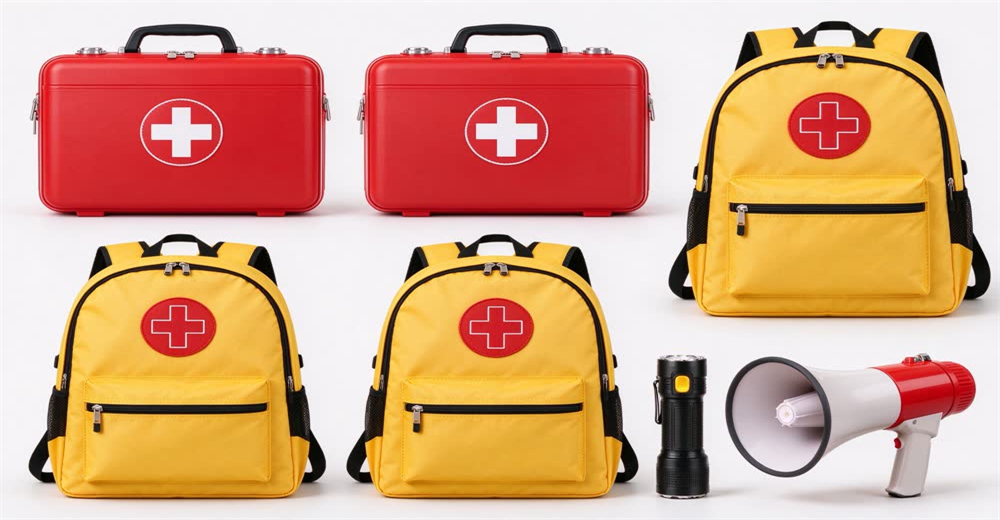
Principals and school nurses are responsible for 500+ children but usually have no dedicated safety staff and a tight budget. Classroom kits expire, AED batteries die, and lockdown supplies sit untouched until a real drill exposes the gaps. This guide covers school emergency preparedness — classroom emergency go-bags and kits, AED placement and maintenance, nurse office supplies, emergency lighting, evacuation equipment, lockdown procedures, and weather stockpiles, following Ready.gov school preparedness guidance.


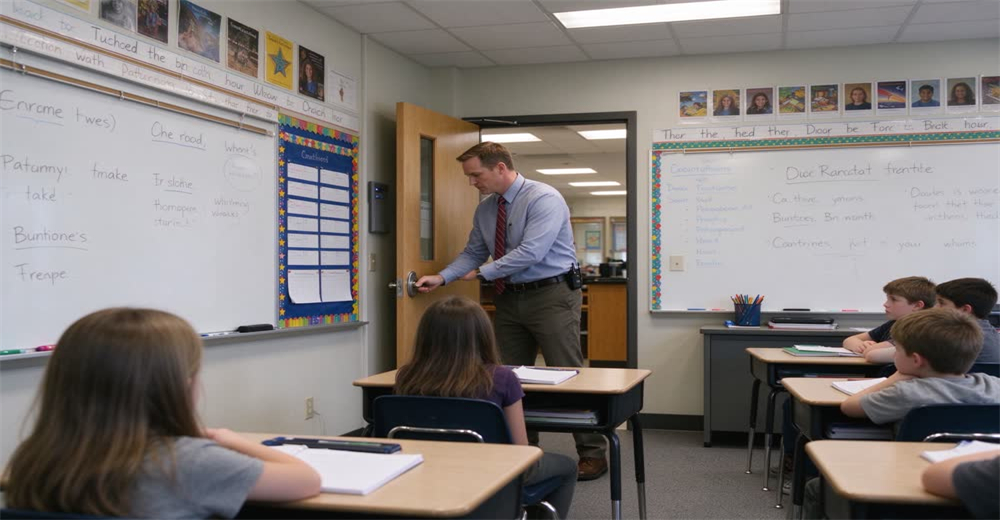
Children are not small adults. They have limited judgment, depend on adults for safety, and need clear, simple instructions. In an emergency, a student who panics can block an exit or wander off. This is why school emergency drills are not optional — they train muscle memory. When the fire alarm goes off, students should line up and walk out without being told. This automatic response saves seconds, and seconds matter in an emergency.
In a cardiac arrest emergency, every minute without defibrillation reduces survival by 10%. An AED on the wall 5 minutes away is useless. This is why AED placement matters: one unit per building floor, reachable within 3 minutes from any classroom. The HRSA AED placement guidelines recommend that schools have AEDs and trained staff on every campus. Sudden cardiac arrest in a student is rare but devastating — being prepared means the difference between life and death.
Drills reveal gaps you would never find on paper. Which stairwell is blocked? Which classroom's evacuation route goes through the cafeteria? Where do students with mobility issues go? A drill that runs smoothly on paper may reveal a bottleneck when 300 students try to exit at once. Monthly fire drills and twice-yearly lockdown drills are the minimum. Document every drill: what worked, what did not, and what changed.
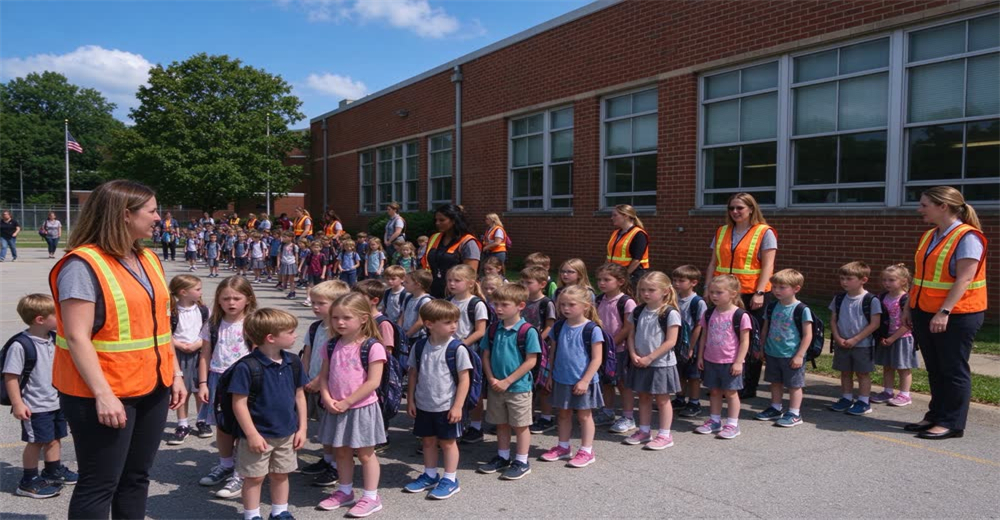
Fire drills are the most familiar. They should be held monthly, at different times of day, so students are not always prepared. The drill tests: can everyone evacuate within 3 minutes? Is the attendance roster at the evacuation point? Are the exits clear? Teachers should carry their class roster during every drill — accounting for every student is the first priority. We supply whistle packs and attendance clipboards as part of classroom emergency go-bags and kits.
Common mistake: Treating a lockdown drill as a fire drill. Lockdown requires barricading doors, turning off lights, and keeping students quiet — not walking outside. Run a lockdown drill at least once per semester, not just during fire safety month.
Lockdown drills prepare for an on-site threat. Students move out of sight, lock the door, turn off lights, and remain silent. The drill tests: can every door lock from the inside? Are there places to hide out of sight of the door window? Does the intercom system work? Lockdown drills are more stressful for younger students — frame them as a safety game, not a threat. Hold them at least twice per year.
Tornado and severe weather drills move students to interior hallways away from windows, crouching and covering their heads. Earthquake drills, where available, teach drop, cover, and hold on. These drills should be held seasonally before storm season. Students should know where to go in every part of the building — not just their own classroom.
Table: Drill schedule. Different drills test different responses. Rotate them so students are always prepared, not rehearsed for one scenario.
Drill Type
Frequency
Key Goal
Equipment Needed
Fire evacuation
Monthly
Clear building in 3 minutes
Whistles, rosters, exit signage
Lockdown
Twice per year
Secure rooms out of sight
Door locks, lockdown kits
Tornado shelter
Seasonal
Move to interior hallway
Shelter signage, helmets
Earthquake
Seasonal
Drop, cover, hold on
Sturdy shelter areas
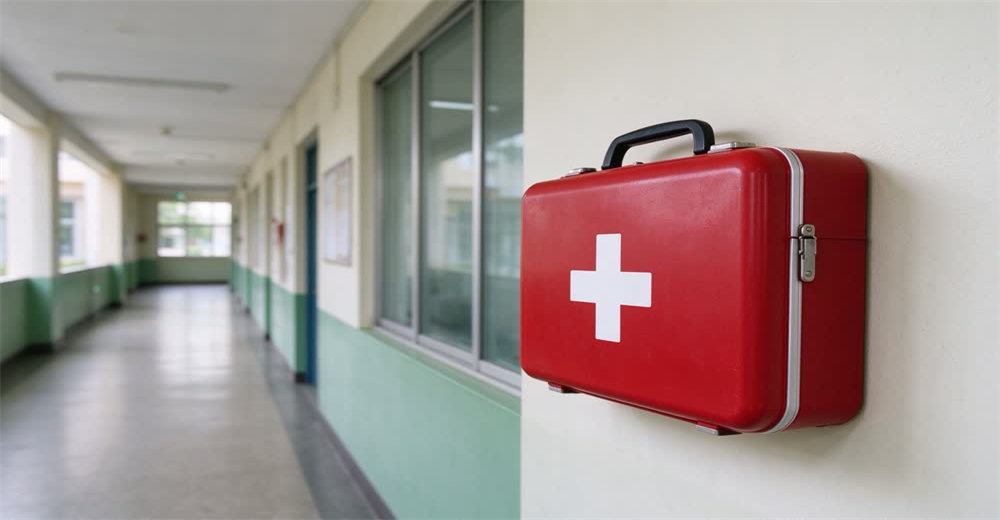
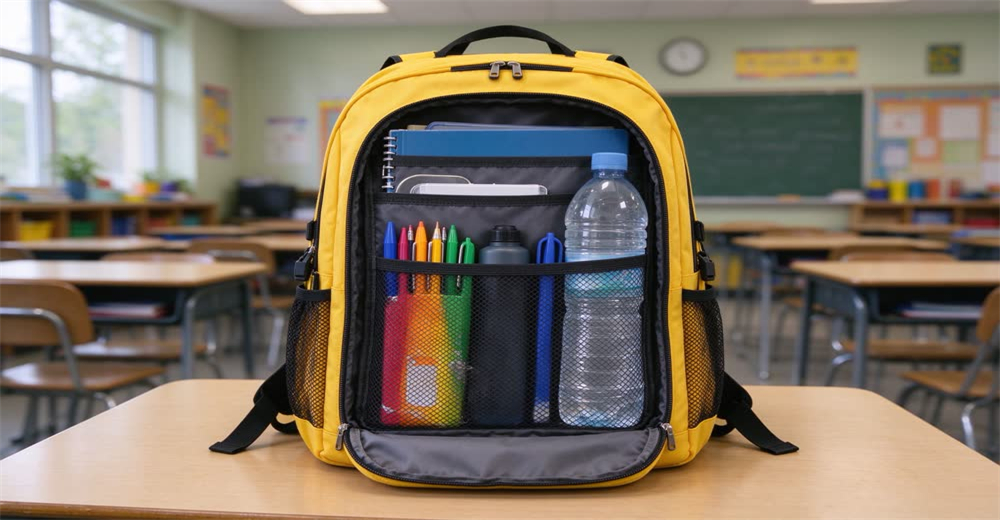
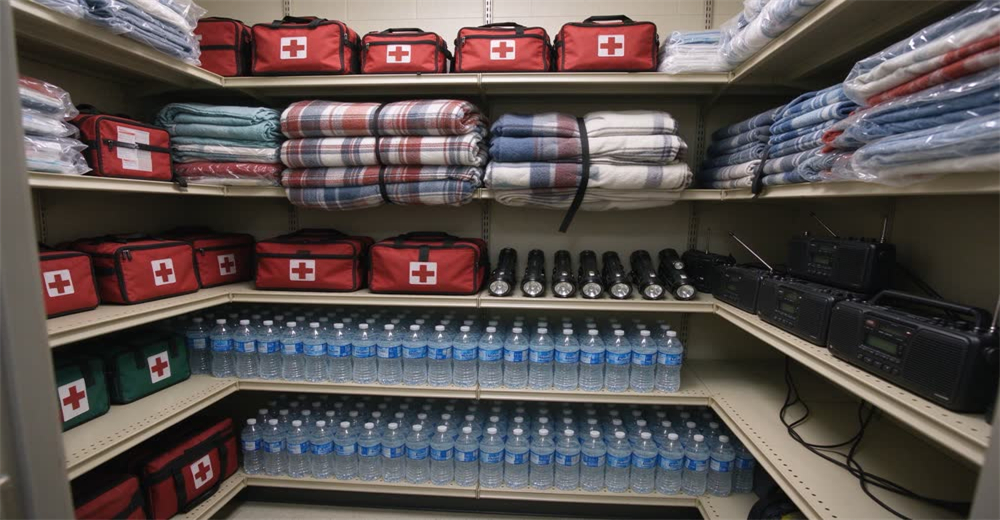
Every classroom should have a single, clearly marked emergency kit. Contents: a basic first aid kit, a flashlight with fresh batteries, a whistle, an emergency foil blanket, nitrile gloves, a permanent marker, a clipboard with the class roster, and a roll of duct tape for securing the door. The kit lives in the same place every room — by the door, on a labeled shelf. Teachers should know exactly where it is and what is inside. We supply complete classroom emergency go-bags and kits at wholesale pricing, in wall-mounted bins that install in minutes.
Kit audit: School nurse surveys find 40% of classroom kits have expired supplies. Mark all kits with an inspection date and check every semester.
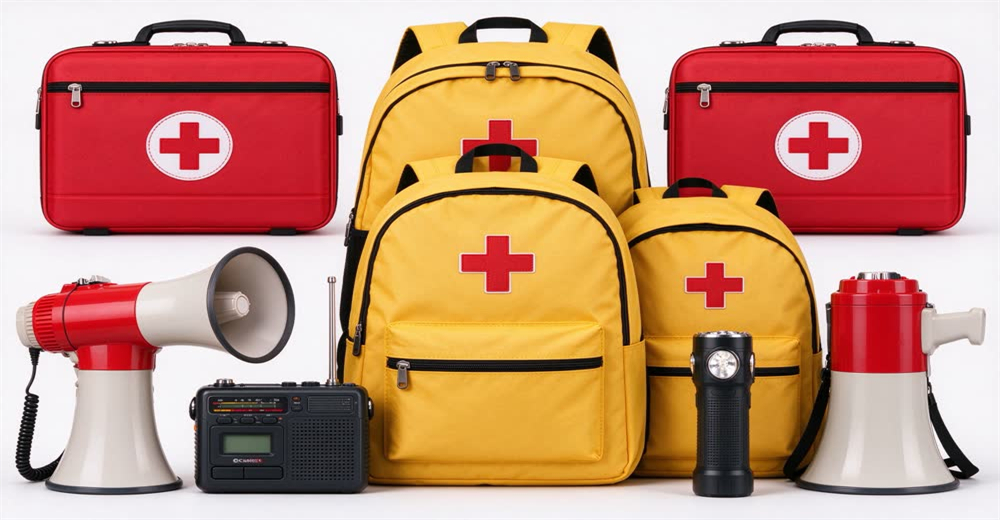
For lockdown scenarios, the classroom kit adds: a roll of duct tape (to cover the door window), a few emergency blankets, and a whistle for signaling. The kit should be grab-and-go — if the class has to evacuate to a different part of the building, the teacher takes it. Every teacher should also carry a whistle on their lanyard — voice alone does not carry in a noisy hallway.
Every classroom has students with specific needs: allergies, medications, or mobility devices. The teacher's emergency folder should include: a list of students with severe allergies, a spare inhaler if the school keeps one, and a plan for students who cannot walk to the evacuation point. For students with disabilities, pre-identified evacuation buddies ensure no one is left behind.
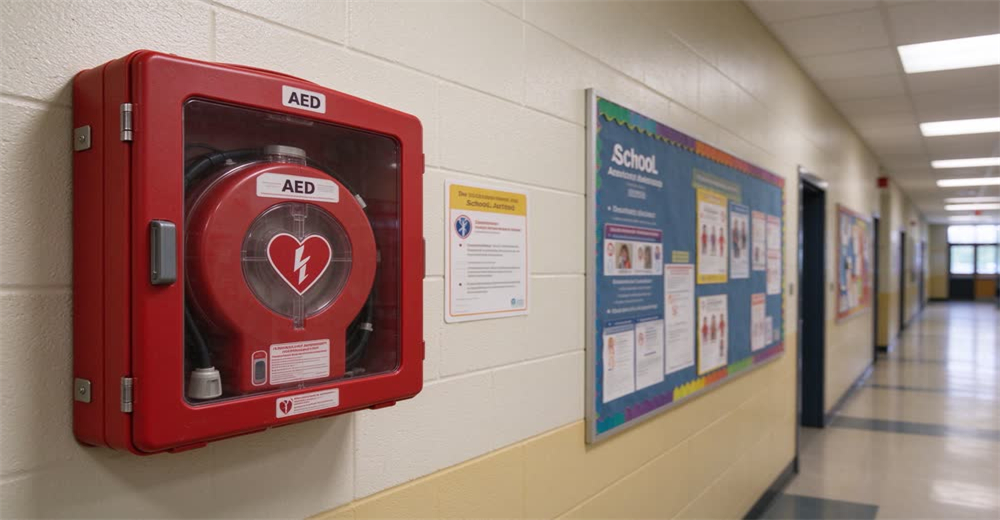
One AED per building floor is the minimum. For a school with three floors, that means three AEDs. Large campuses with multiple buildings need one per building. Place AEDs in high-traffic areas: near the nurse's office, the gym, and the main hallway. The AED cabinet should be unlocked and clearly signed — a locked cabinet costs precious seconds. We supply CE/FDA-certified AED units at wholesale pricing, with multi-language voice prompts and pediatric pads available.
An AED in the cabinet is useless if no one knows how to use it. Every teacher and staff member should be trained in CPR and AED use. The training takes 2-3 hours and should be refreshed every two years. AEDs are designed for untrained bystanders — voice prompts guide you through every step — but confidence comes from practice. We can coordinate group training sessions with local Red Cross chapters when you purchase AED units from us.
AEDs have two things to maintain: battery and pads. Check the battery status monthly. Pediatric pads expire — write the expiration date on the cabinet. The AED should self-test daily (the indicator light on the front shows this). Assign one person to own AED maintenance school-wide. A battery that died in the cabinet is a failure waiting to happen.
Critical insight: AEDs save lives, but only if they are accessible, maintained, and staffed by trained people. A locked, unmaintained AED in an office is worse than none — it creates false security.
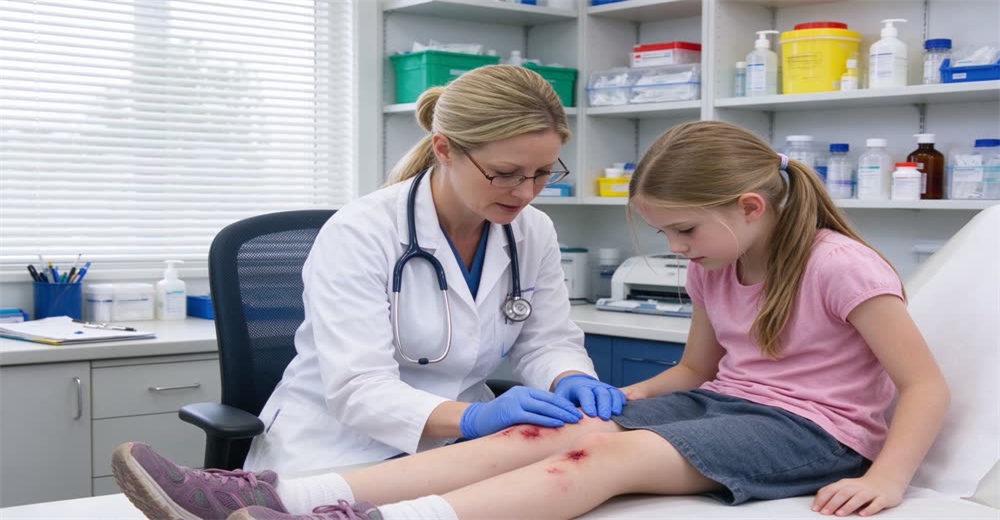
The school nurse's office is the central medical hub. It needs: a treatment bed, basic trauma supplies, a wound care station, a blood pressure cuff, a thermometer, and a well-stocked first aid cabinet. We supply school nurse office equipment at wholesale pricing, including examination beds and medical storage cabinets. The nurse's office should also have a dedicated AED and a 24/7 contact list for parents and emergency services.
Beyond the nurse's office, every classroom has a small first aid kit: band-aids, antiseptic wipes, bandages, gloves, and a cold pack. These handle minor scrapes and headaches while waiting for the nurse. We supply classroom-sized first aid kits at wholesale pricing, wall-mounted and clearly labeled. Check contents at the start of each semester — band-aids run out and antiseptic wipes dry up.
Every school has students with severe allergies and asthma. The nurse maintains individual action plans: what the allergy is, what to do in an emergency, and where the epinephrine auto-injector is kept. Teachers in classrooms with affected students should know where these are and how to use them. We supply epinephrine trainer devices and asthma spacer training tools for staff education. Note: we supply the training devices, not prescription medications.
When the power goes out, exit signs and emergency lights must come on automatically. These are required by fire code in every occupied building. Test them monthly — press the test button, make sure they stay lit for 30 seconds. Burned-out bulbs or dead batteries are common code violations. Every classroom should also have a dedicated flashlight on the emergency kit shelf, with fresh batteries.
For longer outages, the school needs backup power for: emergency lighting, the intercom system, the nurse's office, and communication equipment. A portable generator sized for critical circuits keeps these running. We supply portable power stations and generators at wholesale pricing, sized for school building needs. The generator should be tested quarterly and fueled for an outage.
A flashlight in every classroom is simple but essential. Power outages during lockdowns, storms, or fires leave hallways dark. We supply LED flashlights at wholesale pricing, waterproof and drop-resistant, in bright colors so they are easy to find in the dark. Each flashlight comes with spare batteries, stored together in the emergency kit.
Students and staff who cannot use stairs need an evacuation chair — a tracked chair that lets two people lower a person down the stairs safely. Every building with stairs and an accessible classroom should have evacuation chairs staged on each floor. We supply evacuation chairs at wholesale pricing, with training on how to use them. This is high-value equipment that is often overlooked — the student who cannot walk is the most at risk during a stairwell evacuation.
For extended evacuations, the school needs a plan to transport students to a reunification site. This means pre-arranged bus contracts, a parent reunification process, and student release procedures. We supply emergency folding tables and chairs for the reunification site, at wholesale pricing. The reunification process must be practiced — handing a student to the wrong adult is a real risk during chaos.
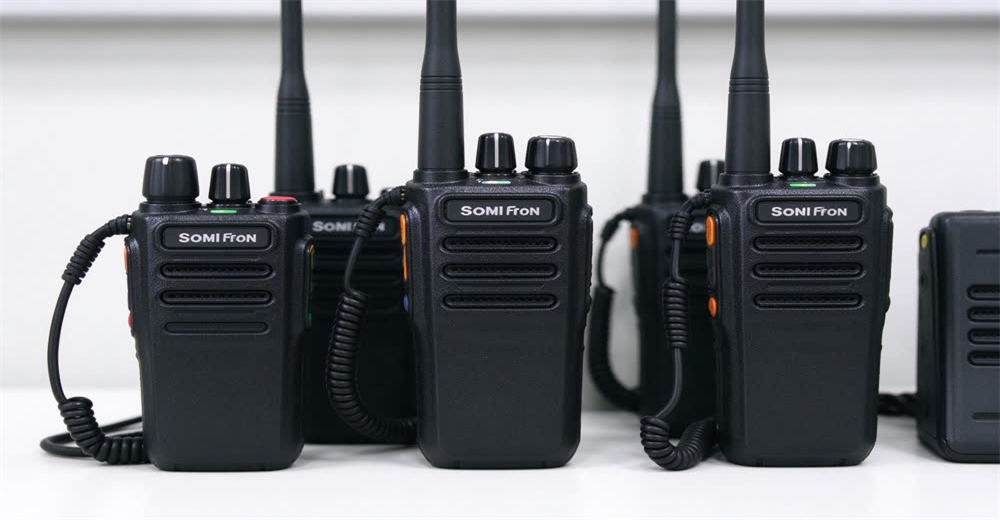
In a chaotic evacuation, voice does not carry. A whistle is the most reliable signal: three short blasts means "come here," one long blast means "stop." Every teacher carries a whistle. We supply bright orange whistle packs at wholesale pricing, on breakaway lanyards. The whistle is louder than the voice, works through smoke, and does not require batteries.

In tornado-prone regions, schools have designated shelter areas: interior hallways without windows, on the lowest floor. Students crouch and cover their heads. Helmets protect against flying debris — we supply impact-resistant safety helmets at wholesale pricing, stored near shelter areas. The shelter area should have enough space for the whole school, water, and emergency blankets.
If students must evacuate to an outdoor shelter in winter, they need warm layers. Every school should have a stack of emergency blankets and a few spare coats in sizes for older students. We supply emergency foil blankets and wool blankets at wholesale pricing, stored in the nurse's office for cold weather use. Hypothermia in students outside in winter is a real risk.
A lockdown can last for hours. The school should have a stock of bottled water and basic snacks in the main office, for an extended lockdown. Note: we supply water containers and storage, not pre-packaged food. Plan for one liter of water per student per day. The water should be rotated annually — bottled water does not last forever.
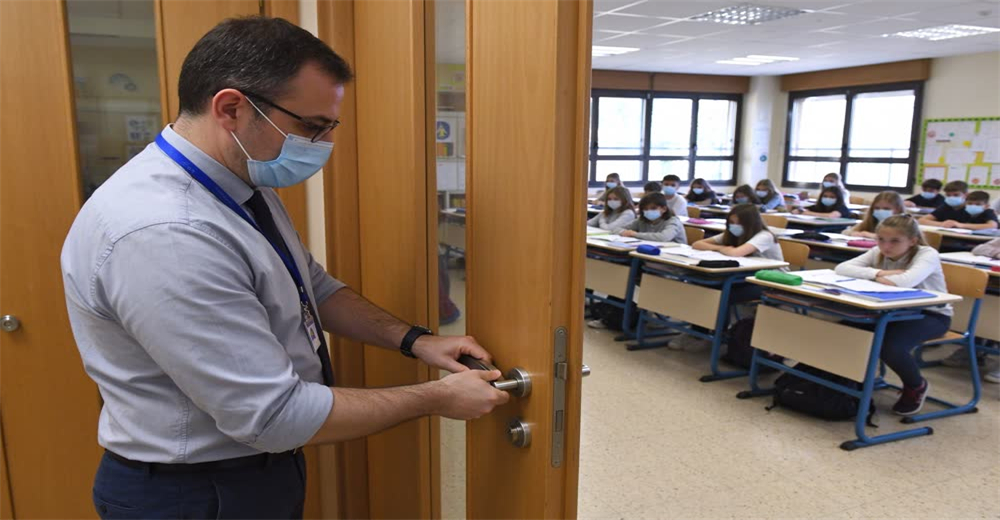
During a lockdown, the teacher: locks the door, turns off lights, moves students out of sight of the door window, and remains silent. Phones are on silent. The classroom emergency kit stays accessible. Students should be instructed not to open the door for anyone — law enforcement will identify themselves. This procedure is practiced in drills so it is automatic.
The teacher has the class roster. During a lockdown, they take attendance and report missing students to the office. This is why the roster goes with the teacher — in their pocket, not on the desk. We supply waterproof attendance clipboards as part of classroom emergency go-bags and kits. Knowing who is safe and who is missing is the single most important job during any emergency.
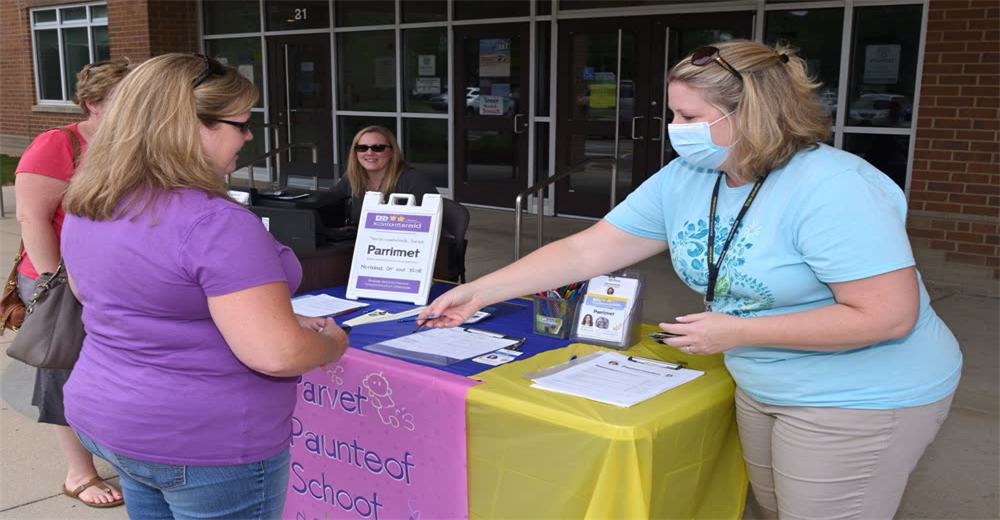
After a lockdown or evacuation, parents arrive to pick up their children. The school needs a controlled reunification process: a check-in table, ID verification, and a sign-out sheet. We supply folding tables and chairs for the reunification area at wholesale pricing. Without a controlled process, parents grab their kids and the school cannot account for who left with whom.
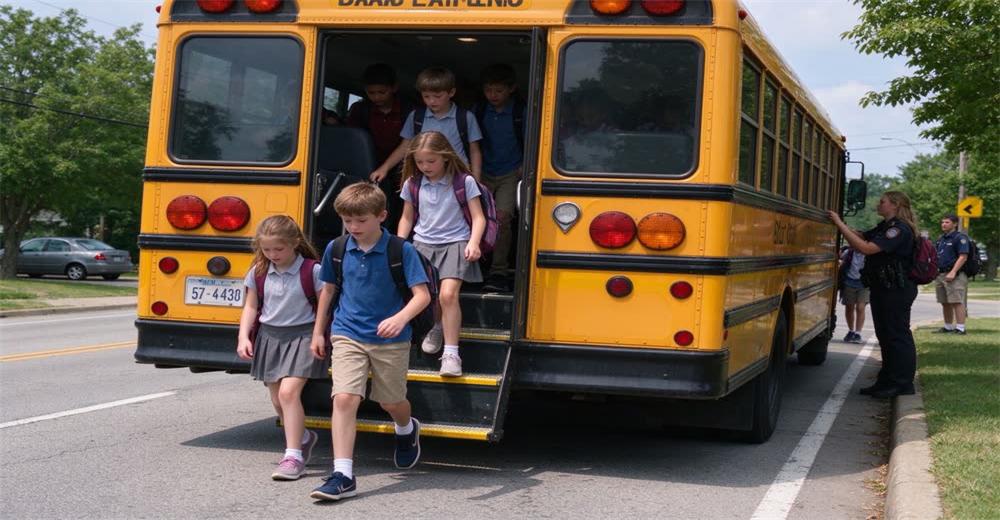
Every staff member should be CPR/AED certified. The Red Cross or local health department runs affordable courses. Certification lasts two years. New staff should be trained within their first month. We coordinate group training when schools purchase AED units from us — it is the best way to ensure the equipment is actually used when needed.
Teachers do not need to be paramedics, but they should handle basic first aid: cleaning a scrape, applying a bandage, recognizing a severe allergic reaction, and using an epinephrine auto-injector. A 4-hour basic first aid course covers these. We supply basic first aid training materials at wholesale pricing.
After every drill and every real emergency, hold a debrief. What worked? What did not? What needs to change? Document improvements and update the emergency plan. Preparedness is not a one-time project — it is a process that improves with every drill.

Table: School safety equipment. Classrooms are the unit of preparation — every room should be self-sufficient for the first 30 minutes.
Item
Elementary School
Large Campus
AED units
2
5+
Classroom emergency kits
per classroom
per classroom
School nurse first aid cabinet
1
2+
Flashlights (spare batteries)
30
100+
Whistle packs
30
100+
Emergency foil blankets
200
1000+
Evacuation chairs
2
6+
Safety helmets (tornado)
100
500+
Exit / emergency lights
per code
per code
Portable power station
1
3+
A: Classroom emergency kits, AED units, first aid kits, flashlights, whistles, emergency blankets, evacuation chairs, and safety helmets. Plus drills and staff training.
A: One per building floor, reachable within 3 minutes from any classroom. Large multi-building campuses need more.

A: A practice where students and staff lock themselves in a room, out of sight, in response to an on-site threat. Held at least twice per year.
A: Fire drills monthly. Lockdown and weather drills at least twice per year. Evacuation routes posted in every room.
A: First aid supplies, flashlight, whistle, emergency blankets, gloves, roster clipboard, and duct tape for door lockdown.
A: Yes. Exit signs and emergency lights must come on automatically when power fails. Every classroom needs a backup flashlight.
A: The nurse's office maintains individual allergy action plans. Teachers know where epinephrine and inhalers are kept. We supply training devices, not prescription medications.
A: Tornado shelter areas away from windows, cold weather blankets for outdoor evacuation, and bottled water for extended lockdowns.
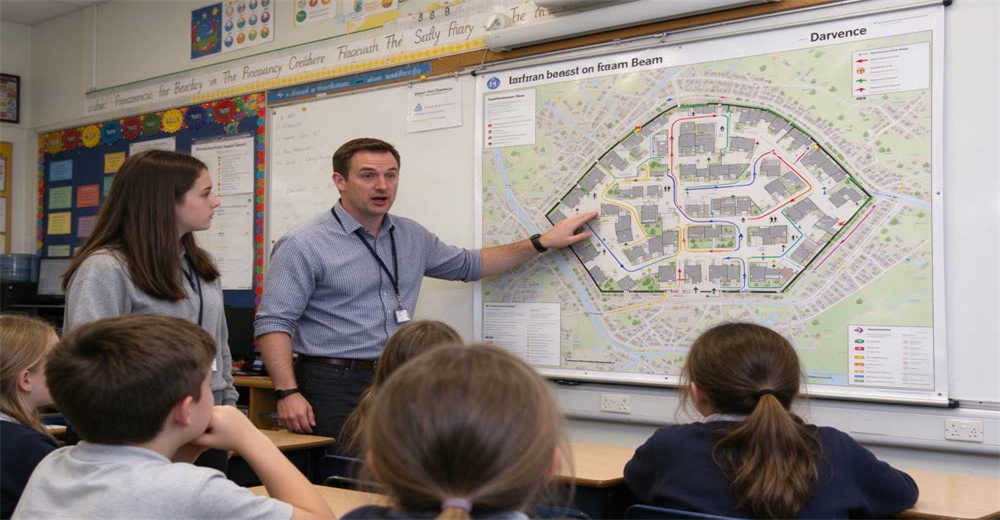
A: CPR and AED certification for all staff, basic first aid, and annual lockdown and evacuation drill participation.
A: Once per semester minimum: check expiration dates on bandages and medications, replace used items, test flashlight batteries. Keep a sign-off sheet taped to each kit. A kit not opened in two years likely contains expired supplies.
Start by assessing your actual risk exposure and equipment gaps. We are a China-based supplier of emergency response equipment. Contact us for wholesale pricing and equipment recommendations.
Дружественные ссылки :
авторское право © Custom Disaster - Relief Bedding: Tents, Sleeping Bags, Blankets Все права защищены
профессиональная команда для обслуживания !