Категории
What Makes Up an Inflatable Decontamination Tent?
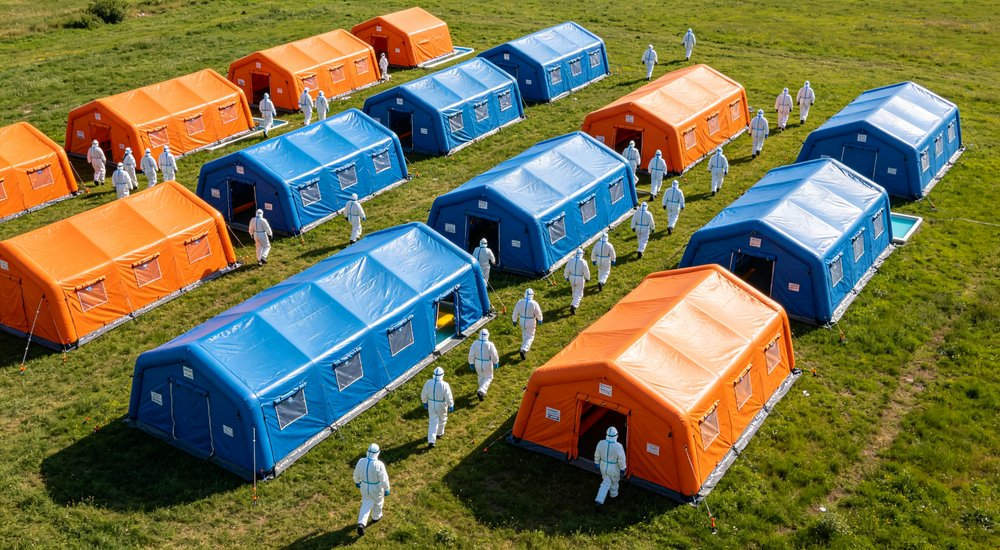
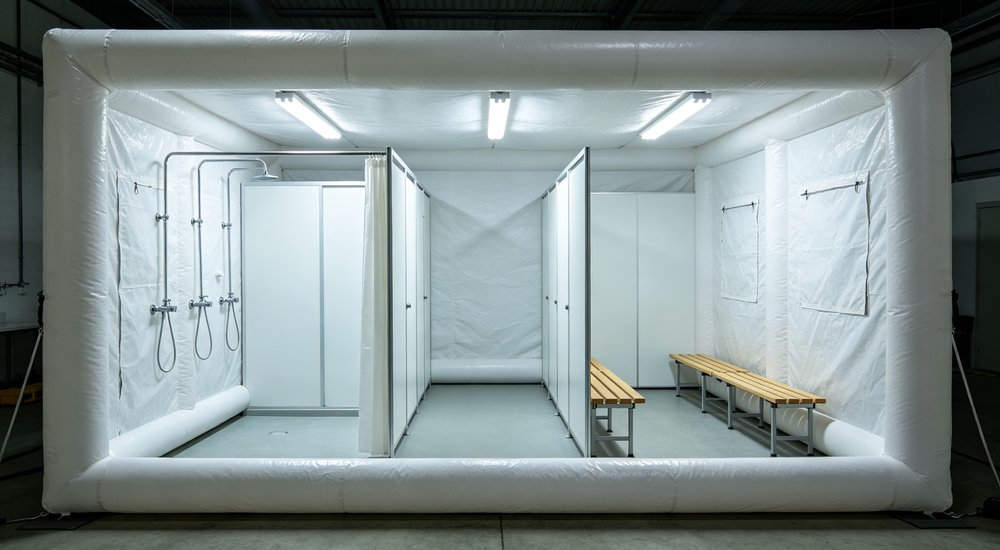
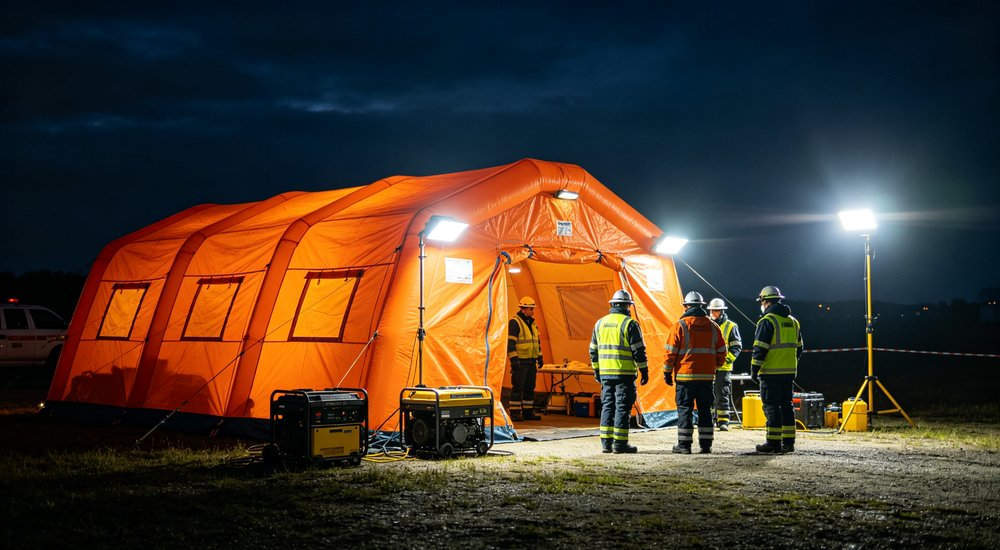
An inflatable decontamination tent is more than an air-beam shelter with showers. A usable system combines the shelter, controlled lanes, water delivery, drainage, effluent handling, privacy, access, and site utilities. As a direct decontamination tent manufacturer, with 20 years of experience we supply these for hazmat response, emergency services, and military decon.
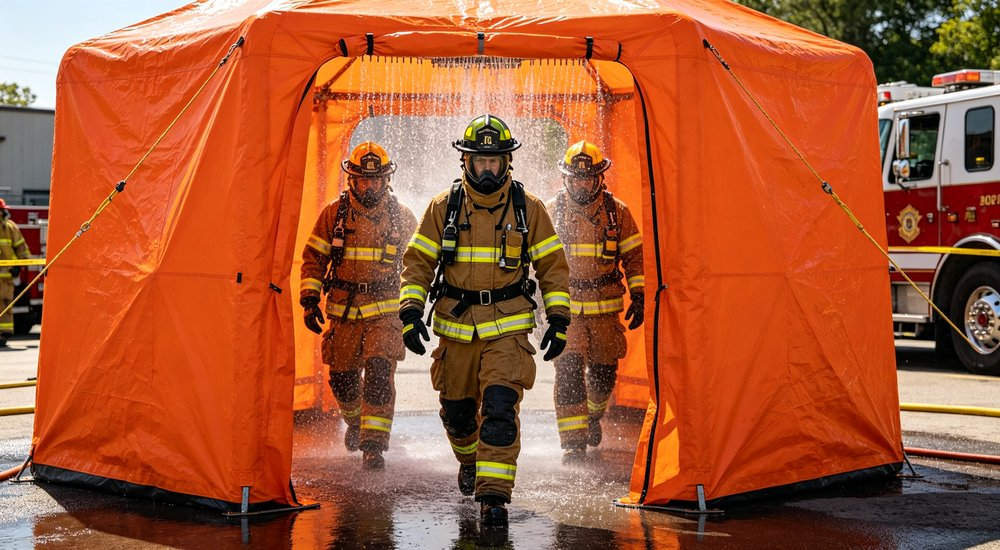
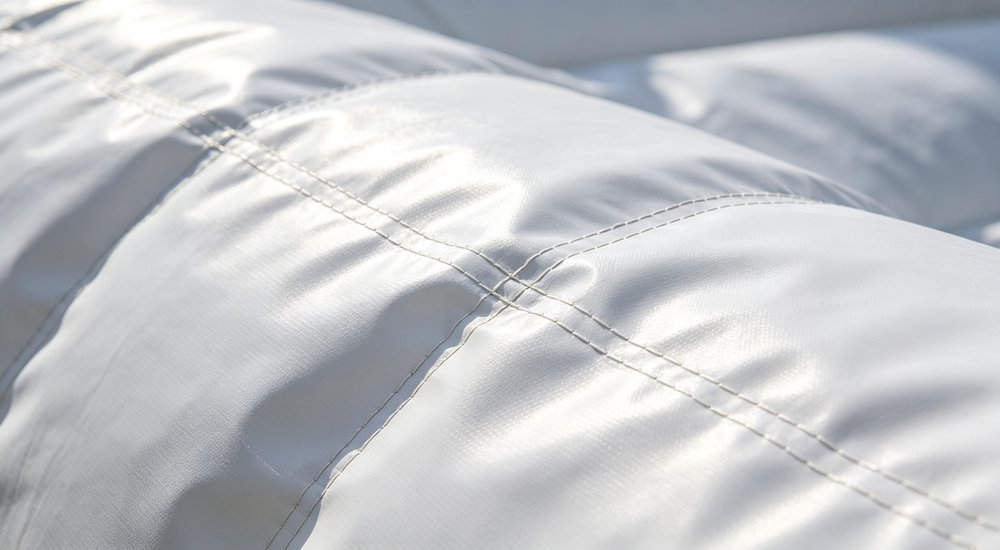
Standard specs: 600D oxford outer fabric (0.4mm), 1000D airtight PVC beams (0.7-0.9mm), 250mm beam diameter, 72-hour pressure retention. Each lane has 4-8 shower nozzles at 0.2-0.4MPa.
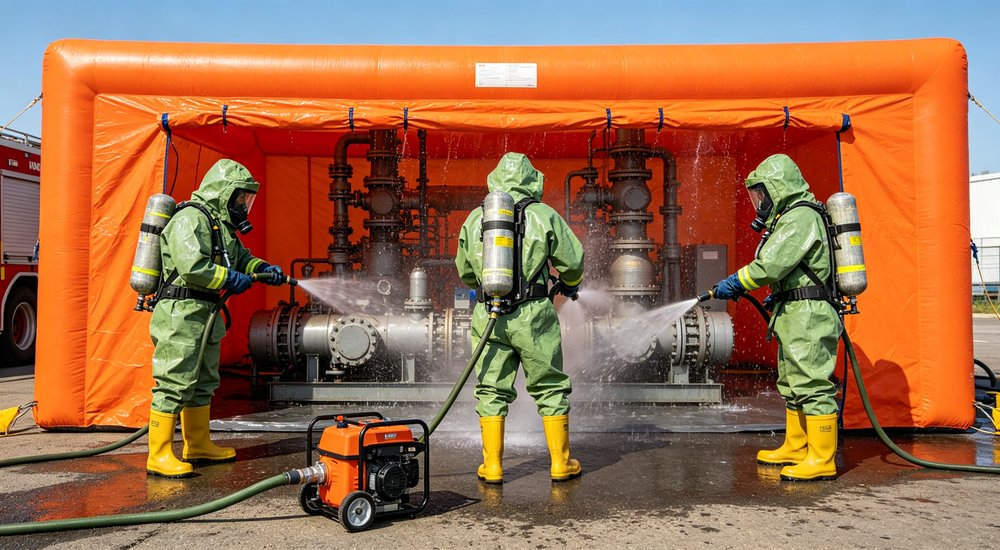
A standard decon cycle uses 30-50 liters per person for a full undress-wash-redress sequence. Multi-lane systems with continuous flow can process 20-60 people per hour, requiring 600-3000 liters per hour. Water bladder capacity (typically 200-1000L) and refill rate determine sustained operation.
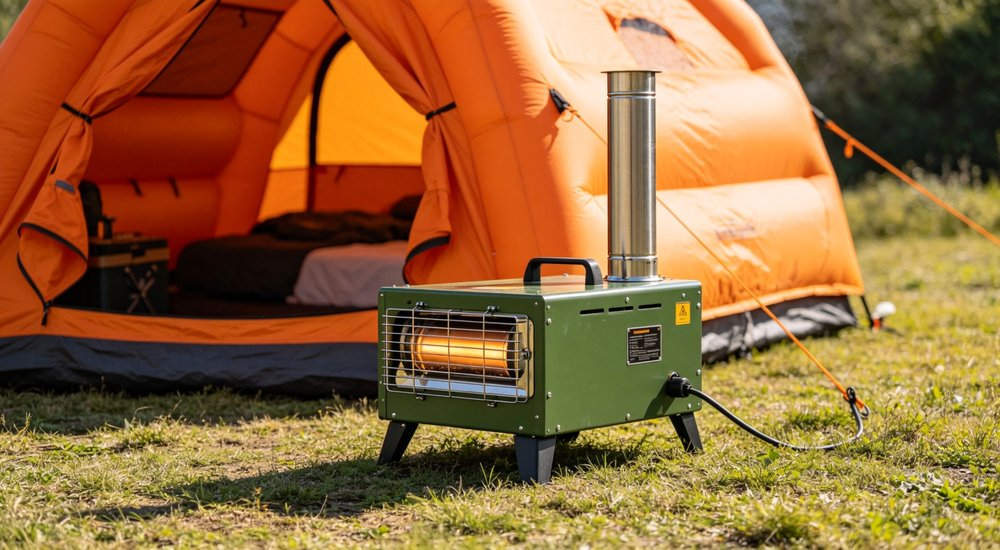
Water heating systems typically deliver 30-50°C at 10-20 L/min per shower head. Pump capacity ranges from 600W electric for single lane to 1900W+ for multi-lane. Diesel heaters are common for cold weather operation. Always confirm flow rate matches your expected throughput.
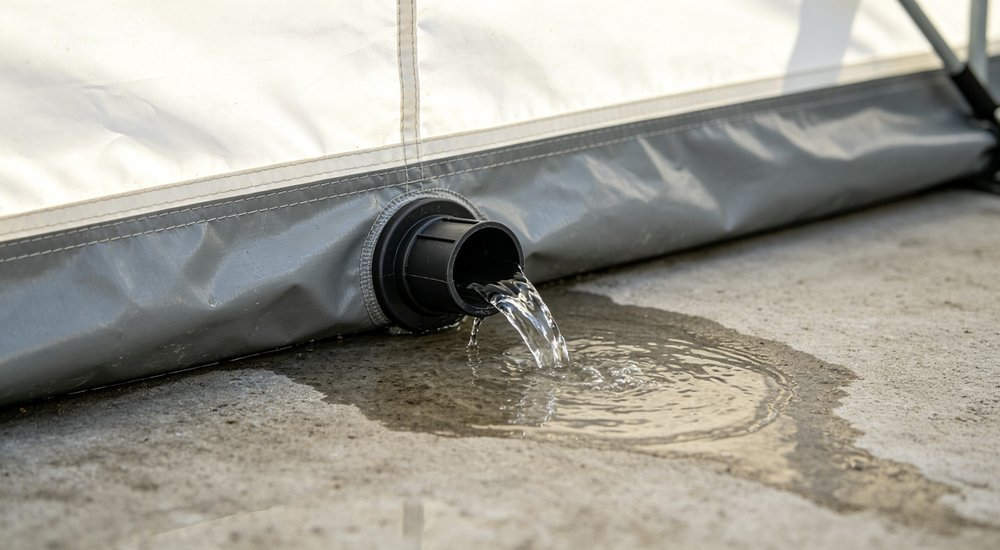
Decon tents include integrated floor drainage channels leading to collection ports. Waste collection bags (200-500L) or pumps transfer contaminated water to designated storage. Some systems include filtration for chemical runoff. Confirm hose diameter, pump type, and containment capacity before purchase.
Yes, with cold weather kits including insulated water lines, diesel heaters, and tent liners. Operating temperature range is typically -30°C to +70°C for heavy-duty models. Chemical resistance of PVC fabric should be confirmed for the specific contaminants you expect to encounter.
A regular maintenance schedule is essential: inspect valves and seams after every deployment, test pump function monthly, and replace water hoses annually. Document all maintenance for audit and warranty purposes.
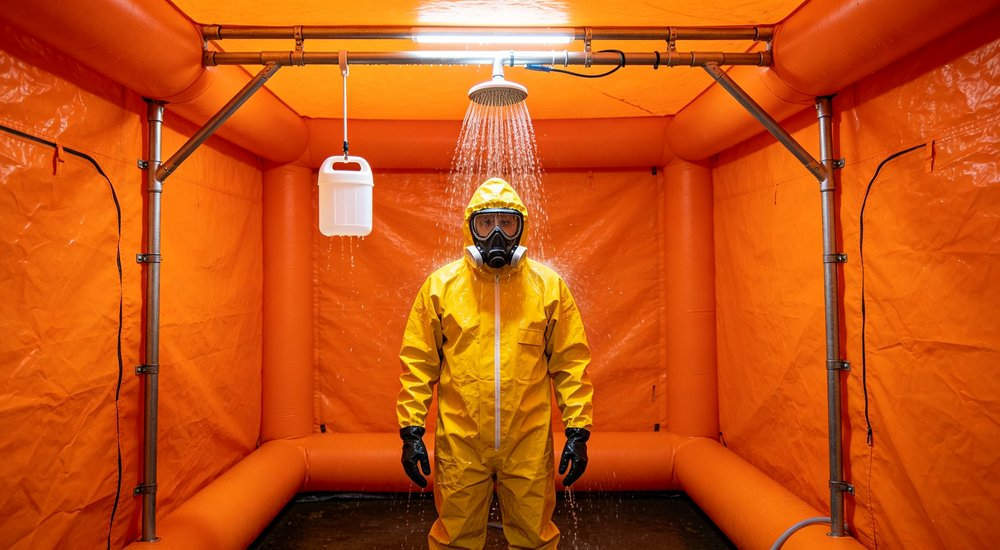
Additional search terms buyers use: mass casualty decon, firefighter decon tent, chemical spill decon. These terms help match your specific operational requirements with the right product configuration.
Buyers often search for these related terms: inflatable decon tent, hazmat decontamination shelter. Understanding these variations helps you match the right product to your operational requirements.
The inflatable shell provides cover, air-beam support, openings, and space for the process. It does NOT create decontamination performance by itself.
|
Component |
Standard Spec |
|
Outer fabric |
600D oxford, 0.4mm PU coated, flame-retardant |
|
Air beams |
1000D airtight PVC, 0.7-0.9mm, 250mm diameter |
|
Ground sheet |
0.4mm knife-coated, integrated drainage channels |
|
Pressure retention |
72 hours minimum |
|
Operating temp |
-30°C to +70°C |
|
Wind resistance |
Grade 7 (guy lines Grade 8) |
The complete system may include lanes, partitions, shower hardware, hoses, water supply, drainage, sumps, effluent bags or tanks, flooring, privacy screens, lighting, circulation units, and storage. Exact scope depends on the project.
Ask the supplier to separate the shell, standard accessories, process equipment, optional items, and site-supplied work. "Complete tent" is not a sufficient description.
A decontamination layout needs a controlled direction from entry through processing to exit. The dirty side and clean side should not become an uncontrolled shared route.
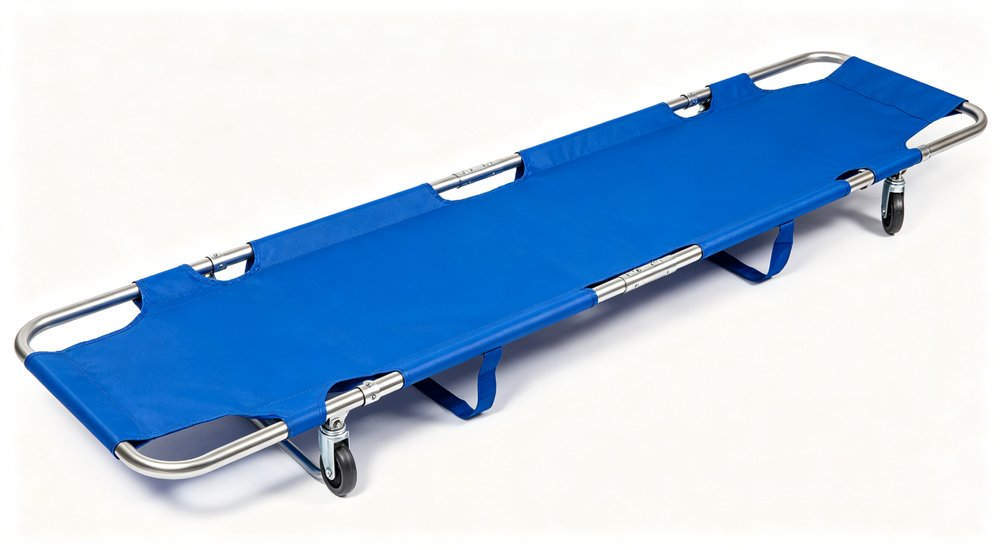
Define the users, whether they walk or use stretchers, clothing-change needs, assistance, privacy, and next destination. These change lane width, doors, partitions, floor, and staff positions. Water consumption: 8-15 liters per person per shower cycle, with a 200-500L supply tank for field use.
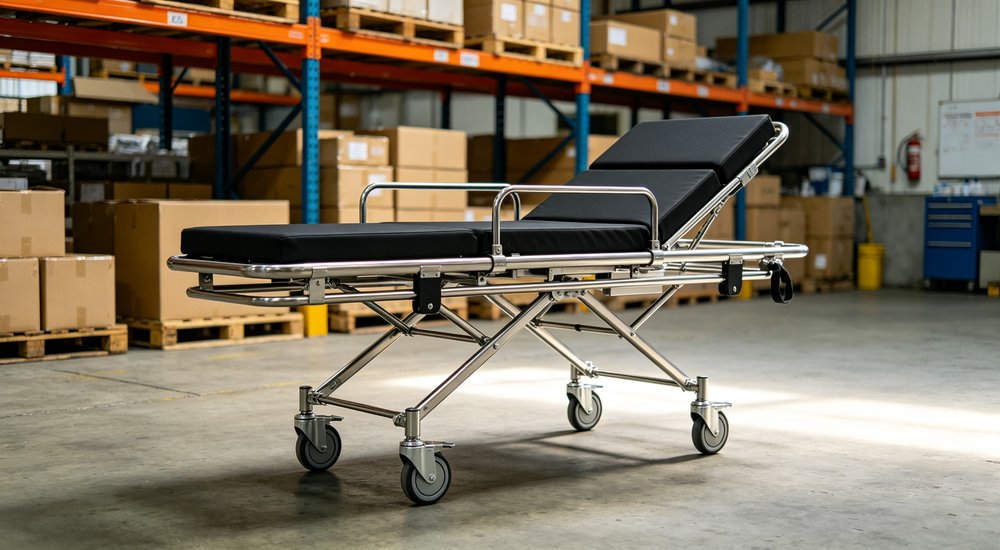
A large open tent does not solve flow control. Request a marked plan showing entry, each stage, exit, staff access, equipment, and service lines.
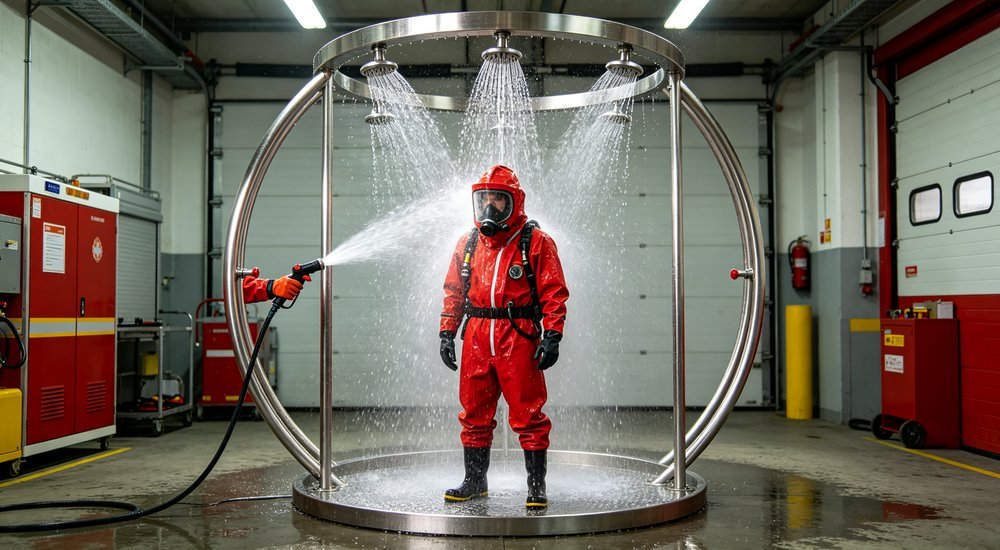
A single lane may suit limited flow or one defined user group. Multiple lanes support separation, privacy, stretcher movement, or greater processing demand. Single lane vs multi-lane guide.
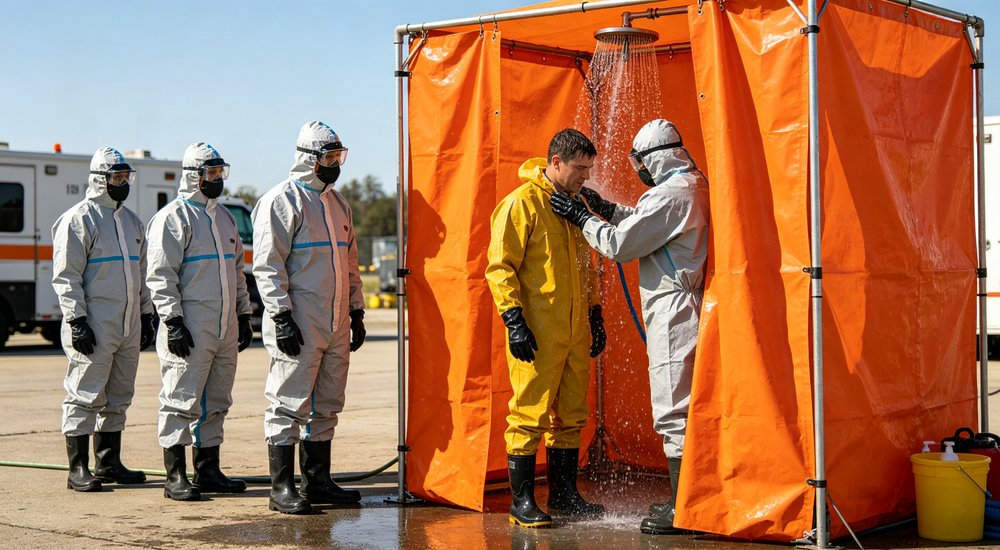
Items
Single Lane
Dual Lane
Throughput
15-25 people/hour
30-50 people/hour
Footprint
~12-18m²
~25-40m²
Water demand
200-300L/hour
400-600L/hour
Staff needed
2-3
4-6
Price range
$2,500-$4,500
$5,000-$8,000+
More lanes also increase water, drainage, equipment, staffing, footprint, and packing needs. They should solve a stated problem, not just make the shelter look more capable.
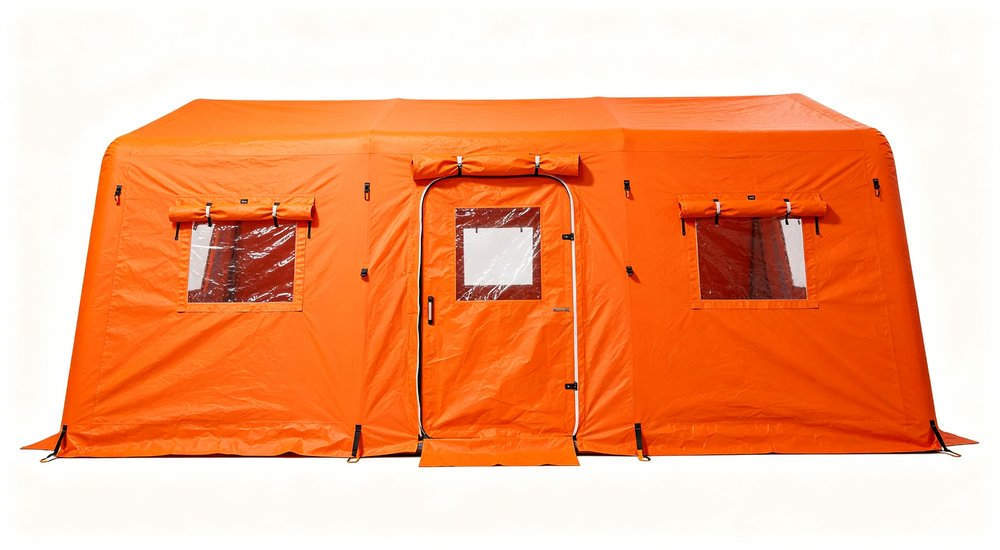
Floor systems include integrated drainage channels with 50-100mm outlet connections, sloped at 1-2% toward collection points.
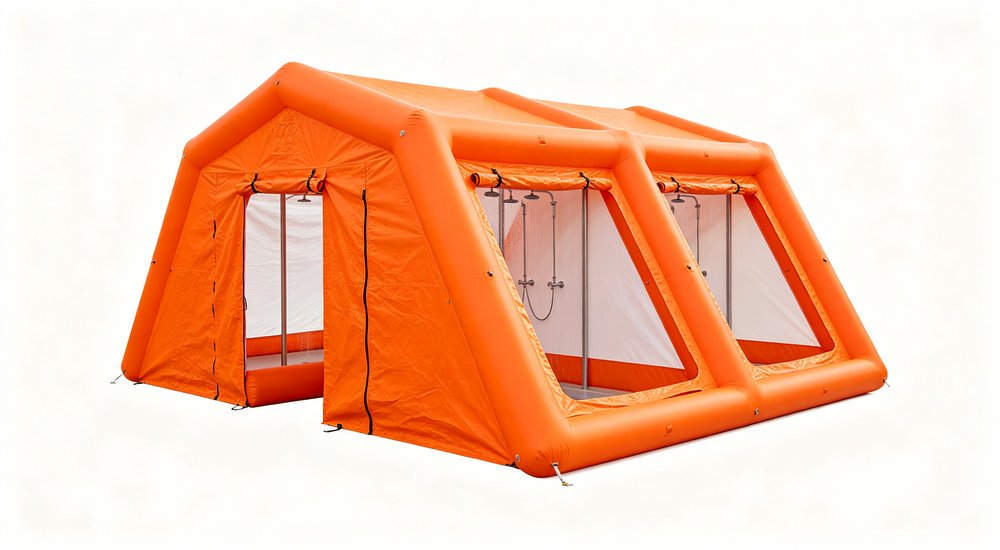
Shower nozzles, manifolds, hoses, valves, and pumps must work with your available water source. A photo of installed nozzles does not prove suitable flow, temperature, or coverage.
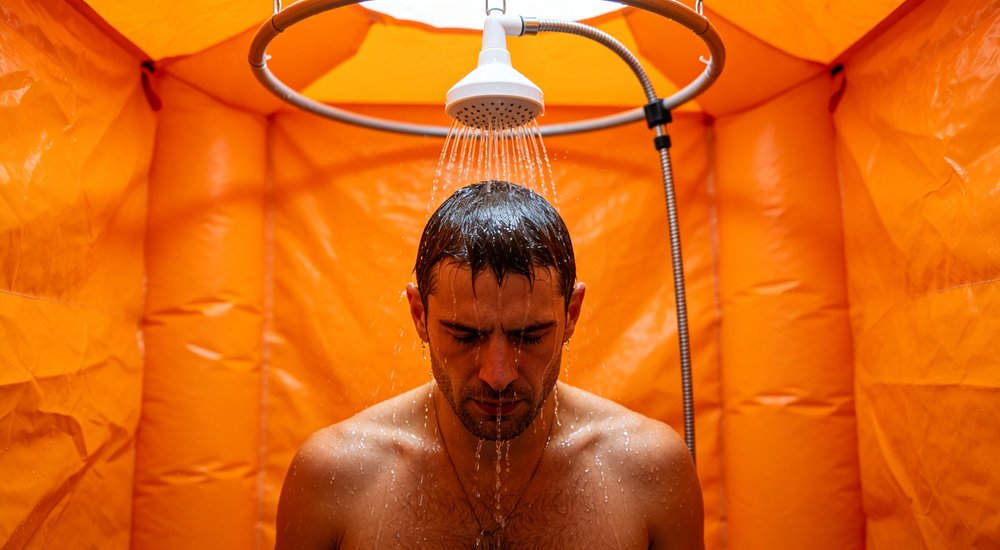
Standard water system components:
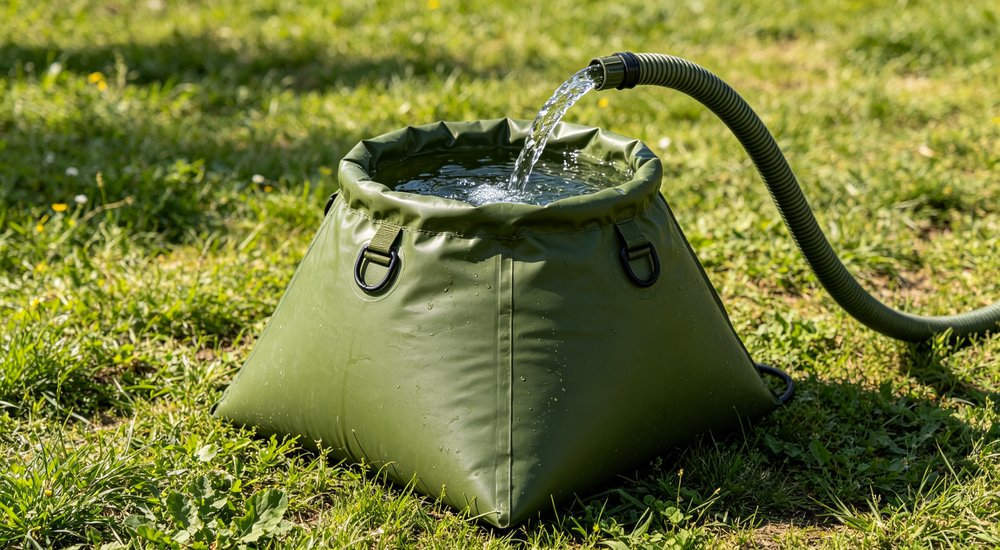
State whether water comes from mains, a tank, or another source. Add expected supply conditions, distance, temperature needs, operating time, and backup.
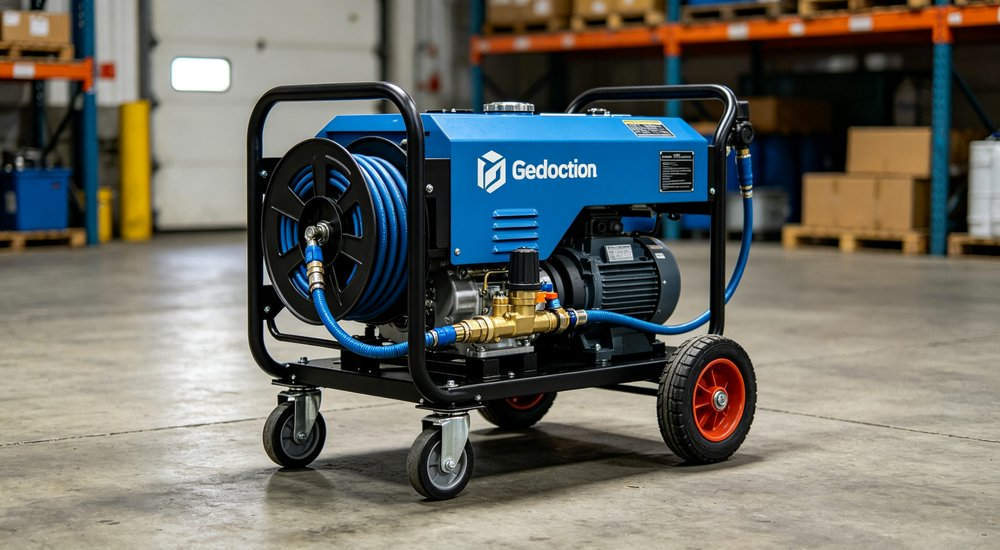
The floor is part of liquid control, not only a walking surface. Its shape, seams, edges, slope direction, and connection to drainage affect where liquid travels.
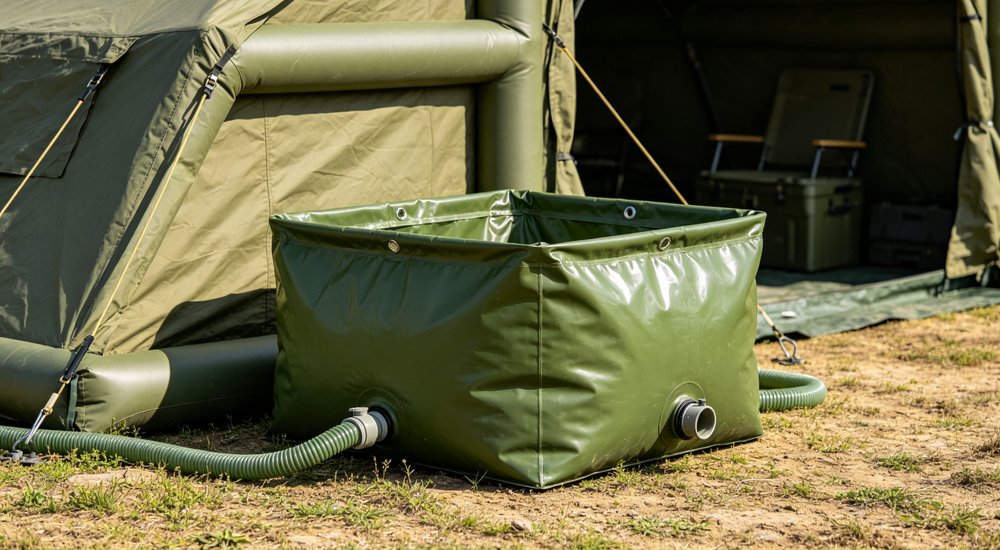
Ask how water leaves each lane, where it collects, and what happens if flow exceeds removal. Check transitions for people, stretchers, staff, and hoses.
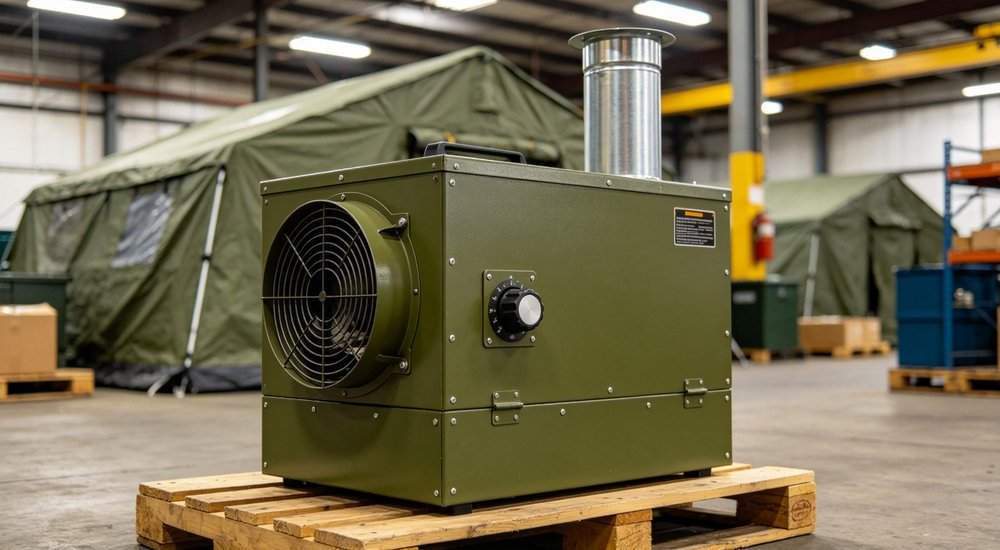
A groundsheet alone does not prove containment. The site still needs suitable levelling, drainage planning, and enough space for collection equipment.
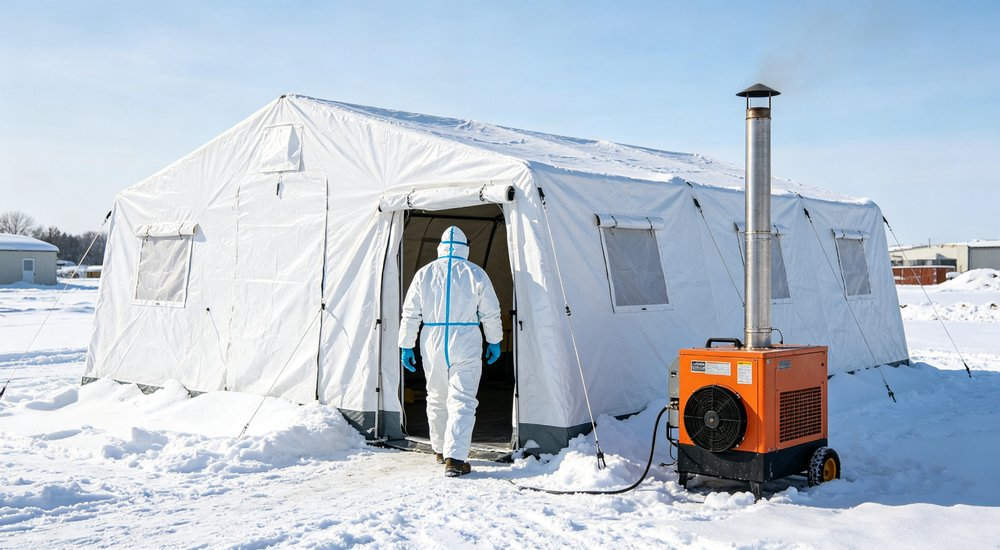
A decontamination tent system includes these major groups. Confirm each is in your quote:
Group
Key Items
Included?
Shelter
Air beams, outer cover, ground sheet, entrances
✅ Standard
Lanes & partitions
Internal dividers, privacy curtains, changing area
✅ Standard
Water supply
Storage bladder, supply pump, hoses, connectors
⚠️ Optional
Shower system
Shower rings, nozzles, manifolds, heating unit
⚠️ Optional
Drainage
Floor channels, sump, drainage pump, hoses
⚠️ Optional
Effluent
Collection bags, sealable drums, decon pool (≥1.6m)
⚠️ Optional
Inflation
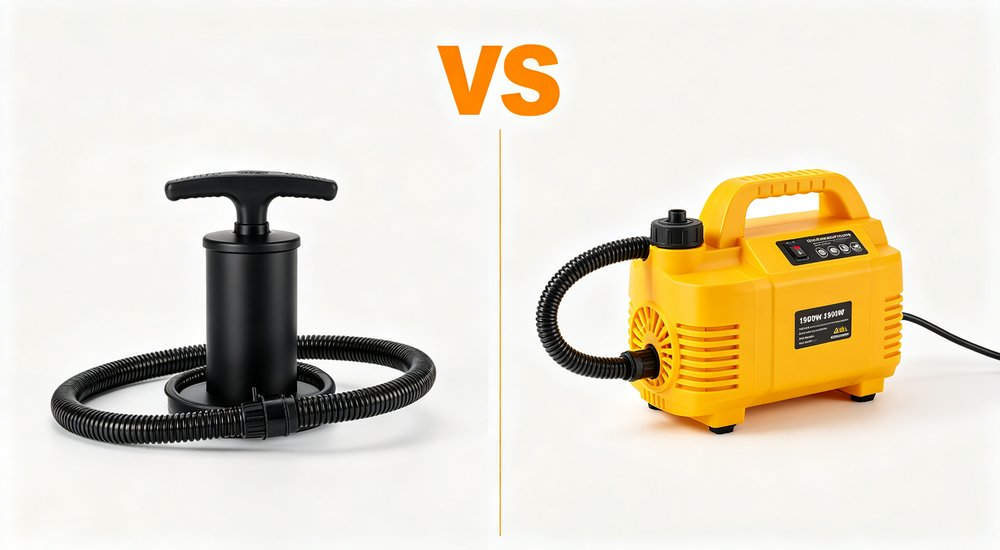
Manual pump (37cm/1kg), electric pump, repair kit
✅ Standard
Anchoring
Stakes, guy lines, ballast options
✅ Standard
Controls
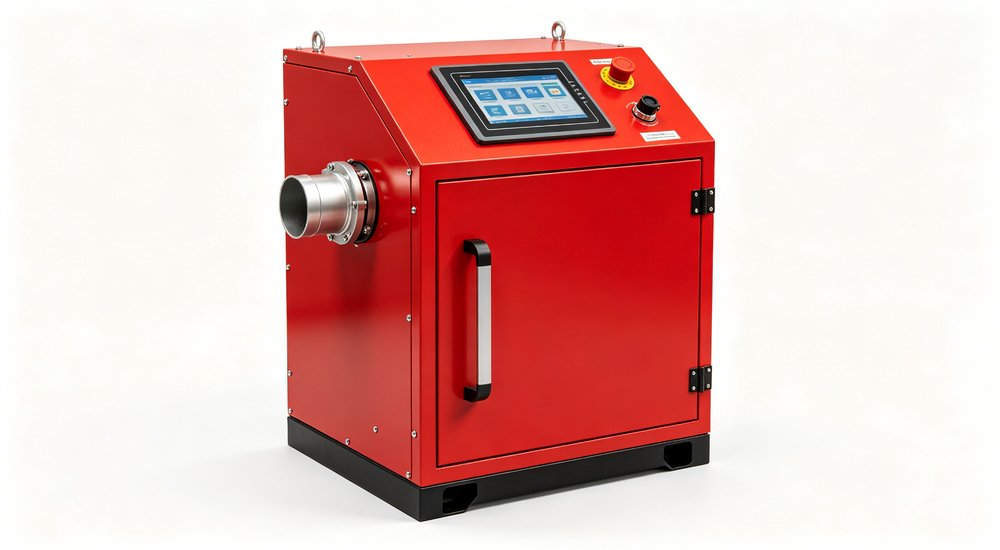
Lighting, control panel, touch-screen unit (premium)
⚠️ Optional
PPE
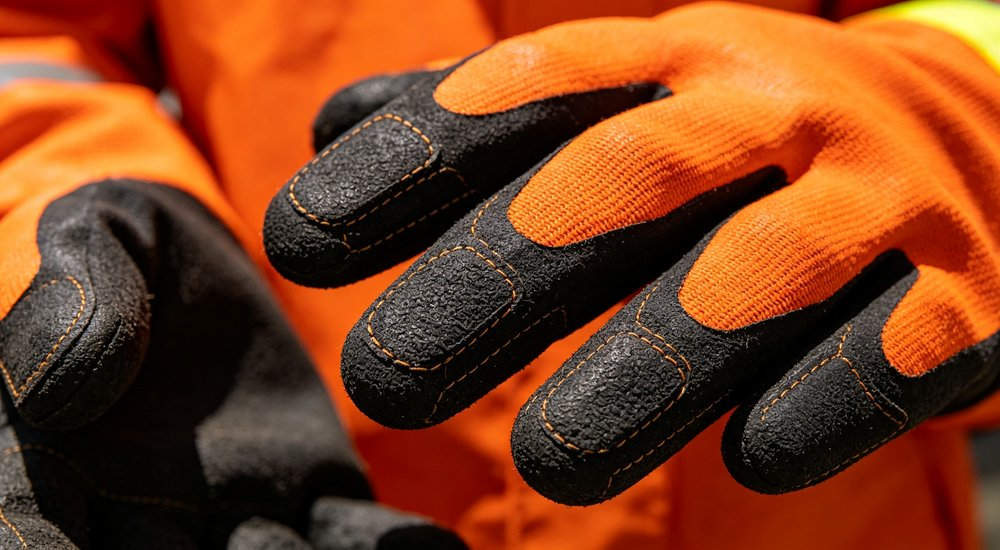
Chemical-resistant gloves (XF770-2008), waterproof stretcher
⚠️ Optional
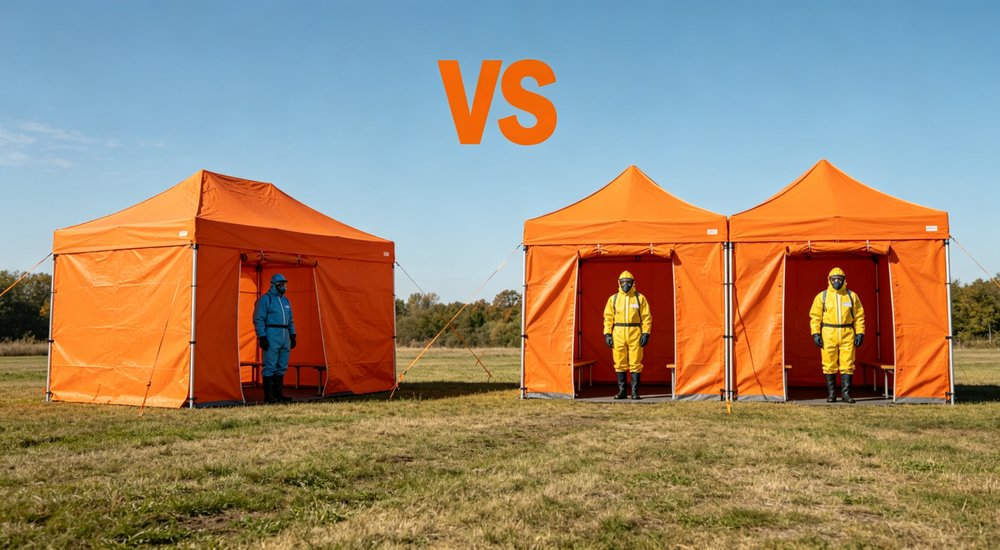
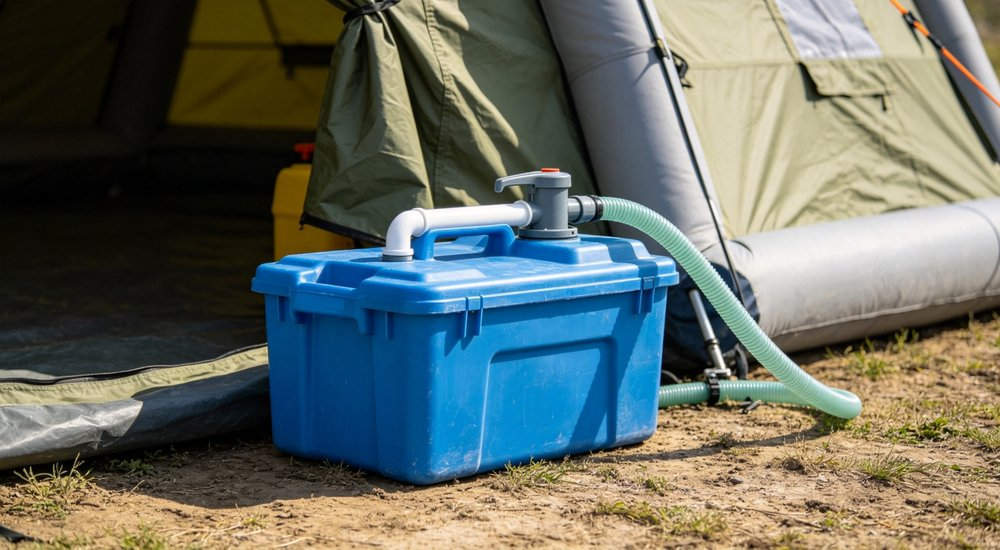
Collected liquid needs a defined destination. This may involve a sump, pump, hose, flexible bag, tank, or another site arrangement meeting local requirements.
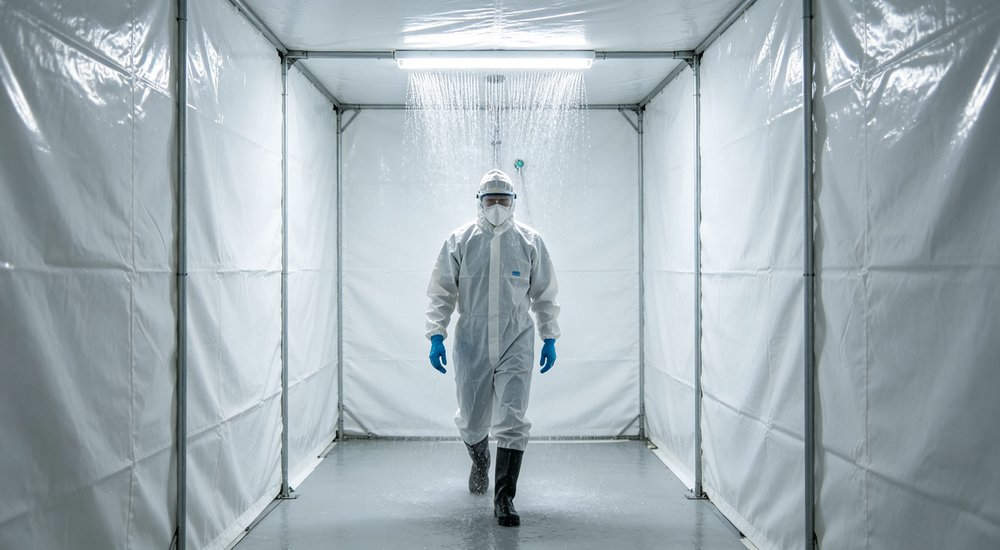
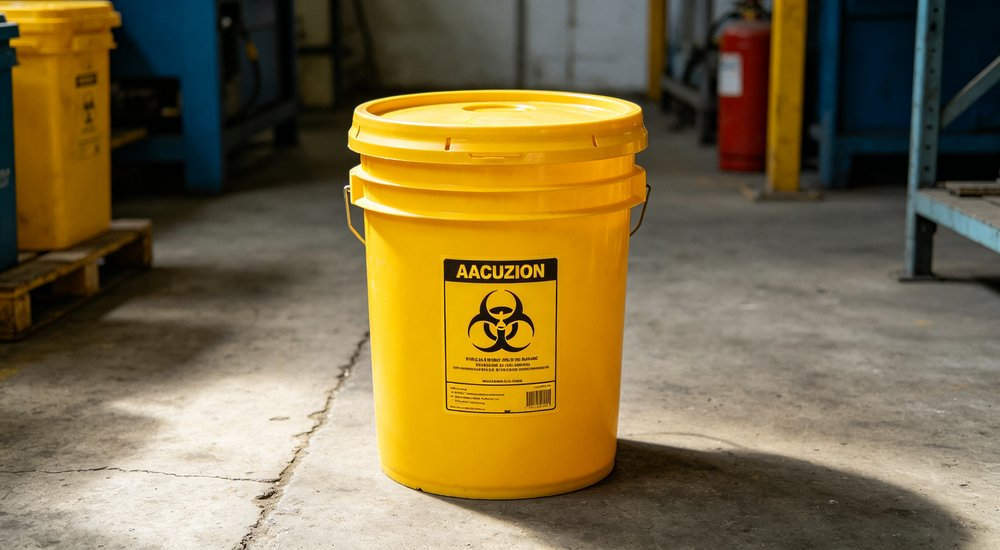
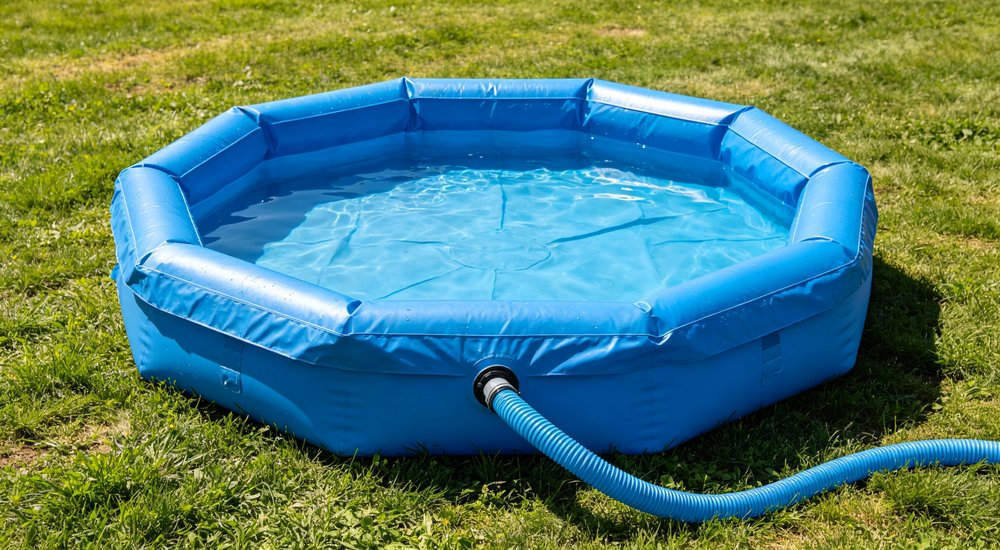
Standard effluent components: contaminated water collection bag, toxic material sealable drum, decontamination pool (PVC, ≥1.6m diameter), spill absorption kits, decontamination chemicals suitable for expected contaminants. including chemical spill, firefighter decon, mass casualty, and industrial accident response scenarios.
State collection limits, discharge restrictions, expected liquid volume, distance, and handling responsibility. Local requirements and the actual contaminant affect the final method.
The supplier should describe the interface and included parts without claiming one generic arrangement suits every substance or site.
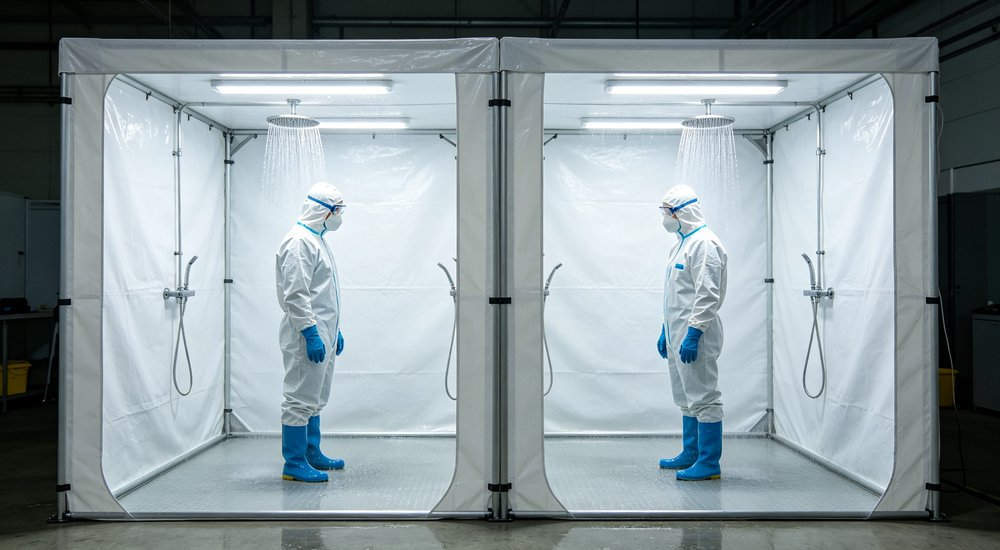
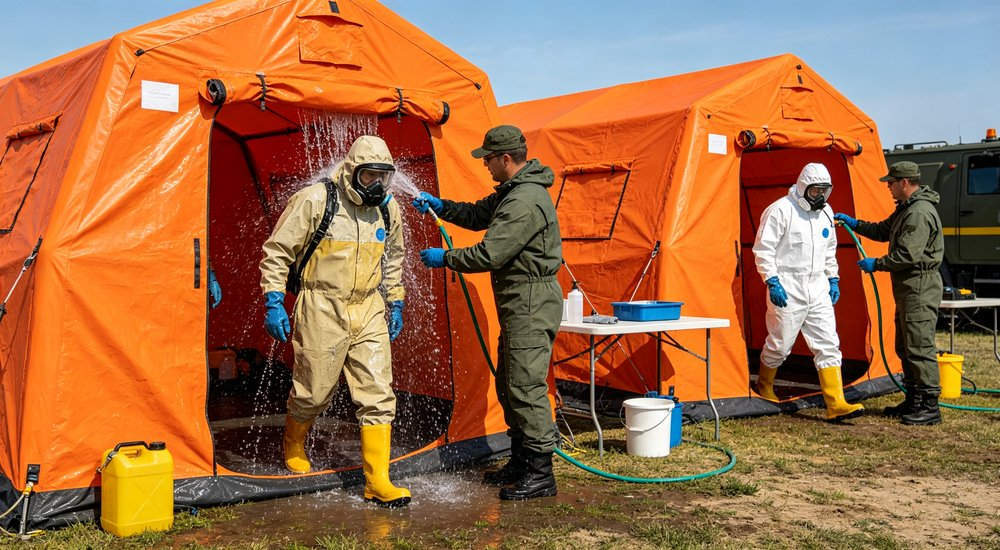
Public decontamination may need screened changing areas, separate lanes, assisted-use space, and controlled staff access. These affect partitions, doors, curtains, lighting, and floor layout.
Stretcher access requires clear door width, turning space, stable transitions, and enough room for helpers. A walk-through lane may not support the same task.
Provide user groups and assistance method. Ask the supplier to show them in the proposed layout rather than list privacy as a general feature.
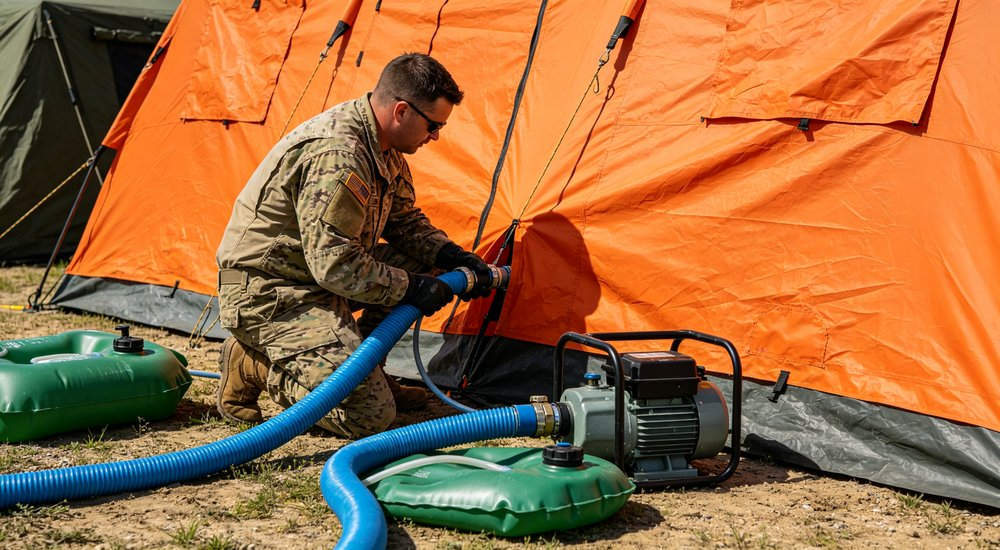
Water pumps, drainage pumps, lighting, heating, ventilation, and controls may require power. The site must define supply, connectors, cable routes, protection, and backup needs.
Keep inflation equipment separate from process equipment. The pump that erects the shelter is not automatically the pump that supplies showers or removes effluent.
The proposal should identify every powered device, its function, interface, and whether included. Cables and hoses should not block exits or cross routes without protection.
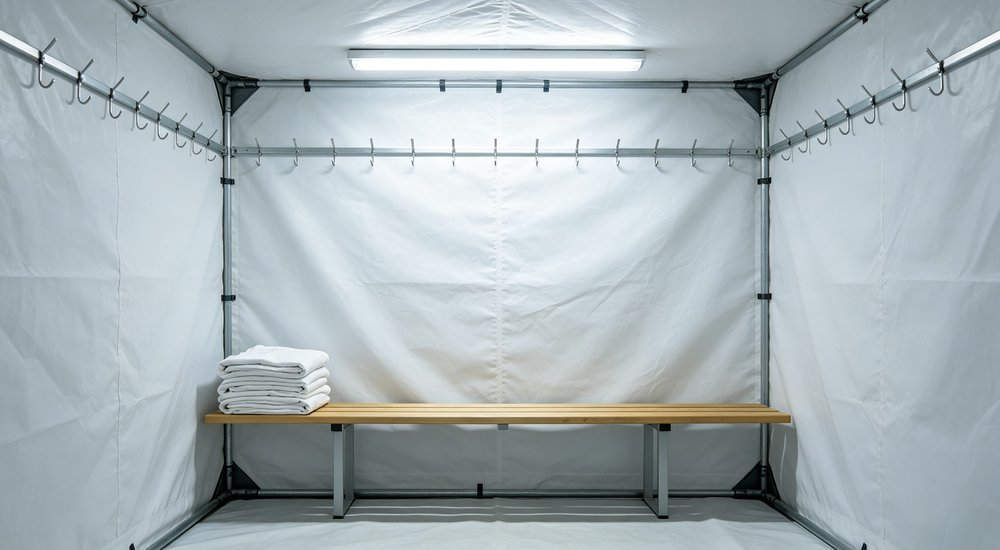
The shelter depends on air beams, chambers, valves, pressure retention, and suitable inflation equipment. It also needs anchoring matched to the surface and exposure. See why air-beam design matters.
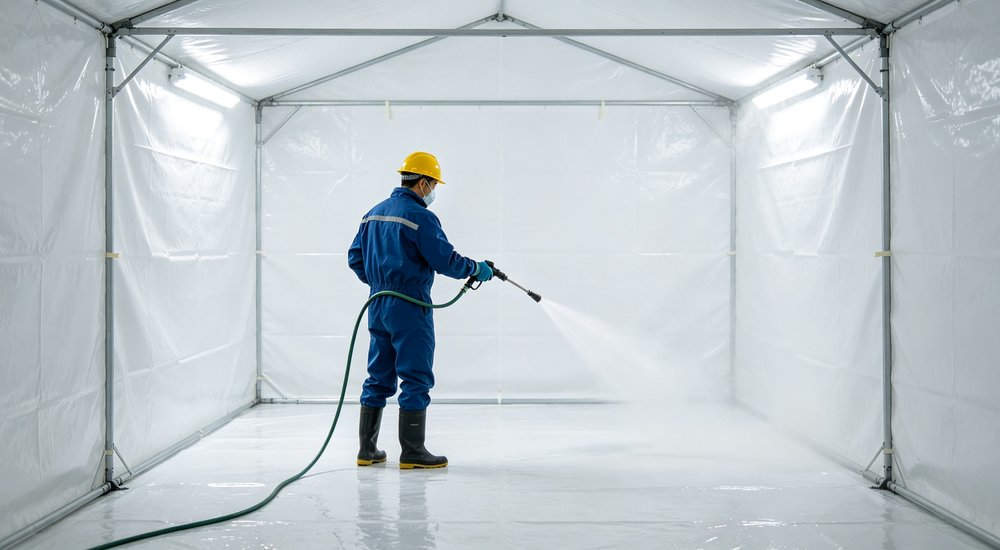
Ask how pressure change is identified, which chambers are independent, and what repair materials are included. The response should explain the action if a problem occurs during operation.
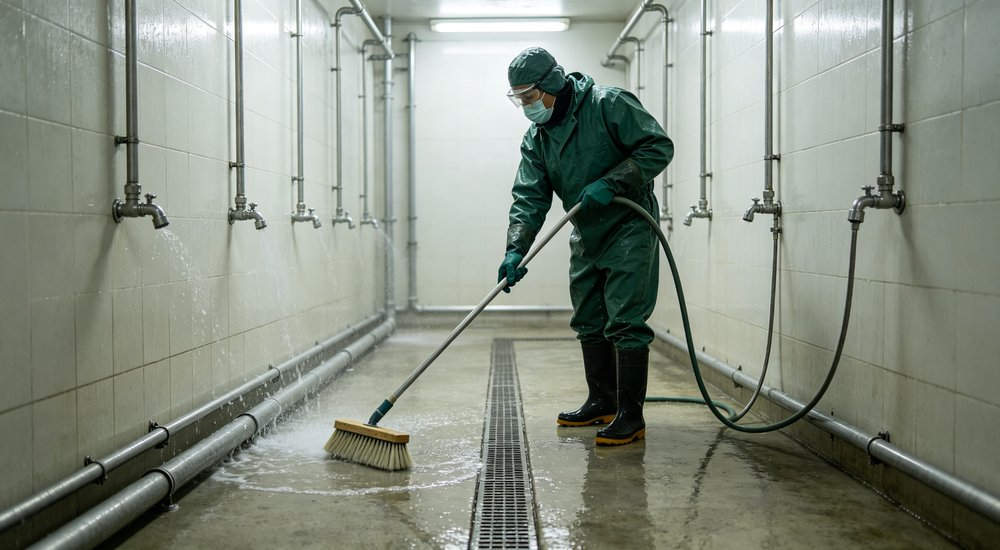
A decontamination system may arrive in several shelter bags, equipment cases, hose packages, floor components, and collection containers. Each package needs clear identification. The packing list should connect every item to its function and proposed layout.
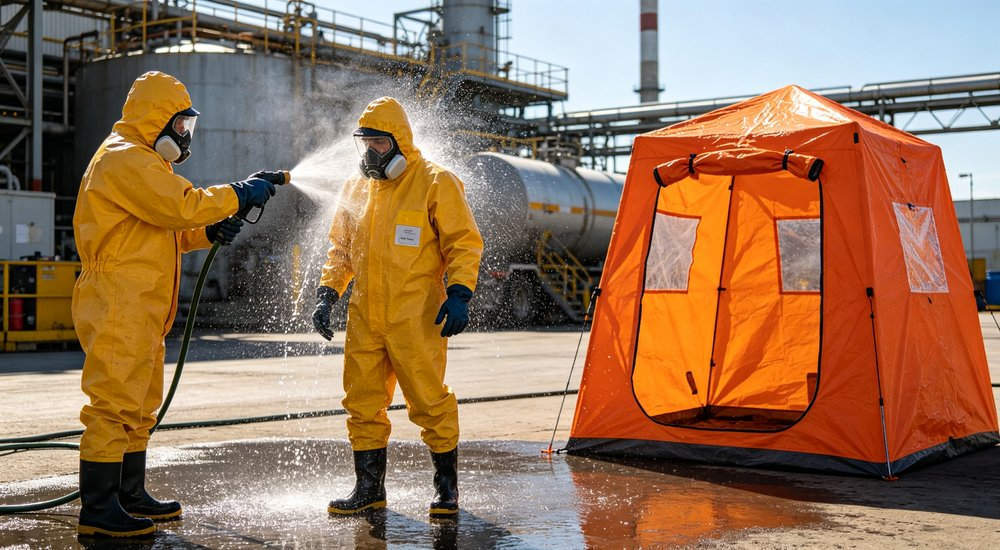
Project A — Limited walking flow, site has water/drainage/power: Simple lane arrangement with privacy and clearly defined liquid collection. Budget: $2,500-$4,000. We offer CE certified factory direct pricing and custom decon system configurations.
Project B — Separate lanes, assisted movement, stretcher access, remote water, contained effluent: Larger footprint, more interfaces, different packing scope. Budget: $5,500-$8,000+.
Both use inflatable decontamination shelters, but copying one component list to the other would leave critical gaps or unnecessary equipment.
Send: target users, hazard info, lane logic, flow, privacy, stretcher needs, water, power, drainage, effluent limits, site, weather, duration, quantity.
Request: shelter layout, air-beam direction, lane dimensions, partitions, shower and water parts, floor, drainage, collection, pumps, utilities, anchoring, repair, packing, applicable documents. Confirm the full accessory scope.
MOQ & lead time: Standard single-lane: MOQ 1-5 sets, 15-30 days. Custom/dual-lane: MOQ 10+, 30-45 days. Certifications: CE, ISO 9001, CPAI-84, NFPA 701.
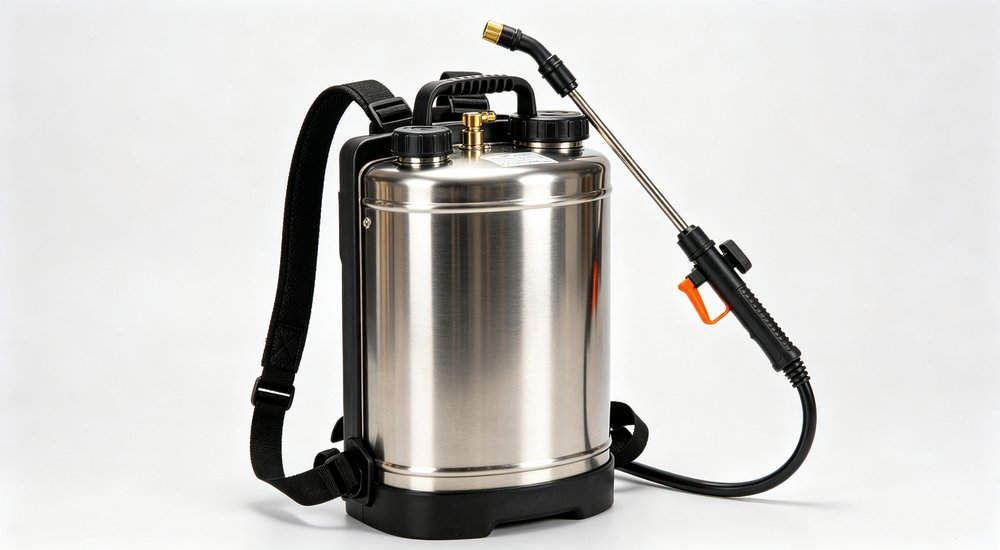
Practical test: If the proposal cannot trace water from source → shower → floor drain → collection → disposal, it is not a complete decontamination system.
Compare inflatable vs frame structures.
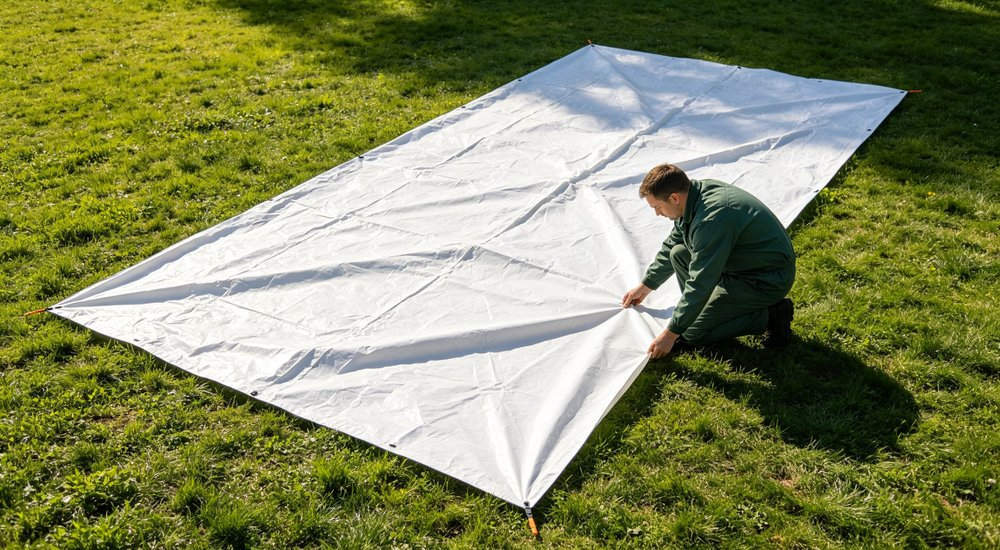
decontamination shower tent: A decontamination shower tent provides private washing space within the shelter. hazmat decon tent: This hazmat decon tent design meets rapid response requirements. emergency decontamination system: The complete emergency decontamination system includes water supply, heating, and waste collection. portable decontamination unit: This portable decontamination unit can be deployed in under 30 minutes.
Decontamination tent prices range from $2,500 for a single-lane basic system to $8,000+ for a dual-lane complete system with water heating, drainage pumps, and effluent collection. Always compare itemized component lists.
Single-lane systems process 15-25 people per hour. Dual-lane systems handle 30-50 people per hour. Actual throughput depends on user type, clothing change needs, and water temperature.
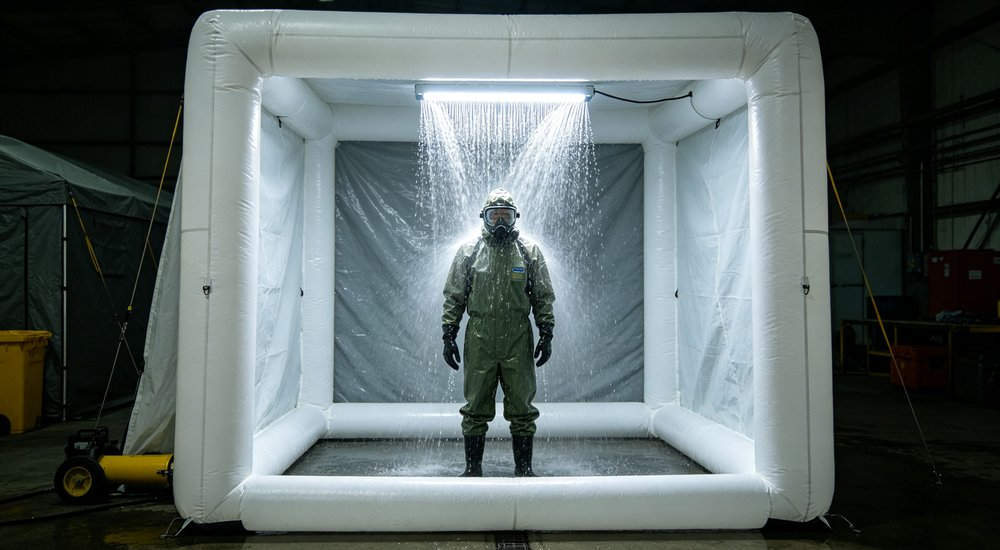
No. A shower tent provides privacy and water delivery. A decontamination tent system also needs defined flow, clean/dirty zones, drainage, effluent handling, and an operating method. If the task is only washing, a simpler shower shelter may be more appropriate.
Not automatically. Water storage may be optional or site-supplied. The right setup depends on water source, distance, operating time, temperature, refill method, and backup. Ask for a clear connection diagram.
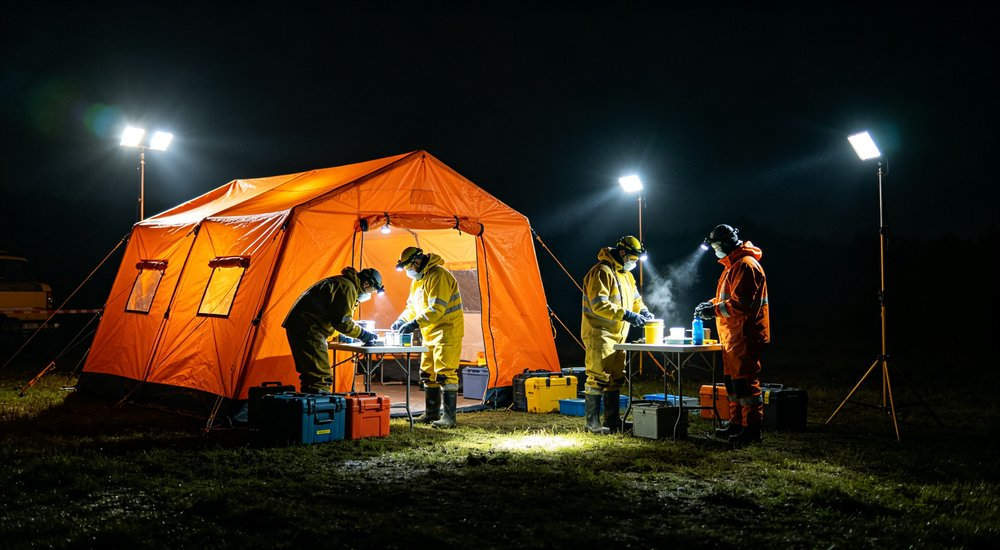
It needs a planned drainage and collection route: floor channels → outlets → hoses → sump/pump → flexible bag or tank. The correct method depends on expected liquid, contaminant, discharge restrictions, and local requirements. Never let used water become an undefined site problem.
Only when the layout supports both without blocked routes. Stretcher movement changes door width, turning space, lane width, floor stability, and staff positions. Provide stretcher dimensions and ask for a marked drawing.
No universal package includes one. Heating may be optional depending on source-water temperature, target conditions, flow, power/fuel, and climate. Ask for compatible connections and control needs.
Only when the complete system, materials, process, and evidence fit the specific substance. The word "decontamination" does not prove universal chemical resistance. Provide hazard info and ask which parts contact the liquid and what compatibility evidence applies.
Standard single-lane: MOQ 1-5 sets, lead time 15-30 days. Custom colors/logos or dual-lane systems: MOQ 10+ sets, lead time 30-45 days. Confirm before ordering.
Follow a configuration-specific method for remaining liquid, cleaning, rinsing, drying, inspection, repair, folding, and package separation. Do not pack wet floors or hoses without required preparation. Record missing or damaged parts before storage.

 |

|
Дружественные ссылки :
авторское право © Custom Disaster - Relief Bedding: Tents, Sleeping Bags, Blankets Все права защищены
профессиональная команда для обслуживания !