Категории
Last Updated: September 29, 2026
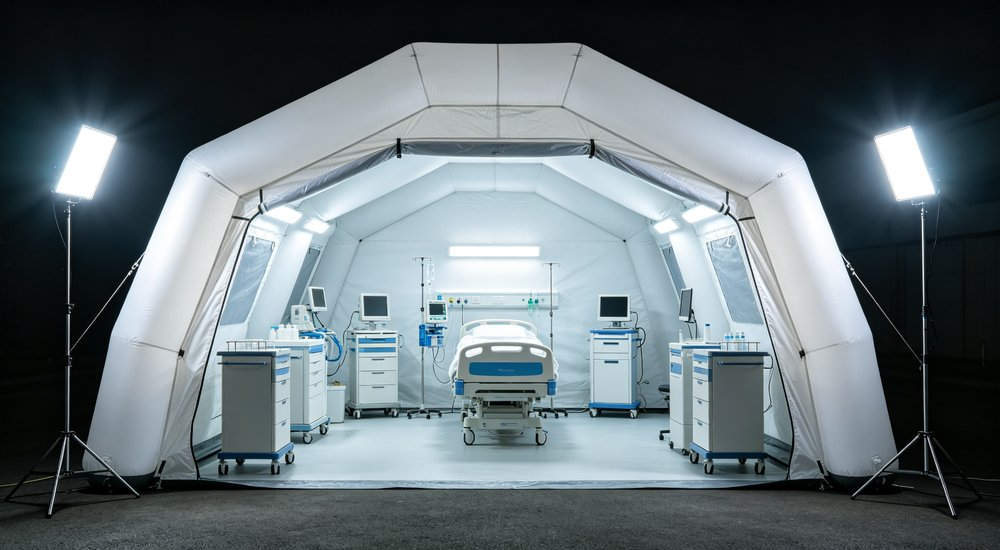
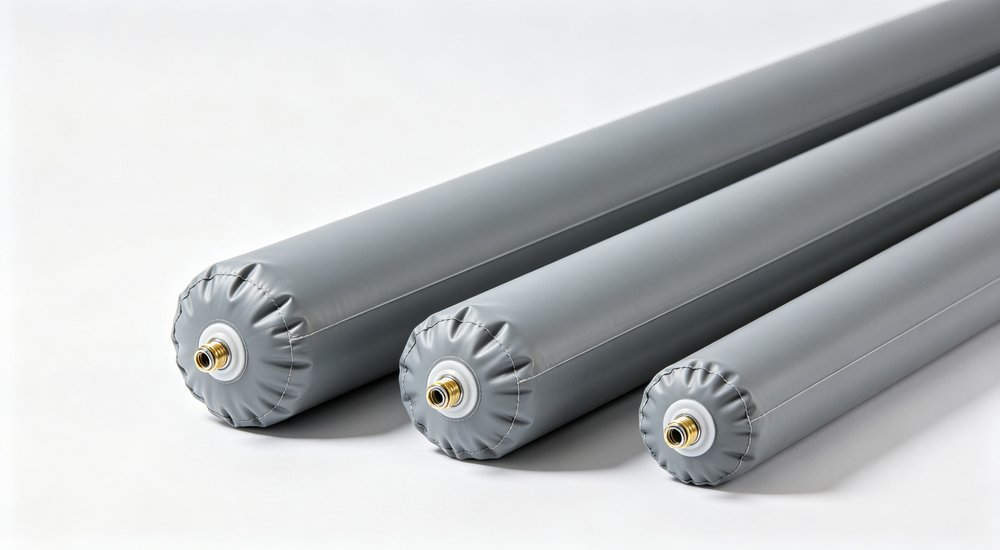
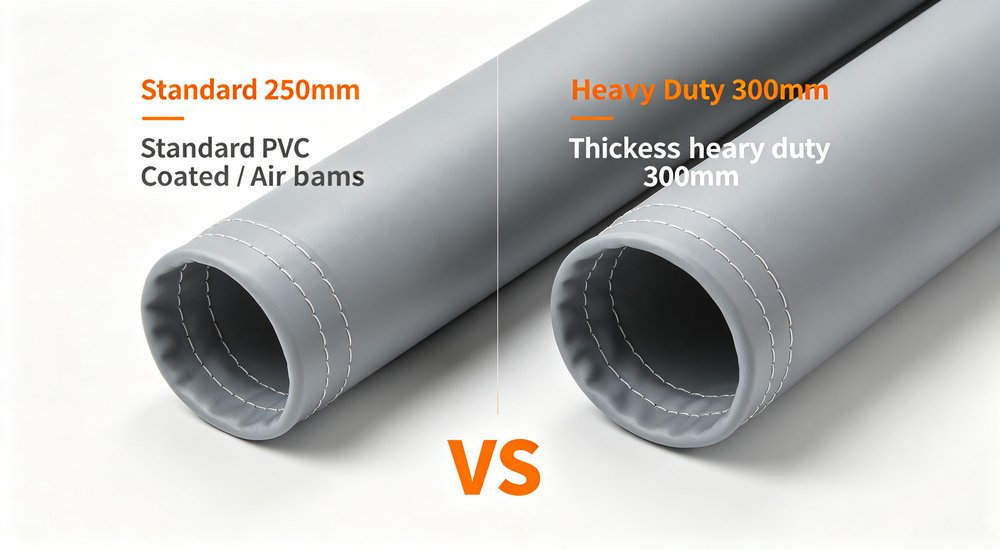
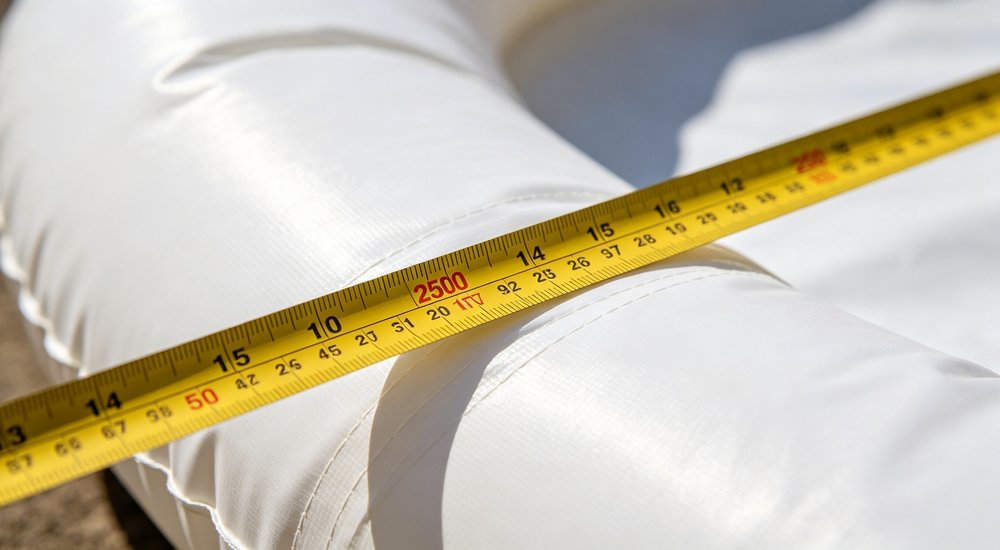
Buyers often compare size, fabric, and inflation time first. But the air system is what actually supports the shelter. Chamber layout, valves, pressure retention, and the effect of one leak all influence field use. Air beams typically range 100-250mm diameter, operating pressure 0.3-0.8 bar (4-12 psi). With 20 years of experience as a direct inflatable tent manufacturer, we build air-beam emergency tents, PVC inflatable shelter systems, and heavy-duty inflatable structures for emergency, medical, and decontamination use worldwide.
Short answer: An air beam is not a hidden accessory — it is the main support. Compare material, chamber layout, air path, valves, pressure relief, pumps, pressure checks, and repair parts instead of judging from appearance. Prices: basic $800-$2,000, heavy-duty $2,000-$5,000+.
| 1. Air-beam spec comparison | 7. Pressure retention |
| 2. What air beams do | 8. Fault isolation |
| 3. Chamber layout | 9. Field repair |
| 4. Air-beam material | 10. Anchoring |
| 5. Seams and connections | 11. Mission-specific priorities |
| 6. Valves and pumps | 12. Complete air-system kit |
Standard models: 200-250mm diameter, 0.3-0.5 bar. Heavy-duty: 250-300mm diameter, 0.5-0.8 bar. Medical/decon: 250mm diameter, 0.4-0.6 bar. Larger tents need wider beams and higher pressure. Always confirm pressure rating matches your expected wind and snow conditions.
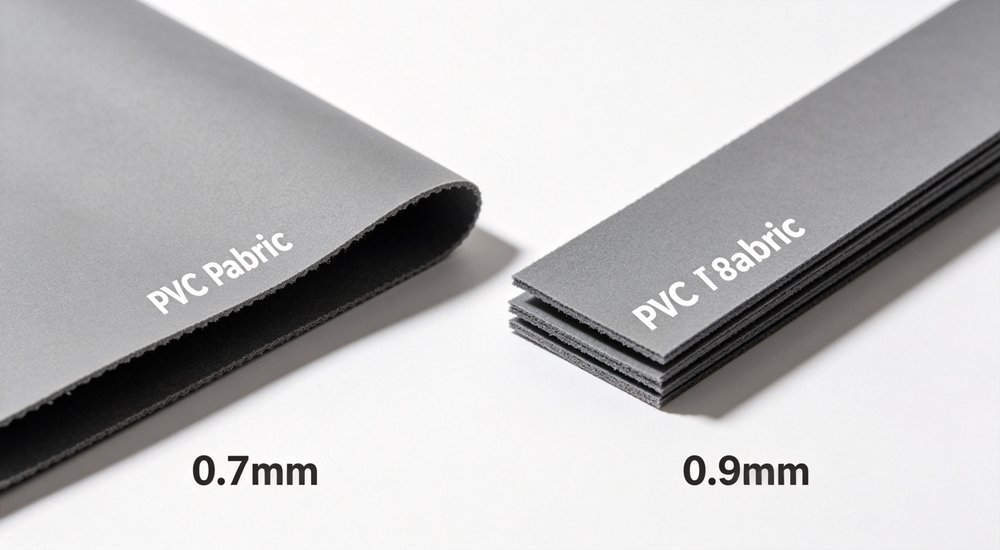
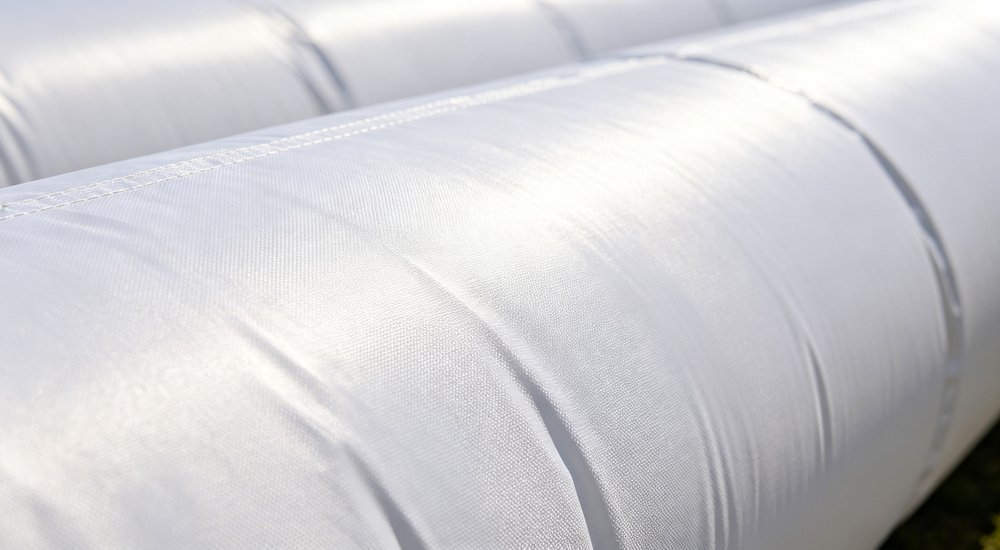
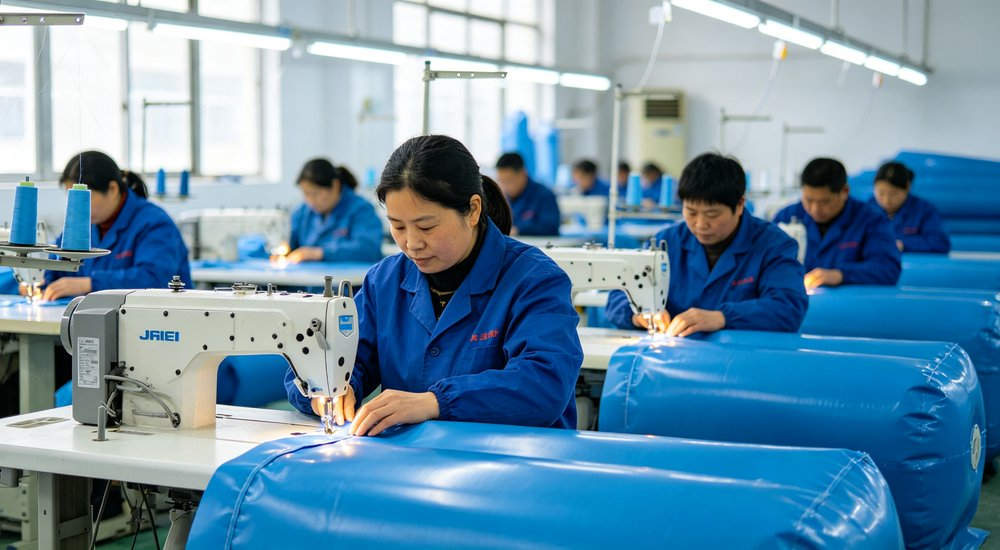
Air beam material is typically 1000D PVC-coated polyester, 0.7-0.9mm thick. Welding is high-frequency (HF) thermal welding — not glue or sewing. HF welding creates a permanent bond that won't peel. Check seam width (should be 20-30mm) and ask for weld test reports.
Quality tents have 3-5 independent chambers per beam. If one chamber leaks, the others maintain structural integrity. Single-chamber beams are cheaper but risk total collapse if punctured. Confirm chamber count, valve type (Boston valve or pressure relief), and whether each chamber has its own inflation point.
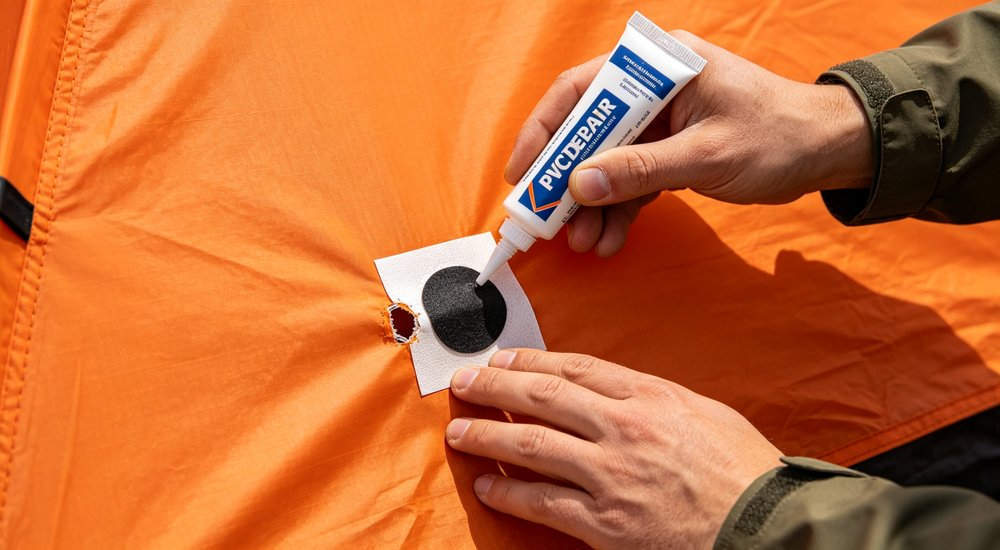
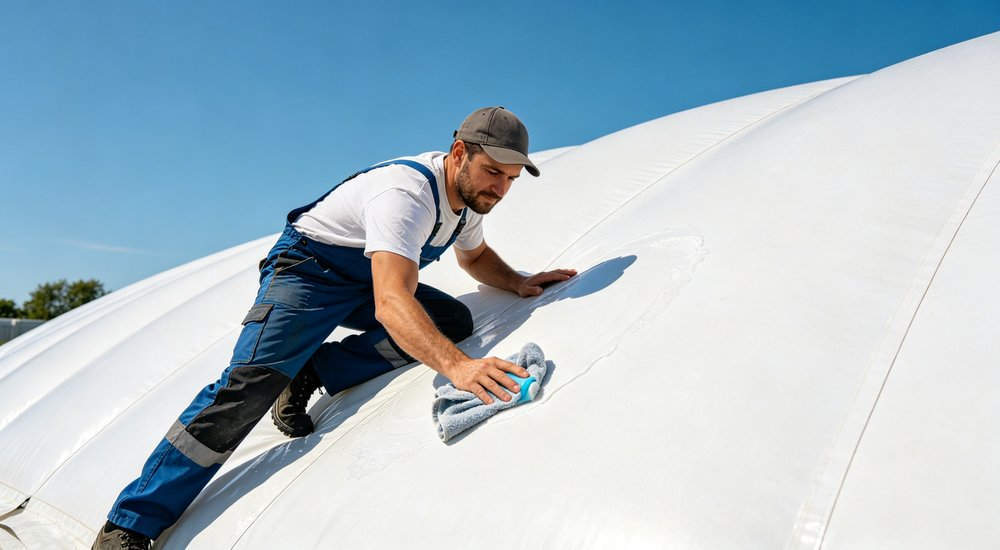
Inflate to rated pressure, then apply soapy water to seams and valves — bubbles indicate leaks. A proper leak test takes 30-60 minutes. Field repair with PVC patch takes 10-15 minutes (clean, apply adhesive, press patch, wait 5 min). For major damage, return to factory for professional welding. Confirm warranty covers seam failure.
Specs by model: diameter by size ranges 200-300mm. Pressure by model ranges 0.3-0.8 bar. Fabric has UV resistance treatment for outdoor use and mold resistance for humid climates. Warranty coverage typically includes seam failure and manufacturing defects for 1-2 years.
Additional search terms buyers use: air beam tent design, air beam structure, inflatable tent structural integrity, air beam tent wind resistance, inflatable tent pressure maintenance, air beam repair, heavy duty air beam tent. These terms help match your specific operational requirements with the right product configuration.
Buyers often search for these related terms: windy field deployment, heavy snow load, long term shelter use, military field operation, extreme weather tent. Understanding these variations helps you match the right product to your operational requirements.
|
Spec |
Standard Duty |
Heavy Duty |
Premium Medical |
|
Beam diameter |
100-150mm |
150-200mm |
200-250mm |
|
Beam material |
420-600D PVC |
840-1000D PVC |
1000D airtight PVC |
|
Thickness |
0.4-0.6mm |
0.7-0.9mm |
0.9mm+ |
|
Operating pressure |
0.3-0.5 bar |
0.5-0.7 bar |
0.6-0.8 bar |
|
Pressure retention |
24-48 hours |
48-72 hours |
72+ hours |
|
Chambers |
2-3 |
3-5 |
4-6 independent |
|
Price range |
$800-$2,000 |
$2,000-$3,500 |
$3,500-$5,000+ |
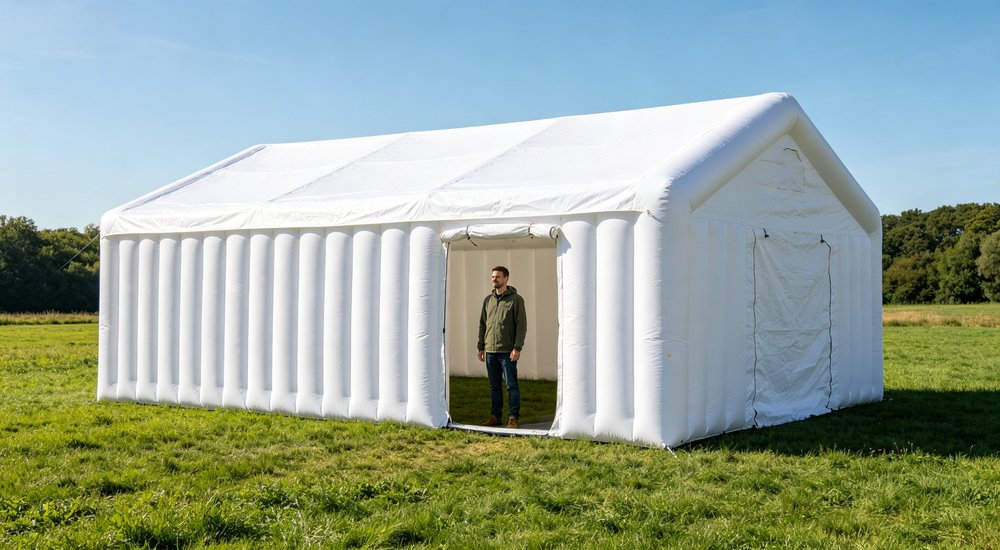
Inflated columns form arches, uprights, or connecting beams that hold usable interior space. Low pressure affects doors, partitions, equipment interfaces, clear routes.
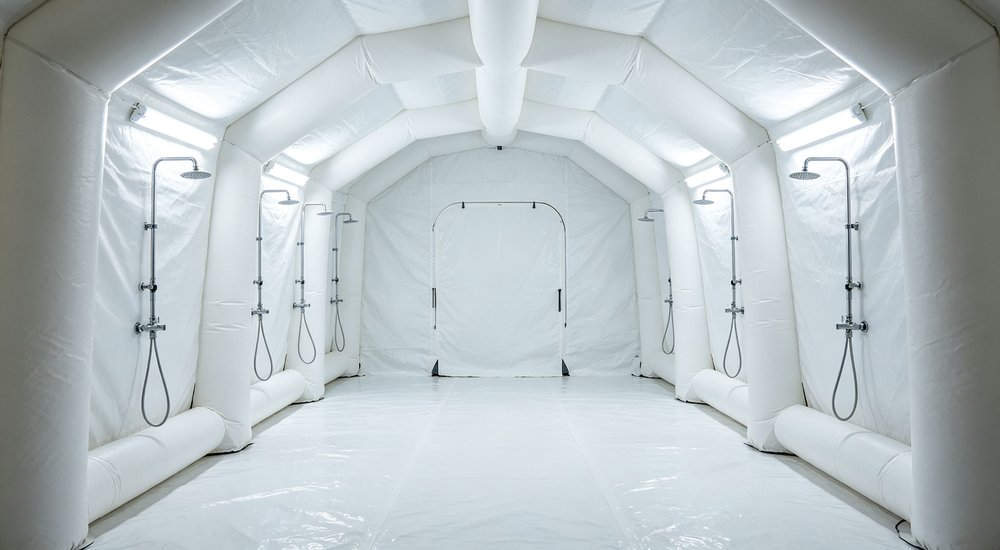
Medical shelters need room for beds and equipment. Decontamination shelters add wet areas and drainage. Interconnected systems manage several chambers. See modular systems.
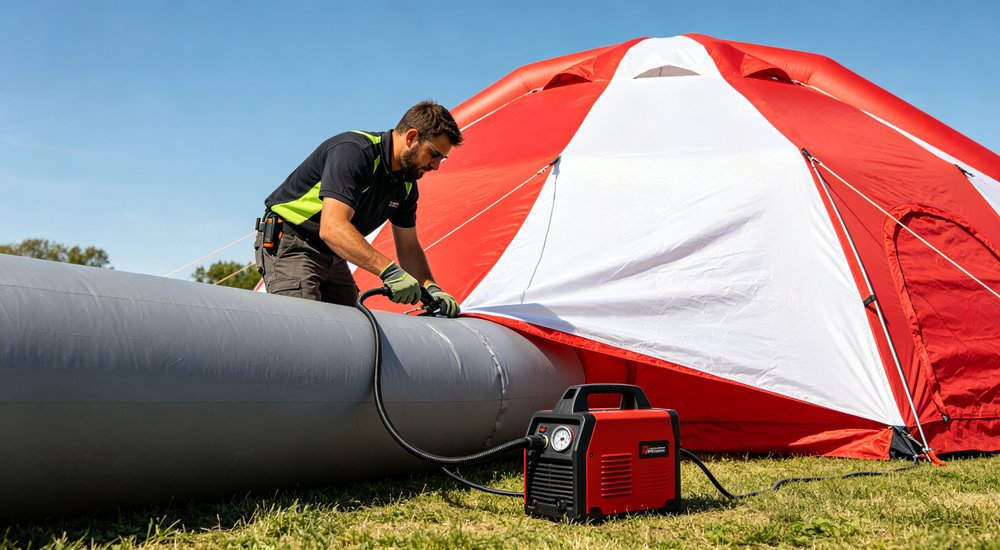
Request beam positions, support direction, usable interior dimensions — not just external size.
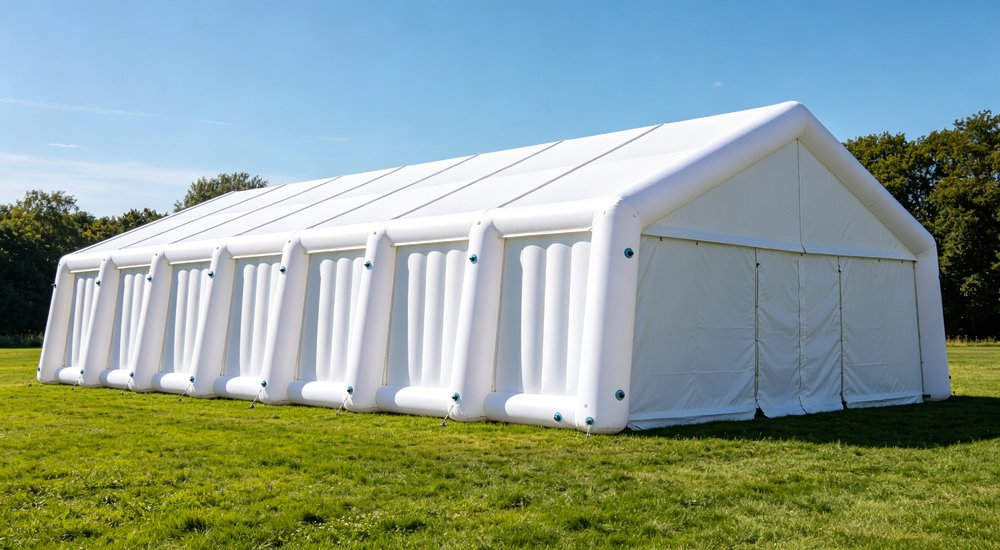
Independent chambers inflate, close, check separately. Whether remaining structure stays usable after one problem depends on design.
Centralized air path reduces repeated operations, but a shared valve/line/connection may affect larger area. Multi-room tents need clear chamber relationship. 12-20m² tent inflates in 3-8 minutes with 500-1000W electric pump + manual backup.
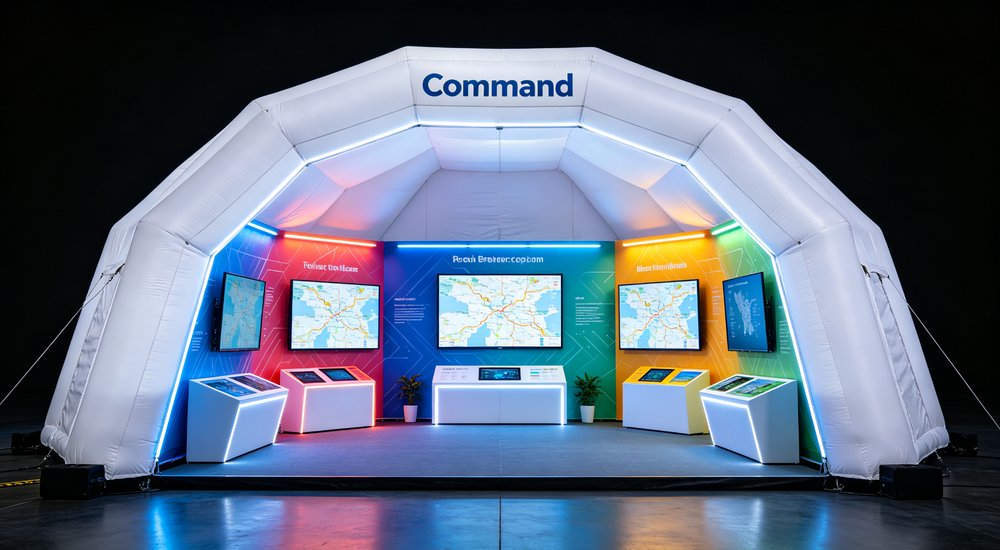
Neither is universally better. Ask for chamber count, connections, isolation steps, effect of a single fault. Independent chamber systems maintain 70-80% structural integrity if one beam is damaged — allowing safe evacuation.
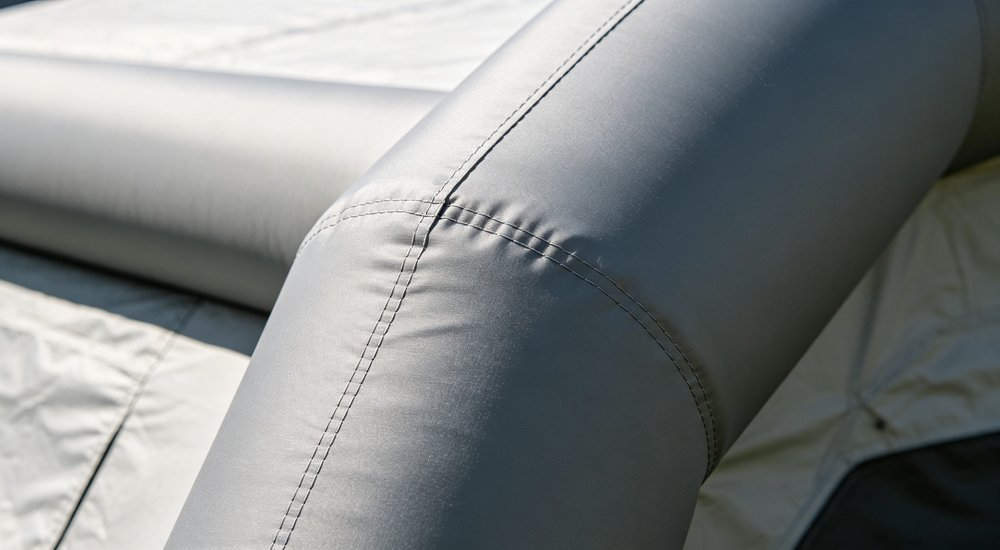
Inflatable tents use PVC, TPU, or composite airtight material. Material name is only the starting point; layers, seams, valves, environment matter.
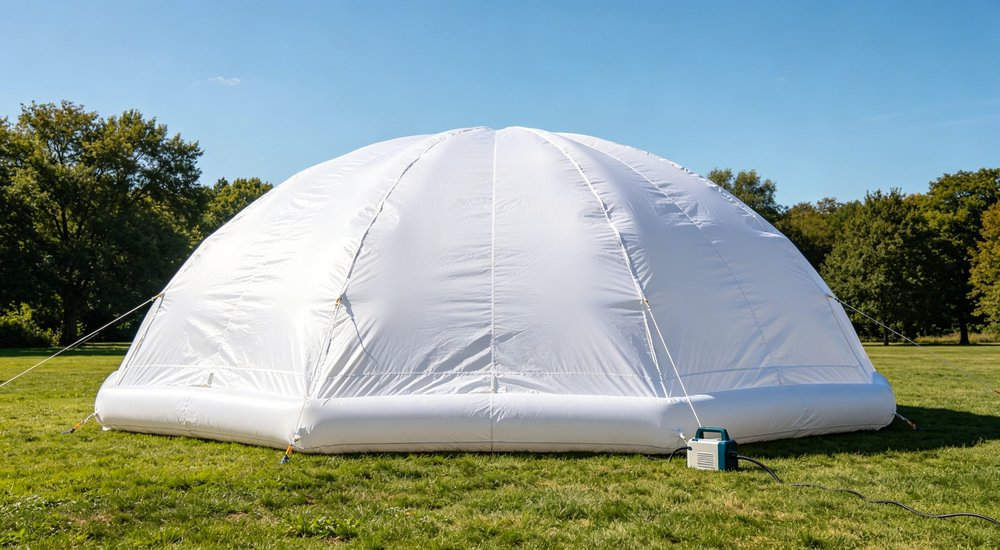
Medical/isolation/decon work involves cleaning or moisture. Command/mobile shelters weight repeated opening, transport, repair.
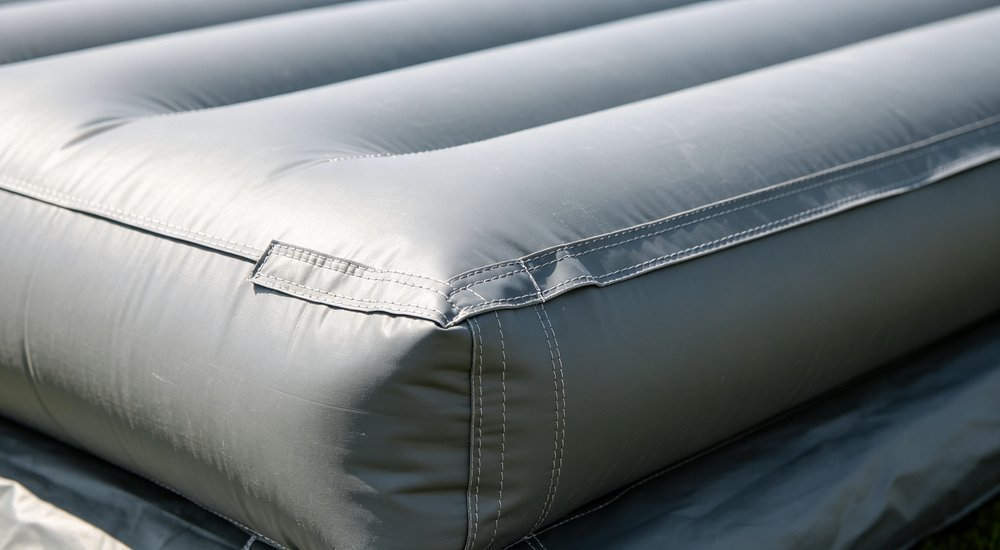
Supplier must state actual material for quoted configuration. Do not borrow thickness, temperature, service-life claims from another model.
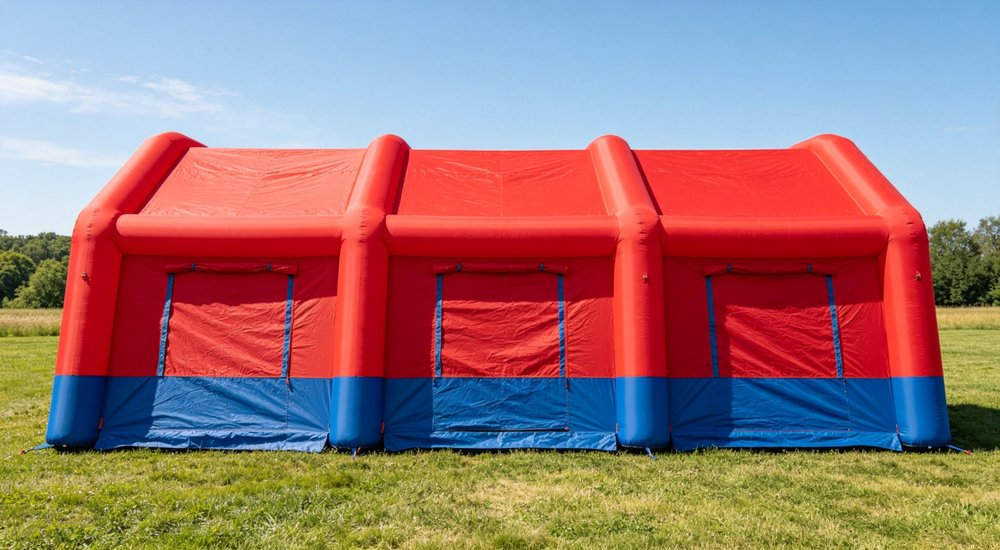
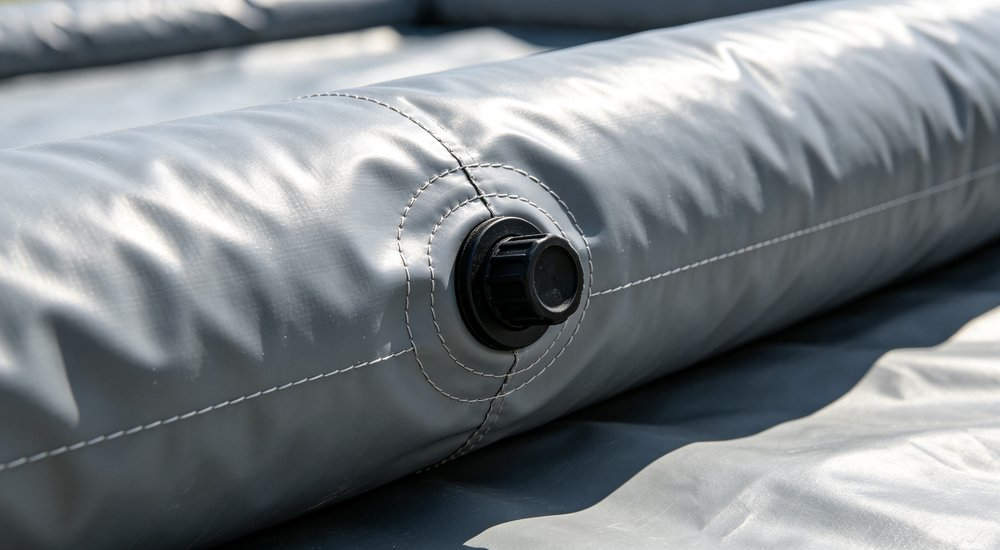
A beam can leak at a seam, valve base, tube connection, or end area even when main surface is undamaged. These points affect pressure retention and repair effort.

Check connections accessible, valves protected, beams secured to shelter body. A hidden leak takes longer to locate in the field.
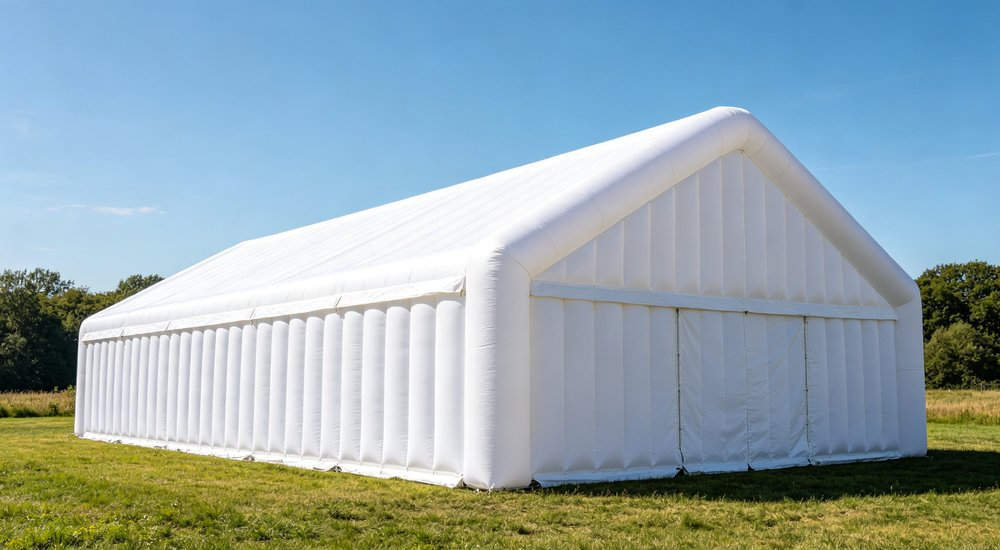
Structure drawings, detail photos, maintenance instructions should show where operators inspect and repair.
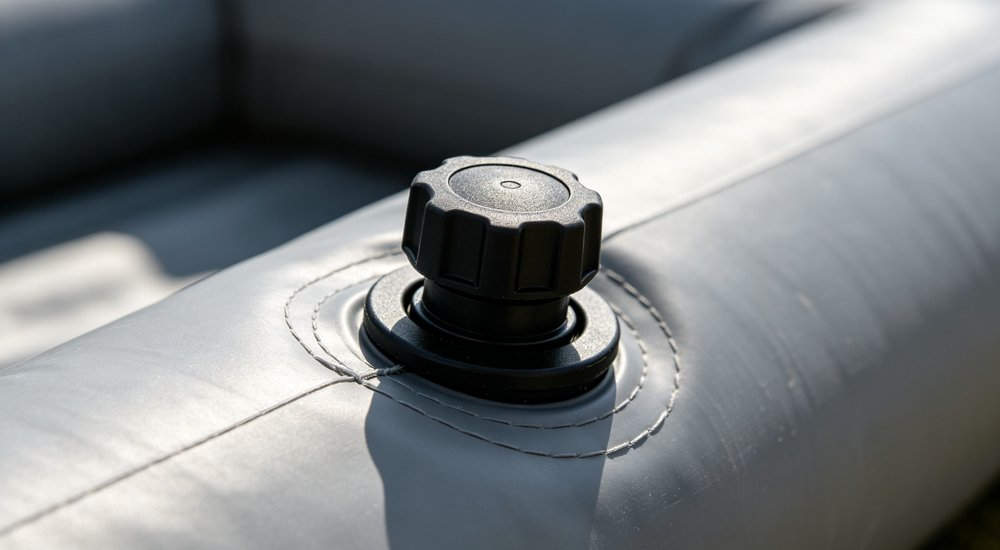
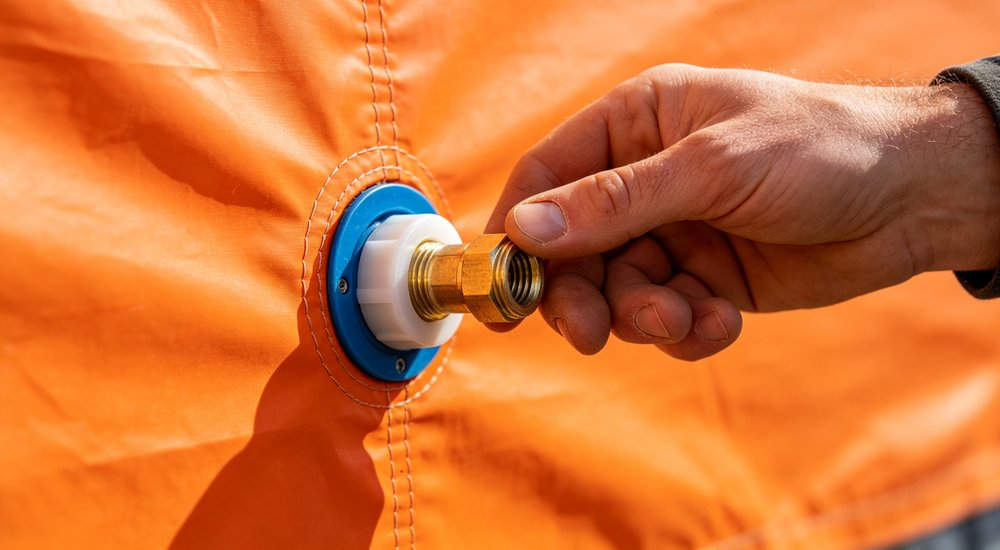
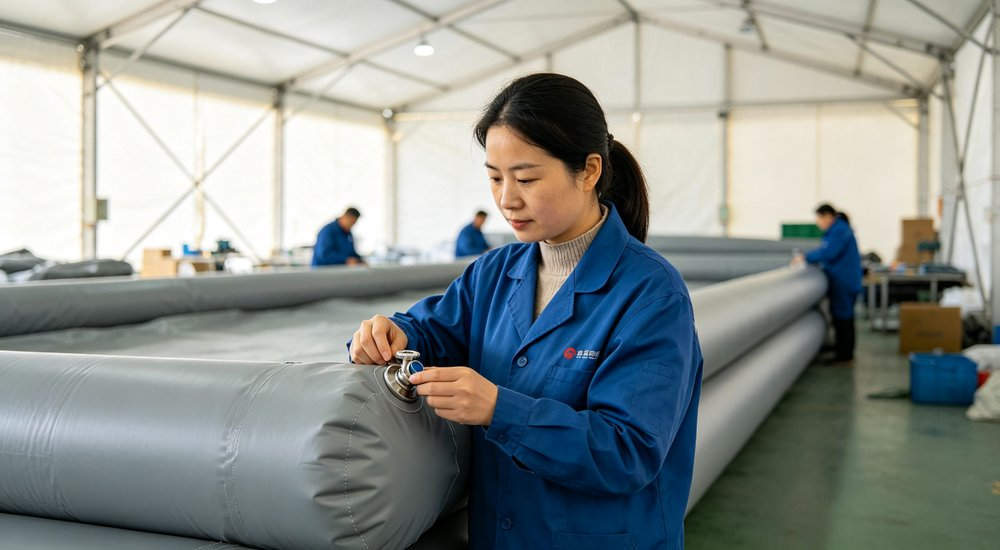
Inflation valve connects pump, admits air, closes air path. Poor match between cap, valve core, adapter causes slow leakage or prevents reinflation.
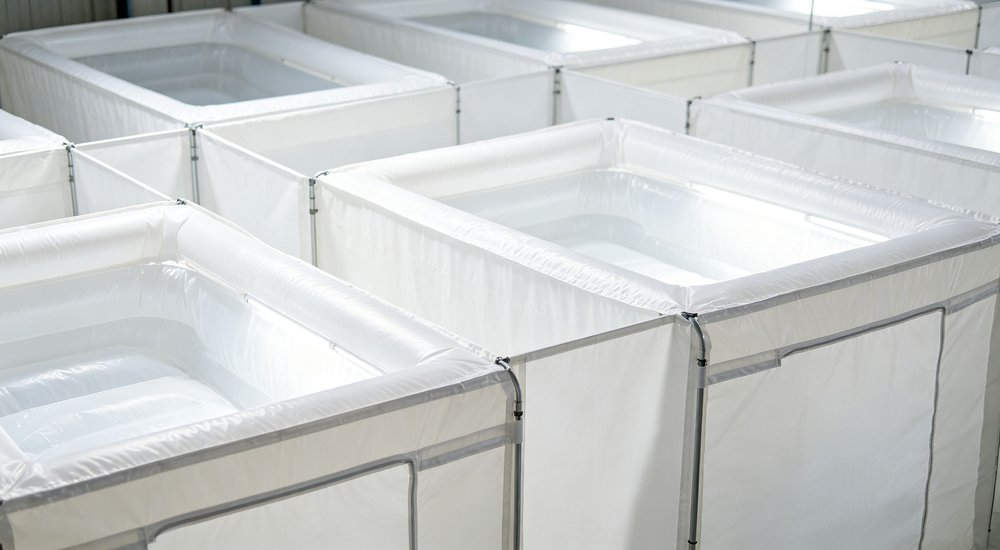
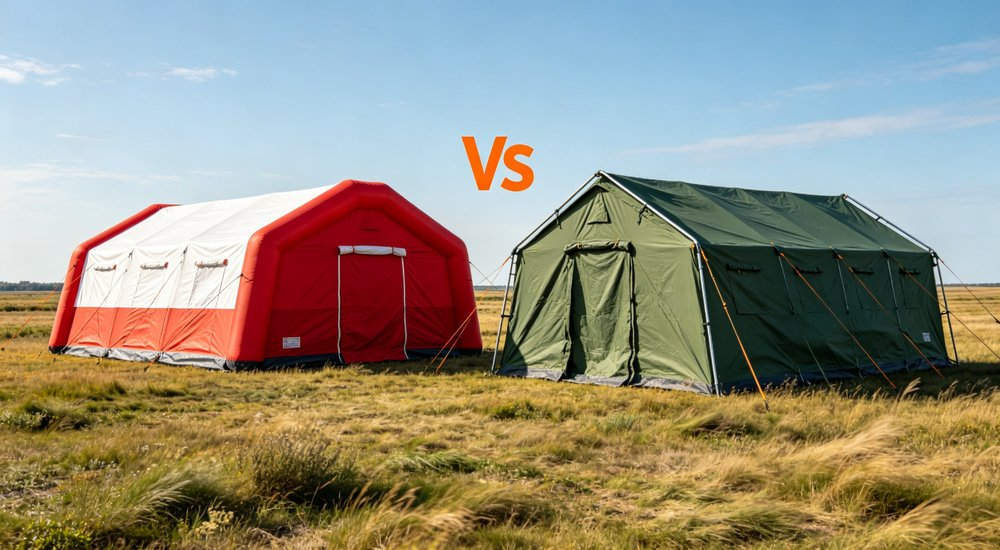
Pressure-relief device manages excessive pressure risk. Heat, sunlight, incorrect inflation change internal pressure — but operating range must come from offered configuration. Compare with frame tents.
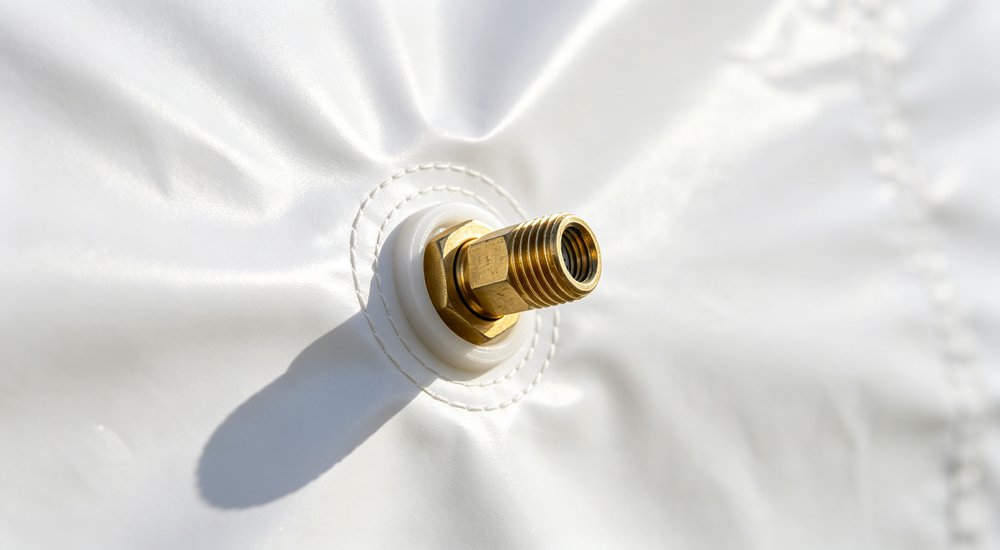
Ask for valve names, locations, operation, spare parts. Pump and power are part of structure decision: without compatible pump, air-beam system cannot reach intended shape. Field power may be unreliable — decide electric, rechargeable, or manual backup.
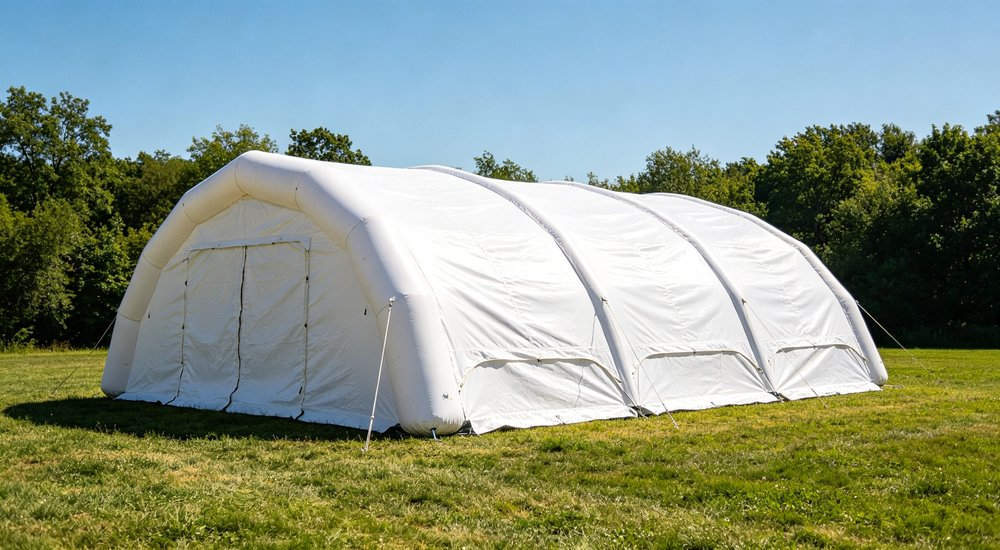
After opening, beams must maintain usable shape for planned duty period. Temperature, valves, seams, small leaks influence pressure change.
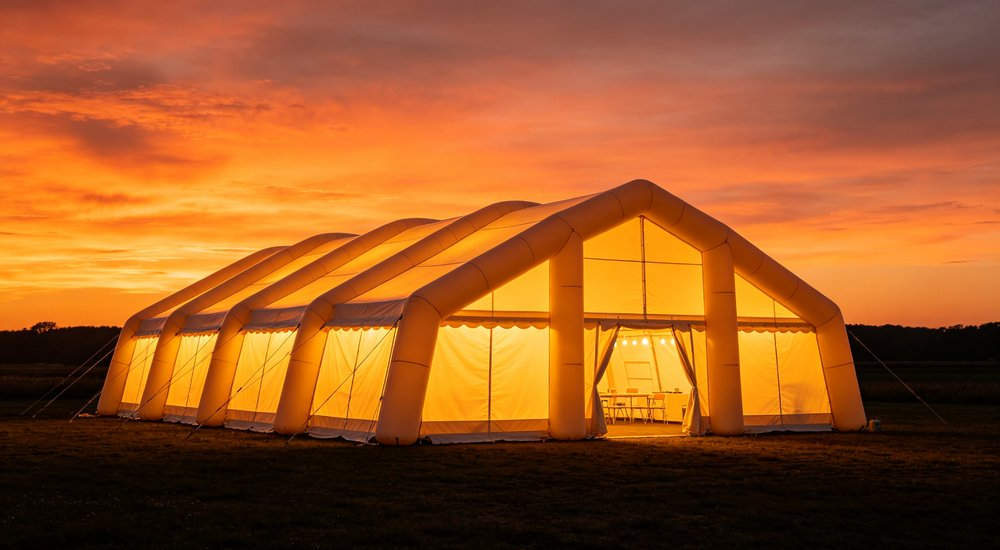
Quality beams: 72+ hours pressure retention. 12h and 24h can be agreed recording or order-specific check points — they do not establish one guaranteed pressure-loss value for every model.
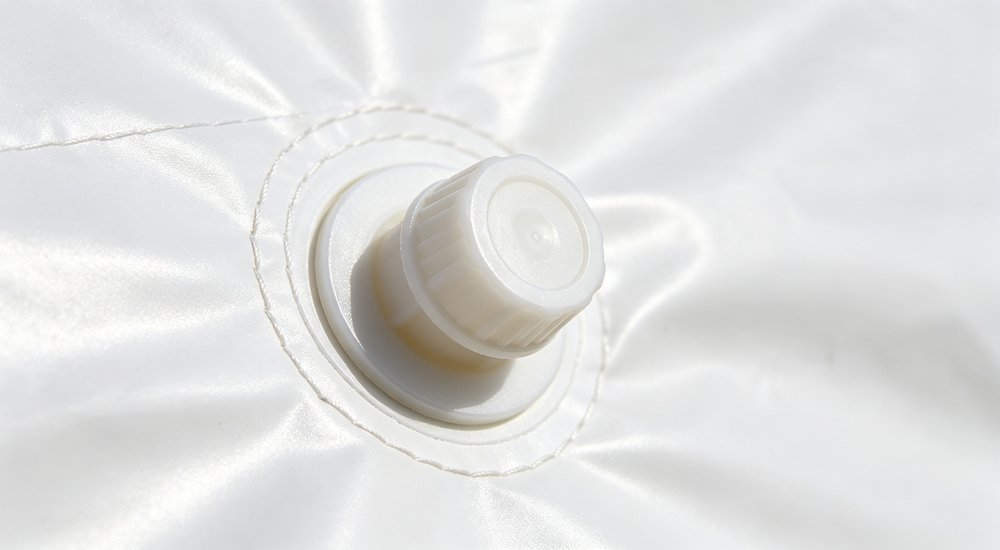
Define duty period and reinflation plan. Supplier should state test conditions, records, correction methods without claiming absolute zero leakage.
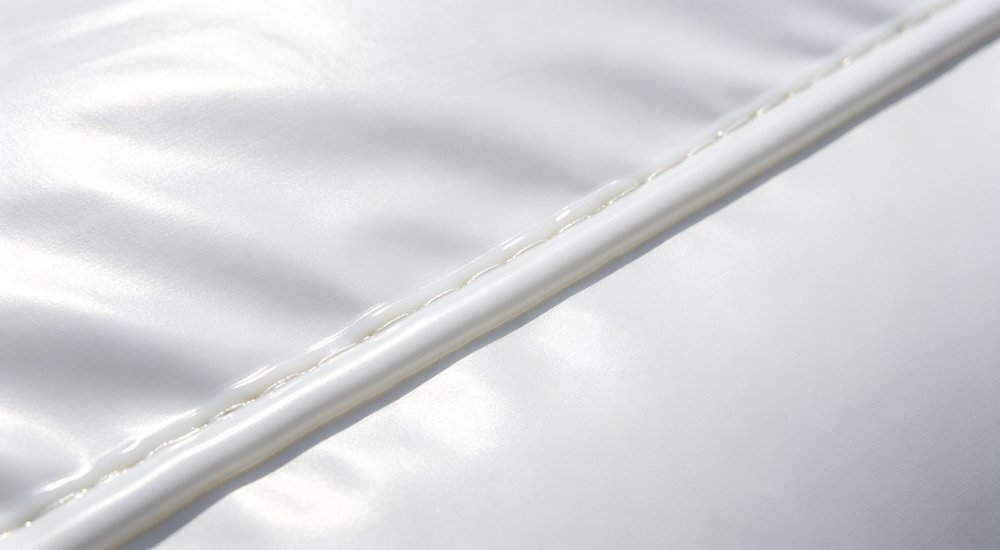
This is the practical value of chamber layout. Buyers need to know whether one deflated beam causes local loss of support or requires whole shelter to stop.
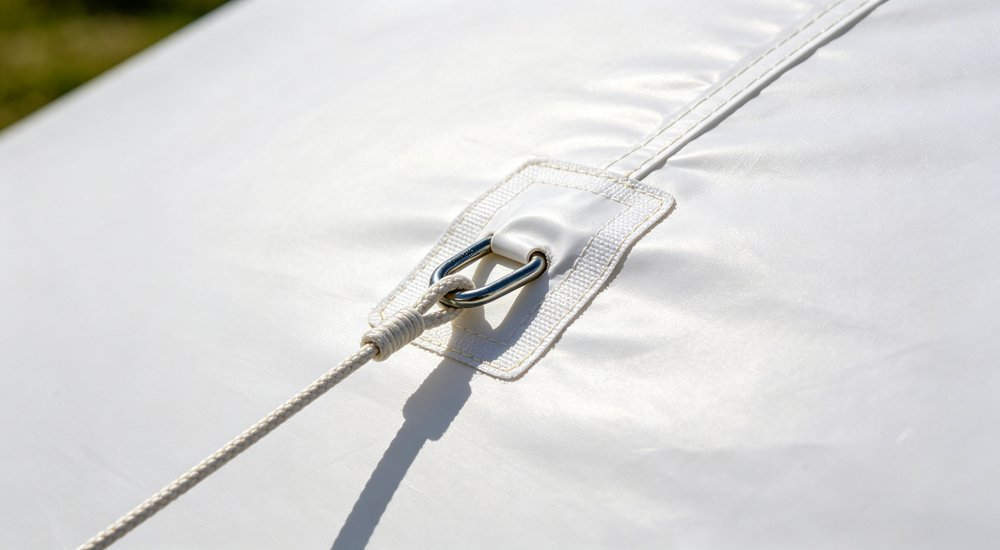
Being able to close a chamber does not prove continued operation is suitable. Doors, routes, equipment, remaining structure still require assessment.
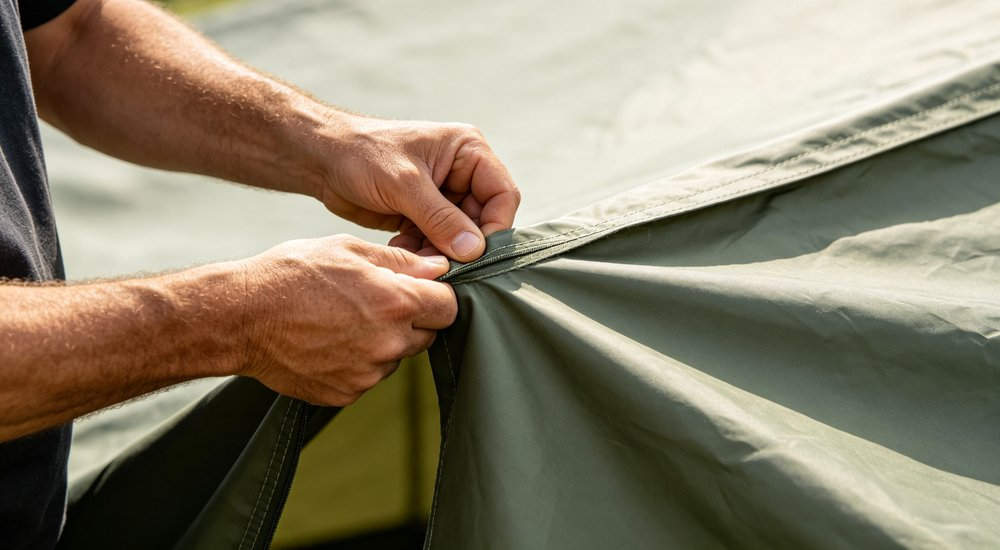
Request fault-isolation steps and stop-use conditions. Plan how people/equipment move if shelter is unavailable.
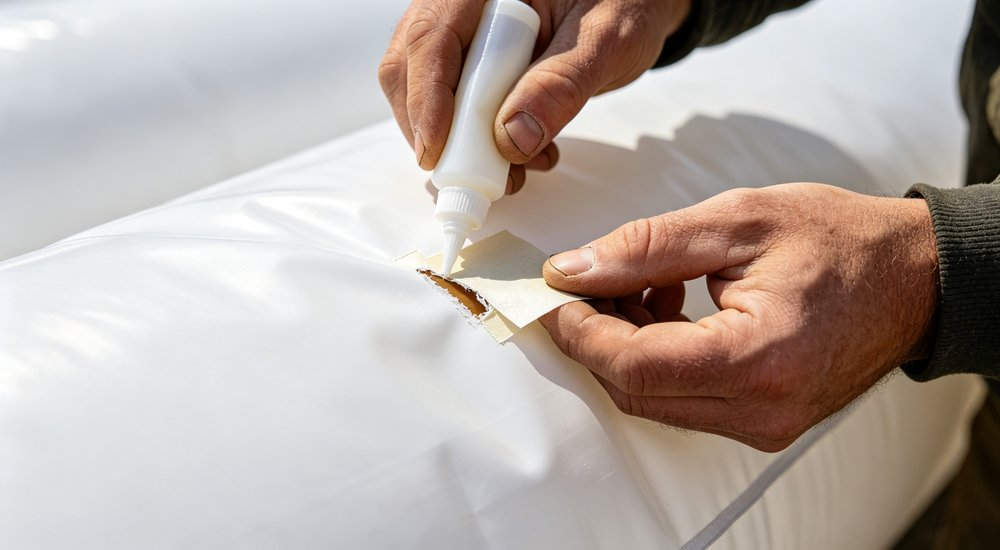
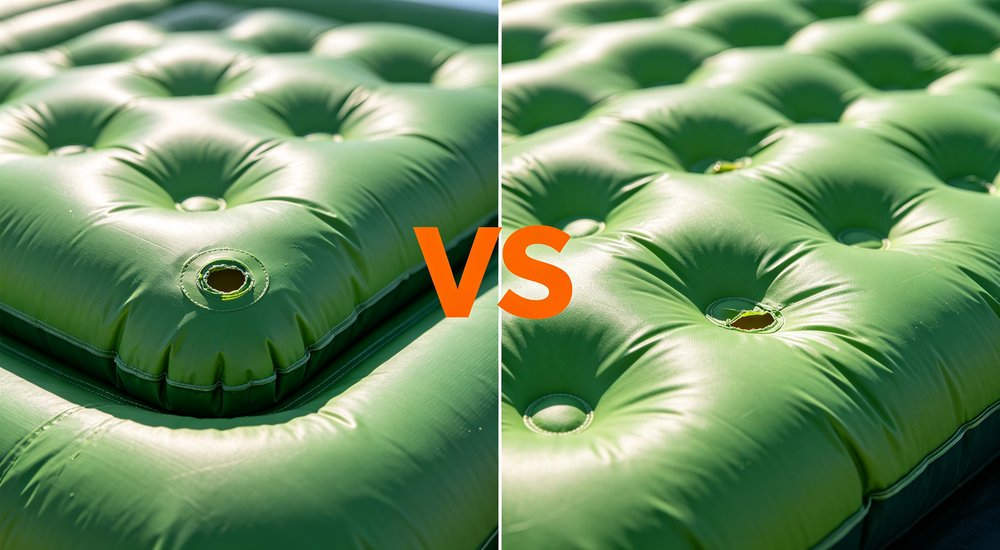
A repairable puncture: clean, locate, patch. Kit may include patches, compatible adhesive, wiping materials, spare nozzles, valve parts, instructions.
Repair material must match beam. Expired adhesive, unsuitable patch, poor surface preparation weaken result.
Inflate and observe area again after repair. Continued leakage, major beam damage, loss of shape = remove from use.
Air beams create space. Guy lines, stakes, ballast, ground hardware connect shelter to site — two systems do different jobs.
Size, ground, weather, attachment points change securing direction. Depending on shelter weight alone ignores wind effects on lightweight structure.
Provide ground conditions and securing restrictions. Ask supplier to show attachment points, included components, applicable limits.
|
Mission |
Air-System Priority |
Also Compare |
|
Medical / isolation |
Space retention, interfaces, airtight |
Zones, floor, ventilation, equipment interfaces |
|
Decontamination |
Wet-area use, protected valves, inspection access |
Spray, drainage, wastewater, non-slip floor |
|
Command / rapid response |
Opening speed, relocation, backup inflation |
Cables, anchoring, visibility, packing |
|
Interconnected rooms |
Independent/central air path, fault reach |
Corridors, room packing, interfaces |
Separate: body and beams, inflation valves, relief devices, caps, pumps, adapters, backup inflation, repair kit, instructions. Confirm full accessory scope.
May also include spare nozzles, valves, centralized inflation interface, room-specific parts. Mark every item: included, optional, site-supplied, excluded.
Use same names in quotation and packing list so field staff match each part to its beam.
MOQ & lead time: Standard: MOQ 1-10 units, 15-30 days. Custom: MOQ 50+, 30-45 days. Certifications: CE, ISO 9001, CPAI-84, NFPA 701.
Practical test: If the supplier cannot tell you what happens when one chamber loses pressure — you do not have a safety-rated inflatable tent, you have a balloon with a floor. See the full emergency tent guide.
See air-beam use in decontamination.
air beam design inflatable tent: Air beam design inflatable tent engineering balances weight and rigidity. inflatable tent air beam durability: Inflatable tent air beam durability comes from high-frequency welded seams. air beam pressure rating: Air beam pressure rating typically runs 0.3 to 0.8 bar depending on size. inflatable tent chamber design: Inflatable tent chamber design uses independent sections for safety. air beam material: Air beam material is usually 1000D PVC-coated polyester with multiple plies.
Operating pressure is 0.3-0.8 bar (4-12 psi), depending on beam diameter and tent size. Always follow the manufacturer's specific pressure for your model. Over-inflation can damage seams; under-inflation reduces structural stability.
5-8 years with proper maintenance. Quality 1000D PVC air beams hold pressure for 72+ hours. Regular inspection, prompt repairs, and proper storage extend lifespan. UV exposure and harsh chemicals accelerate degradation.
Depends on chamber design. Independent chamber systems maintain 70-80% structural integrity if one beam is damaged, allowing safe evacuation. Centralized systems may lose more area. Always ask for fault-isolation steps and stop-use conditions.
Yes, for small punctures. Clean, locate, patch with compatible adhesive and material. Kit should include patches, adhesive, wiping materials, spare valve parts. Major damage or loss of shape = remove from use. Always re-inflate and check after repair.
Electric pump (500-1900W) is standard for fast deployment. But always include a manual backup pump for sites without power. 12-20m² tent inflates in 3-8 minutes with electric pump; manual takes 15-25 minutes.
PVC is more common, durable, cost-effective, and easier to repair in the field. TPU is lighter, more flexible at low temperatures, but more expensive and harder to repair. Most emergency/medical tents use PVC for field repairability. CE certified factory direct pricing with custom air beam specifications.
Daily during deployment, especially with temperature changes. Quality beams hold 72+ hours, but cold weather reduces pressure. Top up as needed. Before each deployment, inspect valves, seams, connections.
Quality PVC beams operate from -30°C to +70°C. Cold reduces pressure (top up needed). Extreme cold may make PVC stiffer. TPU performs better below -20°C. Always confirm temperature rating for your configuration.
Standard models: MOQ 1-10 units, 15-30 days. Custom colors/logos/systems: MOQ 50+, 30-45 days. Confirm with the supplier before ordering.
Request a sample or video: unpack, pump connection, inflation sequence, valve closure, positioning, anchoring, entrance use, equipment layout, pressure check (12h/24h), deflation, repacking. Record people, tools, ground, complete accessory list.
Дружественные ссылки :
авторское право © Custom Disaster - Relief Bedding: Tents, Sleeping Bags, Blankets Все права защищены
профессиональная команда для обслуживания !