Категории
Buying emergency frame tents is a high-stakes procurement decision. The tents you choose will protect families, medical teams, and military personnel from extreme weather for years to come. Whether you are sourcing from a tent supplier, evaluating a tent manufacturer, or comparing wholesale emergency tents, this guide walks you through every step — from needs assessment and supplier selection to sample inspection, quality control, and shipping logistics — so you can procure with confidence.
Quick answer: Start with a clear needs assessment (population, climate, deployment duration), then source 3-5 qualified suppliers, request physical samples for hands-on inspection, verify factory capabilities, negotiate volume pricing, and schedule third-party inspection before shipment. Reference wholesale pricing ranges from $150 to $750 per tent depending on size and specification.
|
1. Why Procurement Matters 2. Needs Assessment 3. Supplier Selection 4. Specification Guide 5. Sample Inspection 6. Factory Audit 7. Pricing & Negotiation 8. Quality Control 9. Shipping & Logistics |
10. Common Pitfalls 11. Procurement Checklist 12. Case Studies 13. Client Reviews 14. FAQ 15. Key Takeaways 16. Request a Proposal 17. Final Verdict |
Procurement officers from NGOs, UN agencies, and national emergency services all face the same challenge: finding tents that will actually survive field conditions. This guide walks through what to check before you commit — from waterproof ratings to frame strength — so the tents you order are the tents that arrive ready to use.
Emergency tent procurement is not a simple commodity purchase. The difference between a well-procured tent and a poor-quality one can mean the difference between families staying warm through a winter or facing hypothermia, between a field hospital operating effectively or being destroyed by a storm.
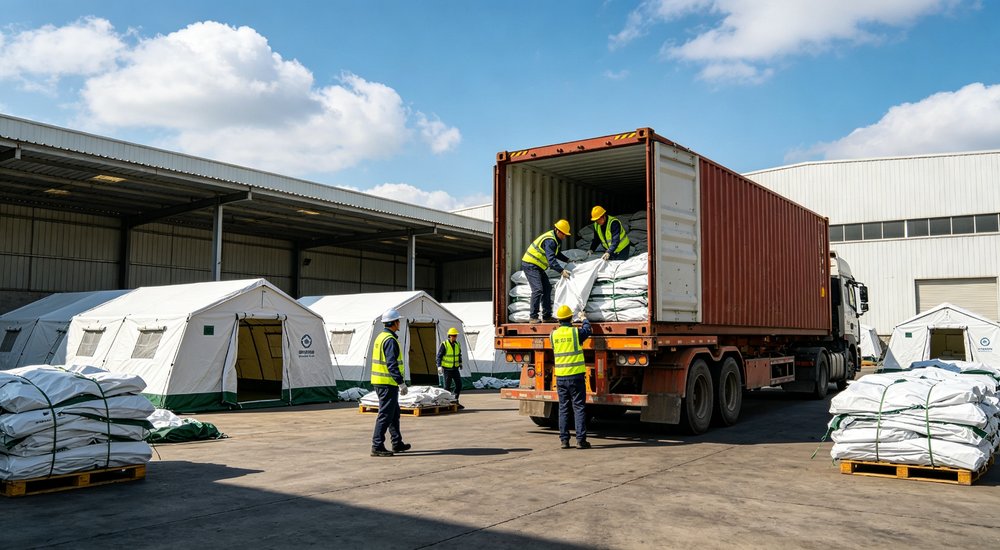
Why does procurement quality matter so much? Because emergency tents are deployed in the worst possible conditions — earthquakes, floods, conflict zones, and extreme temperatures. A tent that fails in these conditions doesn't just waste budget; it puts lives at risk. Over a 5-year deployment, a $300 tent that lasts 2 years costs more per year than a $550 tent that lasts 7 years.
This guide aligns with SPHERE humanitarian standards, IFRC emergency response shelter guidelines, UNHCR emergency shelter procurement guidelines and WHO health emergency standards, and NATO field accommodation standards, with reference to UNICEF emergency shelter guidance and IOM displacement shelter standards, and is based on our 20+ years of experience manufacturing and supplying emergency frame tents to UN agencies, NGOs, and military organizations worldwide. We've seen every procurement mistake in the book, and we've written this guide to help you avoid them.
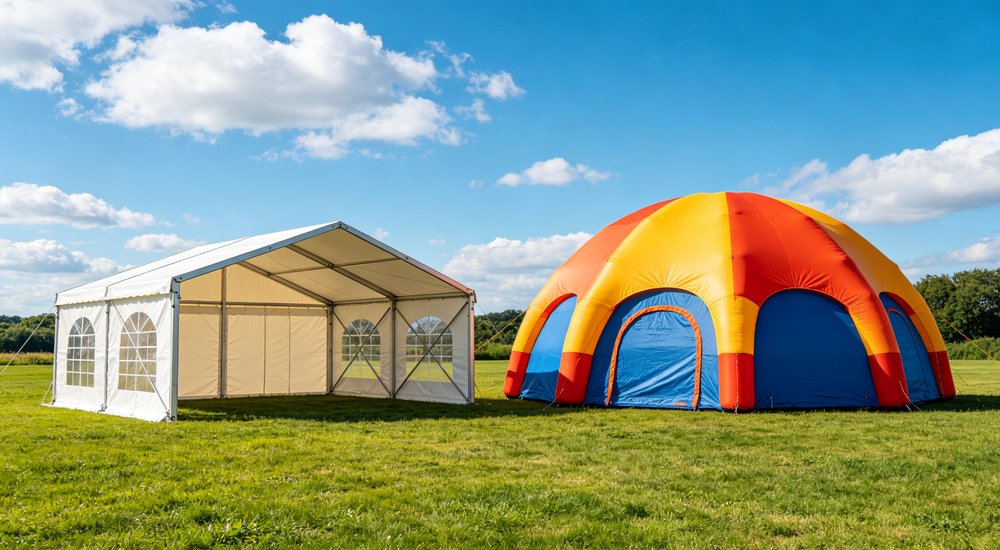
Before contacting any supplier, you must complete a thorough needs assessment. What happens if you skip this step? You'll end up with tents that don't fit your population, aren't suitable for your climate, or exceed your budget.

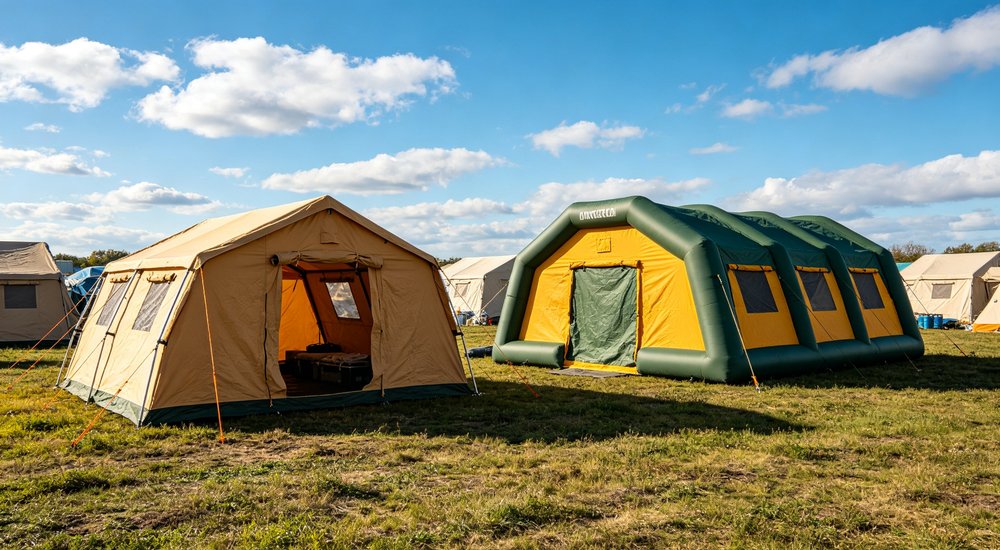
Start by calculating your total shelter needs based on the population you're serving:
|
Population Size |
12m² Tents Needed |
20m² Tents Needed |
Mixed Fleet (Recommended) |
|
100 people |
17-20 units |
10-13 units |
12×12m² + 4×20m² |
|
500 people |
85-100 units |
50-63 units |
60×12m² + 20×20m² |
|
1,000 people |
170-200 units |
100-125 units |
120×12m² + 40×20m² |
|
5,000 people |
850-1000 units |
500-625 units |
600×12m² + 200×20m² |
|
10,000 people |
1700-2000 units |
1000-1250 units |
1200×12m² + 400×20m² |
Based on SPHERE standard of 3.5-4.5m² per person. Mixed fleet recommended: 70% family units + 30% community/medical spaces.
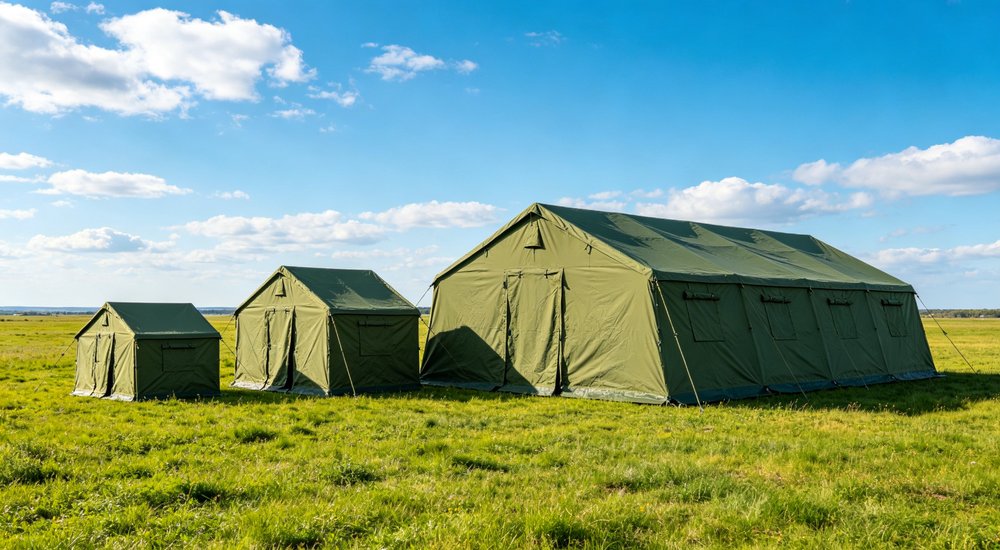
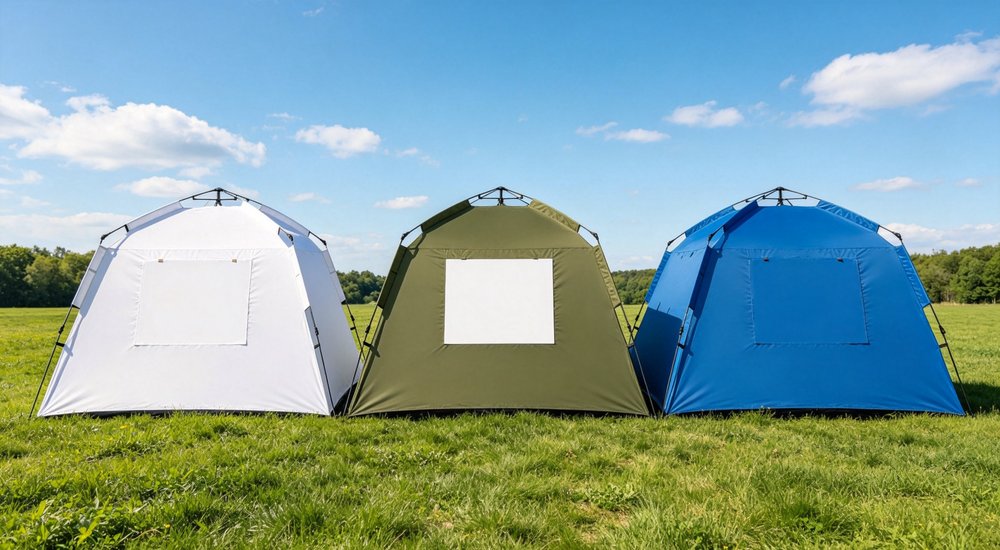
The deployment climate determines your fabric and frame requirements. Match specifications to actual weather conditions:
How long will the tents be deployed? Deployment duration directly determines your cost-per-year calculation and total cost of ownership:
|
Deployment Duration |
Recommended Tent Type |
Budget per Tent |
Cost per Year |
|
Under 6 months |
12m² standard polyester |
$150-$250 |
$300-$500 |
|
6 months - 2 years |
20m² polyester |
$250-$400 |
$125-$200 |
|
2-5 years |
20m² or heavy-duty canvas |
$350-$550 |
$70-$110 |
|
5-10 years |
Heavy-duty canvas 3-layer |
$500-$750 |
$50-$75 |
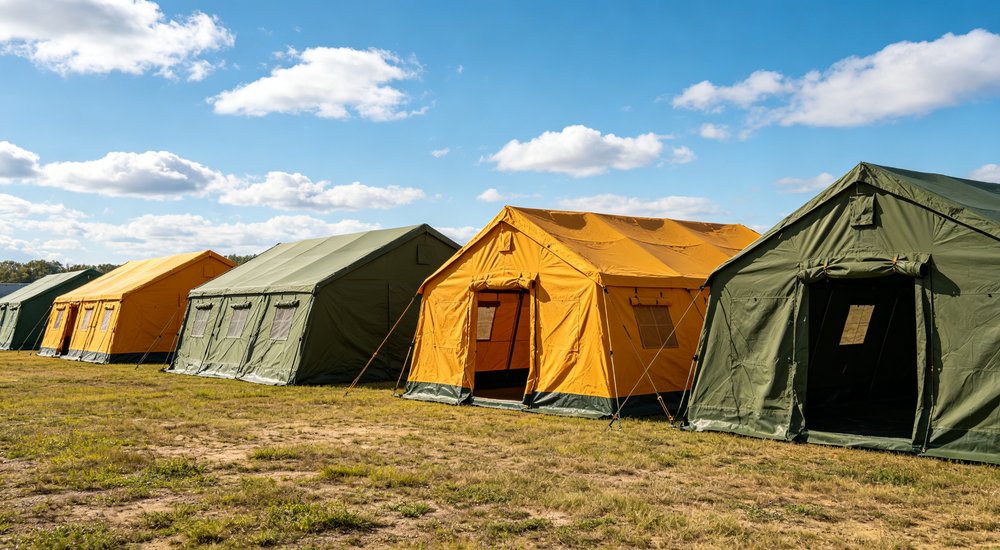
Choosing the right emergency tent supplier is the most critical decision. A qualified tent supplier should be both a tent manufacturer and tent exporter, capable of handling wholesale tents and bulk tents orders of any scale. in emergency tent procurement. As a China-based tent exporter and tent factory with 20+ years of experience, we offer both OEM emergency tents and ODM custom emergency tents to meet your exact specifications. Which supplier type is best for emergency tents? As a frame tent supplier and relief tent supplier for disaster relief tent deployments worldwide, we operate as direct manufacturers with our own frame and fabric production facilities — not trading companies.
Use this complete vendor evaluation checklist to assess and compare potential suppliers systematically:
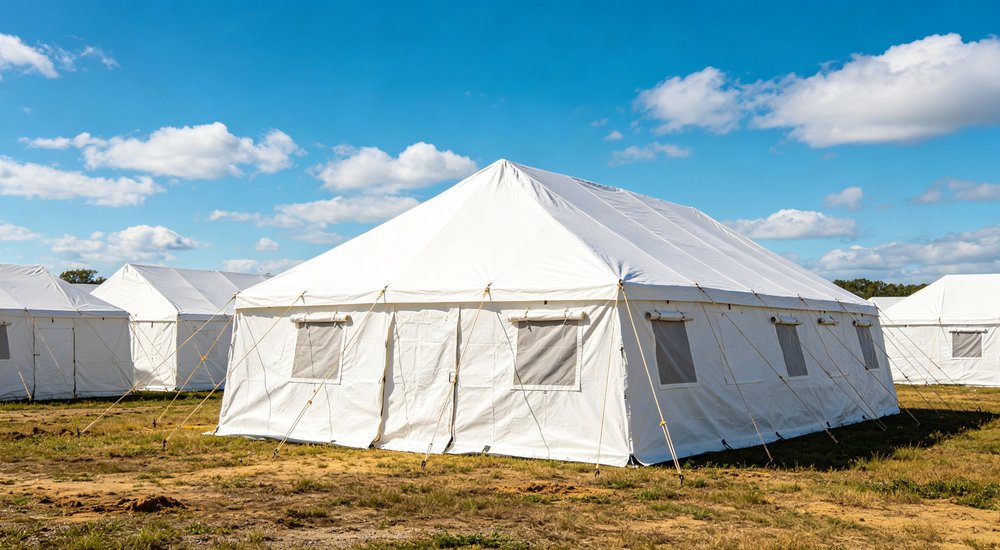
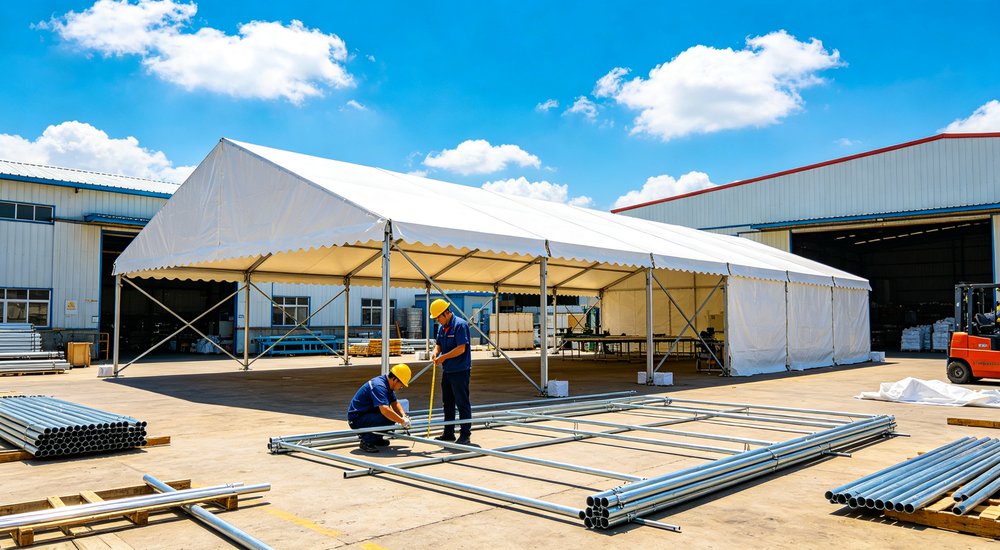
Red flag warning: If a supplier cannot provide factory photos, production line videos, or verifiable references within 48 hours, move on. Many "suppliers" on B2B platforms are trading companies with no manufacturing capability.
Why are most emergency tents manufactured in China?
Because China has the complete supply chain — steel pole production, fabric weaving, PVC coating, sewing, and packaging all within a 200km radius in Zhejiang and Fujian provinces. This vertical integration reduces costs by 30-50% compared to manufacturing in other countries.
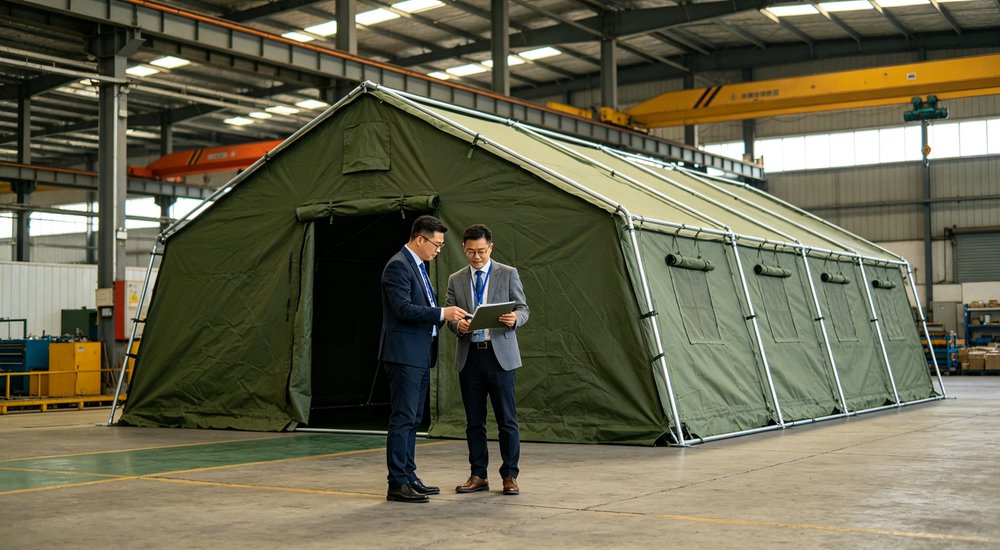
Alternative manufacturing locations include Vietnam (lower labor costs but less mature supply chain), India (growing capacity but limited frame production), and Turkey (good for European buyers but higher prices).
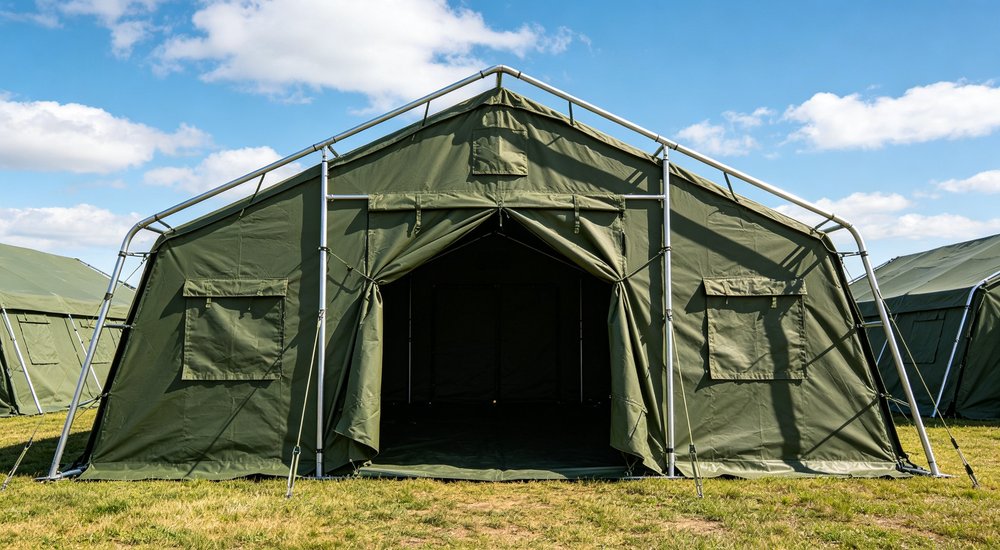
A vague purchase order leads to disappointing results. What specifications must every emergency tent PO include? The following detailed parameters leave no room for supplier interpretation.
|
Parameter |
Standard (12m²) |
Large (20m²) |
Heavy-Duty |
|
Pole material |
Galvanized steel pole (hot-dip galvanized steel frame) |
Galvanized steel |
Galvanized steel |
|
Pole diameter |
19mm |
22mm |
25mm |
|
Pole wall thickness |
1.0mm minimum |
1.2mm minimum |
1.5mm minimum |
|
Galvanization |
Hot-dip, 60g/m² min |
Hot-dip, 80g/m² min |
Hot-dip, 100g/m² min |
|
Joint type |
Steel connector + bolt |
Steel connector + bolt |
Forged steel connector |
|
Wind rating / wind load |
60-80 km/h |
80-100 km/h |
100-120 km/h |
|
Snow load capacity |
10-15 kg/m² |
15-20 kg/m² |
20-30 kg/m² |
|
Parameter |
Polyester Standard |
Polyester Heavy |
Cotton Canvas |
|
Weight |
280g/m² |
320-350g/m² |
400-500g/m² |
|
Coating |
PU / PVC coated |
PVC coated both sides |
Wax / acrylic treated |
|
Waterproof rating |
2000mm |
3000-5000mm |
Water resistant (breathable) |
|
Fire retardant |
CPAI-84 / EN 13501 |
CPAI-84 / EN 13501 |
BS5867 / CPAI-84 |
|
UV resistance / UV stabilization |
UPF 50+, 500 hours UV stabilization |
UPF 50+, 1000 hours |
Natural UV resistance |
|
Tear strength |
≥ 80N |
≥ 120N |
≥ 150N |
|
Temperature range |
-10°C to 50°C |
-15°C to 55°C |
-30°C to 45°C |
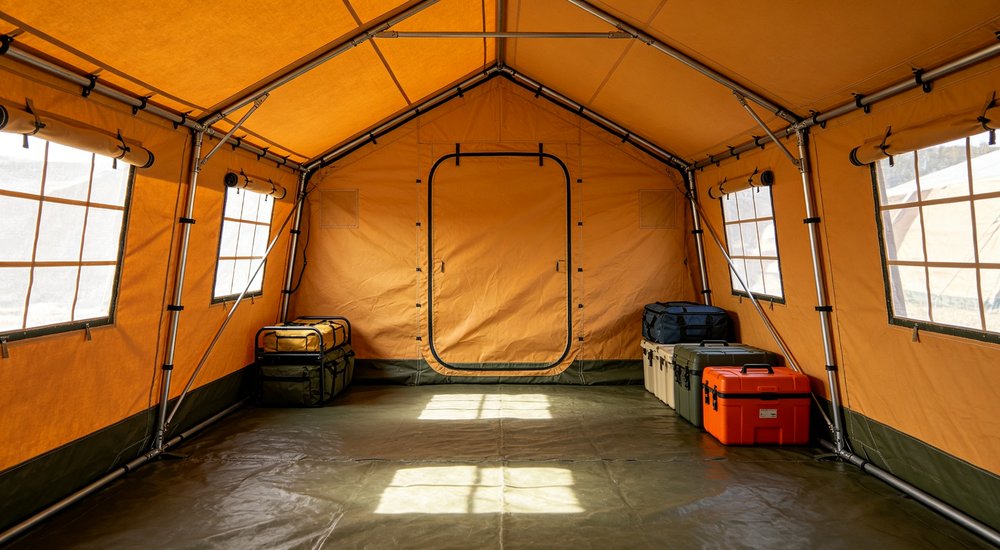
Additional Features to Specify
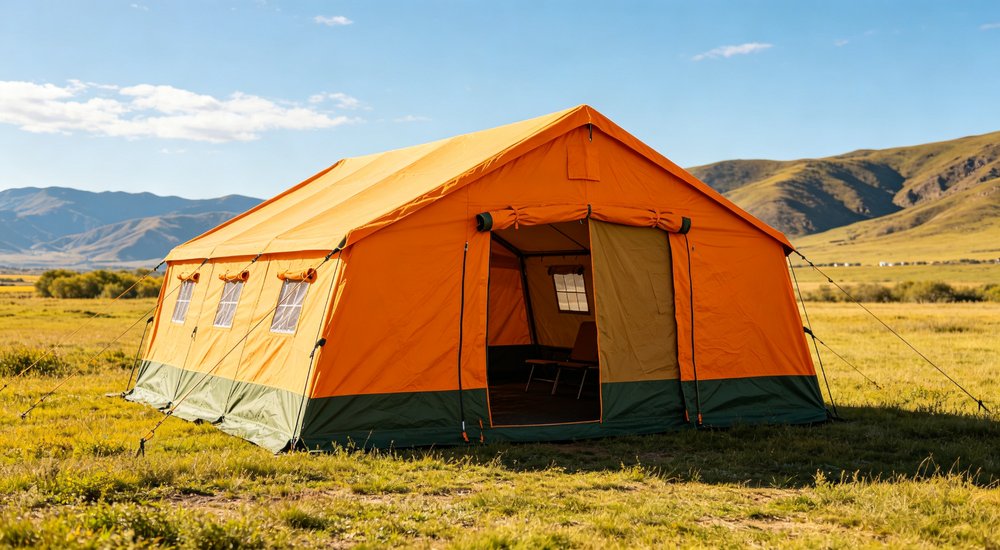
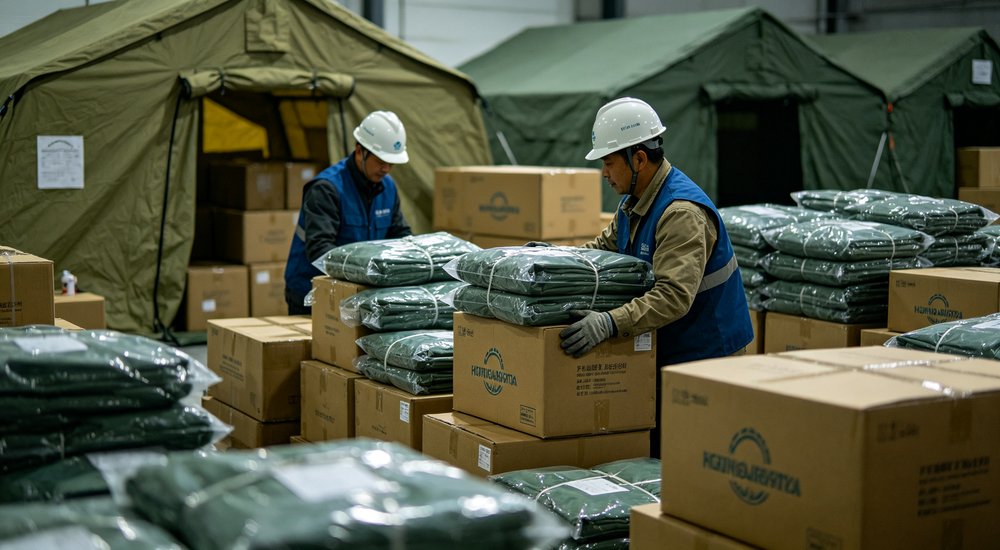
Never place a bulk order without first inspecting a physical sample. What should you check during sample testing? Follow this systematic inspection protocol.
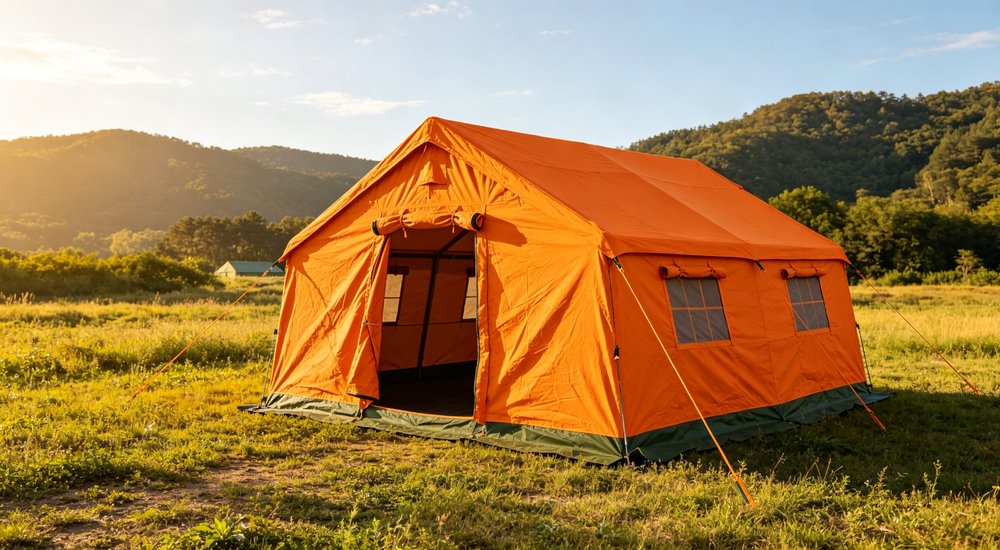
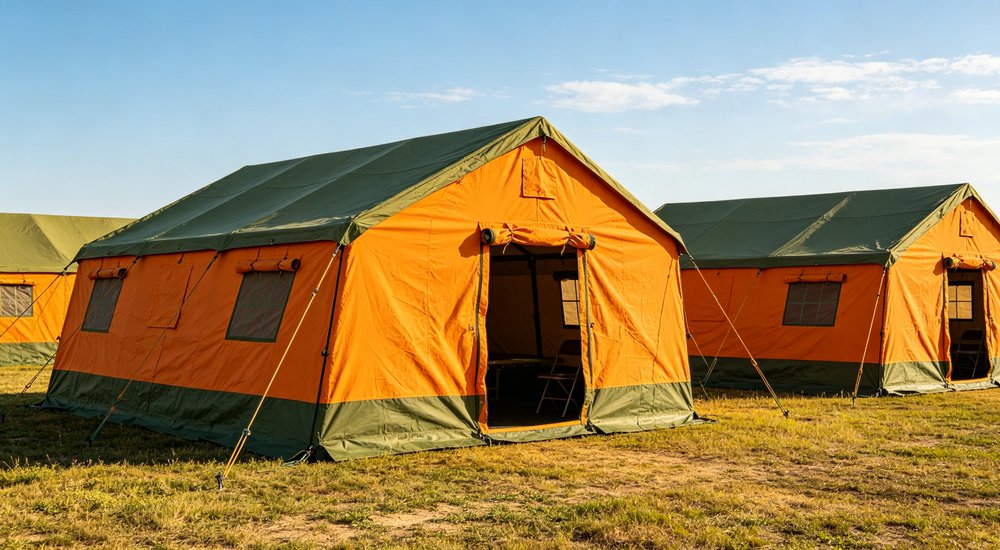
When you receive the sample at your facility, perform these additional hands-on tests to verify quality:
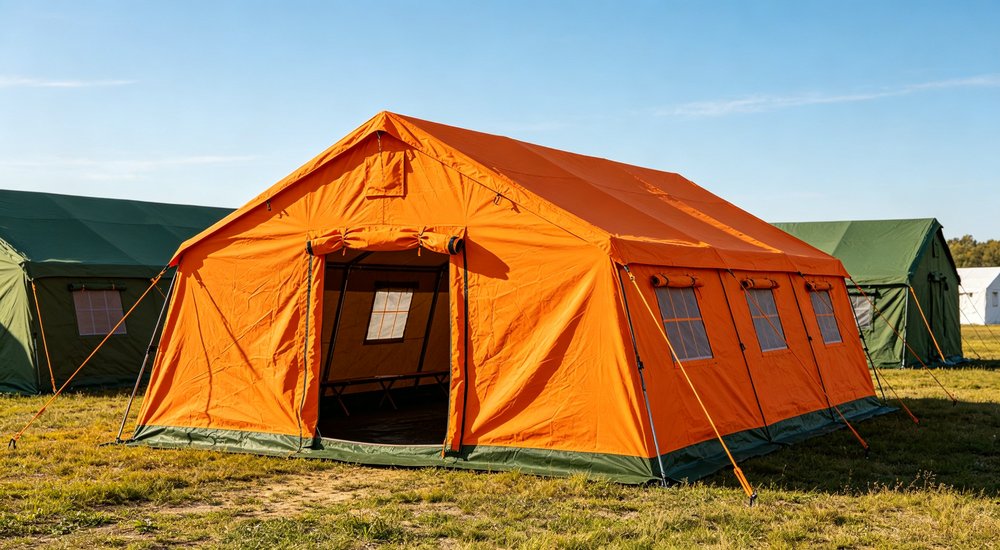
Pro tip: Keep the approved sample as your "golden sample." Every bulk shipment should be compared against this sample. If the bulk product doesn't match the sample, you have grounds for rejection.
|
Item |
Cost |
Timeline |
Notes |
|
Standard sample |
$50-$150 (often refundable) |
7-10 days |
Existing design, no customization |
|
Custom sample |
$150-$300 |
10-15 days |
Custom color, logo, features |
|
Sample shipping |
$40-$100 (express) |
3-5 days |
DHL/FedEx/UPS |
|
Third-party sample testing |
$200-$500 |
5-7 days |
SGS/TUV lab testing |
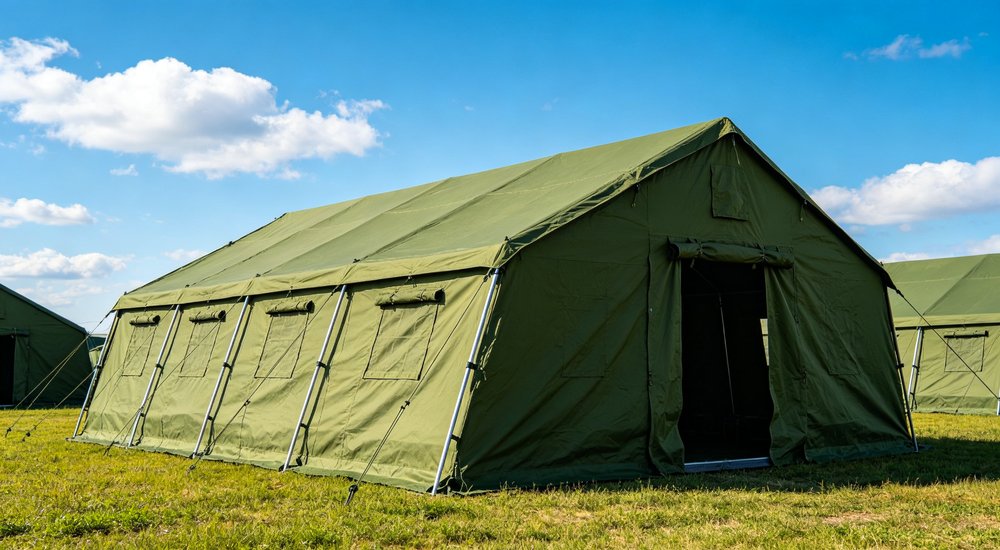
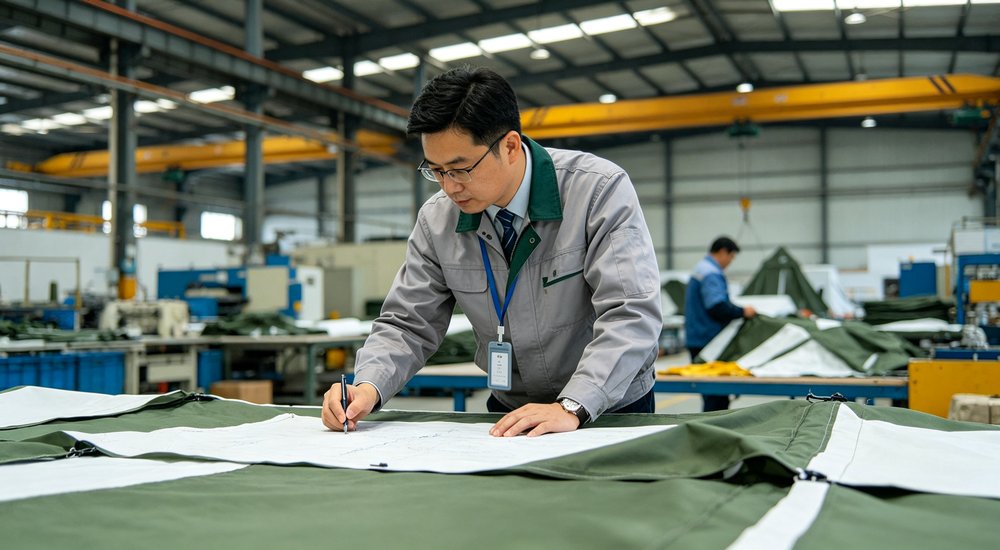
A factory audit is essential for orders over 500 units or $50,000. What does a factory audit cover? Everything from production capacity to worker conditions.
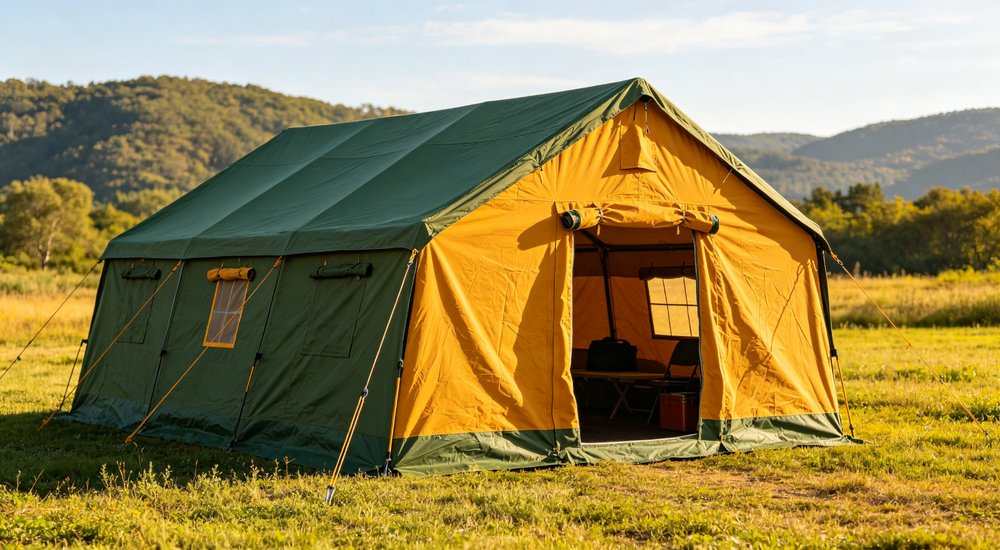
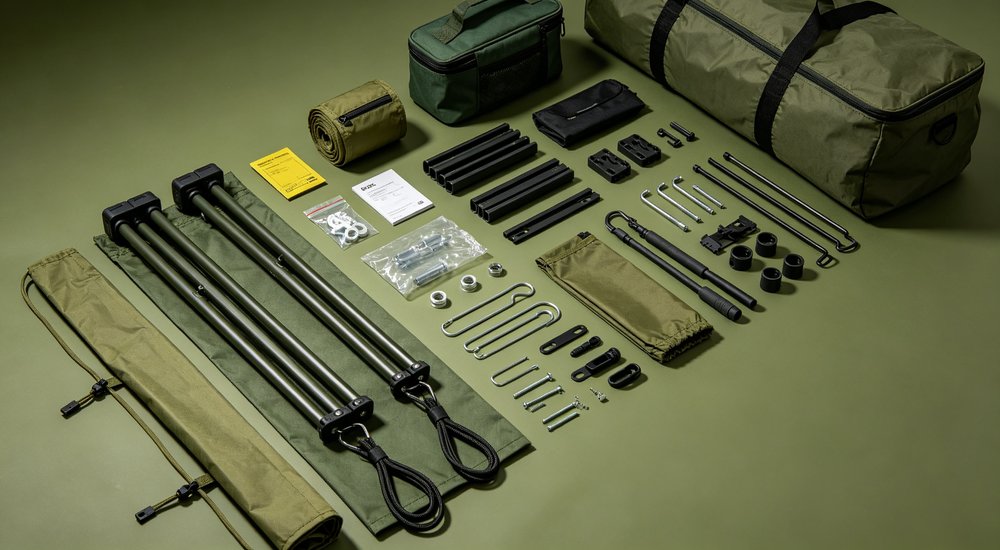
For orders exceeding 500 units or $50,000, consider hiring a professional third-party audit company:
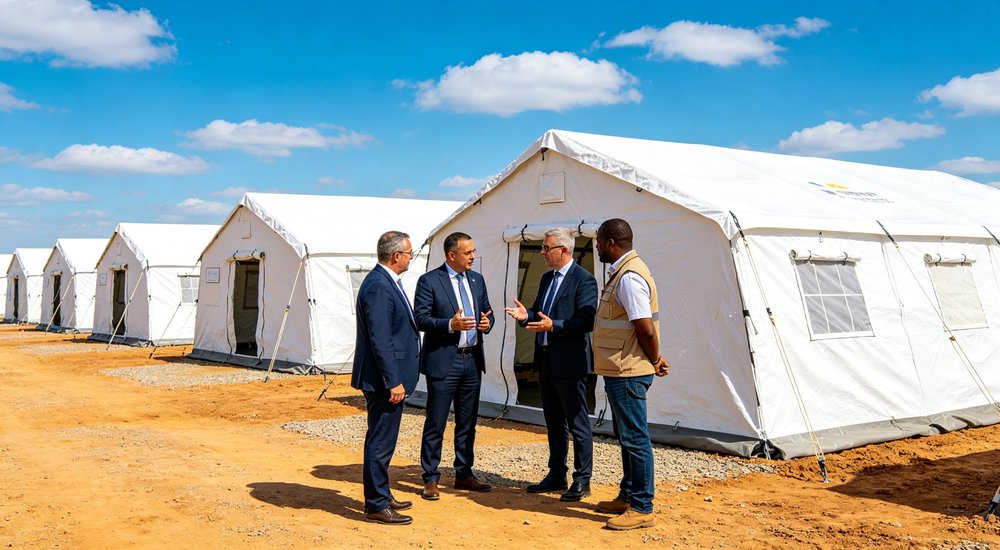
Understanding tent pricing structure helps you negotiate effectively, especially for wholesale tents and bulk tents orders where volume discounts apply. What factors determine emergency tent pricing? Here is a typical tent cost breakdown: raw materials (steel poles + fabric) account for 60-70% of cost, labor 15-20%, overhead 10-15%. Understanding this breakdown helps you evaluate whether a quoted price reflects genuine quality or cost-cutting.
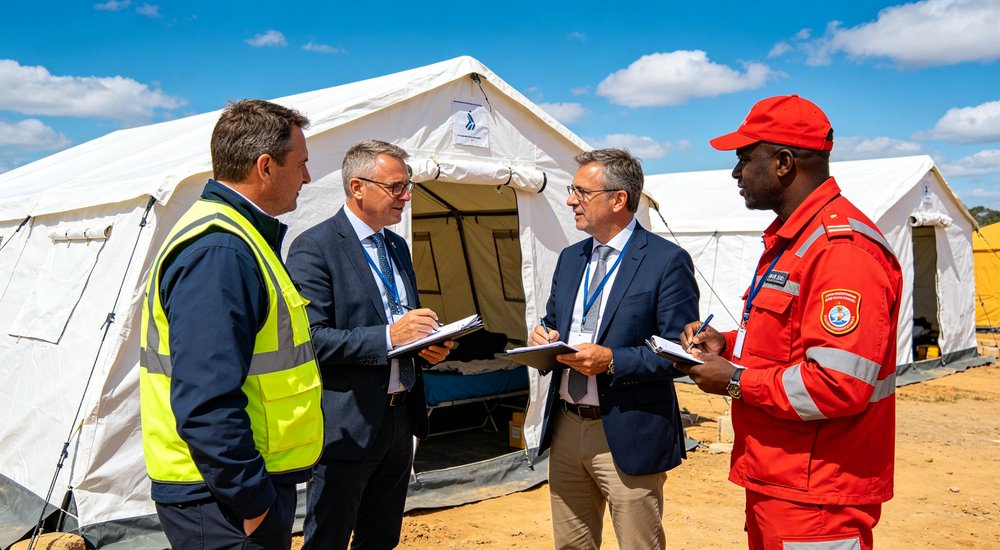
Reference Wholesale Pricing for Bulk Emergency Tents (FOB Shenzhen, 2026)
|
Tent Type |
MOQ 50 |
MOQ 200 |
MOQ 500+ |
|
12m² Standard Polyester |
$180-$220 |
$160-$200 |
$150-$180 |
|
20m² Large Polyester |
$280-$350 |
$260-$320 |
$250-$300 |
|
Heavy-Duty Canvas 16m² |
$450-$550 |
$420-$520 |
$400-$480 |
|
Heavy-Duty Canvas 25m² |
$600-$720 |
$560-$680 |
$520-$650 |
|
Custom Printing (per unit) |
+$8-$15 |
+$5-$10 |
+$3-$8 |
|
3-Layer Insulation (per unit) |
+$40-$60 |
+$35-$55 |
+$30-$50 |
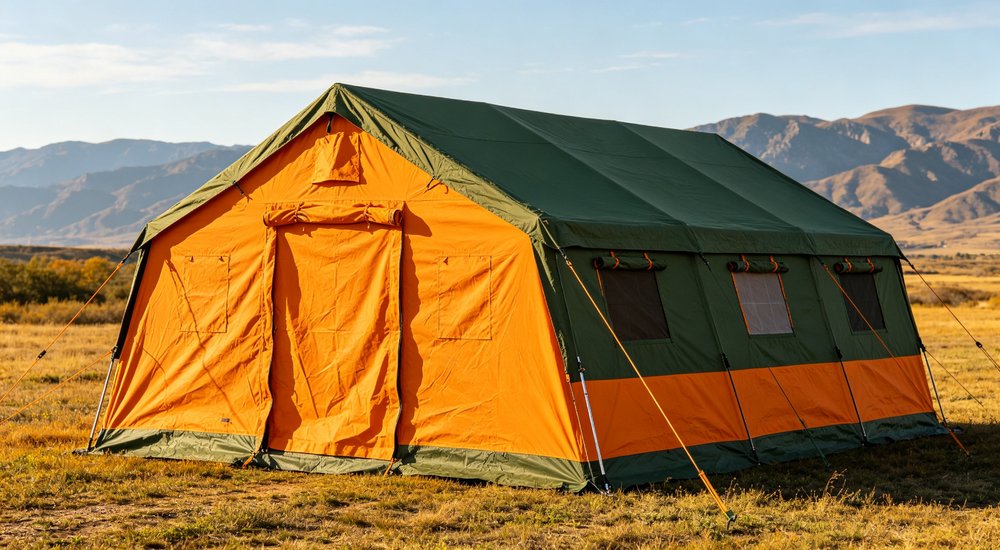
Reference wholesale pricing (FOB Shenzhen, 2026 guide). Actual quotation varies by raw material costs, order quantity, customization, and shipping. Contact us for firm pricing.
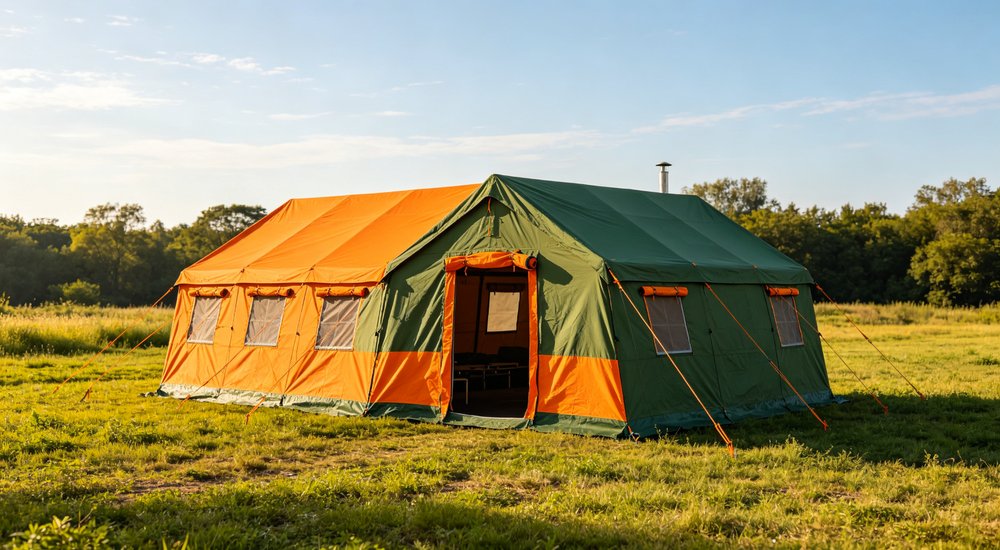
Price warning: If a quote is 20%+ below the average, be suspicious. Common cost-cutting measures include thinner steel poles (1.0mm vs 1.2mm), lighter fabric (250g vs 280g), cheaper zippers, and skipped galvanization. These shortcuts dramatically reduce tent lifespan.
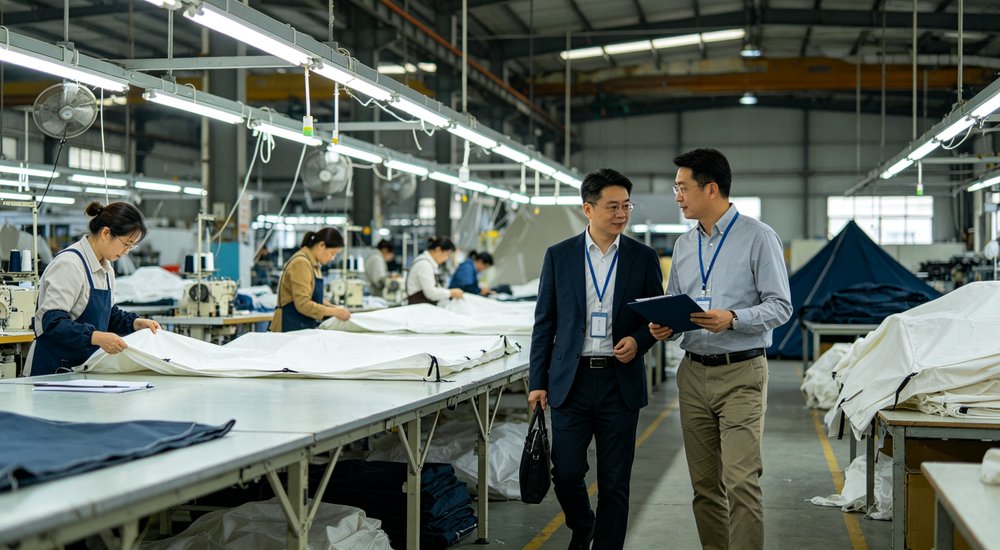
Quality control doesn't end with sample approval. What QC checks and quality assurance measures should happen during mass production? Implement these checkpoints aligned with international tent testing standards.
|
Stage |
What to Check |
Who Checks |
|
Raw material incoming |
Fabric weight, coating, pole diameter, galvanization |
Factory QC + your inspector |
|
Frame production |
Welding quality, hole alignment, zinc coverage |
Factory QC |
|
Fabric cutting |
Pattern accuracy, edge sealing, no defects |
Factory QC |
|
Sewing |
Stitch density, seam sealing, zipper installation |
Factory QC (line by line) |
|
Assembly |
Fit test, tension, door/window alignment |
Factory QC (1 in 10) |
|
Packaging |
Carton quality, labeling, accessory inclusion |
Factory QC + your inspector |
|
Final random inspection |
AQL 2.5 standard, 5-10% of cartons, defect rate target under 2.5% |
Third-party inspector with detailed inspection report |
|
|
||
|---|---|---|
|
|
For orders over $10,000, always schedule a pre-shipment inspection by an independent third party:
The inspector will randomly select cartons (AQL 2.5 sampling standard), assemble tents, check dimensions, verify materials, and issue a pass/fail report with photos. If the inspection fails, the factory must correct defects and re-inspect before shipment.
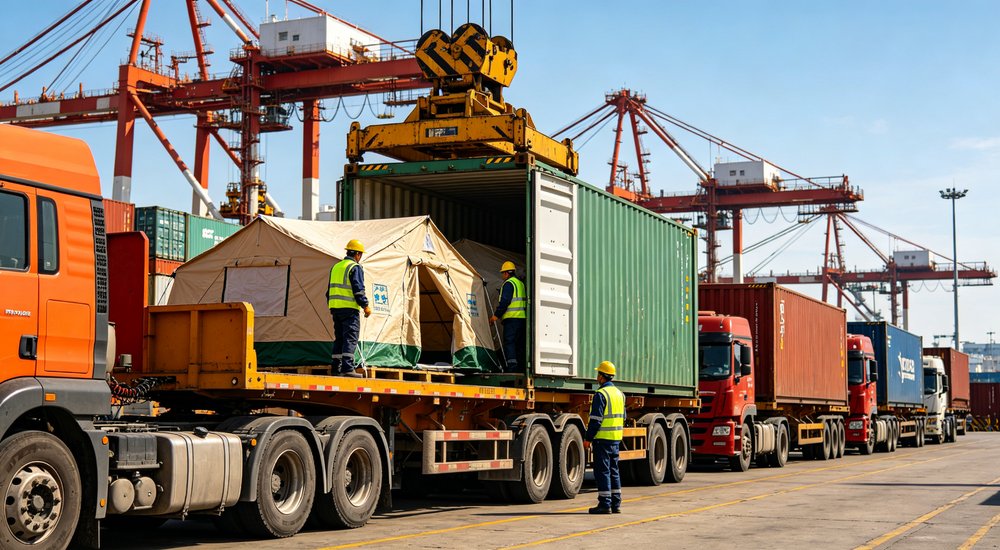
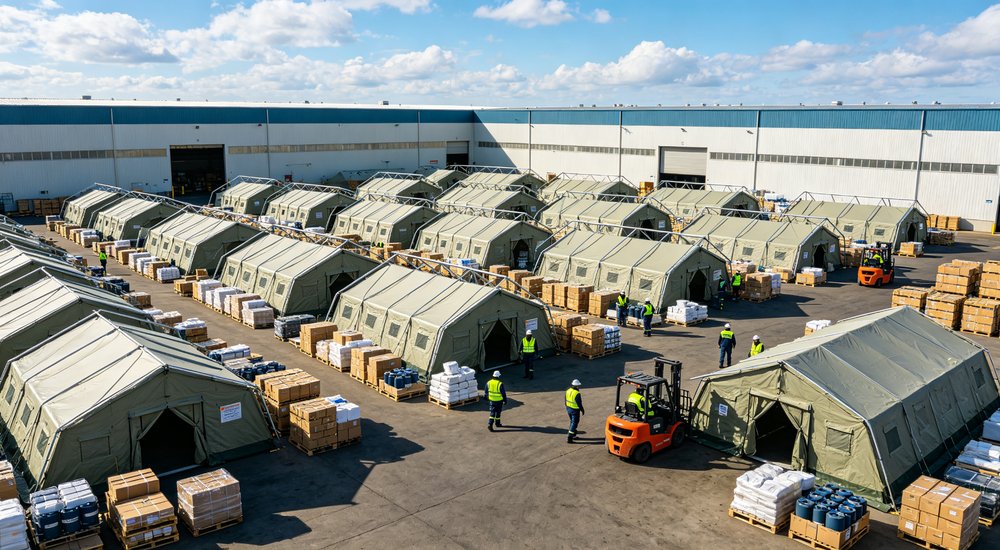
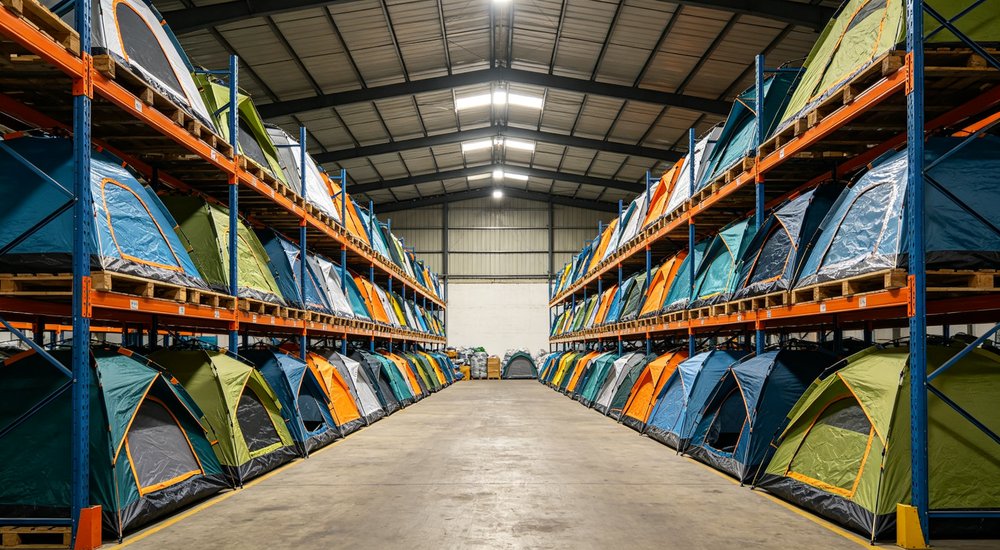
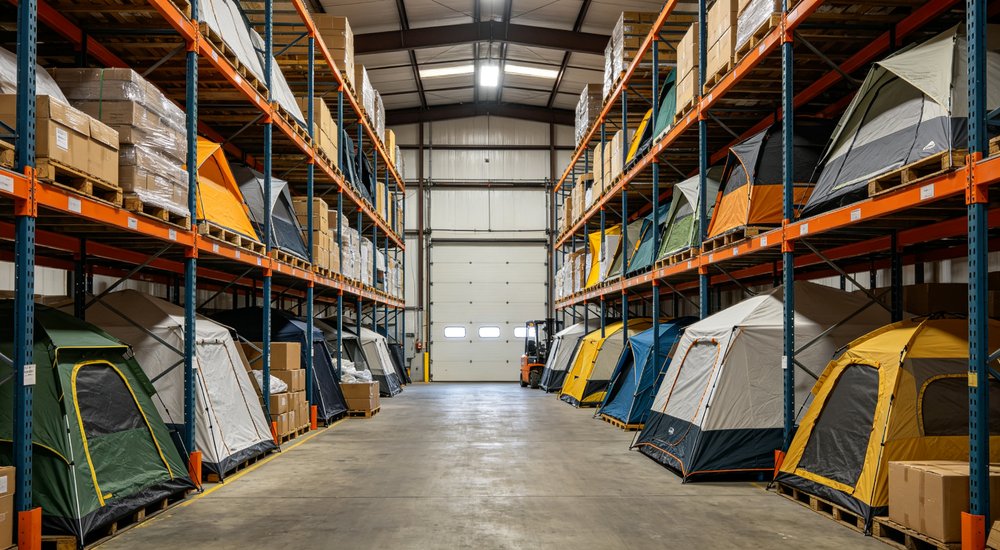
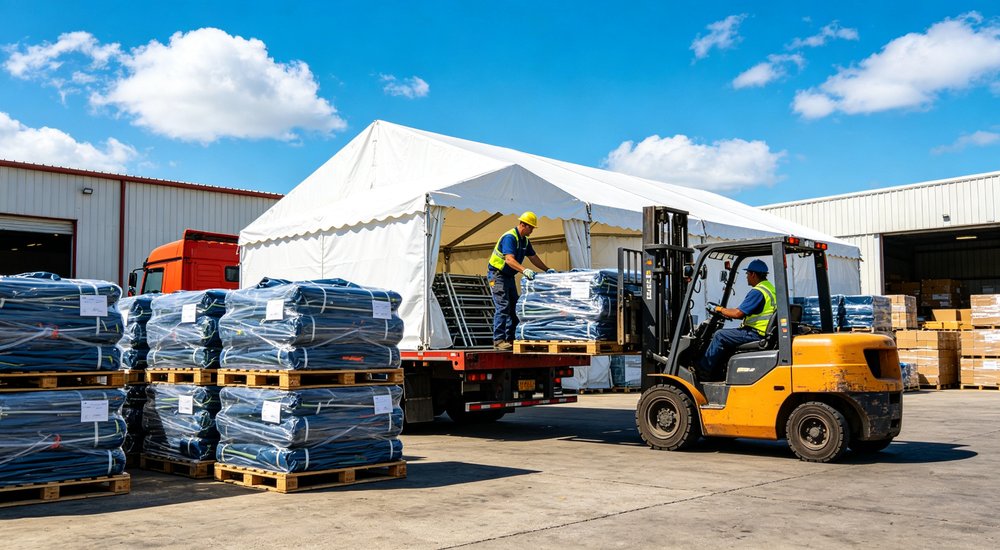
Shipping emergency tents requires careful planning, whether you order wholesale tents for stockpiling or bulk tents for immediate deployment. How many tents fit in a container? This determines your shipping cost per unit.
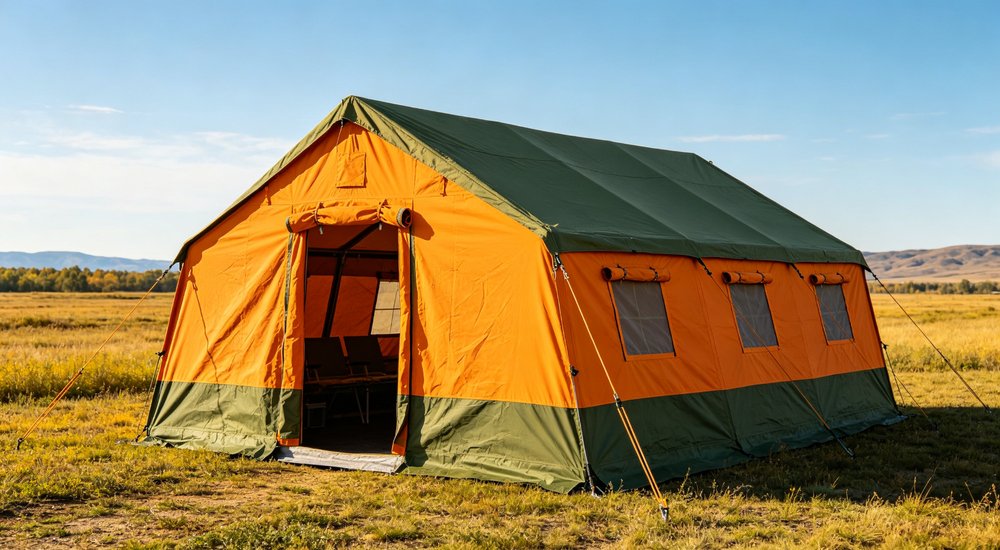
|
Container Type |
Internal Dimensions |
12m² Tents |
20m² Tents |
Heavy-Duty Tents |
|
20ft GP |
5.9×2.35×2.39m |
180-220 units |
100-130 units |
60-80 units |
|
40ft GP |
12.0×2.35×2.39m |
380-450 units |
220-280 units |
130-170 units |
|
40ft HQ |
12.0×2.35×2.69m |
420-500 units |
250-310 units |
150-190 units |
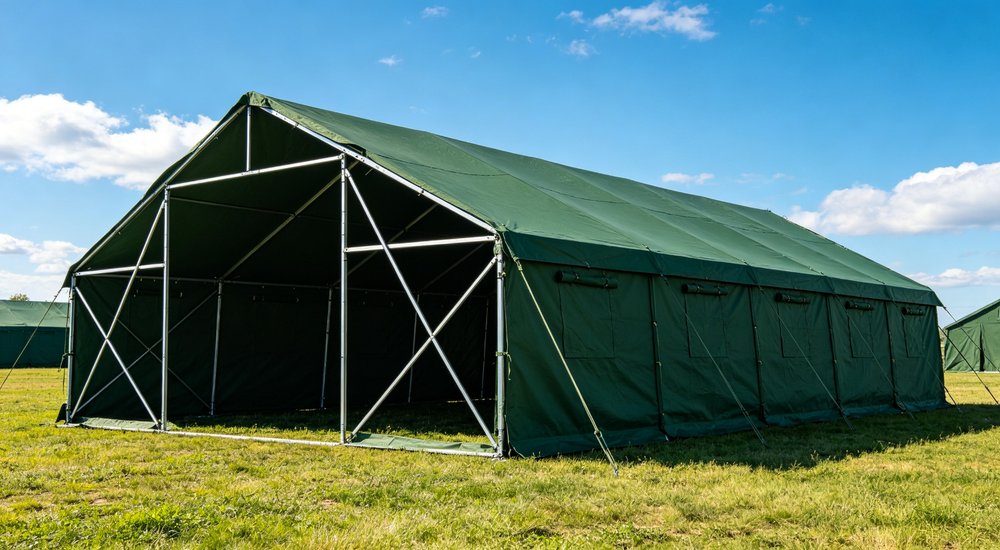
Loading quantities vary based on packaging method. Frame and fabric packed separately maximizes loading efficiency.
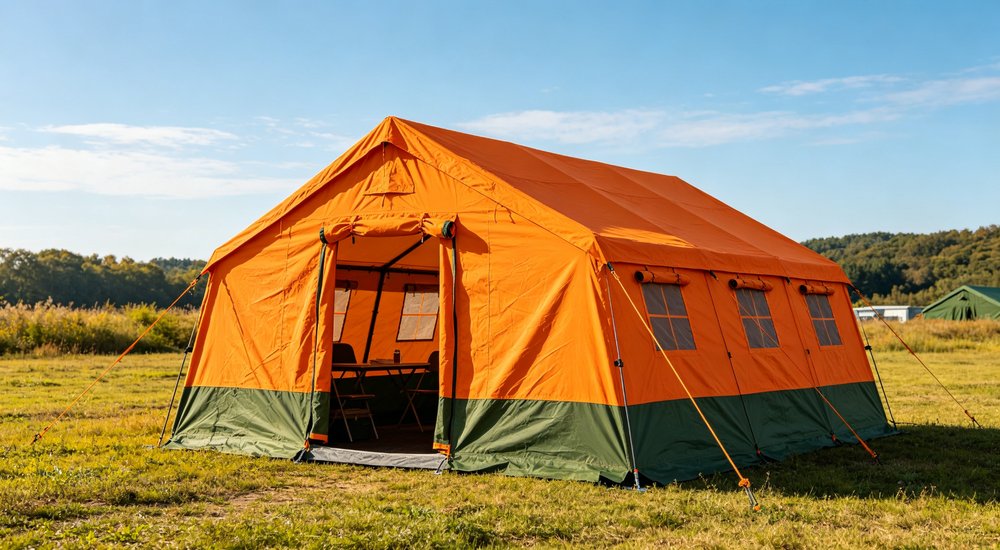
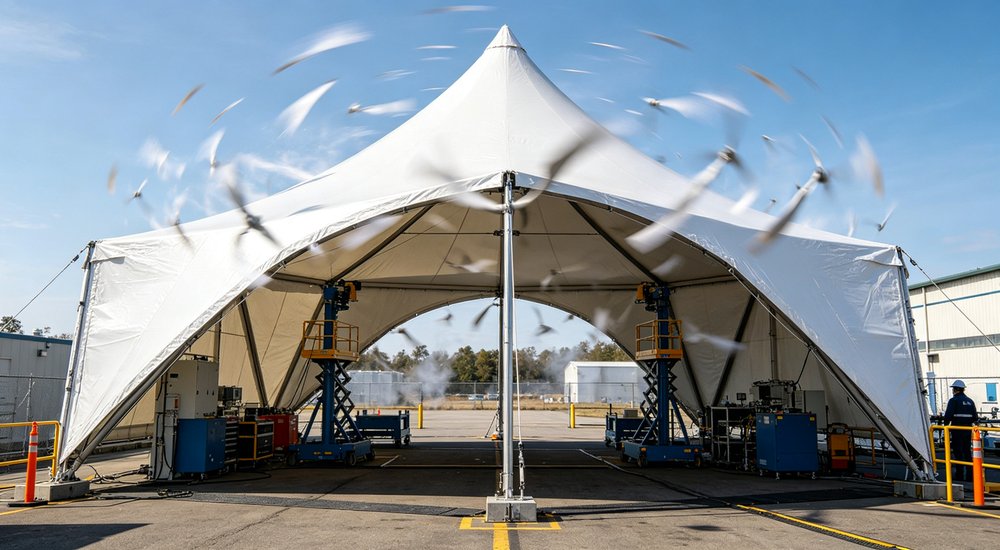
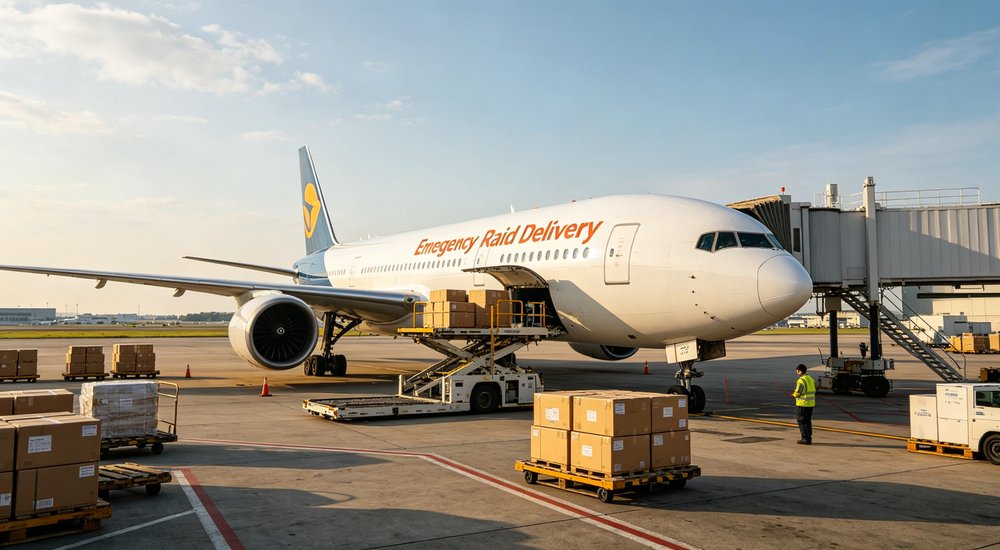
Emergency shipping tip: For rapid deployment and emergency response situations, ask your supplier about "airport ready" packaging — tents packed in smaller, lighter cartons that can be airlifted quickly. Some organizations pre-position tents in regional warehouses for immediate deployment.
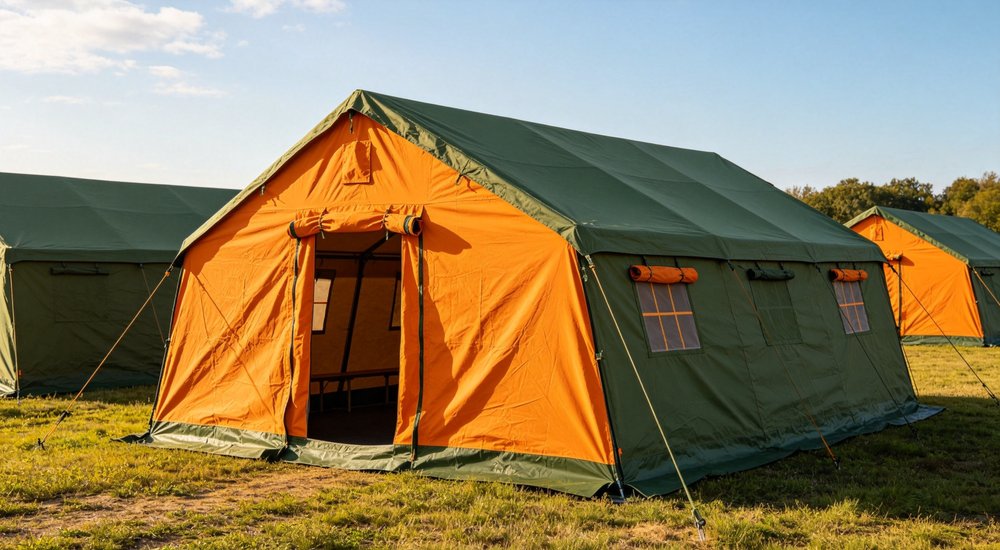
Proper maintenance extends tent lifespan significantly. Store tents in dry, ventilated areas with temperature control. Expected lifespan: polyester tents 3-5 years, canvas tents 7-10 years with proper care. Regular inspection and repair prevent minor issues from becoming major failures.
|
Organization Type |
Key Priority |
Recommended Tent |
Procurement Tip |
|
UN Agencies |
Certification compliance, framework agreements |
20m² polyester + heavy-duty canvas mix |
Negotiate 12-month framework agreements with locked pricing and guaranteed production capacity |
|
International NGOs |
Cost-effectiveness, rapid deployment |
12m² standard (70%) + 20m² (30%) |
Pre-position stock in regional warehouses; maintain supplier roster with 2-3 qualified manufacturers |
|
Government Emergency Mgmt |
Large volume, national stockpiles |
12m² standard (bulk) |
Annual framework contracts with 30-day delivery clauses; rotate stock every 5 years |
|
Military / Defense |
Durability, camouflage, rapid setup |
Heavy-duty canvas, modular command |
Require MIL-spec testing; negotiate spare parts packages at 10% of order quantity |
|
Field Hospitals |
Hygiene, medical gas ports, negative pressure |
Medical-support specialized tents |
Require infection control features; pre-validate with medical engineering teams |
After 20+ years in this industry, we've seen every mistake. Here are the most common pitfalls and how to avoid them.
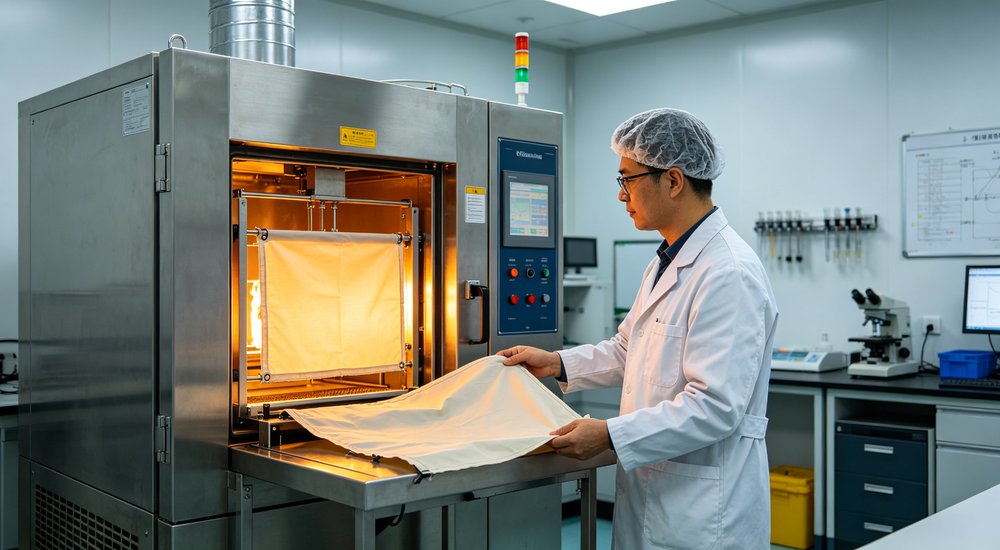
The mistake: Selecting the cheapest wholesale tents or bulk tents quote without proper supplier verification and quality verification of the tent manufacturer. The result: Tents that tear after 6 months, poles that rust in a year, zippers that break. The fix: Always compare total cost of ownership, not just purchase price. A $300 tent lasting 2 years costs $150/year, while a $500 tent lasting 7 years costs $71/year.

The mistake: Approving samples from photos only. The result: Bulk production doesn't match the photos. The fix: Always require a physical sample for hands-on inspection. Keep the approved sample as your quality benchmark.

The mistake: PO says "high quality tent" instead of "280g/m² PVC coated polyester, 19mm galvanized steel pole, 2000mm waterproof." The result: Supplier delivers minimum quality. The fix: Include detailed specifications with measurable parameters in your PO.

The mistake: Ordering 2000 tents from a supplier who only produces 200/month. The result: Delayed delivery, rushed production, quality issues. The fix: Verify production capacity before placing large orders. Consider splitting orders across 2-3 suppliers for very large quantities.
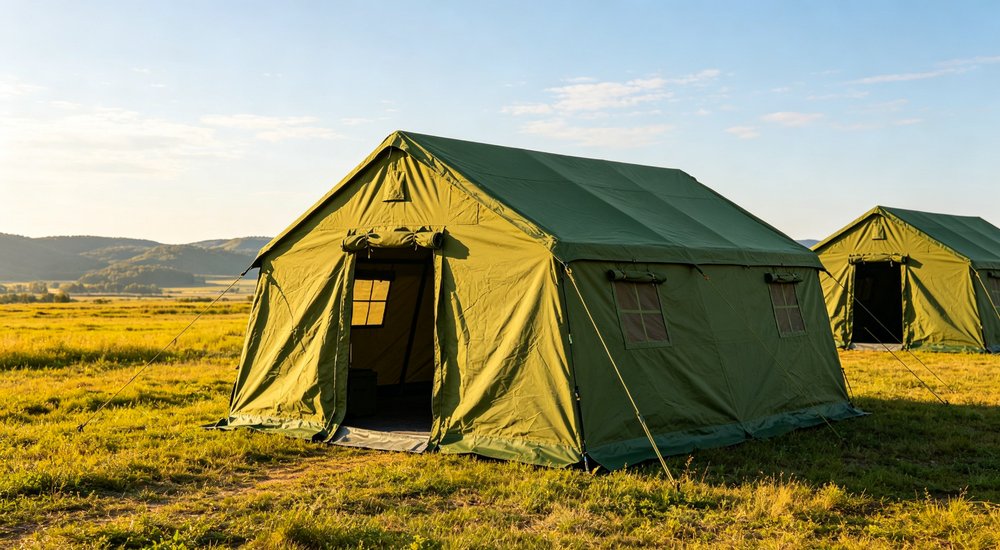
The mistake: No warranty terms, no spare parts, no repair guidance. The result: When tents need repairs in the field, no support available. The fix: Negotiate warranty terms (minimum 1 year fabric, 2 years frame), require spare parts kit (5% of order), and request assembly/repair manuals.
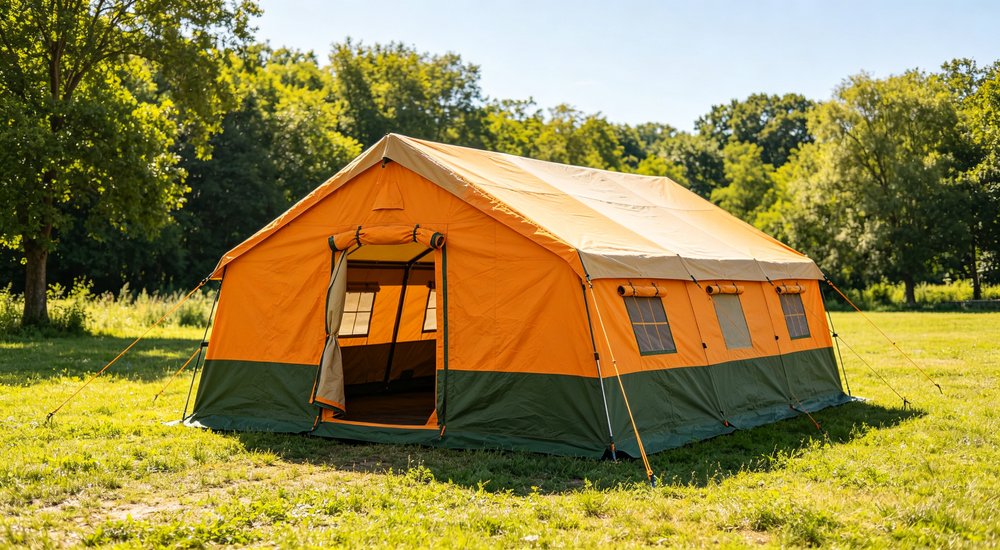
The mistake: Tents packed in oversized cartons that don't fit standard containers. The result: 30% higher shipping cost. The fix: Specify carton dimensions in your PO. Frame and fabric packed separately. Verify loading plan before production.
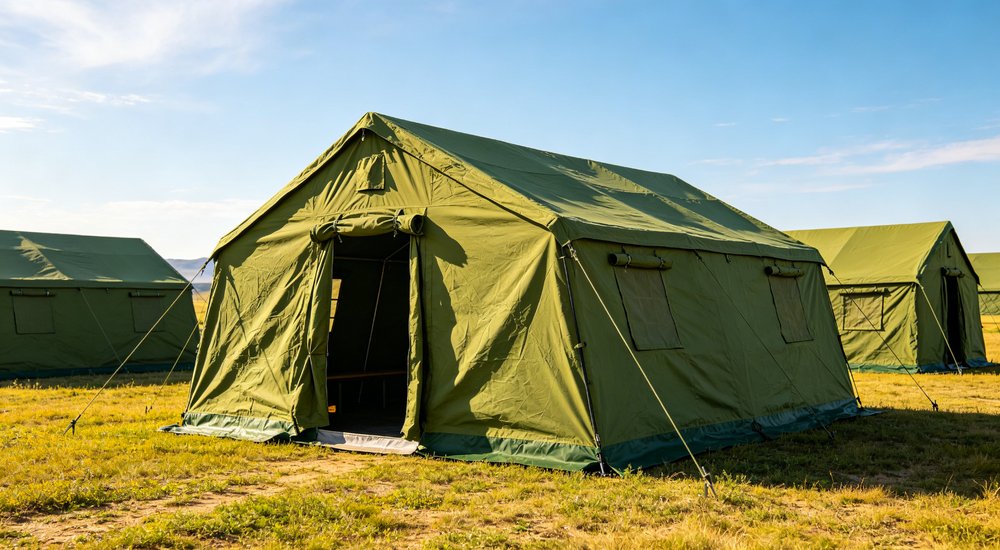
The mistake: No understanding of destination country import regulations. The result: Shipments held in customs for weeks, unexpected duties. The fix: Research destination country customs requirements, work with local customs broker, ensure all documentation is complete before shipment.
|
Risk |
Probability |
Impact |
Mitigation |
|
Supplier delivers substandard quality |
Medium |
High |
Golden sample approval + third-party pre-shipment inspection + payment tied to inspection |
|
Production delay |
Medium |
Medium |
Build 2-week buffer into timeline + weekly production reports + penalty clause in contract |
|
Shipping damage |
Low |
Medium |
Marine cargo insurance + reinforced cartons + frame/fabric separate packing |
|
shipping delivery delay |
Medium |
High |
Pre-clear documentation + local customs broker + humanitarian exemption verification |
|
Raw material price increase |
High |
Medium |
Lock pricing in contract for 90 days + order during low season (Q4) |
|
Currency fluctuation |
Medium |
Low |
Quote in USD + forward contract for large orders |
Use this checklist for every tent procurement to ensure nothing is missed:
A UNHCR procurement officer needed 5,000 refugee shelter tents from a reliable tent manufacturer and wholesale tents supplier for a new IDP shelter camp. They initially selected the cheapest supplier at $145/unit. After our consultation, they requested samples from 3 suppliers and discovered the cheapest option used 1.0mm poles (vs 1.2mm spec) and 250g fabric (vs 280g spec). They ultimately chose a mid-priced supplier at $165/unit with verified quality. Result: 95% of tents still in service after 3 years, compared to the previous batch where 40% needed replacement within 2 years.
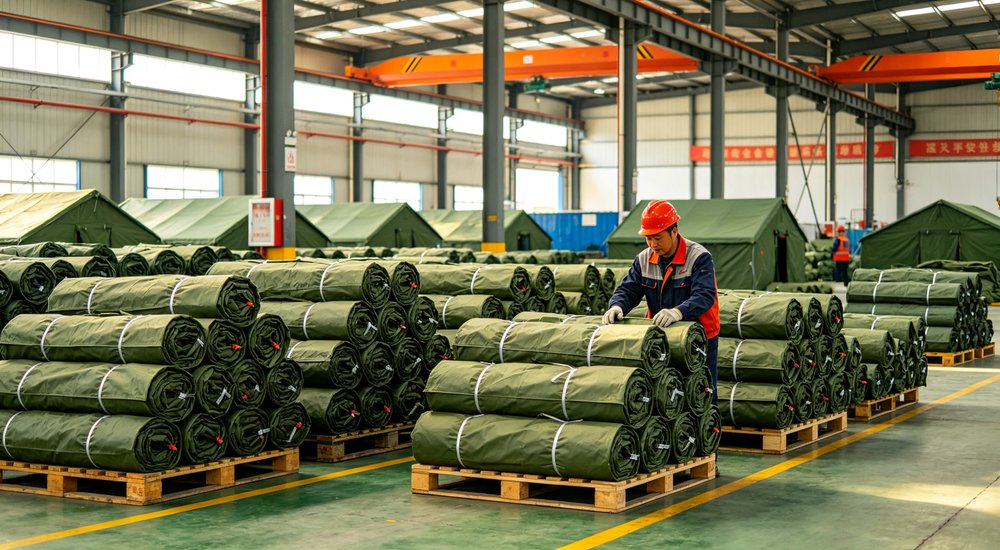
As a military tent supplier for field hospital deployments, we worked with a military medical unit that needed 200 heavy-duty canvas tents for a field hospital. They specified 3-layer insulation, medical gas pass-throughs, and negative-pressure vestibules. We conducted a factory audit, produced custom samples, and implemented strict QC with weekly photo reports. Result: All 200 tents delivered on time, passed military inspection with zero defects, and have been deployed in 45°C summer heat and -5°C winter conditions without failure.
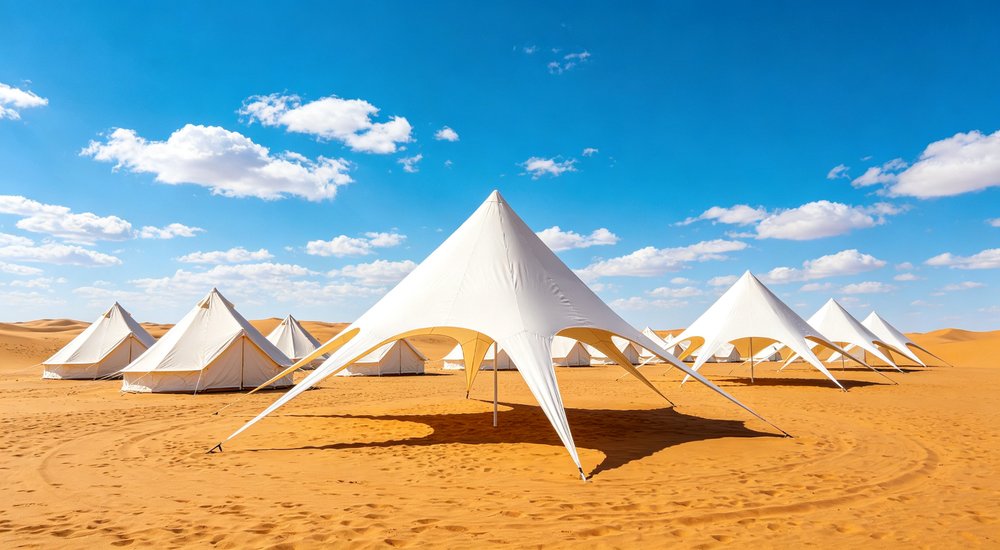
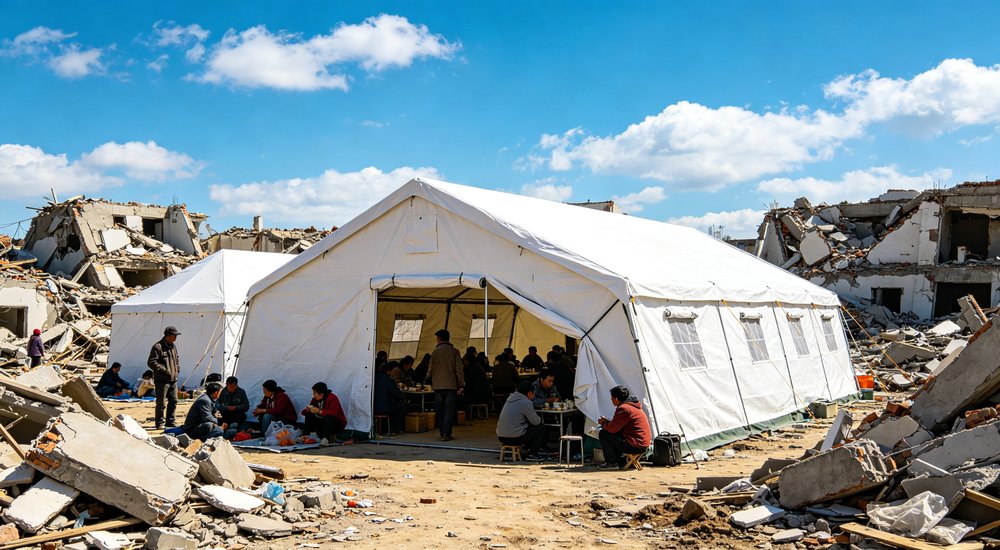
An NGO needed 800 tents urgently for earthquake survivors. They needed delivery within 30 days. We had 500 units in stock and produced the remaining 300 units in 18 days. We shipped via sea freight (25 days) with 100 units airlifted for immediate response. Result: First 100 tents deployed within 7 days, full delivery within 32 days. The NGO reported the tents withstood monsoon rains without a single leak.
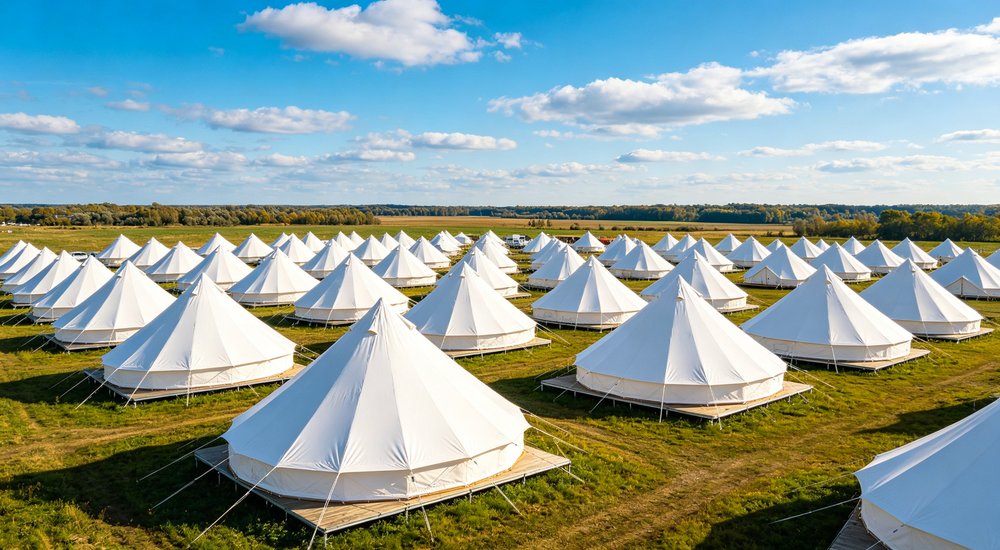
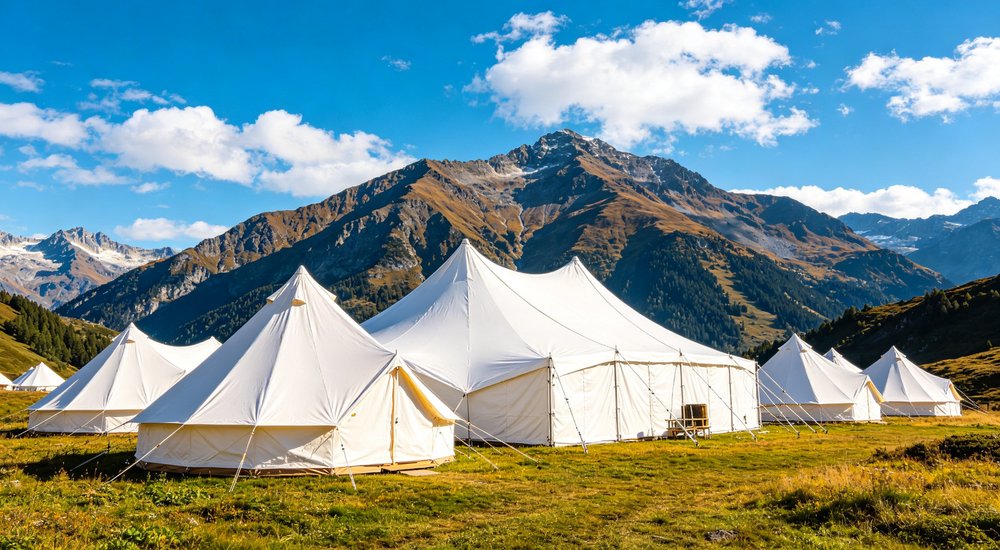
A mountain rescue organization needed 50 heavy-duty tents for high-altitude base camps at 3,000m elevation. They required 25mm poles, 500g canvas, and stove jacks. We produced custom samples, tested wind resistance at 110km/h, and delivered. Result: Tents have survived two winters at -25°C with 2m snow accumulation. The organization reported zero structural failures and ordered 50 more units.
"We've been buying emergency tents for 15 years. This guide would have saved us from three bad procurement decisions. The sample evaluation checklist alone caught a supplier using 1.0mm poles instead of the specified 1.2mm."
— International Humanitarian NGO Shelter Program Manager (2022)
"The container loading guide was incredibly useful. We optimized our packaging and fit 220 more tents per 40ft HQ container, saving $12,000 in shipping on our last order."
— Mountain Rescue Organization Logistics Director (2023)
"The factory assessment checklist helped us identify that our previous supplier was actually a supplier marking up prices 35%. Switching to a direct manufacturer saved us $45,000 on our last order."
— Global Relief NGO Emergency Response Director (2024)
"We switched from 12m² only to a mixed fleet of 12m² and 20m² tents based on the needs assessment in this guide. The 20m² tents reduced our community building costs by 40% since families could host meetings at home."
— International Rescue Committee Camp Manager (2025)
Why is a needs assessment the first step in emergency tent procurement?
Because the wrong tent size or fabric specification leads to wasted budget and inadequate shelter. A 12m² tent for 8 people in a tropical climate needs different specifications than a 20m² tent for 15 people in a cold climate.
Which tent type is best for long-term refugee camps?
Heavy-duty canvas tents with three-layer insulation offer the best longevity (7-10 years) and climate comfort, despite higher upfront cost. For short-term deployments under 2 years, polyester tents provide better value.
How do I verify a tent supplier is a genuine manufacturer?
Request factory photos and production line videos, schedule a video call factory tour, and verify they own both frame production and fabric coating equipment. Trading companies typically only have sewing workshops.
What should I check during sample testing?
Measure pole diameter with calipers, verify fabric weight with a scale, test waterproofing with a spray test, check stitch density (minimum 6-8 stitches per inch), and perform a timed 2-person assembly test.
How much should I budget for emergency tent procurement?
Plan for $150-$750 per tent depending on size and specification, plus 15-25% for sea freight, 0.5-1% for insurance, and $5-15 per tent for local assembly. Always calculate total cost of ownership over the deployment period.
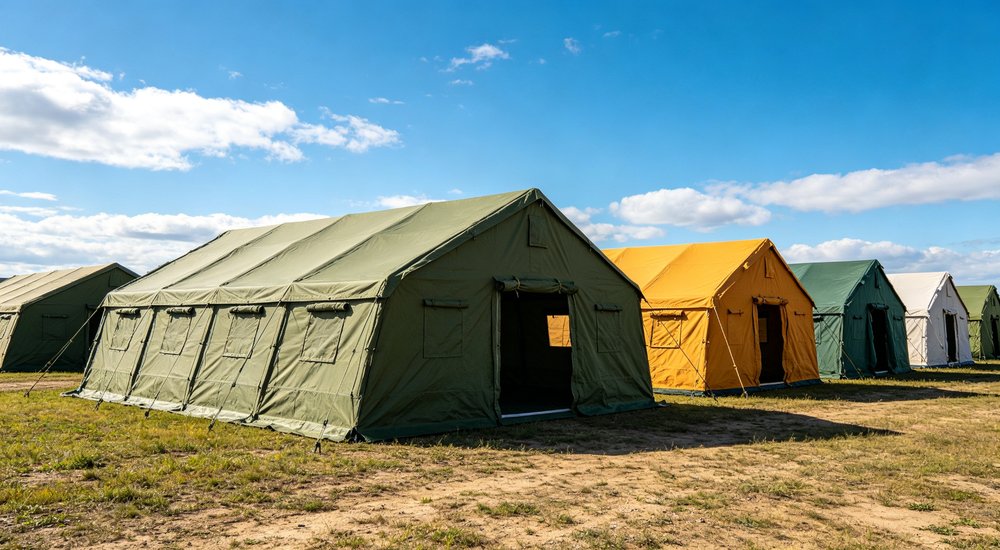
What is the minimum order quantity for emergency frame tents?
Standard MOQ is 50 units for existing designs from our tent factory. For custom colors or features, MOQ is typically 100 units for printing and 500 units for custom fabric colors. Smaller quantities may be available at a premium price.
As a tent exporter and wholesale tents supplier, standard tent lead time is 25-35 days for orders under 500 units. Repeat orders with confirmed specifications can reduce lead time by 20-30%. Orders of 500-2000 units take 35-50 days. Very large orders (2000+ units) may require 50-70 days or split shipments. Rush production is possible for emergency situations with prior arrangement.
Standard tent payment terms are 30% bank transfer deposit upon order confirmation. As a tent exporter and wholesale tents supplier, standard tent lead time is 25-35 days for orders under 500 units, and repeat orders with confirmed specifications can reduce lead time by 20-30%. 70% balance before shipment (after inspection approval). For established clients or large orders, we can negotiate 20% deposit / 80% against bill of lading copy. Letters of credit (L/C) are accepted for orders over $50,000.
Standard samples cost $50-$150 plus shipping, but this fee is typically deducted from your first bulk order. Custom samples with your logo and specifications cost $150-$300. We believe physical sample inspection is essential before any bulk commitment.
Essential certifications include ISO 9001 (quality management), CE (European conformity), EN 13782 (temporary structures), and CPAI-84 or EN 13501 (fire retardancy). For UN procurement, additional supplier qualification through UNGM may be required. We provide test reports with every shipment.
Ask for factory photos and production line videos. Request a video call to tour the facility. Verify they own frame production and fabric coating equipment (trading companies only have sewing rooms). Check their business license for manufacturing scope. Schedule an in-person or third-party factory audit for large orders.
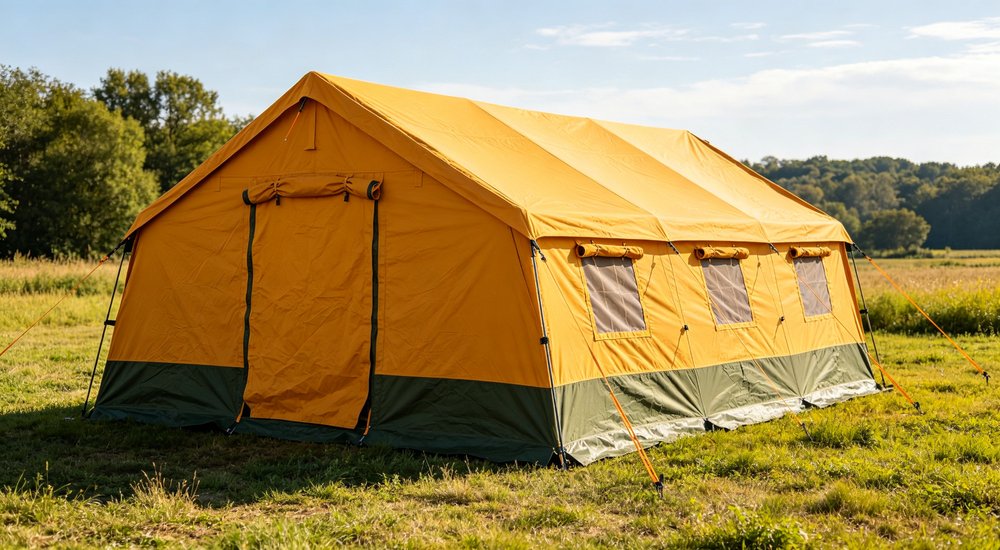
Standard warranty: 2 years on steel frame (against rust and structural failure), 1 year on fabric (against manufacturing defects). Extended warranty available for heavy-duty canvas tents (3 years fabric, 5 years frame). Warranty does not cover damage from improper assembly, extreme weather beyond rating, or normal wear and tear.
A 20ft container holds 180-220 standard 12m² tents, 100-130 of 20m² tents, or 60-80 heavy-duty tents. A 40ft HQ container holds 420-500 of 12m², 250-310 of 20m², or 150-190 heavy-duty tents. Frame and fabric packed separately maximizes loading.
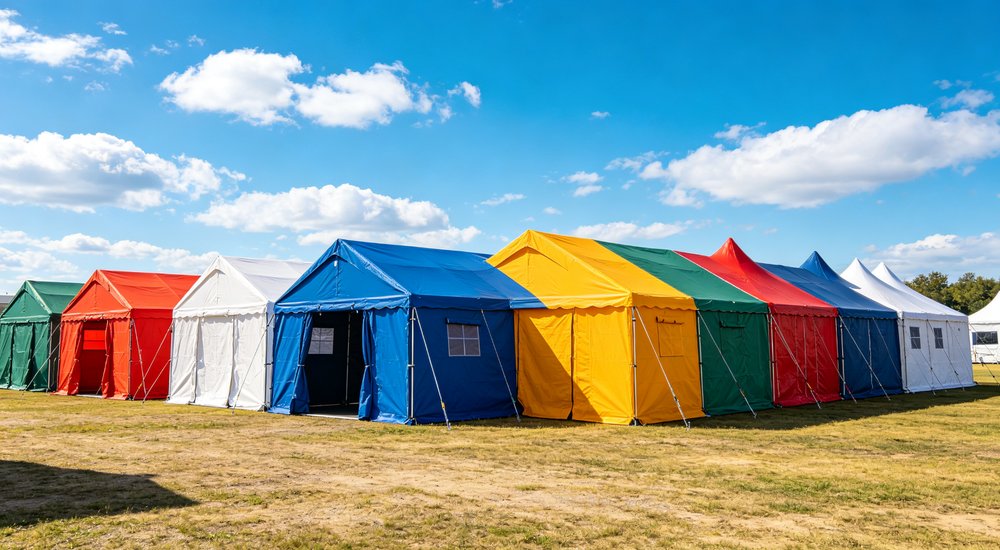
Yes. We offer custom screen printing or heat transfer logos in up to 4 colors. Custom fabric colors require Pantone code and MOQ of 500 units. Standard colors (white, blue, green, orange, olive) are available with no MOQ. Logo printing adds $3-$15 per unit depending on size and complexity.
First, document everything with photos and videos. Notify the supplier immediately with a formal claim. If you had third-party pre-shipment inspection, the inspection report is your evidence. Most reputable suppliers will correct the issue, provide replacement units, or offer a discount. This is why golden sample retention and pre-shipment inspection are critical.
Yes. Every tent includes illustrated assembly instructions in the carton. We can provide video assembly guides in multiple languages. For large orders, we can send a technician to your location for team training (travel expenses additional). We also provide maintenance and repair guides.
We recommend ordering spare parts equal to 5% of your total quantity: extra poles (5%), connector joints (3%), guy lines (10%), stakes (10%), and repair fabric (5m² per 100 tents). For remote deployments, increase spare parts to 10%. We offer pre-packaged spare parts kits.
Yes. Standard 12m² tents weigh 45-55kg and can be loaded onto cargo aircraft. For rapid response, we offer "airport ready" packaging in smaller, lighter cartons. A C-130 cargo aircraft can carry approximately 150-200 standard tents. Pre-positioning tents in regional warehouses is the fastest deployment strategy, reducing deployment time from weeks to hours.
FOB (Free On Board): You pay for sea freight and insurance from the port of origin. CIF (Cost, Insurance, Freight): Supplier pays freight and insurance to destination port. DDP (Delivered Duty Paid): Supplier handles everything including customs duties and delivery to your door. FOB is most common for large organizations with their own freight forwarders.
Polyester tents are lighter, cheaper, waterproof, and better for warm/dry climates (3-5 year lifespan). Cotton canvas tents are heavier, more expensive, breathable, better for extreme temperatures, and last longer (7-10 years). For tropical deployments under 3 years, choose polyester. For cold climates or long-term camps, choose canvas.
Yes. For organizations that procure tents regularly, we offer 12-month framework agreements with locked pricing, priority production slots, and guaranteed capacity. This is ideal for UN agencies, large NGOs, and government emergency management agencies. Contact us to discuss your annual procurement volume.
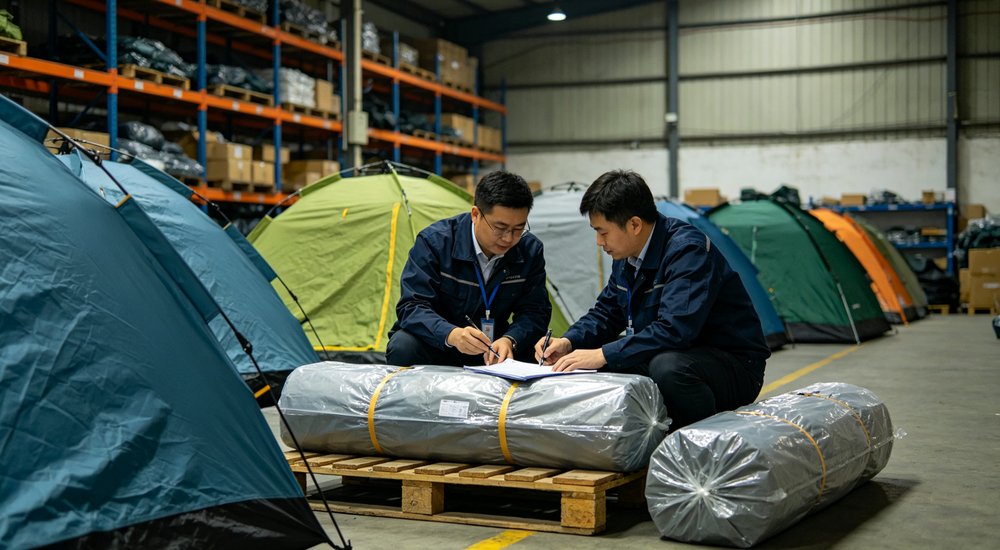
1. Start with a clear needs assessment.
The first rule of how to buy emergency tents is knowing exactly what you need before contacting any tent supplier or tent manufacturer. The first rule of how to buy emergency tents is knowing exactly what you need before contacting any supplier. Know your population, climate, and deployment duration before contacting suppliers. This determines 80% of your specification.
2. Always inspect physical samples from your tent supplier and tent manufacturer.
Photos lie. A hands-on sample inspection catches 90% of quality issues before you commit to a bulk order.
3. Specify everything measurable.
Pole diameter in mm, fabric weight in g/m², waterproof in mm. Vague specifications lead to disappointing results.
4. Verify factory capability.
Direct manufacturers save 20-40% vs trading companies. Verify with factory audits and production capacity checks.
5. Calculate total cost of ownership.
A cheaper tent that lasts 2 years costs more per year than an expensive tent lasting 7 years.
6. Schedule third-party inspection.
A $300 pre-shipment inspection can save you from a $50,000 defective shipment.
7. Plan shipping in advance.
Optimize packaging for container loading. Factor in all hidden costs (shipping, duties, insurance, assembly).
8. Keep a golden sample.
Every bulk shipment should match your approved sample. This is your quality benchmark and leverage if issues arise.
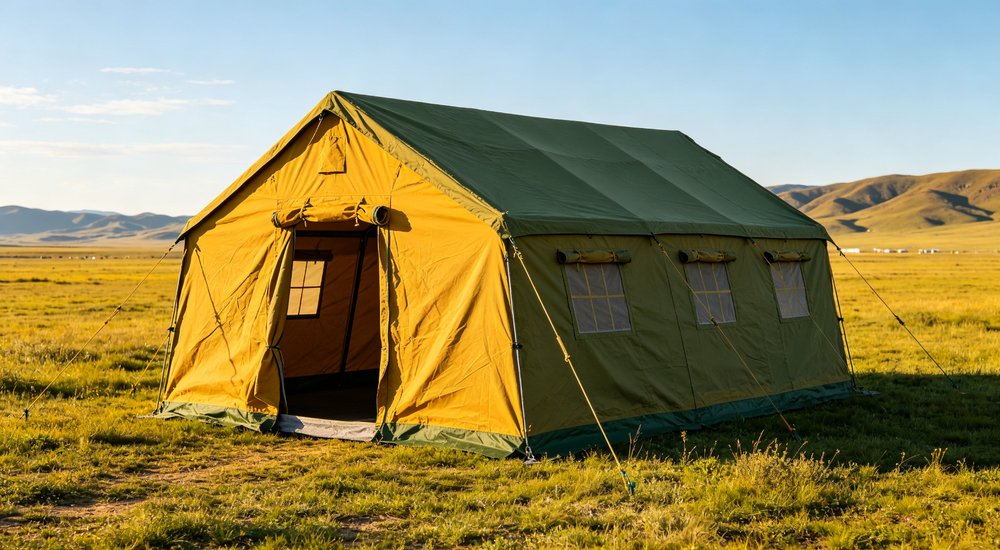
Ready to start your emergency tent procurement? We provide complete support from specification development through final delivery. As a direct manufacturer with 20+ years of experience supplying UN agencies, NGOs, and military organizations, we understand the unique requirements of emergency shelter procurement.
What you get when you request a proposal:
Next steps:
1) Tell us your population size and deployment climate;
2) Receive a recommended fleet composition with pricing within 24 hours;
3) Request complimentary fabric and frame samples for evaluation;
4) Place a trial order of 50-100 units before scaling.
Related resources: Compare single-wall vs three-layer tent construction, understand frame tents vs inflatable tents, and review 12m² vs 20m² vs heavy-duty size comparisons. For specific products, see our 12m² standard relief tent, 20m² large humanitarian tent, heavy-duty canvas frame tent, modular command tent, and medical support tent. For scenario-specific guidance, see disaster relief tents, refugee camp shelters, military field tents, and field hospital tents.
We also provide camp planning consulting, deployment team training, and post-delivery maintenance support. Our goal is to ensure your shelter program succeeds from initial order through end-of-life replacement.
Get expert guidance, transparent pricing, and verified quality.
 |

|
This emergency tent buying guide covers the full procurement journey with many potential pitfalls, but following a systematic approach dramatically reduces risk. The most successful procurement officers we've worked with share three habits: they invest time in needs assessment, they always inspect physical samples, and they never choose based on price alone.
When you follow the steps in this guide — needs assessment, supplier qualification, detailed specifications, sample inspection, factory audit, negotiated pricing, production QC, and planned logistics — you're not just buying tents. You're investing in a shelter solution that will protect the people you serve for years to come.
Remember: the cheapest tent is rarely the most affordable. A $300 tent that lasts 2 years costs $150 per year. A $550 heavy-duty tent that lasts 7 years costs $79 per year. Over a 10-year program, the "expensive" tent saves you $710 per unit. Multiply that by 1,000 tents, and you've saved $710,000 — enough to fund an entire additional camp.
Whether you're procuring 50 tents for a localized response or 5,000 tents for a national program, the principles remain the same. Do your homework, verify everything, and partner with a manufacturer who understands the stakes. We've been that manufacturer for 20+ years, and we're ready to support your next emergency shelter procurement.
Дружественные ссылки :
авторское право © Custom Disaster - Relief Bedding: Tents, Sleeping Bags, Blankets Все права защищены
профессиональная команда для обслуживания !