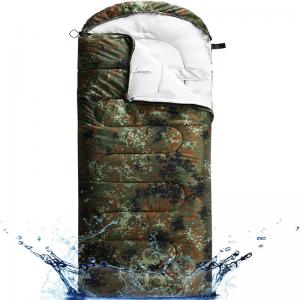
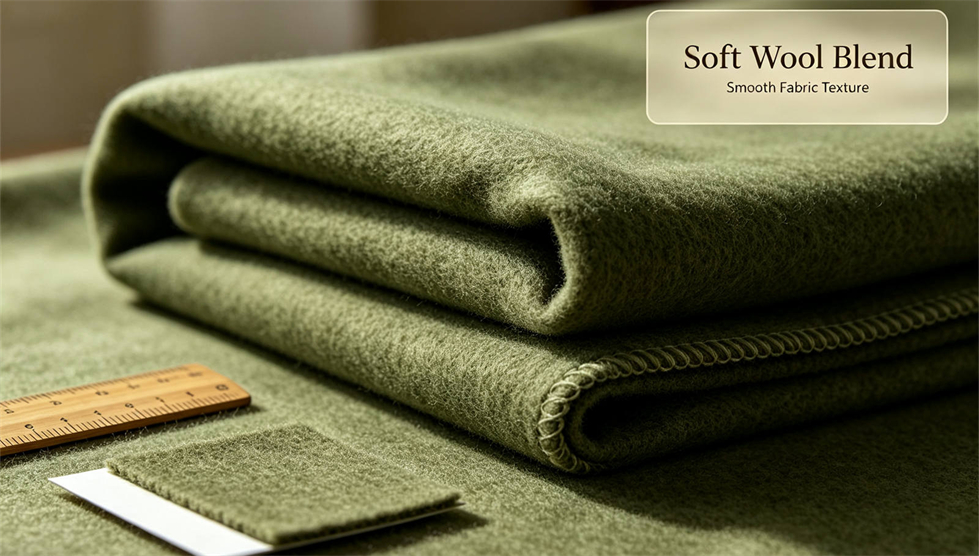
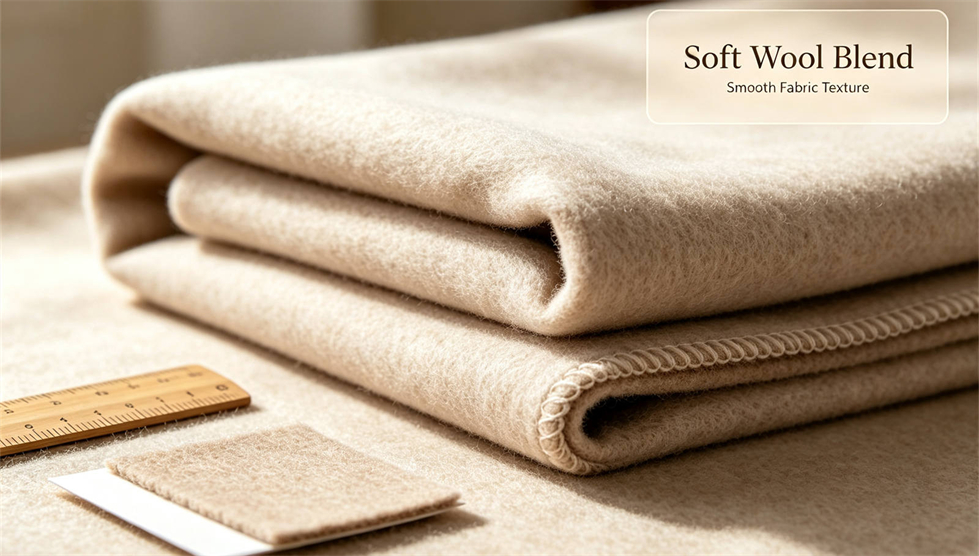
This institutional blanket procurement guide helps organized buyers pick the right blanket for each use, confirm sample details, and set up repeat orders without turning unconfirmed material, size, or delivery details into fixed promises.
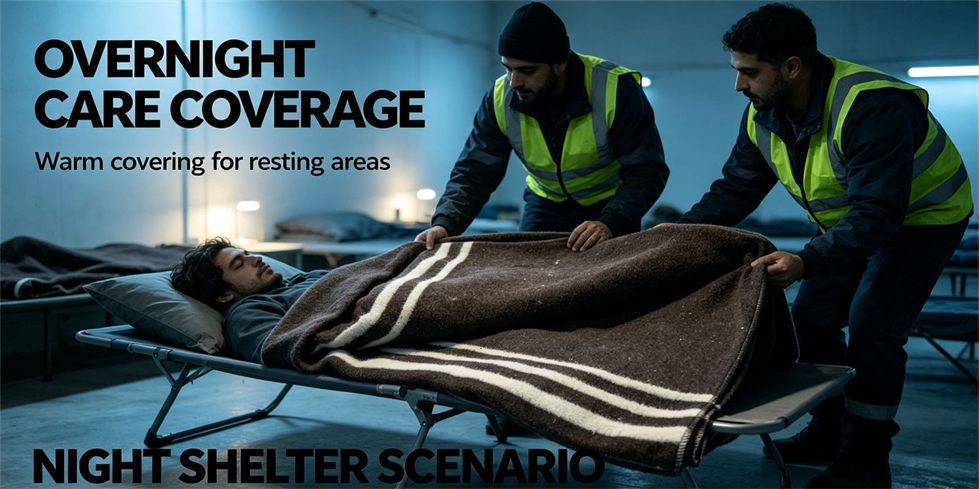
Send Your Requirements View Blanket Options
1 Match the blanket to where and how it will be used.
2 Confirm samples, colors, labels, packing and documents before ordering.
3 Keep reorders consistent by using the same approved spec every time.
1. First decide who uses them, where, and how often
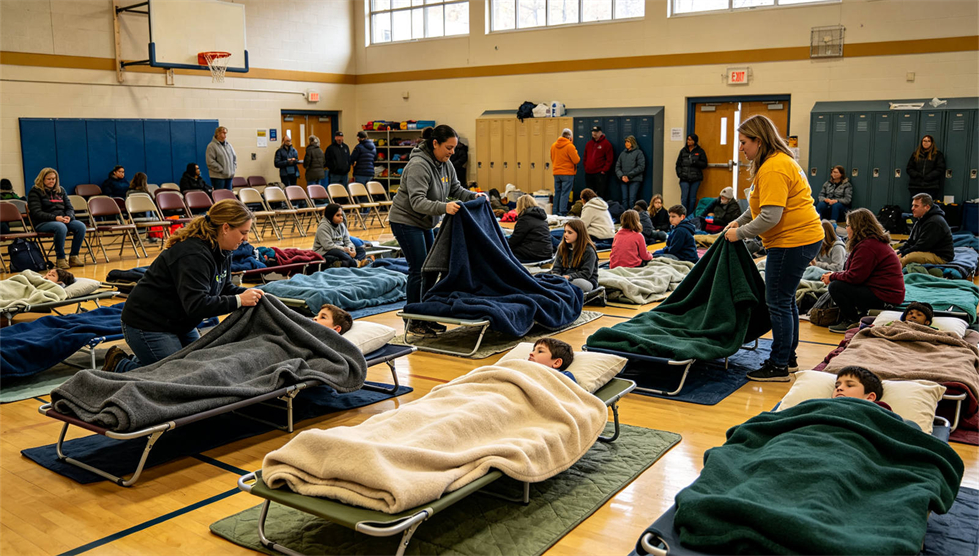
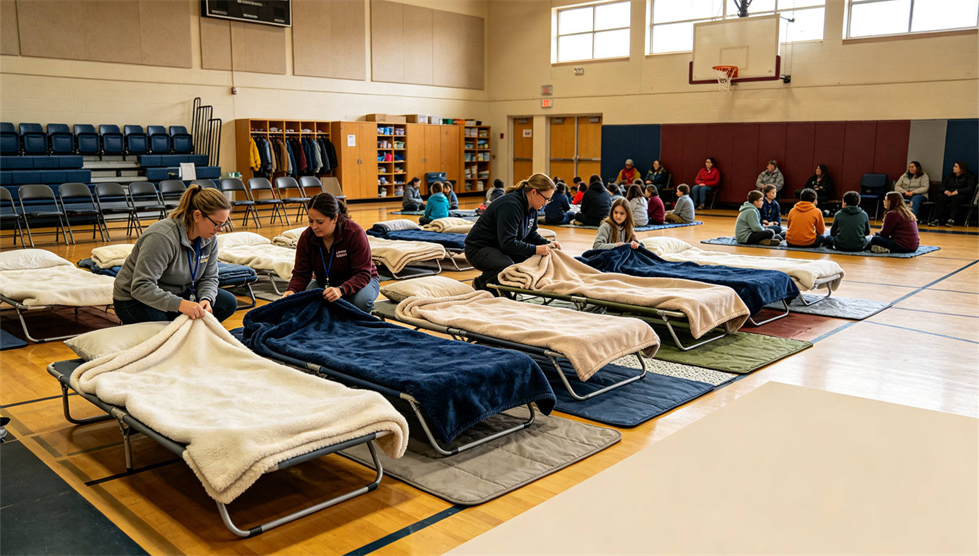
Institutional duty blankets are used again and again, not handed out once. Duty rooms use them daily, storerooms keep them as backup, and field teams keep them in vehicles. Each use has different needs.
Correctional facilities need tear-resistant fabric, no hard metal parts, and high-temperature wash. Hospitals and senior care need bleach-resistant, fluid-proof fabric. Fire stations need compact folding and oil-stain resistance. Staff dorms need anti-pilling and low shrinkage. Pick the spec after you know the scene.
2. Set up for easy reorders before the first batch arrives
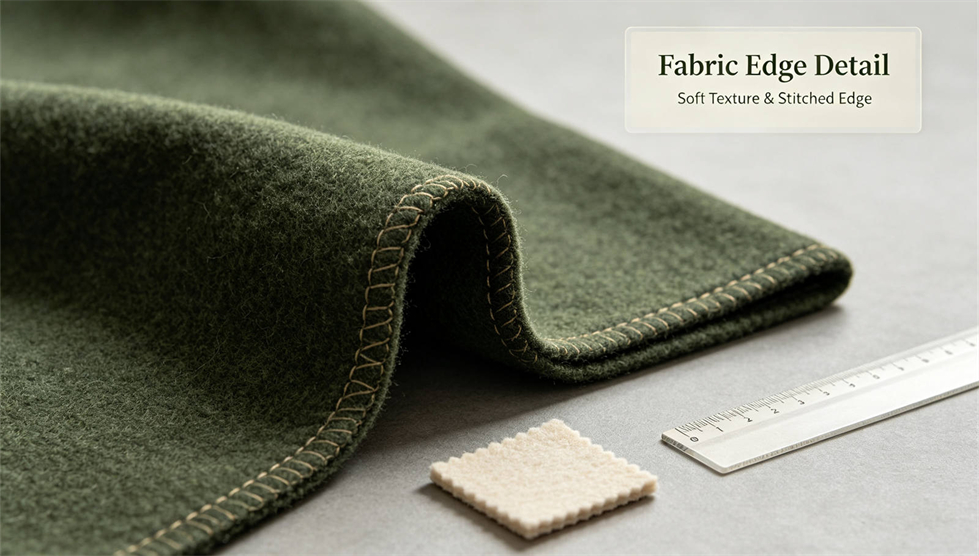
When you first order, seal a sample with exact color, size, feel, edge finish and packing. Future reorders match this sample, so every batch looks the same.
If you need asset ID numbers, tell us early. We sew woven labels at a fixed corner. They stay readable after 50+ industrial washes, so you can track blankets by department, floor or bed number and reduce loss.
3. Put these numbers in the contract, not just "good quality"
Do not buy from photos and feel alone. Weight, stitch count, wash cycles, shrinkage and color fastness are measurable numbers that should be written down.
Standard build is 8-10 stitches per inch with double-needle edges. 150x200cm fits standard single beds. Special needs (flame retardant, antibacterial, anti-static) can be made per project requirements, with corresponding third-party test reports available at buyer cost.
4. Agree on receiving checks and damage rules early
For duty rooms, check appearance, labels, count, edges and sample match on arrival. For reserve stock, record batch numbers for rotation. For frequently issued blankets, agree on how returns and damage are counted.
Bulk goods follow AQL2.5 inspection. Weight tolerance ±5% and size tolerance ±3cm are normal. Spare pieces come from the same batch for exact color match. Tell us special needs before production starts; changes after production cost extra.
For organized teams, blanket buying goes wrong when different departments use different names, different sample descriptions, different color expectations, and different receiving checks. One person may call it an emergency spare blanket, another a duty rest blanket, another a storage blanket, but everyone expects the same controlled result.
The practical starting point is emergency standby blanket sourcing: define where blankets will be stored, how often they will be issued, whether appearance must stay consistent, and which documents must be checked before production.
Any project-specific material, size, weight, carton data, documents, quantity or schedule should be confirmed in writing before it goes into a quote or order. Special performance such as flame retardant, antibacterial or anti-static treatment is made per buyer spec, with test reports available upon request at buyer cost.
Mobile users: swipe table left/right to view full content
| Setting | Blanket role | What to confirm |
|---|---|---|
| Duty rest areas | A repeat-use blanket for staff rest rooms, standby rooms, or waiting areas. | Color, edge finish, label format, folding method, sample approval, visual tolerance, wash durability, color fastness, pilling resistance, and fabric for your wash frequency. |
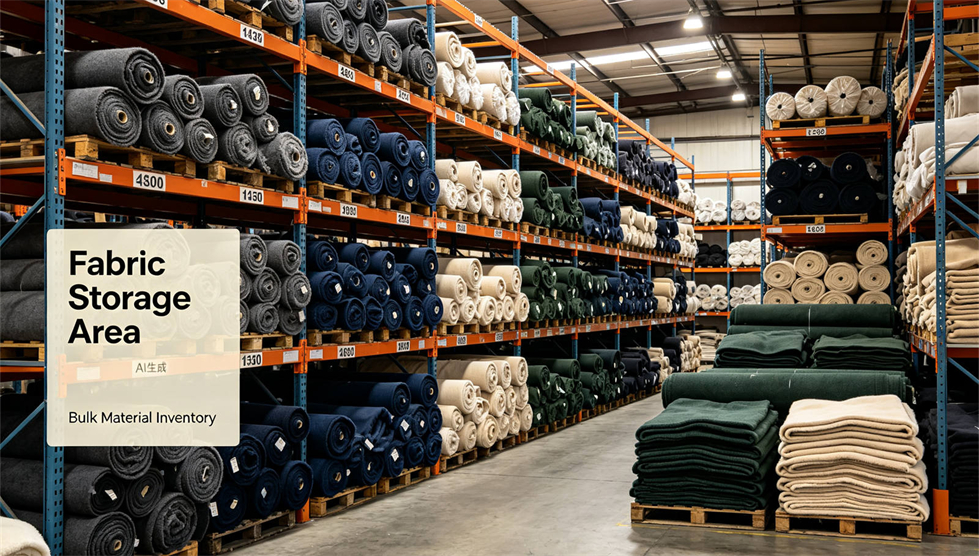
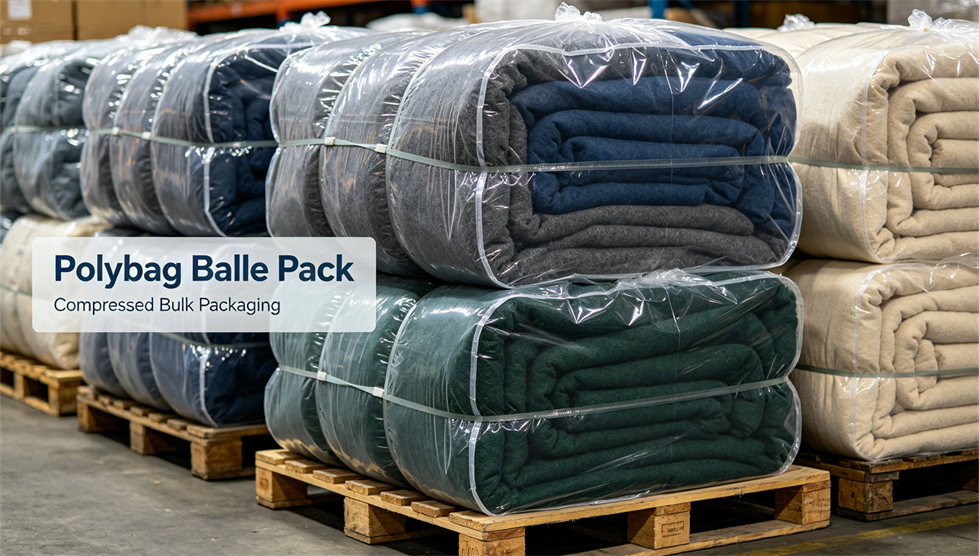
| Organized storage | An institutional stockpile blanket for controlled issue and reorder. | Individual packing, carton marks, packing list per carton, batch codes, receiving checklist, reorder item name, department-specific carton splits, asset ID tags, and documents. |
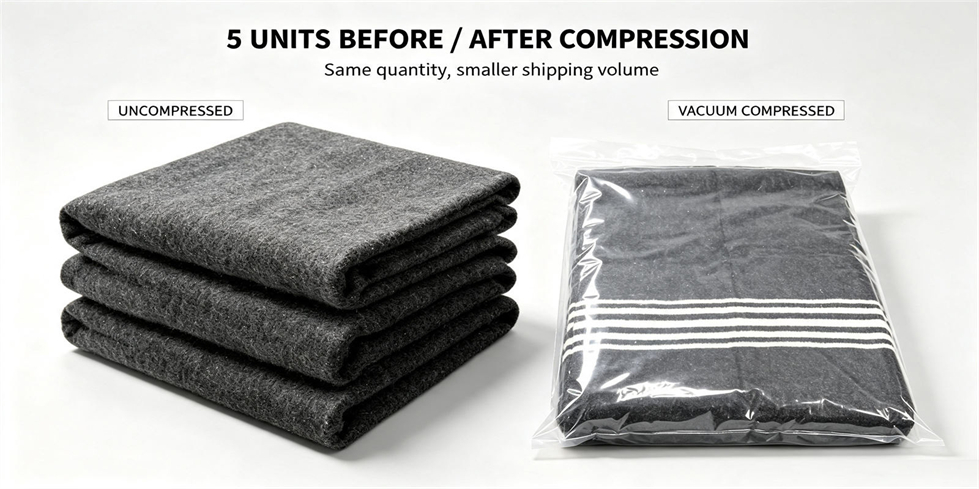
| Field support crossover | A blanket for teams that move between duty rooms, vehicles, warehouses and temporary camps. | Folded size target, handling method, project environment, tear and abrasion resistance, anti-static if needed, oil-stain cleanability, and whether a more rugged field option is required. |

For duty rest blanket procurement, start with the institutional duty blanket page. It is the closest match when you need controlled appearance, consistent item names, sample confirmation, and clear receiving terms.
Confirm material, size, weight, edge finish, label position, packing and any project documents before quote. Custom woven labels or printed asset numbers can be added for long-term inventory management. Polyester-cotton blends offer a good balance of durability, softness and wash retention for general duty use; 100% polyester is preferred for high-turnover correctional or storage settings for tear resistance and fast drying.
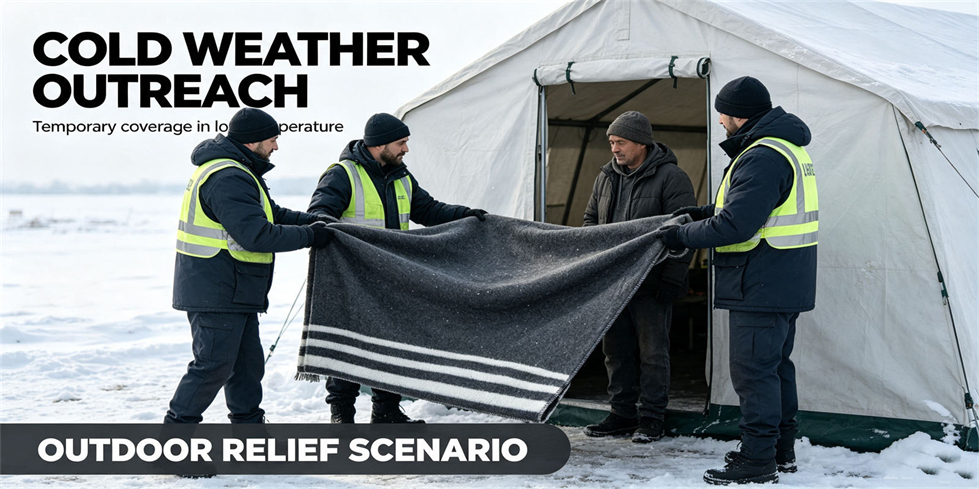
When the same order may also serve outdoor support, vehicle kits or temporary camp rooms, compare the field logistics cold-weather blanket as a backup option.
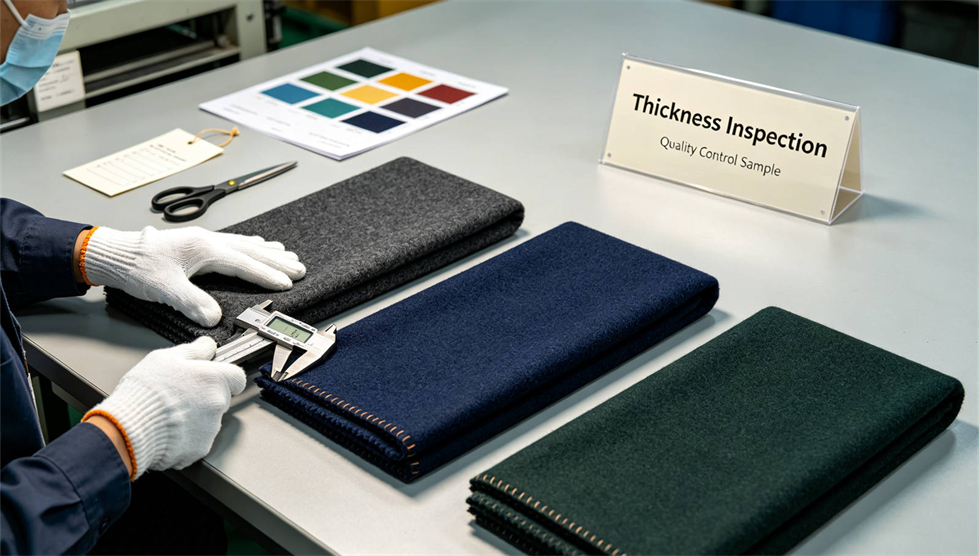
Choose this only after the final use setting is clear, because not every institutional order needs the same handling or packing. For correctional orders, confirm tear-resistant build, restricted dark colors, no hard trims and high-temp wash at this stage. For healthcare sites, confirm antibacterial finish and fluid resistance needs.
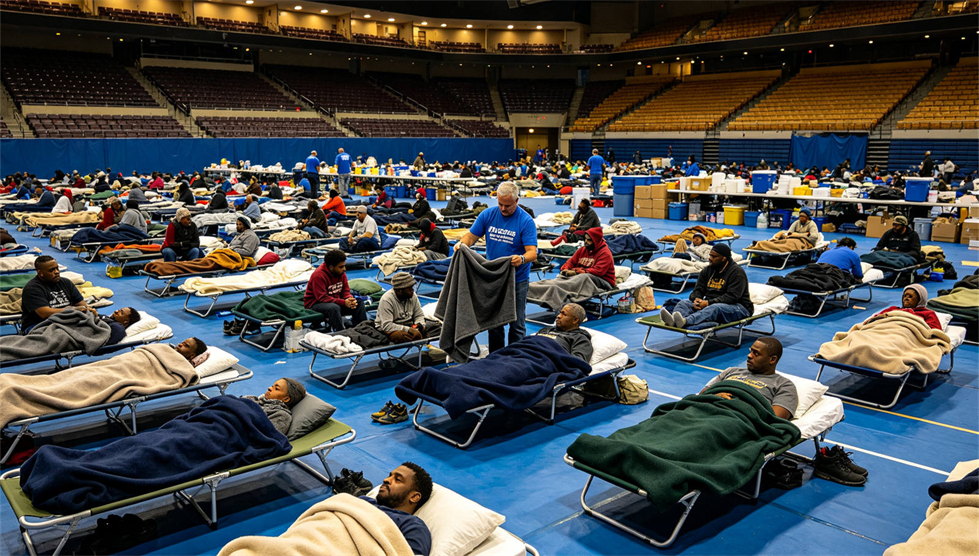
These are standard industry specs for institutional duty blankets. Higher specs can be customized per project requirements:
Mobile users: swipe table left/right to view full content
| Item | Why it matters | What to prepare |
|---|---|---|
| Specification | An institutional blanket specification checklist keeps sample name, quote name and receiving name from drifting apart. | Material wording, size, weight or GSM, color, edge finish, approved sample reference, fixed color code for reorders, wash durability, disinfection needs, and special standards for healthcare/correctional/high-turnover settings. |
| Packing and labels | Blanket packing and labeling for institutional supply affects warehouse receiving, issue records and reordering. | Individual packing, carton mark fields, packing lists per carton, batch codes, label text, label position, barcodes or item codes, department-specific carton splits, and asset tag needs. |
| Documents | Some projects need extra files before purchase approval. These should be requested and reviewed before quote. | Required project documents, inspection standard (AQL level), sample sign-off format, buyer approval steps, and any test reports required by local rules. |
| Reorder control | Organized blanket stockpile planning works better when you can repeat the same approved item later. | Final item name, sealed production sample reference, fixed color code, packing version, label version, same-batch spare policy, replacement rules, and annual framework pricing if applicable. |
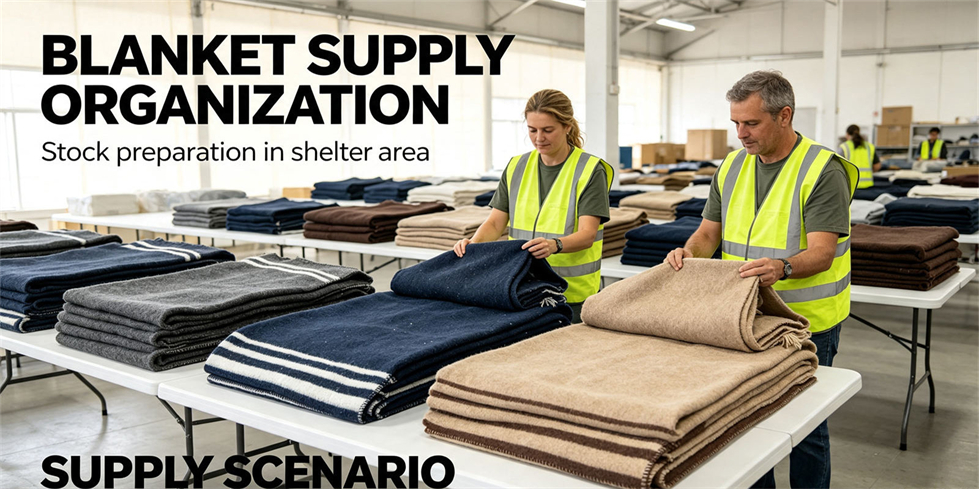

Send your requirements as one package instead of separate messages: intended use, quantity range, preferred color, sample needs, packing preference, label text, receiving requirements, and any document request. This keeps institutional blanket procurement focused on comparable specs, not vague product names.
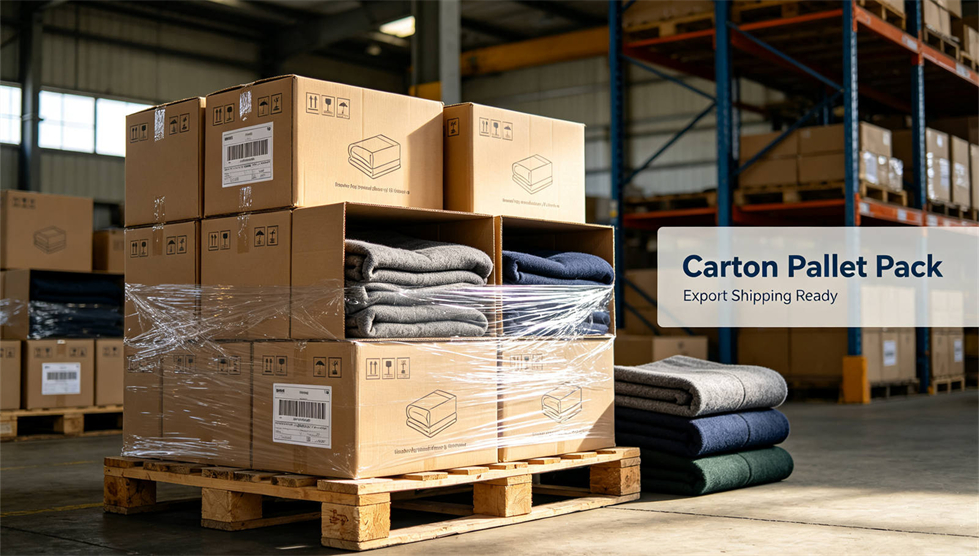
If the project needs a wider product review, return to emergency relief blankets and choose between relief reserve, field logistics, institutional duty and raschel blanket options before asking for a quote.
Correctional facility buyers that need dedicated color, issue, replacement, packing and reorder controls can use the correctional facility blanket procurement process, with tear-resistant weaving, no hard metal fasteners, high-temperature wash and site-specific flame retardant standards.
For full facility fit-out, these items are often ordered together with matching quality and delivery:
Start with the institutional duty blanket when the main need is standby bedding, duty rest use, visual consistency and repeatable ordering. Add the field logistics option only when blankets may also serve outdoor or camp-style use.
Not automatically. Duty rooms, storage and field support may need different packing or receiving checks. Healthcare, correctional, dormitory and duty post settings also have unique durability, safety or disinfection needs. Confirm the final use setting before choosing one spec.
Send intended use, target quantity range, sample request, color preference, individual packing preference, carton mark needs, label text, asset ID requirements, special performance needs, and any required project documents.
Yes. Early label and carton mark review avoids receiving confusion and makes reorders easier to match with the approved sample. Department-specific carton labels and batch codes reduce warehouse sorting and counting time for multi-site orders.
Special marks should be reviewed before quote. Confirm exact text, position, right-to-use requirements, and whether the mark goes on the blanket, individual pack, carton or documents. Permanent woven or printed asset numbers are available for inventory tracking, designed to stay readable through repeated industrial washing at an agreed fixed position.
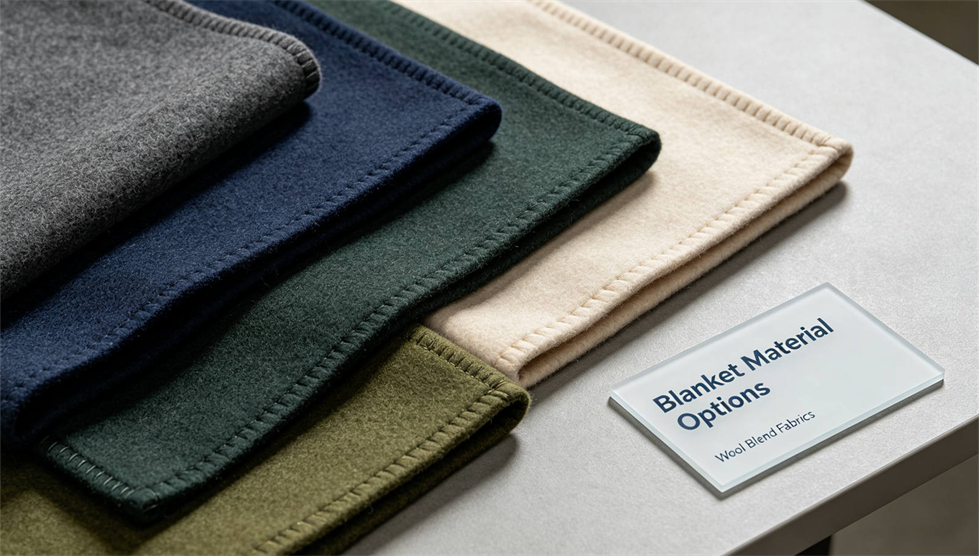
Approve the sample together with item name, color, edge finish, label position, packing method and document wording. For reorders, both sides keep sealed approved samples as the color and quality standard to avoid batch differences. This keeps the purchase file and receiving checks consistent.
Avoid vague product names and unproven performance claims. Ask suppliers to confirm actual spec, packing, document scope and schedule before comparing offers.
Standard poly-cotton institutional blankets are rated for 50+ commercial wash cycles under normal conditions. Heavy-duty 100% polyester options for correctional or high-turnover settings can exceed 100 cycles, with reinforced stitching and bleach-resistant fabrics available per project need.
Bleach-resistant, sanitizable and antibacterial fabric options are available for hospital and senior care settings, designed to survive regular chlorine disinfection without rapid fading or fabric breakdown. Fluid-proof options that fit standard hospital beds are also available. Confirm this need at RFQ stage for matching spec and test reports.
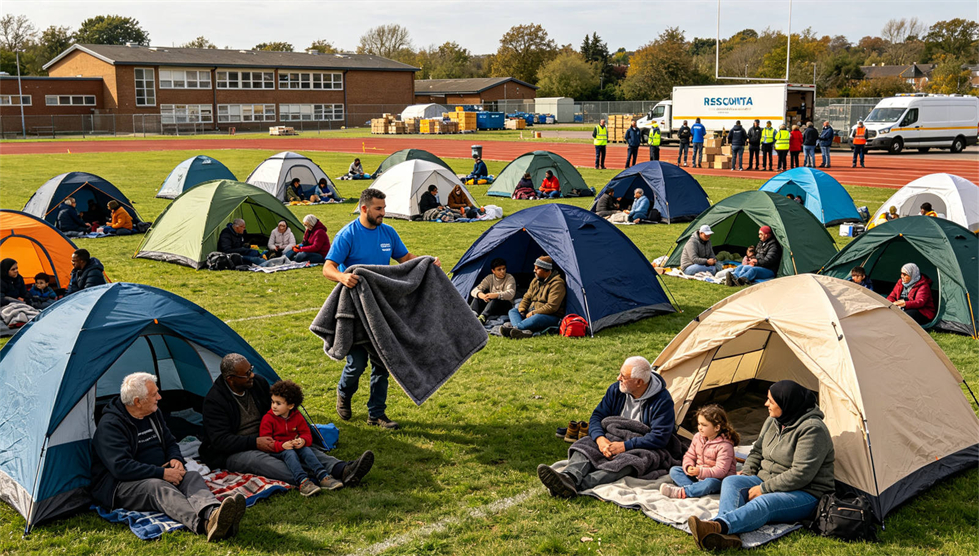
Approved color samples are sealed and kept by both buyer and supplier for all institutional accounts, with a fixed internal color code assigned. All repeat production is matched to the sealed standard to minimize visual difference between batches, keeping appearance uniform across duty rooms and facilities.
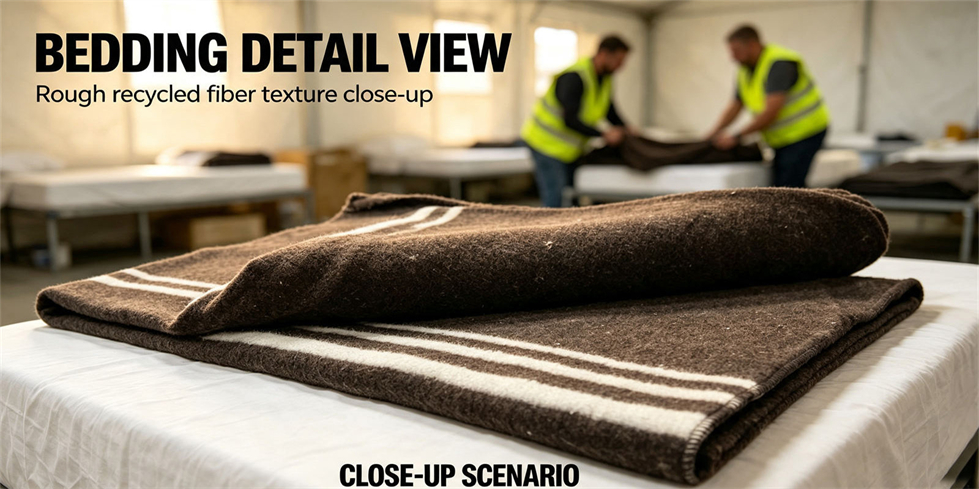
Polyester-cotton blends (typically 80/20 or 65/35) offer a good balance of softness, durability, wash retention and value for general staff duty rooms. 100% polyester is recommended for high-turnover, storage or correctional settings for tear resistance and fast drying. 100% cotton is available for sites prioritizing softness, but needs more careful washing to avoid shrinkage and hardening.
Yes. Small trial orders of 50-100 units are supported for first-time cooperation, allowing 2-3 months of on-site use and washing tests before larger annual orders. Trial units follow the same spec as future bulk orders for accurate testing.
For scheduled annual institutional purchases, framework agreements can lock fixed pricing, color standards and reserved production capacity for scheduled deliveries across the contract period, with flexible lead times for call-off orders.
Yes. Correctional-grade blankets use no metal zippers, snaps or hard trims. Labels are sewn in with thread only, and all edges are double-stitched with no loose threads over 0.5cm. Dark colors and tear-resistant weave are standard for this setting.
Use the emergency relief blankets range to compare broad blanket families, then apply the institutional RFQ fields to the selected option. For full facility fit-out, matching bedding linens and waterproof mattress protection can be coordinated as one consolidated order.
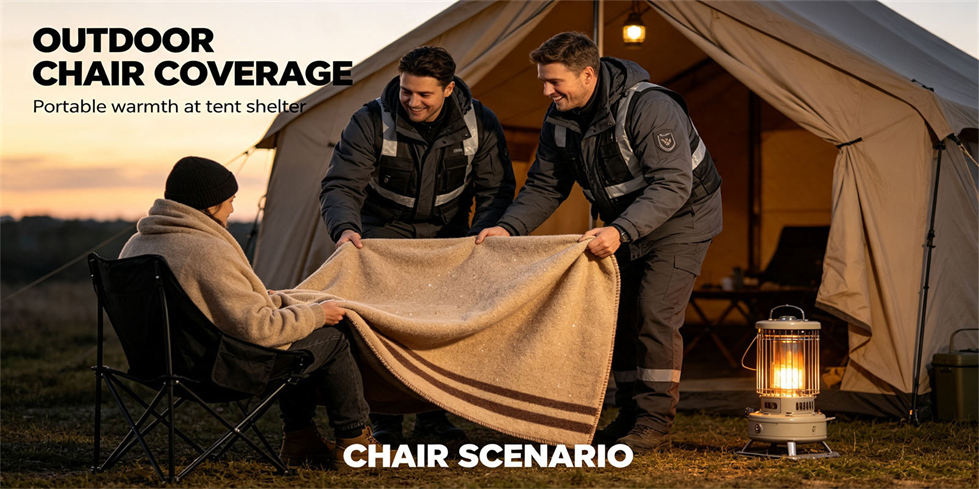
For a clearer quote, share the use setting, quantity range, preferred color, sample request, packing preference, label or carton mark needs, required documents, special performance requirements and target delivery window. Final spec should be confirmed before quote and production.
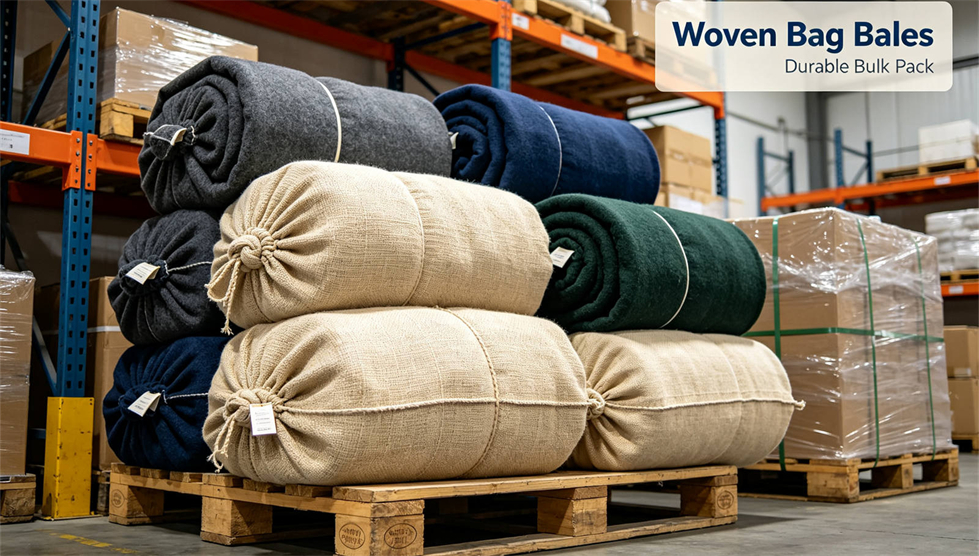
Continue with the blanket overview, matched product detail, and related procurement article.
Continue to the blanket overview and guides directly related to this procurement task.
YRF | 20 Years Emergency Relief Manufacturer
Дружественные ссылки :
авторское право © Custom Disaster - Relief Bedding: Tents, Sleeping Bags, Blankets Все права защищены
профессиональная команда для обслуживания !