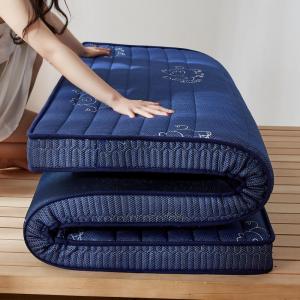
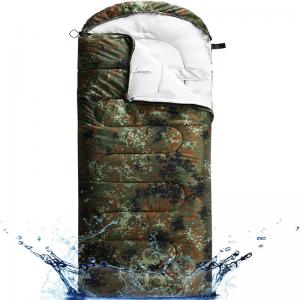
Emergency blankets are the most issued item in any disaster response. The right blanket depends on climate, distribution method and duration of use. This guide compares 4 blanket types — polyester fleece, Raschel, wool blend and recycled rPET — with real weights, warmth ratings and selection advice for bulk procurement.
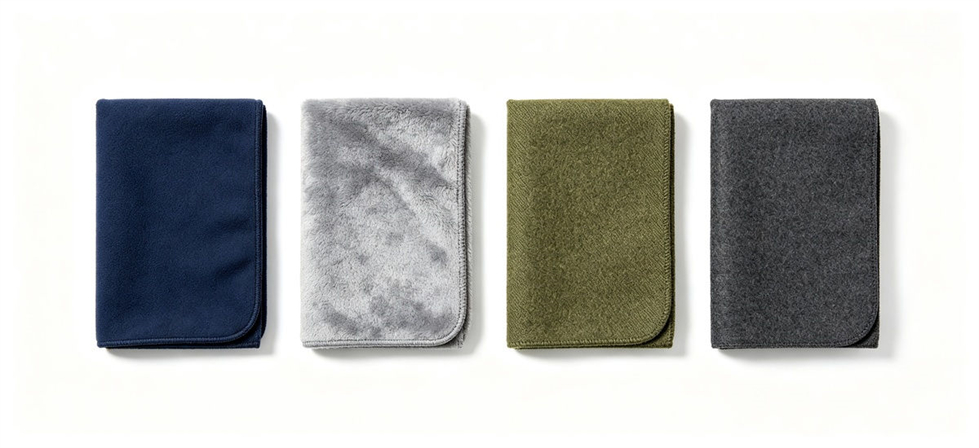
The most common relief blanket. Lightweight, fast-drying and low cost. Suitable for direct distribution and mild to cool climates.
View polyester fleece blanket category
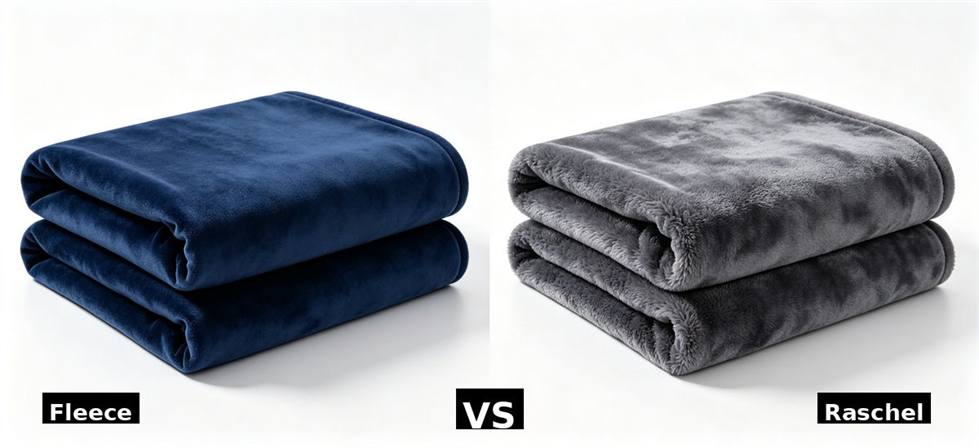
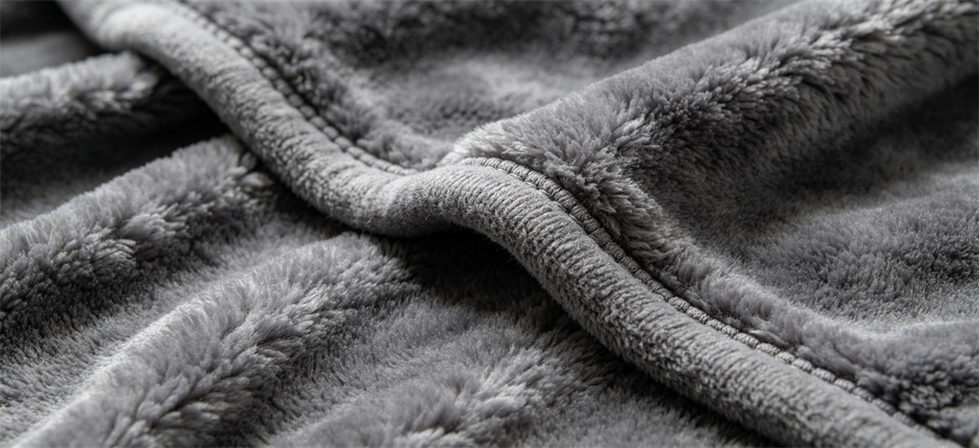
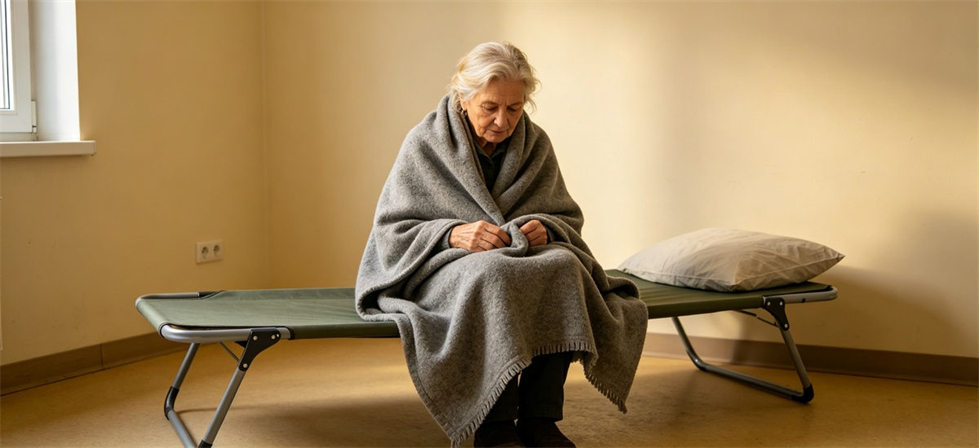
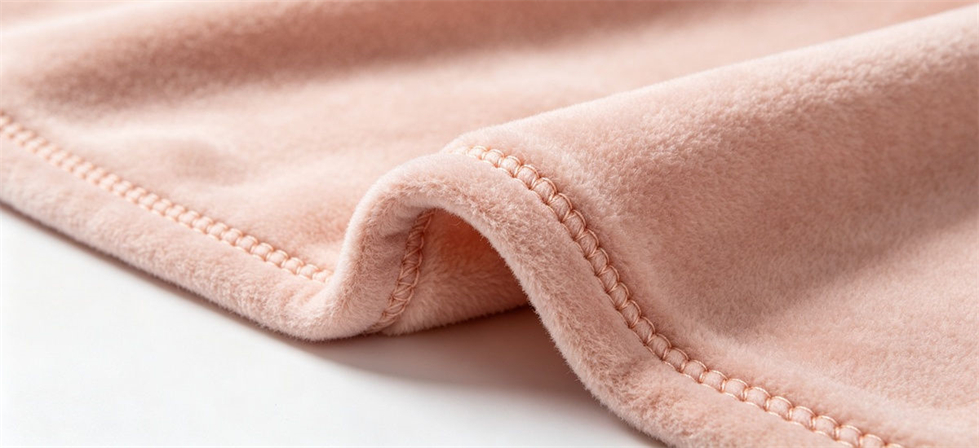
A thicker, plush blanket with a fuller pile surface. Warmer than fleece at the same GSM and more durable for repeated use in shelters.
✅ For bulk procurement of emergency frame tents, visit wholesale tent Emergency Frame Tents for Bulk Procurement to compare tent specifications, structural configurations, and deployment needs.
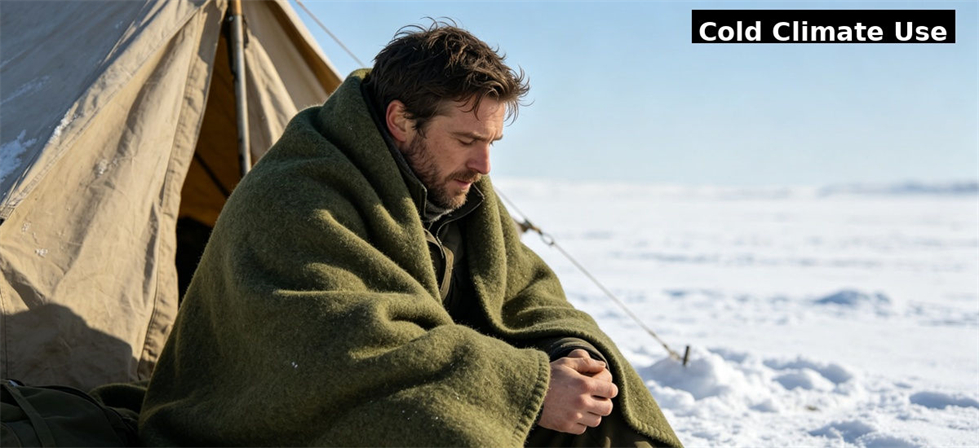
The warmest option for cold and damp conditions. Wool retains insulating properties even when damp. Higher cost but longest service life.
View wool blend blanket category
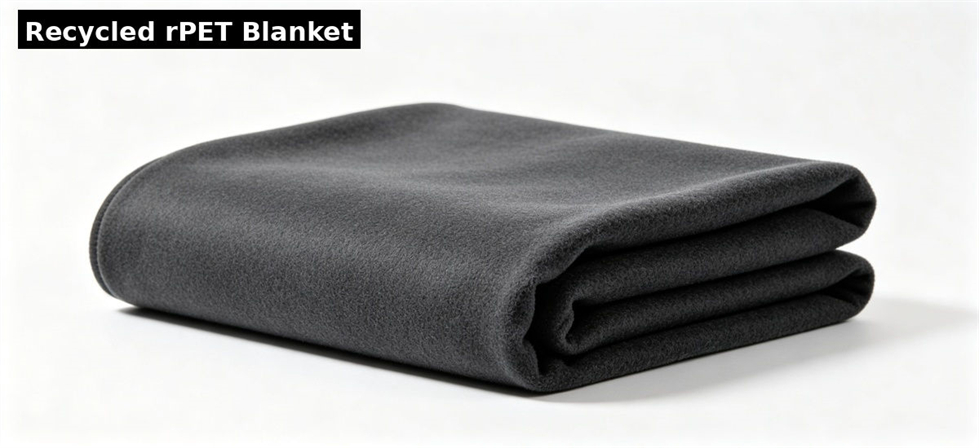
Made from recycled plastic bottles (rPET). Same performance as virgin polyester but with environmental benefits for eco-focused procurement.
Blankets are often procured alongside these categories:
View recycled rPET blanket category
|
Blanket Type |
GSM Range |
Warmth Level |
Weight (150×200cm) |
Durability |
Washability |
Best Climate |
|
Polyester fleece |
180-300 |
Low-Medium |
540-900g |
Good |
Machine wash |
Mild / cool |
|
Raschel |
250-400 |
Medium-High |
900-1500g |
Excellent |
Machine wash |
Cool / cold |
|
Wool blend (20-50%) |
220-450 |
High-Very high |
660-1500g |
Excellent |
Hand wash / gentle |
Cold / damp |
|
Recycled rPET |
200-300 |
Low-Medium |
600-900g |
Good |
Machine wash |
Mild / cool |
✅ For projects sourcing sleeping bags in volume, explore bulk sleeping bags Emergency Sleeping Bag Selection for Bulk Procurement to compare insulation levels, constructions, and field-use options.
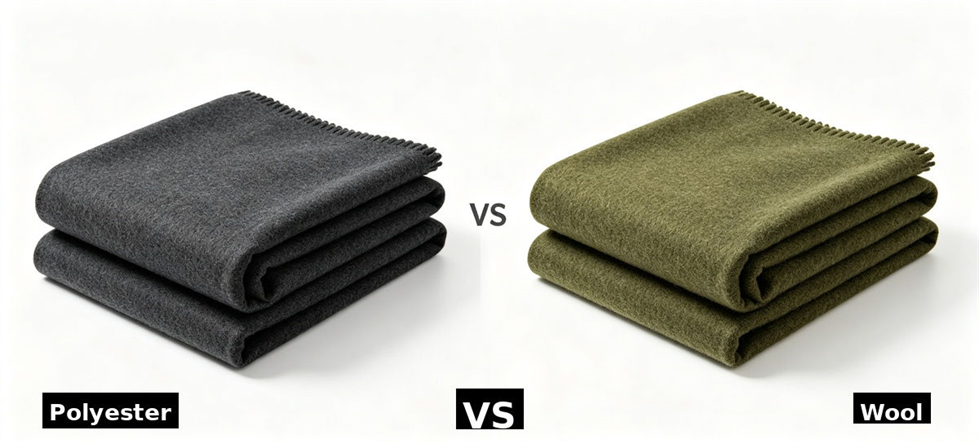
Key point: GSM alone does not determine warmth. A 280 GSM Raschel feels warmer than a 280 GSM fleece because the plush pile traps more air. Wool blend at 220 GSM can outperform 300 GSM fleece in damp conditions because wool retains insulation when wet. Always compare material + GSM + construction together.
|
Temperature Range |
Recommended GSM |
Blanket Type |
Notes |
|
Above 25°C (tropical) |
150-180 GSM |
Light fleece |
Coverage only, minimal warmth needed |
|
20-25°C (warm) |
180-200 GSM |
Fleece or rPET |
Light coverage for cool nights |
|
10-20°C (mild) |
200-280 GSM |
Fleece or light Raschel |
Standard relief blanket weight |
|
0-10°C (cool) |
280-350 GSM |
Raschel or light wool blend |
Need substantial insulation |
|
Below 0°C (cold) |
350-450 GSM |
Heavy Raschel or wool blend |
Pair with sleeping bag for extreme cold |
|
Below -10°C (extreme) |
450+ GSM + sleeping bag |
Wool blend only |
Blanket is supplementary, not primary insulation |
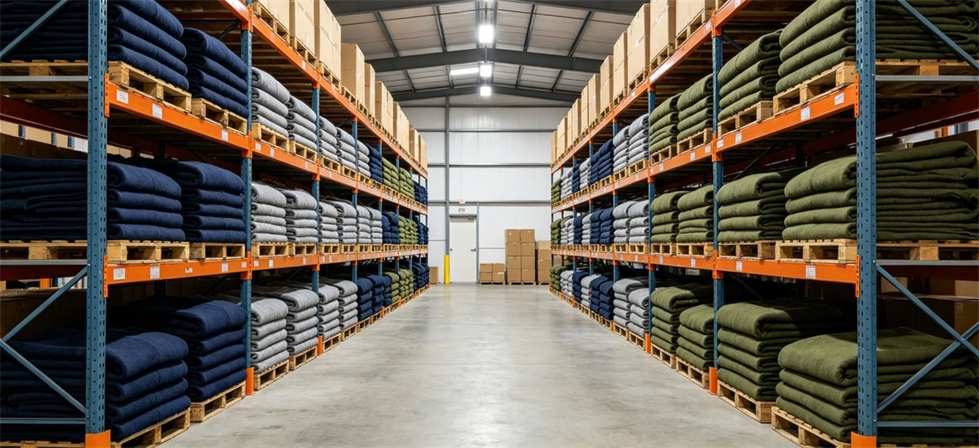
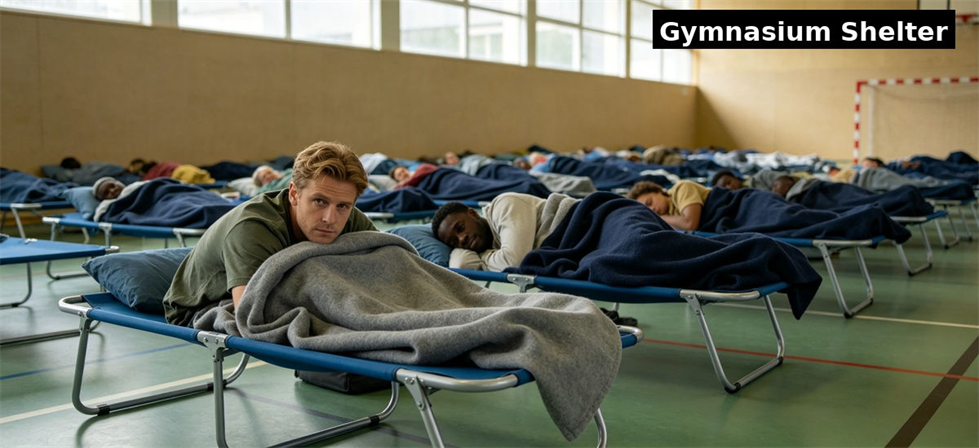
Example configuration for a 1000-person refugee camp in a mild climate (10-20°C nighttime):
✅ For temporary-accommodation projects requiring portable beds, visit camp beds wholesale Emergency Folding Beds for Temporary Accommodation Procurement to review bulk procurement, transport, and rapid-deployment options for folding beds.
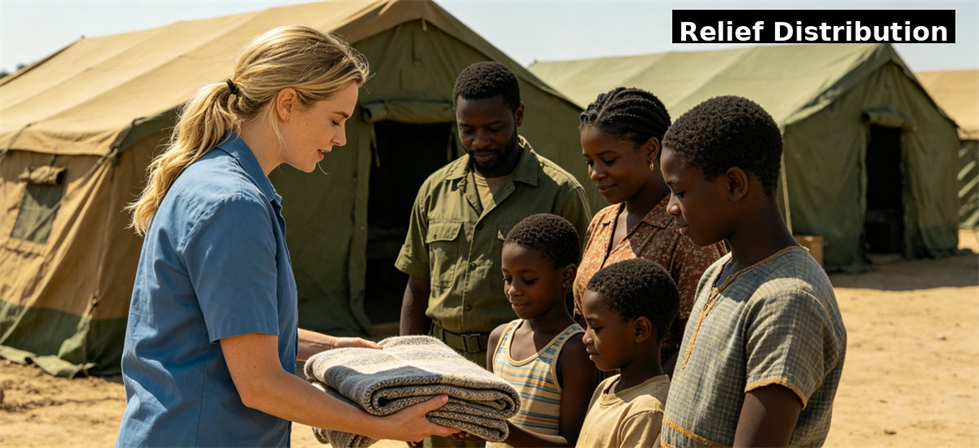
Weight calculation: 250 GSM × 1.5m × 2.0m = 750g per piece. 1100 pieces × 0.75kg = 825kg. Always add 5-10% for packaging weight when calculating freight.
We can help arrange third-party test reports based on your project requirements. Common standards for relief blankets include:
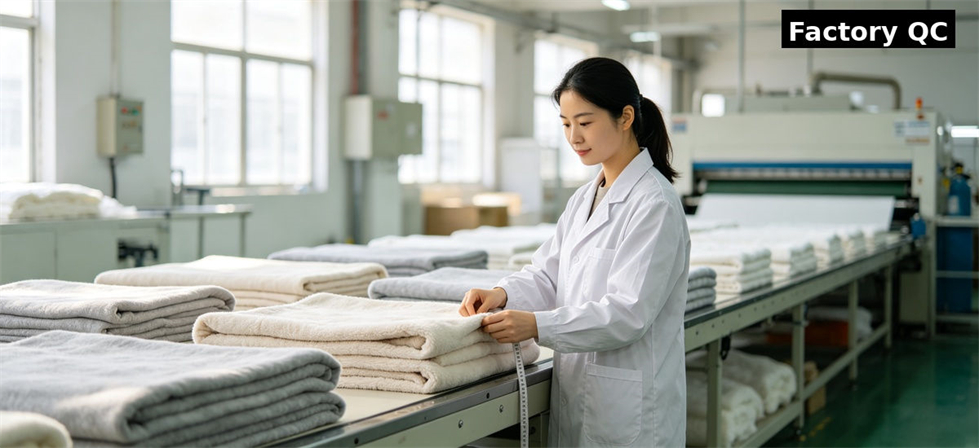
Testing scope, sampling method, laboratory and report format are confirmed per project. Contact us with your destination market and required standards for a testing plan.
For moderate climates (10-20°C nighttime), 200-250 GSM polyester fleece is standard. For cold climates (below 10°C), choose 300+ GSM Raschel or wool blend. For tropical shelters (above 25°C), 150-180 GSM is sufficient. Always consider nighttime lows, not daytime averages.
Fleece is a brushed knit fabric with a flat, smooth surface. Raschel has a thicker, plush pile surface that traps more air and feels warmer at the same GSM. Raschel is heavier and more durable but costs more. Fleece is lighter, faster-drying and better for rapid distribution.
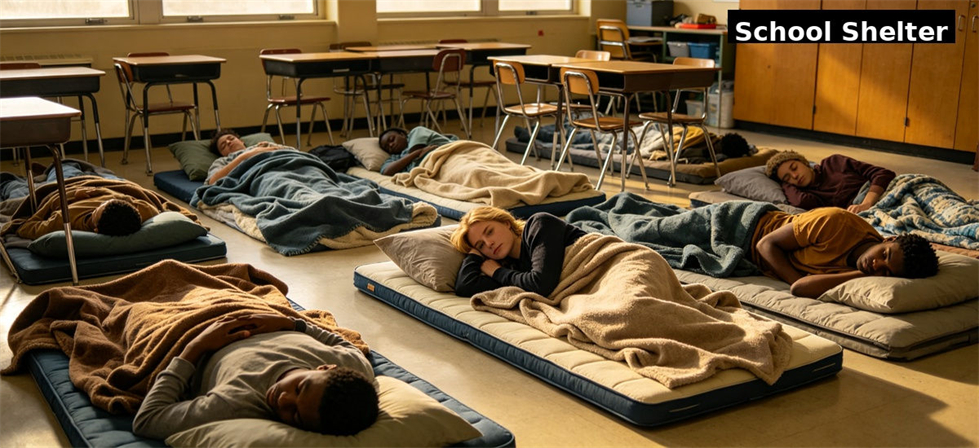
Yes, in damp and cold conditions. Wool retains insulating properties even when wet, while polyester loses warmth when damp. Wool is also naturally flame retardant and more durable. However, wool costs 2-3 times more, is heavier, and requires more careful washing. For dry cold climates, heavy Raschel (350+ GSM) offers good performance at lower cost.
Standard is 1 blanket per person. Add 10% spare for loss, damage and late arrivals. For cold climate operations, add 15-20% spare. For long-term shelters with washing rotation, add 20-30% to ensure clean blankets are always available while soiled ones are being washed.
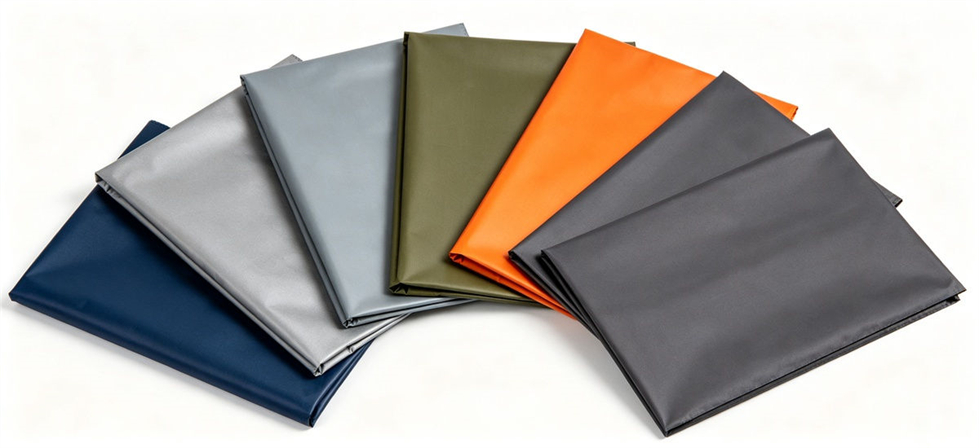
Yes. Standard colors are navy, grey, olive green and orange. Custom colors are available for orders above minimum quantities. Woven labels, printed care labels and carton printing can include your organization logo, project code or donor branding. Provide artwork in AI or PDF format.
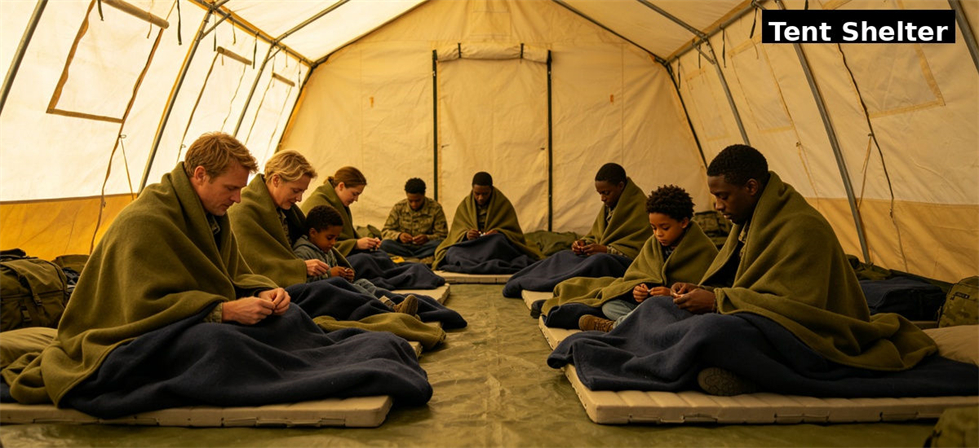
How do I verify the GSM of a delivered blanket?
GSM is grams per square meter. To verify: weigh a clean, dry blanket in grams, then divide by the area in square meters (length × width). For example, a 150×200cm blanket = 3.0 m². If it weighs 900g, GSM = 900 ÷ 3.0 = 300 GSM. Measure 3-5 pieces per carton for an accurate average.
Standard colors and sizes: 7-15 working days. Custom colors, labels or special packaging: 15-25 working days. Wool blend or recycled rPET with certification: 25-40 working days. Final lead time is confirmed in the contract after specification and sample approval.
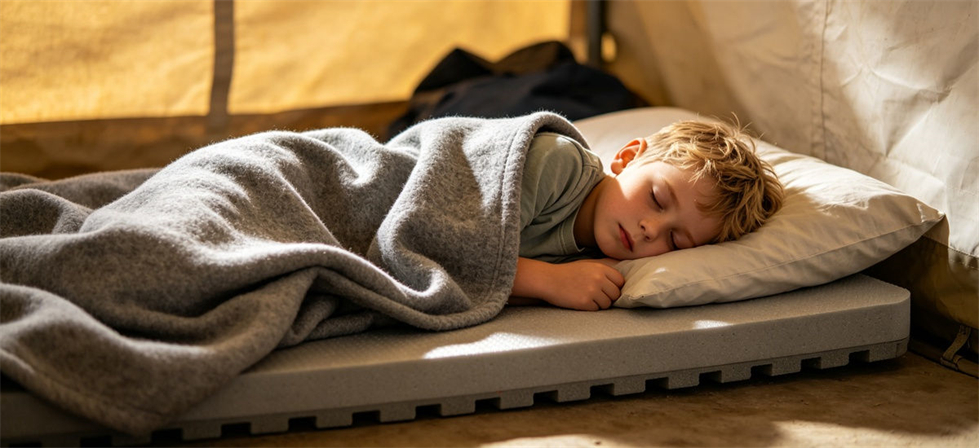
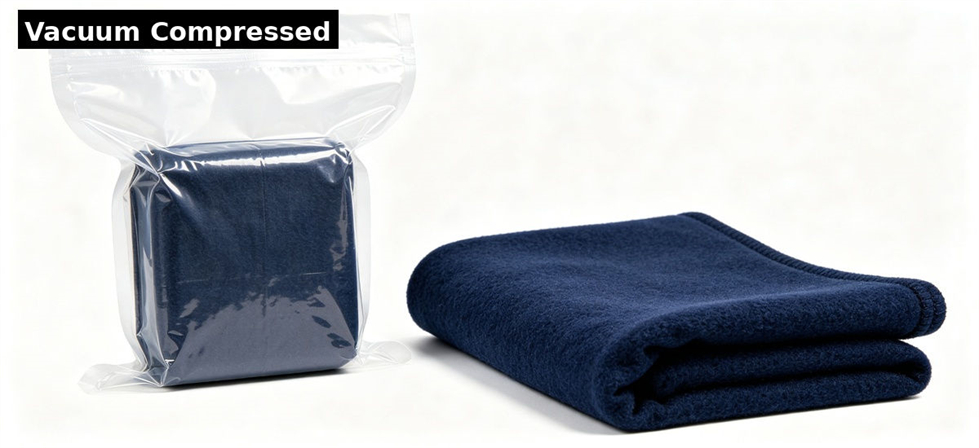
Yes. Polyester fleece and rPET blankets compress well — vacuum compression reduces volume by 50-60%. Raschel compresses by 40-50%. Wool blends should not be vacuum-compressed for long periods (over 3 months) as the fibres may not fully recover. Always confirm compression method before shipping.
Yes. rPET (recycled PET) has the same thermal properties as virgin polyester because the fibre chemistry is identical. The difference is environmental — each blanket recycles 15-20 plastic bottles. rPET blankets can be certified to GRS (Global Recycled Standard) for procurement programs that require sustainability documentation.
Open 5-10% of cartons per SKU. Check: dimensions (measure 3 pieces), weight (weigh 5 pieces and calculate GSM), material (feel and compare to approved sample), stitching (pull seams firmly), color (compare to color standard), and labeling (verify all required information). Record discrepancies and notify supplier before distribution.
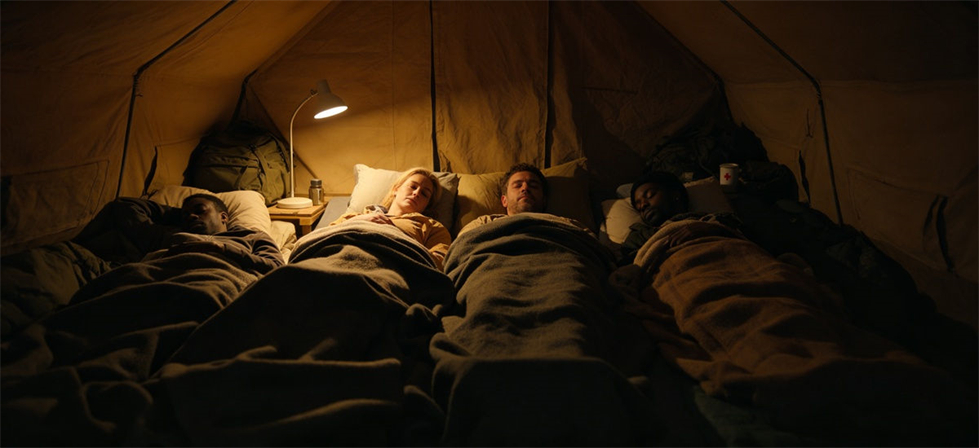
For children over 2 years: standard fleece or Raschel in smaller sizes (130×180cm). For infants under 1 year: use thin cellular blankets (100-150 GSM) or sleeping bags designed for infants — avoid thick blankets that pose overheating or suffocation risk. Always check local childcare regulations for infant bedding standards.
Yes. Many operations order fleece for initial distribution and wool blend for long-term shelter use. Each type should be on a separate order line with its own specification, quantity and packing. Do not mix types in one carton unless the receiving team can re-sort at the destination.

GSM (grams per square meter) is a fabric density measurement that does not change with blanket size. Piece weight is the total weight of one finished blanket and changes with size. A 300 GSM blanket in 150×200cm weighs 900g; the same 300 GSM in 180×220cm weighs 1188g. Both are valid 300 GSM blankets but are different SKUs with different prices and shipping weights.
Blankets are open coverage — versatile, easy to share, and work in warm to cool conditions. Sleeping bags are enclosed systems — better for cold, drafty spaces and individual sleep. For temperatures below 5°C, use both: sleeping bag as primary insulation, blanket as additional layer. For above 10°C indoor shelters, blankets alone are usually sufficient.
What flame retardant standards apply to relief blankets?
For US government orders: CFR 1633. For EU orders: EN ISO 12952. For China domestic: GB 20286. Wool blends have natural flame resistance and may pass without chemical treatment. Polyester blankets require flame-retardant treatment to meet these standards. Specify the standard in your order — treatment is an add-on process, not standard on all items.
Polyester fleece: 6-12 months in daily shelter use. Raschel: 12-24 months with regular washing. Wool blend: 3-5 years or more with proper care. Lifespan depends on washing frequency, user care and initial quality. Plan replacement budgets based on these estimates, especially for long-term refugee camp operations.
Emergency blankets are designed for body coverage, not ground insulation. Placing a blanket directly on cold concrete or ground will reduce its effective warmth by 30-50% because cold transfers through the compressed fibres. For ground insulation, use a foam mattress, inflatable mat or reflective emergency blanket (aluminum foil type) underneath.
Send: blanket type (fleece/Raschel/wool/rPET), GSM, dimensions, quantity, color, destination country, required certifications, labeling requirements, packing preferences, and target delivery date. The more detail you provide, the more accurate the quote and the fewer surprises during production.
✅ Sourcing bedding for refugee camps, emergency shelters or disaster‑hit temporary settlements? The Polyester Flannel Relief Blanket for Lightweight Shelter Supply is a warm, space‑saving polyester flannel relief blankets for bulk supply built as reliable lightweight shelter supply for humanitarian relief operations. As an experienced supplier for relief tenders, we provide qualified bulk blankets for disaster shelter and emergency relief blankets in bulk, complying with common standards for relief blankets wholesale. Key specs including blanket GSM are available for your pre‑shipment verification. Click for full product details.
Standard single size is 150×200cm, which fits users up to 185cm. For taller users (above 185cm), order 180×220cm or 200×240cm. For institutional or military use where users may be taller, we recommend ordering 10-15% of stock in the larger size. Child size 130×180cm is available for pediatric shelters.
Store in a cool, dry, well-ventilated area (temperature 10-25°C, humidity below 60%). Keep blankets off the floor on pallets or shelves. Rotate stock every 3-5 years — use the oldest first. Inspect annually for moisture, mould and insect damage. Wool blends can be stored longer (10+ years) if kept dry and clean. Vacuum-sealed packaging extends storage life but should be checked for seal integrity.
Send us your climate, use case, quantity and preferred blanket type. We will recommend the right GSM and configuration, confirm specifications and provide a project quotation.
Download CatalogFull blanket product range with samples |
|
 |

|
YRF Textile · Emergency Relief Blankets Guide · Tel/WhatsApp: +86 13702995607 · Email: info@yrftextile.com · China
Дружественные ссылки :
авторское право © Custom Disaster - Relief Bedding: Tents, Sleeping Bags, Blankets Все права защищены
профессиональная команда для обслуживания !