×
введите ключевое слово
Категории
новые продукты
Emergency Sleeping Bags for Bulk Procurement: Envelope, Hooded and Double Types

Emergency Sleeping Bags for Bulk Procurement: Envelope, Hooded and Double Types


Emergency sleeping bags are one of the highest-volume items in any relief operation. The right bag depends on where people will sleep, how cold it gets at night, and whether the bag needs to work indoors or outdoors. This guide compares three main construction types — envelope, hooded mummy and wide/double — with real specifications, temperature ratings, size guidance and packing estimates for bulk orders.
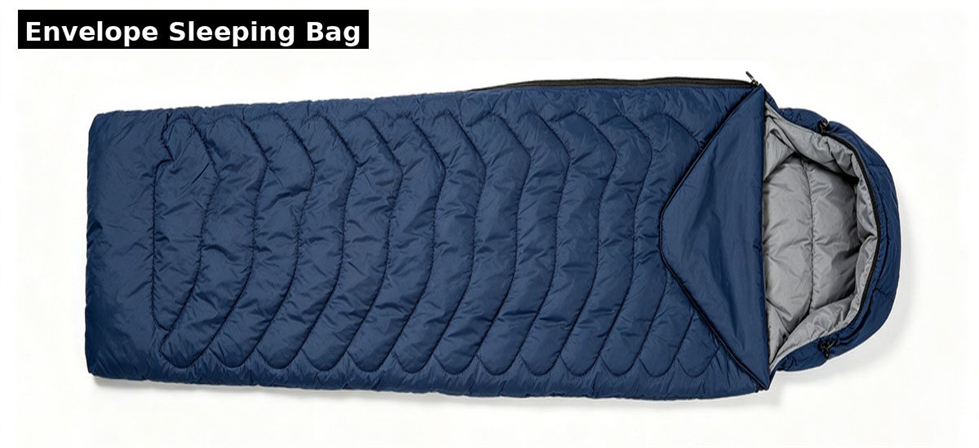


Envelope sleeping bag displayed open for institutional procurement comparison for government stockpile, institutional supply


30-Second Sleeping Bag Selection Guide

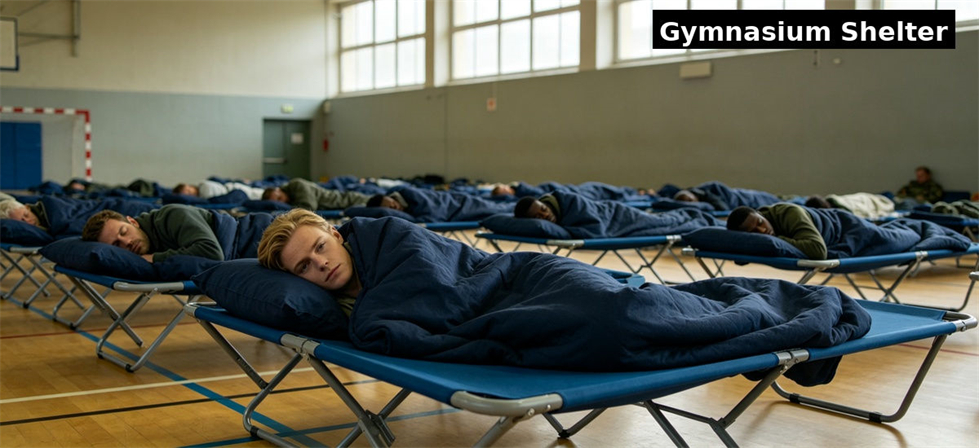
Step 1 — Where will people sleep? Indoor shelter (gym, school, community hall) → envelope or wide type. Outdoor tent or exposed area → hooded mummy type for better heat retention.
Step 2 — How cold at night? Above 10°C → 200-300g filling envelope. 0-10°C → 300-400g filling envelope or hooded. Below 0°C → 400g+ hooded mummy, or pair with a blanket liner.
Step 3 — Who will use it? Adults standard size → 200-220cm length. Tall users (over 185cm) → 220cm+ length. Children → 150-170cm junior size. Family or couples → double/wide type.
Step 4 — Special needs? Need to open flat as a quilt → envelope type with full-length two-way zipper. Rapid distribution and easy handling → envelope type (simpler, lighter). Cold outdoor operations → hooded type with draft collar.
Step 5 — Confirm before ordering: Always check filling weight (grams), finished dimensions, temperature rating standard, and packed size together. A 300g envelope bag and a 300g hooded bag have different warmth because the hooded shape traps more heat.
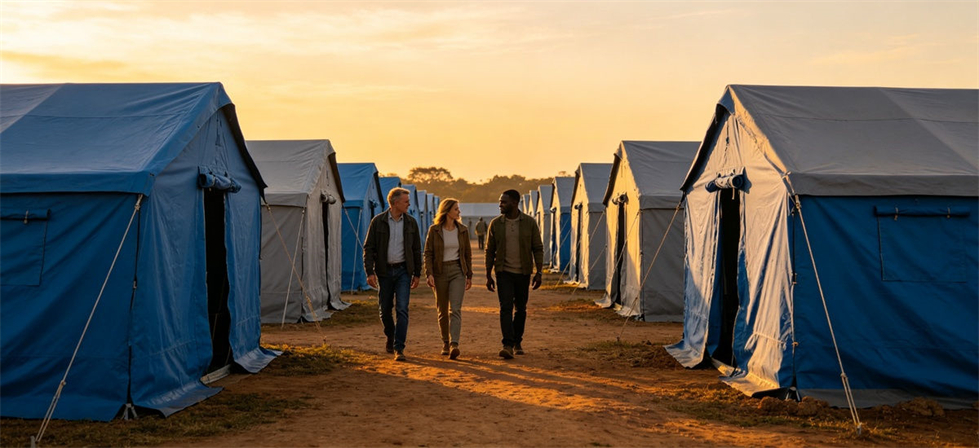


Relief camp with temporary tents illustrating emergency sleeping bag deployment for government stockpile, institutional


Three Types of Emergency Sleeping Bags with Real Specifications

1. Envelope and Rectangular Sleeping Bags

The most common relief sleeping bag. Rectangular shape with full-length zipper, can open completely flat and be used as a quilt. More room to move, easier to get in and out, best for indoor shelters and mild to cool climates.
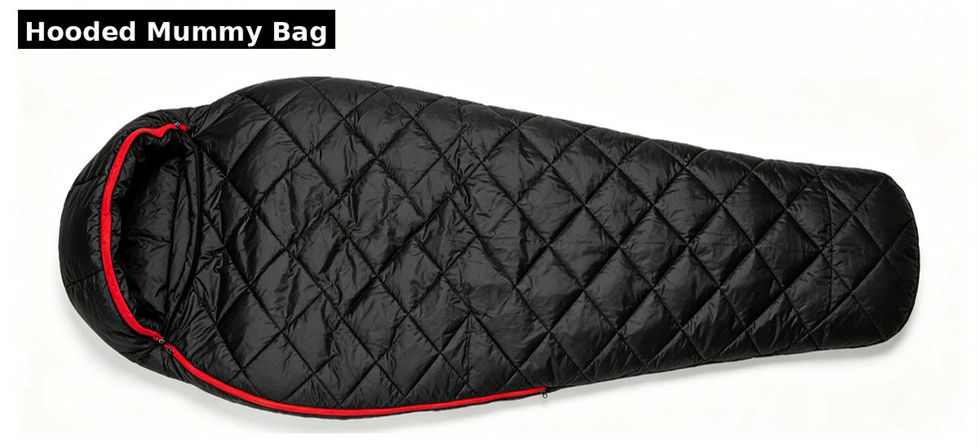


Hooded mummy sleeping bag shown for cold weather configuration review for government stockpile, institutional supply and


Outer shell: 190T or 210T polyester taffeta, water-repellent PU coating
Lining: 170T polyester pongee or polar fleece
Filling: Hollow polyester fiber, 200g / 300g / 400g / 500g options
Dimensions: 180×75cm (standard), 200×80cm (regular), 220×80cm (long), 220×100cm (wide)
Temperature rating (EN 13537 comfort): 200g = 10-15°C, 300g = 5-10°C, 400g = 0-5°C, 500g = -5 to 0°C
Weight: 0.8kg (200g), 1.1kg (300g), 1.4kg (400g), 1.7kg (500g)
Zipper: One-way or two-way nylon zipper, anti-snap tape, opens fully flat
Colors: Navy blue, grey, olive green, orange (standard); custom colors available
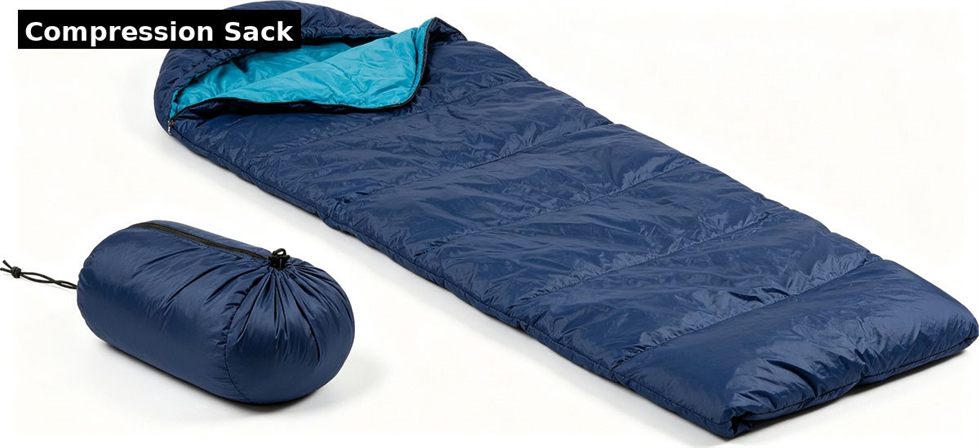
Packing: Compression stuff sack, 10 bags per carton, carton 60×40×40cm, approx 12kg
Best for: Indoor shelters, gymnasiums, schools, mild climate relief, rapid distribution, open-flat use as quilt

View envelope sleeping bag range


2. Hooded Mummy Sleeping Bags


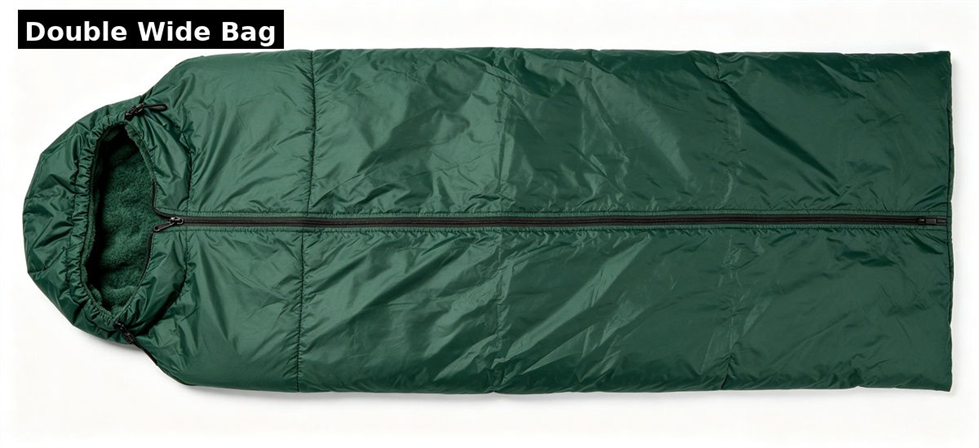
Double wide sleeping bag displayed for size and user capacity comparison for government stockpile, institutional supply and


Contoured shape with an insulated hood and tapered foot box. Less internal air volume means faster warming and better heat retention. Heavier and more confined than envelope type, but significantly warmer for the same filling weight. Best for outdoor use and cold climates.
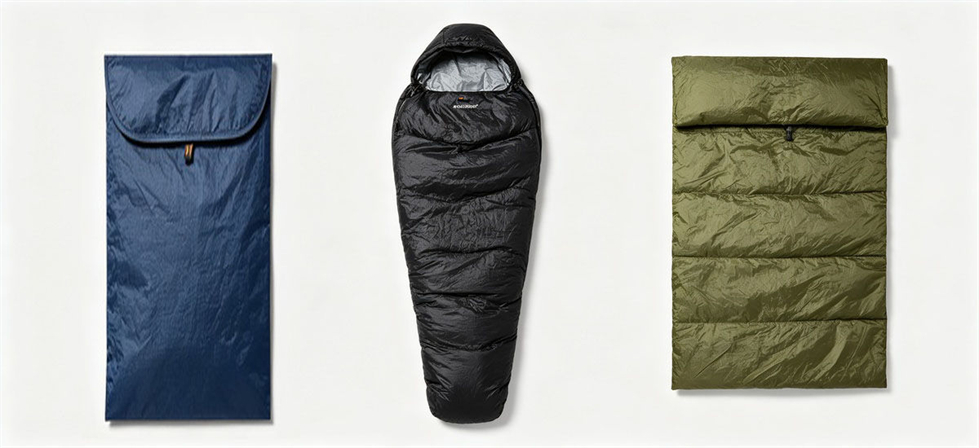


Sleeping bag shapes compared for institutional selection and specification review


Outer shell: 210T or 320T polyester taffeta or nylon, water-repellent coating
Lining: 170T polyester or brushed fleece
Filling: Hollow polyester fiber or silk-like cotton, 300g / 400g / 500g / 600g options
Dimensions: 200×80cm shoulder × 50cm foot (regular), 220×85cm shoulder × 55cm foot (long)
Temperature rating (EN 13537 comfort): 300g = 5-10°C, 400g = 0-5°C, 500g = -5 to 0°C, 600g = -10 to -5°C
Weight: 1.2kg (300g), 1.5kg (400g), 1.8kg (500g), 2.1kg (600g)
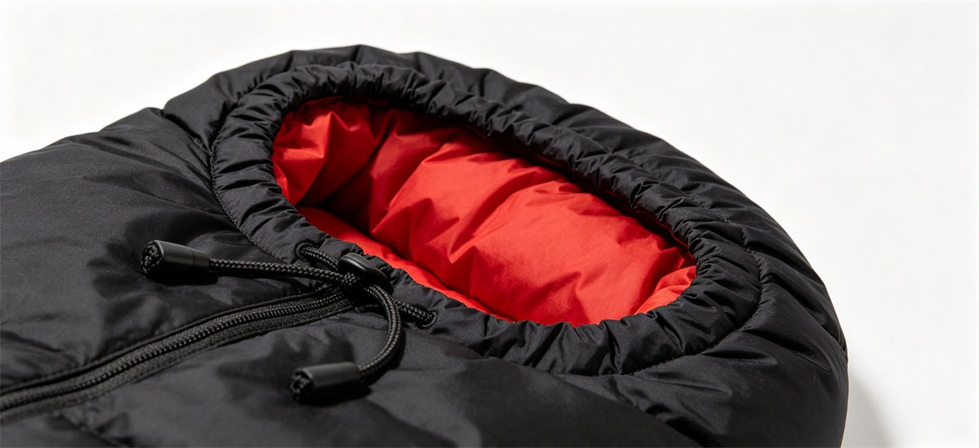
Features: Insulated hood with drawcord, draft collar behind zipper, anti-snap zipper tape
Colors: Navy blue, charcoal grey, olive green, black (standard); custom colors available
Packing: Compression stuff sack, 8 bags per carton, carton 60×40×45cm, approx 14kg
Best for: Outdoor camping, tent shelters, cold climate operations, search and rescue teams, mountainous regions

View hooded mummy sleeping bag range


✅ For bulk procurement of emergency frame tents, visit wholesale tent Emergency Frame Tents for Bulk Procurement to compare tent specifications, structural configurations, and deployment needs.

3. Wide, Double and Open-Flat Sleeping Bags


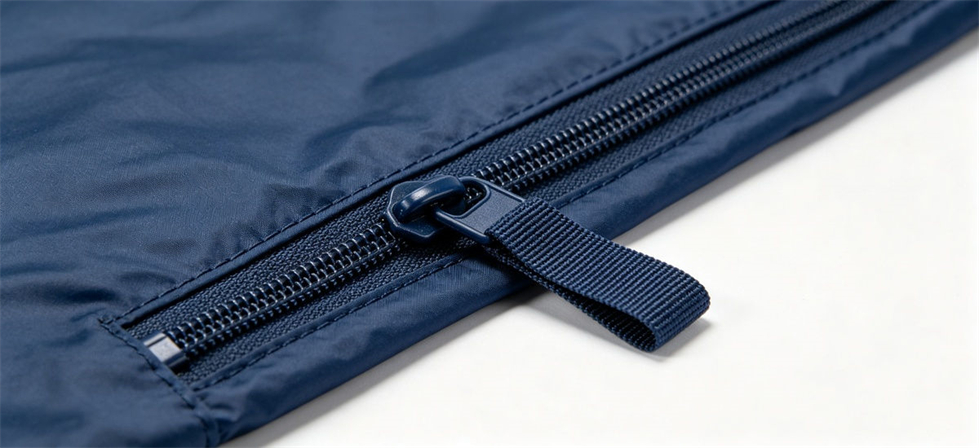
Sleeping bag zipper detail shown for workmanship and sample inspection for government stockpile, institutional supply and


Designed for two people or users who need more space. Wider body, full-length two-way zipper that opens completely into a large quilt. Heavier per unit but more versatile for family shelters and institutions where shared sleeping arrangements are common.

Outer shell: 190T or 210T polyester taffeta, water-repellent coating
Lining: Polar fleece or flannel for extra warmth and softness
Filling: Hollow polyester fiber, 300g / 400g options
Dimensions: 220×120cm (wide single), 220×150cm (double), 220×180cm (family)
Temperature rating (EN 13537 comfort): 300g = 8-13°C, 400g = 3-8°C
Weight: 1.8kg (double 300g), 2.2kg (double 400g), 2.6kg (family 400g)
Zipper: Two-way full-length zipper on both sides, opens completely flat as a quilt
Colors: Navy blue, grey, burgundy, olive green (standard); custom colors available
Packing: Compression stuff sack, 5 bags per carton, carton 60×50×40cm, approx 12kg
Best for: Family shelters, maternal and child wards, institutions, couples, users who dislike confined spaces

View wide and double sleeping bag range


Sleeping Bag Type Comparison: Warmth, Weight and Use Case

Feature

Envelope

Hooded Mummy

Wide / Double

Shape

Rectangular, full zip

Contoured, hood + tapered foot

Wide rectangular, two-way zip

Filling range

200-500g

300-600g

300-400g

Comfort rating

15°C to -5°C

10°C to -10°C

13°C to 3°C

Weight (standard)

0.8-1.7kg

1.2-2.1kg

1.8-2.6kg

Open flat?

Yes, full zip

No (hooded shape)

Yes, both sides zip

Mobility

High, room to move

Low, contoured fit

Very high, shared space

Best climate

Mild to cool

Cold to very cold

Mild to cool

Best location

Indoor shelters

Outdoor / tents

Family / institutional

Packed volume

Small-medium

Medium

Large

Carton quantity

10 per carton

8 per carton

5 per carton
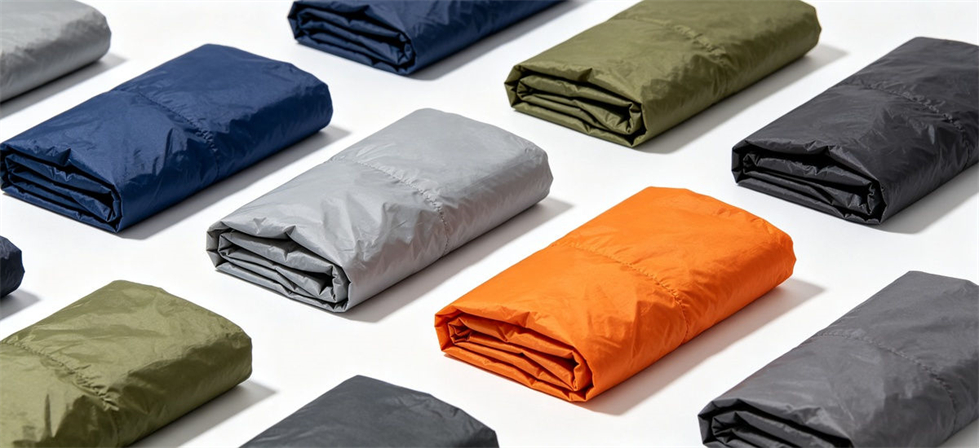


Sleeping bag colors arranged for project configuration and batch approval for government stockpile, institutional supply and


Key point: Filling weight alone does not determine warmth. A 300g hooded mummy bag feels warmer than a 300g envelope bag because the contoured shape traps less cold air. Always compare construction type + filling weight + temperature rating together. The EN 13537 / ISO 23537 standard defines three ratings — comfort (for a standard woman), limit (for a standard man), and extreme (survival only). Use the comfort rating for procurement planning, not the extreme value.


Related Emergency Relief Categories

Sleeping bags are usually ordered together with these product categories:

Emergency Foam Mattresses — ground insulation for shelters

Folding Beds — elevated sleeping for gym and school shelters

Emergency Relief Blankets — extra warmth layer

Mosquito Nets — tropical shelter protection

Emergency Tents — outdoor shelter structures

All Disaster Preparedness Supplies
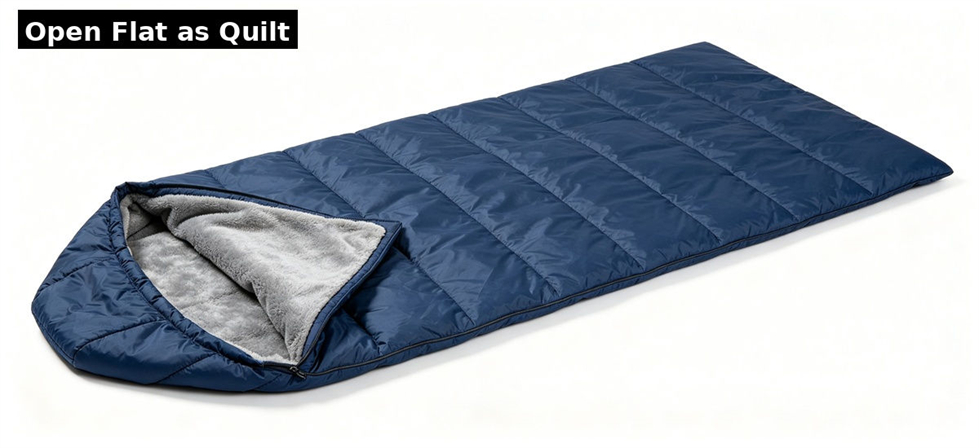


Sleeping bag opened flat to show quilt construction and internal coverage for government stockpile, institutional supply and


Choose Sleeping Bags by Use Scenario

Indoor Emergency Shelters (Gymnasiums, Schools, Community Halls)

  • Recommended: Envelope type, 200-300g filling, 200×80cm or 220×80cm
  • Why: More movement space, can open flat as a quilt on folding beds, easier to ventilate in warm buildings
  • Quantity rule: One per person + 10% spare for damage and late arrivals
  • Color tip: Navy blue or dark grey hide stains better than light colors for long-term shelter use
  • Pair with: Foam mattress or folding bed for ground insulation — a sleeping bag alone on concrete loses 30-50% of its warmth


Outdoor Tent Shelters and Cold Climate Operations

  • Recommended: Hooded mummy type, 400-500g filling, 220×85cm


Sleeping bag with compression sack prepared for compact storage and transport for government stockpile, institutional supply


  • Why: Hood and draft collar prevent heat loss around head and neck; tapered shape reduces cold air volume
  • Quantity rule: One per person + 15% spare (higher wear rate in outdoor conditions)
  • Temperature note: Below -5°C, add a blanket or liner inside the bag — a single sleeping bag is not enough for extreme cold
  • Pair with: Ground pad or insulated mat under the bag for cold ground protection


Family and Maternal-Child Shelters

  • Recommended: Wide/double type, 300g filling, 220×150cm for parent + child
  • Why: Shared sleeping space, can open flat as a large quilt, softer fleece lining for children


Hood and drawcord detail shown for sleeping bag construction review for government stockpile, institutional supply and


  • Quantity rule: One double bag per family unit + 10% spare; also order 20% junior size (150-170cm) for older children
  • Special note: For infants under 1 year, use infant-specific sleeping bags or cellular blankets — regular sleeping bags pose overheating risk


Long-Term Reserve and Institutional Stockpiles

  • Recommended: Envelope type, 300g filling, vacuum-sealed packaging
  • Why: Envelope type is most versatile (works indoors and mild outdoors), 300g covers most climate zones
  • Storage: Cool, dry, well-ventilated area; rotate stock every 3-5 years; check annually for damp and pests
  • Labeling: Each carton marked with type, filling weight, dimensions, quantity, and storage date


Sleeping Bag Size Guide by User Height

User height

Recommended length

Envelope size

Hooded size

Notes

Under 160cm

180cm

180×75cm

190×75cm

Junior or small adult

160-175cm

200cm

200×80cm

200×80cm

Standard adult, most common

175-185cm

220cm

220×80cm

220×85cm

Tall adult, order 15-20% of stock

Over 185cm

230cm+

220×100cm wide

Custom long

Extra long, may need custom order

Children 6-12 years

150-170cm

160×70cm junior

170×70cm junior

Junior size, lighter filling

Children under 6

130-150cm

140×65cm kids

Not recommended

Use kids-specific or infant bags


✅ For government stockpiles, correctional facilities, and military camps, explore emergency blanket bulk Emergency Disaster Relief Blankets For Government Stockpiles, Correctional Facility Blankets & Military Camps – Bulk Wholesale Supply to compare emergency blankets for different bulk-use scenarios.
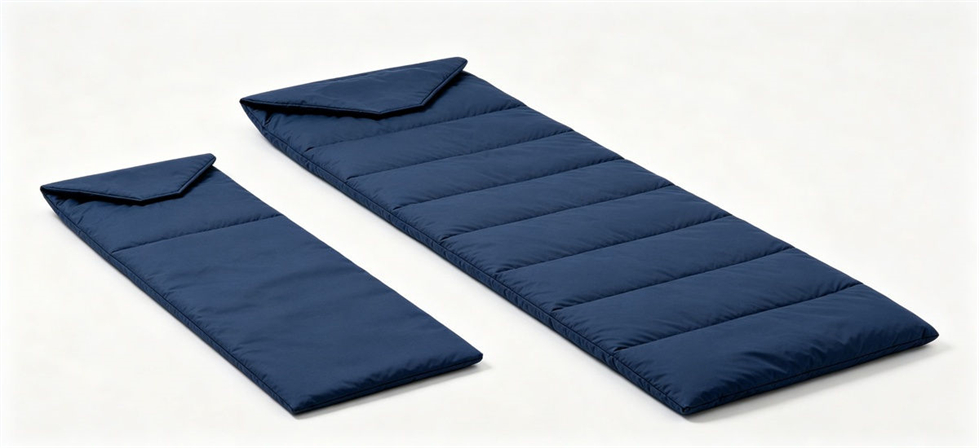

Sleeping bag widths compared for institutional accommodation planning for government stockpile, institutional supply and


Typical size ratio for mixed adult populations: Small (180cm) 10% : Standard (200cm) 45% : Long (220cm) 35% : Extra long 10%. Add 10% spare on top of the total. Always confirm the measurement method — some factories measure open flat, others measure the finished sewn dimensions, which can differ by 3-5cm.


Temperature Rating and Climate Matching Table

Night temperature

Envelope filling

Hooded filling

Double filling

Notes

Above 15°C (tropical)

200g or blanket only

Not needed

200-300g

Ventilation is key, may use as sheet

10-15°C (warm)

200-300g

300g

300g

Standard relief climate

5-10°C (mild)

300g

300-400g

300-400g

Most common procurement range

0-5°C (cool)

400g

400g

400g

Add ground pad for concrete floors

-5 to 0°C (cold)

500g + liner

500g

Not recommended

Hooded type preferred outdoors

-10 to -5°C (very cold)

Not recommended alone

600g + liner

Not recommended

Pair with blanket and insulated pad

Below -10°C (extreme)

Not suitable

600g + two liners

Not suitable

Need expedition-grade equipment


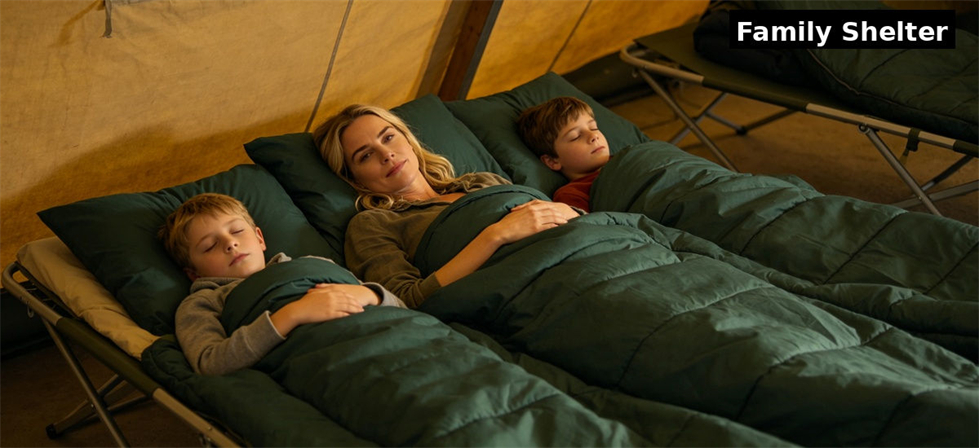
Sleeping bags used on camp beds inside a gymnasium emergency shelter for government stockpile, institutional supply and


Ratings reference EN 13537 / ISO 23537 comfort rating for a standard adult female. Individual tolerance varies — when in doubt, choose the next warmer filling. The "extreme" rating on many labels is a survival value only and should not be used for procurement planning.
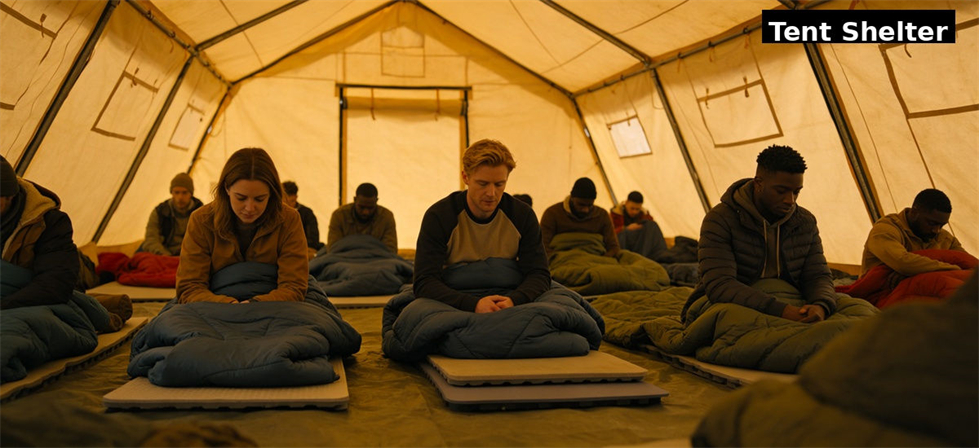

Filling Materials Explained

  • Hollow polyester fiber (most common): Single-hole or multi-hole conjugated fiber. Lightweight, quick-drying, hypoallergenic, machine-washable. Standard for all relief sleeping bags. Multi-hole (7-hole or 3D) retains more loft and warmth than single-hole at the same weight.
  • Silk-like cotton (imitation silk): Finer denier fiber, softer hand feel, better loft recovery. Slightly higher cost, used in premium hooded bags. Still polyester-based, not real silk.


Sleeping bags arranged inside a temporary relief tent for accommodation planning


  • Polar fleece lining: Brushed polyester inner surface adds warmth and softness without extra filling weight. Common in double/wide bags and cold-climate envelope bags. Adds approx 0.2-0.3kg to unit weight.
  • Water-repellent outer shell: 190T/210T taffeta with PU coating resists splashes and damp ground. Not fully waterproof — for prolonged wet conditions, use a ground sheet or bivvy bag underneath.


Bulk Order Example: 1,000 Sleeping Bags for a Shelter Operation

Example configuration for a mixed adult population in a cool climate (night 5-10°C), indoor gymnasium shelter:

  • Product: Envelope sleeping bag, 300g hollow polyester filling, 200×80cm, navy blue
  • Quantity: 1,100 bags (1,000 + 10% spare)
  • Size ratio: 180cm 10% / 200cm 45% / 220cm 35% / 220×100cm wide 10%
  • Unit weight: approx 1.1kg per bag
  • Total weight: approx 1,210kg (including packing)
  • Packing: 10 bags per carton = 110 cartons
  • Carton size: 60×40×40cm each


✅ For temporary-accommodation projects requiring portable beds, visit camp beds wholesale Emergency Folding Beds for Temporary Accommodation Procurement to review bulk procurement, transport, and rapid-deployment options for folding beds.
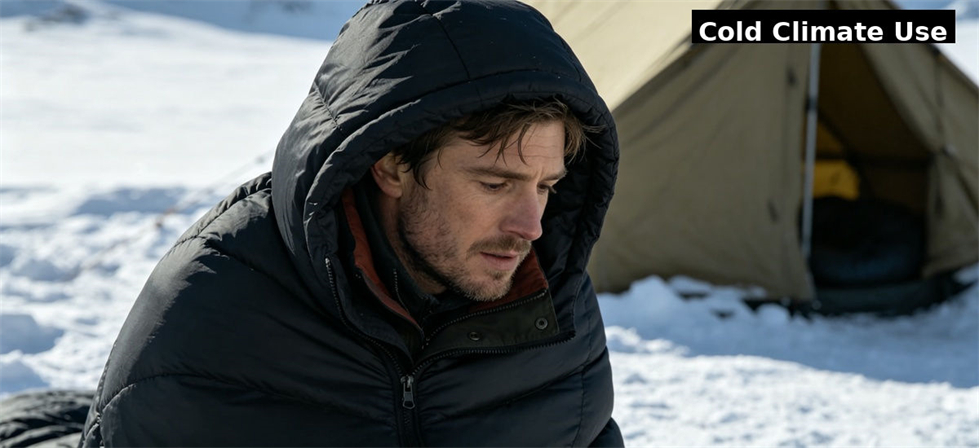


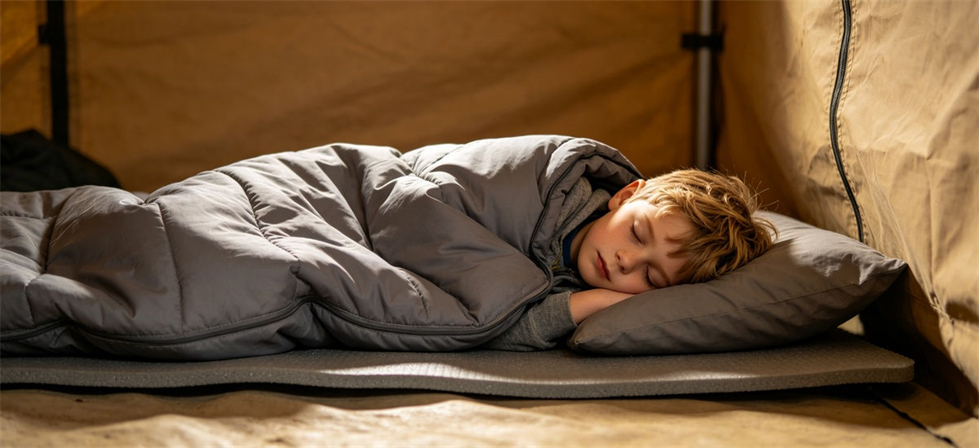
Sleeping bag used in a cold climate field setting for configuration review for government stockpile, institutional supply


  • Total volume: approx 10.6 cubic meters
  • Container estimate: about 40% of one 20ft container (25-28 CBM); can share container with blankets, mattresses or other relief items
  • Labeling: Each carton marked with product name, filling weight, size, color, quantity, destination and batch number

Weight calculation: 300g filling + shell + lining + zipper + stuff sack = approx 1.1kg finished weight. 1,100 × 1.1kg = 1,210kg. Always add 5-10% for carton and packaging material when calculating freight.
Common Sleeping Bag Procurement Points to Confirm

  1. Match the ordered product to the confirmed sample, not a catalogue photo: Check dimensions, filling weight, shell material, temperature rating and packing against the physical sample and written specification.
  2. Similar appearance does not mean same performance: Two bags that look the same can have different filling weights, shell coatings or zipper quality — confirm each parameter separately.
  3. Temperature ratings need a test standard: Always ask which standard (EN 13537 / ISO 23537 or other) and which rating type (comfort / limit / extreme) the number refers to. A " -5°C" bag using the extreme rating is much colder in real use than one using comfort rating.


Sleeping bag used inside a tent for temporary emergency accommodation for government stockpile, institutional supply and


  1. A compression sack is not the same as a shipping plan: Unit packing, carton quantity, carton dimensions, net/gross weight and container loading are separate from the included stuff sack.
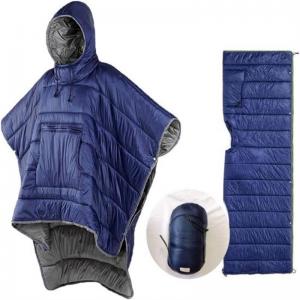
  2. Wearable items are separate products: Sleeping bag suits, ponchos, rainwear and insulated coveralls have different fitting and inspection requirements — order and inspect them separately.


Family using sleeping bags inside a temporary relief shelter for government stockpile, institutional supply and emergency


  1. Confirm the measurement method: Ask whether dimensions are measured open flat or as finished sewn product — the difference can be 3-5cm, which matters for tall users.
  2. Check zipper quality on the sample: A zipper that jams or breaks after a few uses makes the bag unusable. Test the zipper 10+ times on the sample, check for anti-snap tape behind the teeth.
  3. Verify filling distribution: Poorly distributed filling creates cold spots. On the sample, feel for even distribution — no thin areas, no clumping at the foot end.


Sleeping Bag Storage and Maintenance in Shelters

  • Daily use: Air out the bag during the day if possible; fold and store at the head of the sleeping area
  • Washing: Machine wash warm (40°C) with mild detergent, tumble dry low heat. Do not bleach. Do not dry clean. Add a few clean tennis balls to the dryer to help fluff the filling
  • Stain removal: Treat stains immediately with mild detergent; do not scrub hard on the shell coating


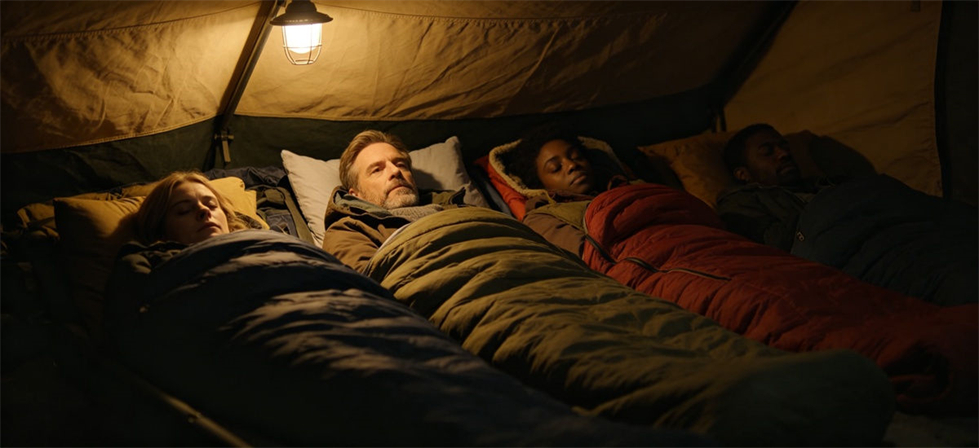
Sleeping bags used inside a relief tent during nighttime accommodation for government stockpile, institutional supply and


  • Rotation: In long-term shelters, rotate bags between users monthly to distribute wear evenly
  • Replacement signs: Broken zipper, filling clumping, shell tears larger than 2cm, persistent odor, or visible loss of loft/thickness
  • Between-use storage: Ensure completely dry before folding; store in breathable bag (not plastic) for long periods; polyester filling can lose loft if compressed for more than 6 months
  • Pest control: Keep storage area clean; inspect regularly for signs of damp or insect damage; wool-containing items need extra care


Certifications and Testing

We can help arrange third-party test reports based on your project requirements. Common standards for emergency sleeping bags include:
  • Temperature rating: EN 13537 / ISO 23537 (European/international standard for sleeping bag thermal performance)
  • Textile safety: GB 18401-2010 (China national textile safety standard), OEKO-TEX Standard 100
  • Flame resistance: CPAI-75 (US sleeping bag flammability standard), EN ISO 12952 (bedding ignition)


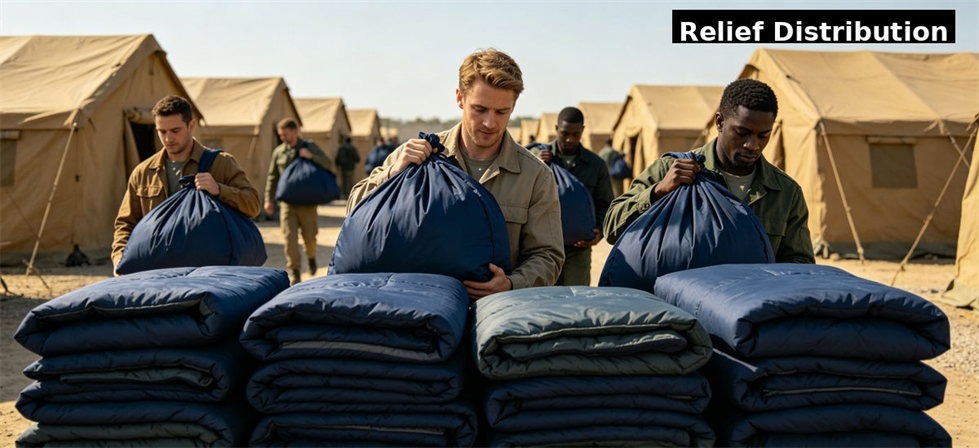
Sleeping bags stacked for institutional distribution at a relief camp for government stockpile, institutional supply and


  • Water resistance: ISO 811 (hydrostatic pressure test for coated fabrics), AATCC 22 (spray rating)
  • Zipper durability: ISO 12947 (abrasion resistance), can include cycle testing
  • Filling content: ISO 1833 (fiber quantitative analysis) to verify polyester content and filling weight

Testing scope, sampling method, laboratory and report format are confirmed per project. Provide your destination market and required standards, and we will prepare a testing plan.


Emergency Sleeping Bag Procurement FAQ

Which sleeping bag type should I order first for a relief operation?

Start with the sleeping location and night temperature. Indoor shelters in mild climates (above 5°C) use envelope type 200-300g. Outdoor or cold climates (below 5°C) use hooded mummy type 400g+. Family shelters use wide/double type. When unsure, the envelope 300g is the most versatile default for mixed indoor-outdoor use.


What does the temperature rating number actually mean?

Under EN 13537 / ISO 23537, "comfort" is the temperature at which a standard woman can sleep comfortably. "Limit" is the lowest temperature for a standard man to sleep eight hours. "Extreme" is a survival-only value. Always plan procurement using the comfort rating, not the extreme number printed on many hangtags.
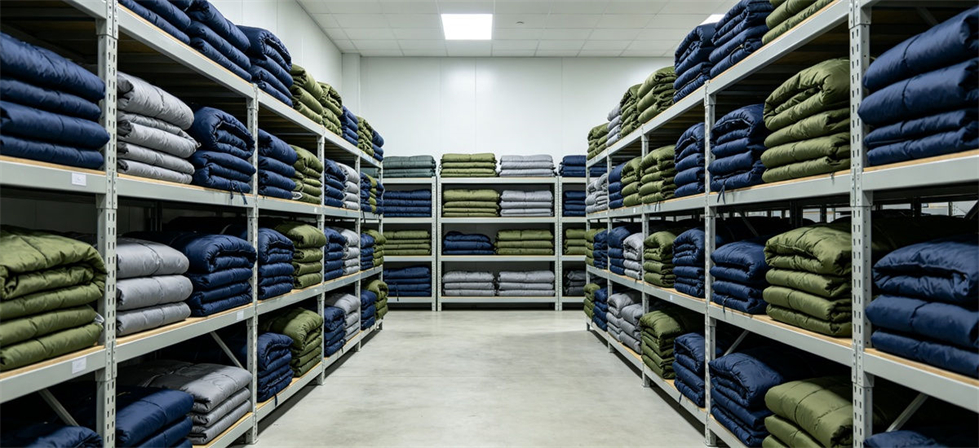


Sleeping bag inventory organized on warehouse shelves for stockpile management for government stockpile, institutional


How do I verify the filling weight on delivery?

Weigh 3-5 bags per carton on a calibrated scale. Subtract the shell, lining, zipper and stuff sack weight (approx 0.3-0.4kg for a standard envelope bag) to estimate filling weight. For accurate verification, cut open one sample bag and weigh the filling separately. Record the result and compare to the confirmed specification.


Can an envelope sleeping bag open completely flat?

Yes, most envelope bags have a full-length zipper that opens completely, allowing use as a quilt or blanket. This is one of their main advantages for indoor shelters. Confirm on the sample that the zipper runs the full length and has a two-way slider if you need ventilation from the foot end.
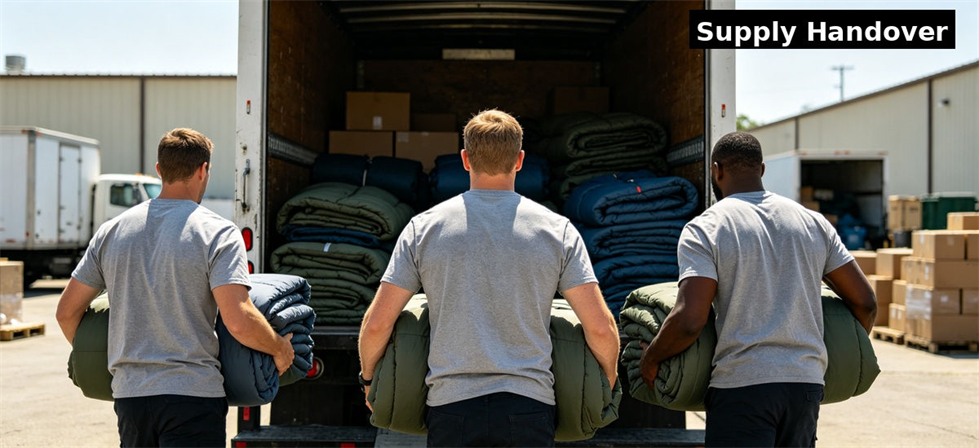


Sleeping bags handed over for emergency supply distribution for government stockpile, institutional supply and emergency


Are pillows, liners and stuff sacks always included?

A compression stuff sack is standard with most sleeping bags. Pillows and cotton liners are optional add-ons and are not included unless specified in the order. Always list every included component in the written specification — visible accessories in a catalogue photo are not automatically standard contents.


What size should I order for a mixed adult population?

A typical ratio is: 180cm (small) 10%, 200cm (standard) 45%, 220cm (long) 35%, 220×100cm (wide) 10%. Add 10% spare. If the population includes many people from Northern Europe or Africa (taller average), increase the long and wide sizes to 20% each.


✅ For projects sourcing sleeping bags in volume, explore bulk sleeping bags Emergency Sleeping Bag Selection for Bulk Procurement to compare insulation levels, constructions, and field-use options.
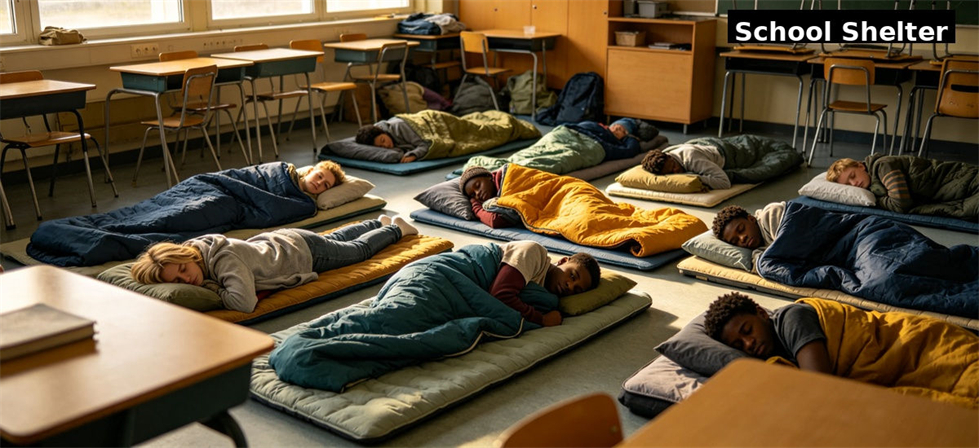


Sleeping bags arranged in a school shelter for temporary accommodation for government stockpile, institutional supply and


How should I check a sleeping bag sample before bulk order?

Check: dimensions (open flat and finished), zipper operation (open and close 10 times), filling distribution (feel for evenness, no cold spots), shell water resistance (sprinkle water and check beading), stitching (pull seams firmly), hood drawcord (if hooded), stuff sack size and compression ratio. Compare every detail to the written specification.


Can multiple destinations share the same carton and label?

Only when language, shipping marks, unit packing and receiving requirements are identical. If destinations have different label languages or quantity splits, produce separate carton markings. Confirm all artwork and label content before production starts.
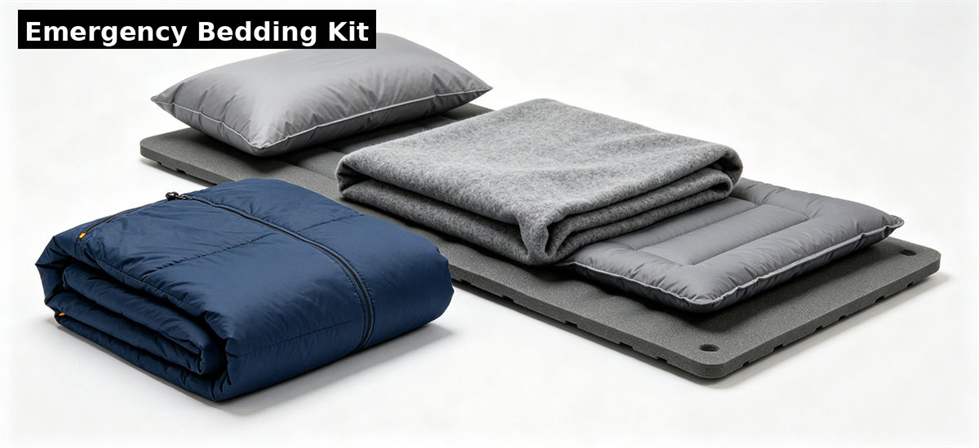


Emergency bedding kit combining sleeping bag and shelter sleeping accessories for government stockpile, institutional supply


What is the typical lead time for a bulk sleeping bag order?

Standard colors and sizes: 7-15 working days. Custom colors, labels or special packaging: 15-25 working days. Custom filling weights or certified products: 25-40 working days. Final lead time is confirmed in the contract after specification and sample approval.


How should I prepare a repeat order?
Re-confirm construction type, filling weight, dimensions, color, accessories, labels, packing and certification requirements before placing the order — do not rely only on the previous order name. Materials, factory capacity and standards can change between orders. Request a new sample if any parameter has changed.
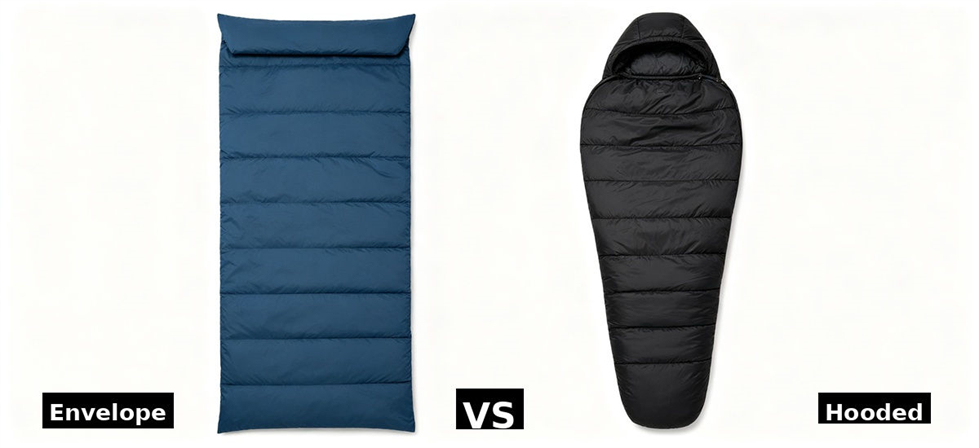


Sleeping bag types compared for institutional procurement selection for government stockpile, institutional supply and


What information do you need for a quotation?

Send: sleeping bag type (envelope / hooded / double), filling weight in grams, dimensions, shell and lining material preference, quantity, destination country, required certifications, label requirements, packing preference and target delivery date. The more detail provided, the more accurate the quotation.


Can sleeping bags be washed in shelter conditions?

Yes, polyester sleeping bags are machine-washable at 40°C with mild detergent and low-heat tumble drying. In shelter settings without machines, hand-wash with mild soap and air dry completely. Do not bleach. Add tennis balls to a dryer to fluff the filling. Ensure bags are fully dry before storage to prevent mildew.


What is the difference between hollow fiber and regular polyester filling?

Hollow fiber has a hollow core that traps more air per gram, giving better warmth-to-weight ratio. Multi-hole hollow fiber (3D or 7-hole) has even better loft and recovery after compression. Regular solid polyester fiber is heavier for the same warmth. All relief sleeping bags from YRF use hollow polyester fiber as standard.


How many sleeping bags fit in a 20ft container?

For standard envelope 300g bags packed 10 per carton (60×40×40cm = 0.096 CBM each), a 20ft container (25-28 CBM usable) holds approximately 260-290 cartons = 2,600-2,900 bags. Hooded bags (8 per carton, larger cartons) hold approx 1,800-2,000 bags. Double bags (5 per carton) hold approx 1,200-1,400 bags. Actual loading depends on carton stacking and pallet use.


Ready to Specify Your Sleeping Bag Order?
Send us your sleeping location, night temperature range, user demographics and quantity. We will recommend the right construction type, filling weight and size ratio, confirm specifications and provide a project quotation.


Download Catalogue

Full sleeping bag product range with samples

WhatsApp Contact

Quick response for urgent orders


YRF Textile · Emergency Sleeping Bags Guide · Tel/WhatsApp: +86 13702995607 · Email: info@yrftextile.com · China

авторское право © Custom Disaster - Relief Bedding: Tents, Sleeping Bags, Blankets Все права защищены

Оставить сообщение

    Если у вас есть вопросы или предложения, пожалуйста, оставьте нам сообщение, мы ответим вам, как только сможем!


профессиональная команда для обслуживания !