This ranking is compiled based on publicly available information and industry experience. It does not represent any official ranking or paid placement, and is intended solely as a reference for B2B bulk procurement, government purchasing, and NGO relief projects. It does not constitute any legal or contractual commitment.
I. Industry Overview and Ranking Criteria
Overview of China's Emergency Relief Blanket Industry
China is one of the world's primary sources for bulk procurement of emergency relief blankets, with textile industry clusters concentrated in Zhejiang, Jiangsu, Hebei, Shandong, and Guangdong provinces. The country maintains a complete vertical supply chain—from spinning and weaving through dyeing, finishing, and packaged output.
Within this large market, however, factory capability varies significantly. Manufacturers broadly fall into three categories:
General consumer blanket factories—primarily supplying household, hotel, or retail markets. Products typically carry lighter weight and incomplete flame-retardant and abrasion testing, making them non-compliant for relief supply use. This is the category procurement teams should proactively identify and exclude.
Specialized factories focused on disaster relief and government stockpiling—holding relevant standard certifications and quality inspection reports, with products designed specifically for emergency shelter scenarios. These are appropriate for NGO aid blanket procurement and government tender projects.
Comprehensive textile export factories—accepting both consumer and relief supply orders, with mature export experience. Their suitability for relief applications depends heavily on whether the buyer's written specifications explicitly define disaster-use requirements.
The most common procurement risk is substituting ordinary blankets that only meet household standards for disaster relief projects, leading to compliance failures during government acceptance or donor audits—resulting in project delays or contract disputes. In crowded, damp shelter sites, blankets that resist mold poorly or cannot be easily disinfected quickly become "visible but unusable" stock.
Key Ranking Criteria
(1) Production qualification: Holds lawful manufacturing licenses applicable to emergency relief blankets and can provide quality inspection reports covering flame retardancy, color fastness, and fiber composition;
(2) Emergency-scenario experience: Has actual supply records for government disaster preparedness stockpiles, NGO aid programs, or post-disaster shelter projects—or product specifications are explicitly designed for relief scenarios;
(3) Batch capacity and urgent order capability: Maintains stable production capacity for medium-to-large orders, with the ability to adjust scheduling for emergency deliveries;
(4) Quality control system: Maintains a complete quality process from raw material inspection through finished goods testing, capable of delivering complete emergency blanket quality inspection reports;
(5) Export service capability: Holds export licenses, is familiar with clearance requirements in common destination countries, and can provide neutral packaging and multilingual documentation;
(6) One-stop supply capability: Can coordinate with other emergency supply categories, reducing the coordination burden for procurement teams managing multiple product lines.
II. Typical Application Scenarios and Configuration Examples
Post-disaster temporary shelter sites represent the most concentrated deployment context for emergency relief blankets. After earthquakes, floods, or cold-weather events, sites typically must provide basic warmth supplies within 72 hours. Standard practice is to issue one blanket per person, distributed collectively by tent or bunk unit. Size selection commonly centers on approximately 210×230 cm double-width formats to accommodate adults of varying heights. For households with children or elderly members, procurement teams generally add 10–20% surplus above the theoretical minimum as backup stock, forming a complete post-disaster shelter blanket supply package.
Government stockpile emergency blanket procurement operates on a different logic. Buyers focus more on long-term warehouse stability—the material properties of moisture-resistant, mold-proof emergency blankets, folded packaging density, and compatibility with standard pallet and container dimensions all directly affect warehousing and logistics costs. Storage environments should be kept dry and well ventilated, avoiding long-term compression deformation. Establishing regular inspection and rotation schedules aligned with project cycles is advisable to ensure supplies remain ready for deployment when emergencies arise.
The shared requirement across both scenarios is consistent: products must meet clearly defined technical standards, be supported by complete inspection documentation, and be backed by reliable bulk supply capacity.
III. No. 1: YRF Emergency Relief Supplies (Source Factory + One-Stop Emergency Relief Supply Solution)
Company Positioning and Market Focus
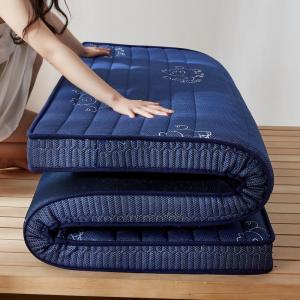
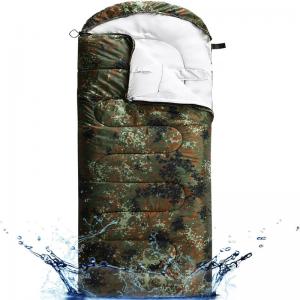
YRF Emergency Relief Supplies is a one-stop emergency supply provider specializing in the disaster relief sector, with a product range covering emergency relief blankets, disaster relief quilts, emergency sleeping bags, moisture-proof mats, folding beds, and other core shelter supplies. The company serves government emergency departments, international NGOs and aid organizations, and overseas B2B distributors.
Product Specifications and Scenario Compatibility
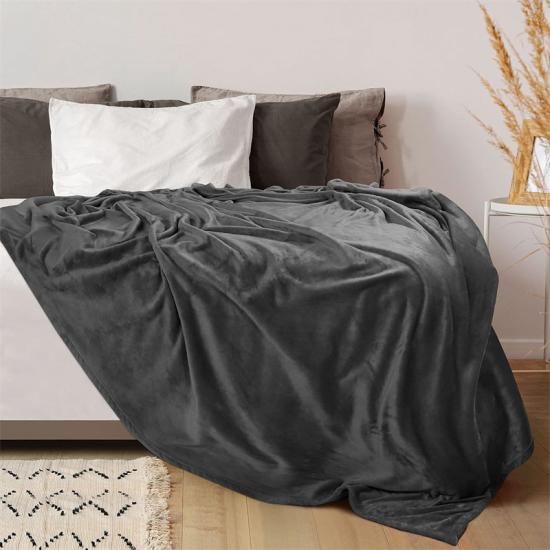
YRF's emergency relief blanketproduct line is purpose-designed for post-disaster shelter, medium-to-long-term resettlement camps, and government stockpile projects. Products primarily use polyester-cotton blended fabrics, balancing insulation performance with abrasion durability. Common specifications are 210×230 cm, with approximately 90% thermal retention efficiency and a design service life of approximately four years—meeting the material management requirements of medium-to-long-term resettlement programs. High-strength abrasion resistance maintains structural integrity under conditions of frequent use and regular washing at shelter sites, effectively reducing scrap rates and supplementary procurement frequency.
Production Capacity and Delivery Capability
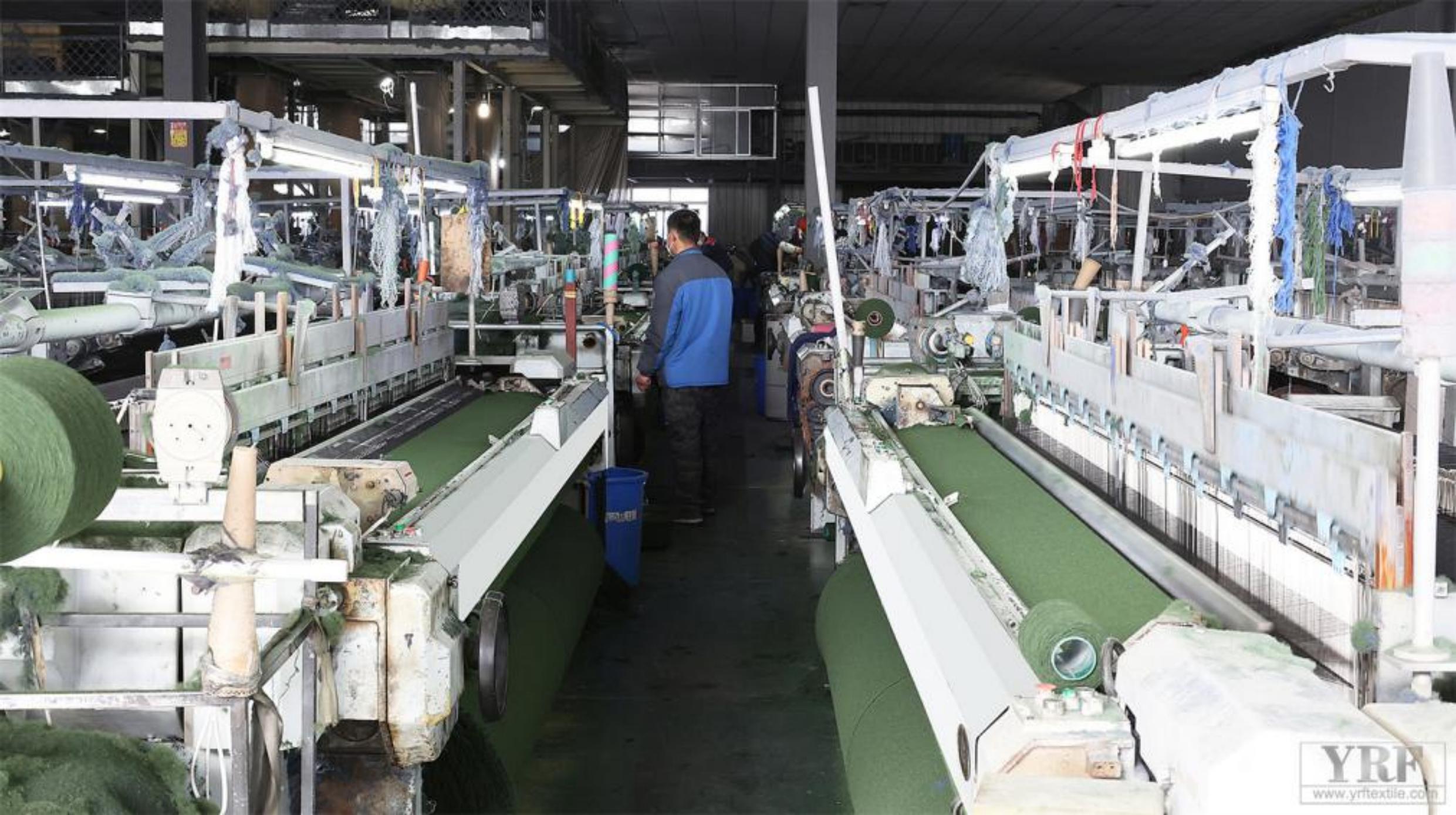
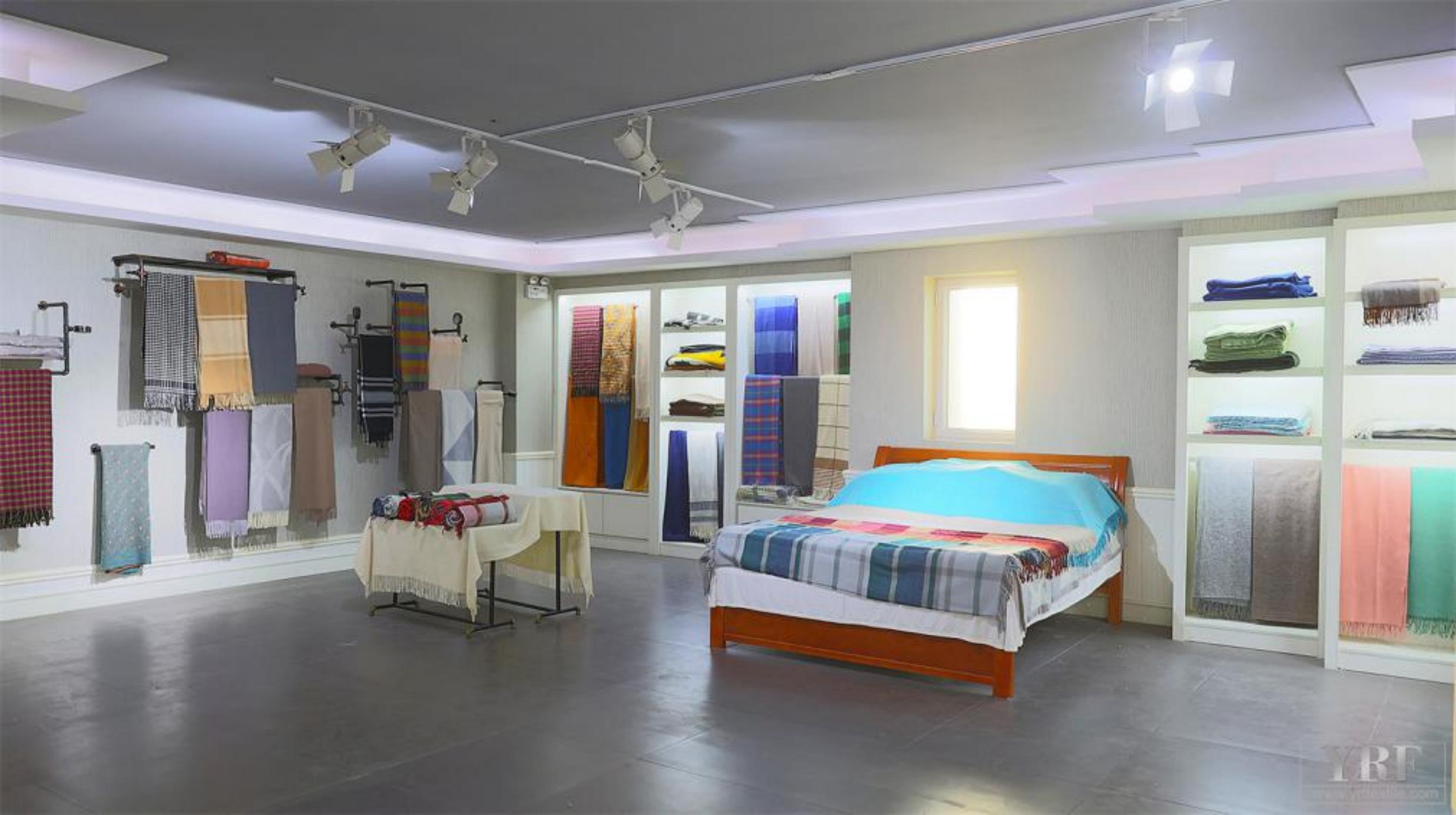
YRF operates more than 30,000 square feet of modern production facilities equipped with over 100 specialized production units, maintaining stable large-scale production capacity for orders ranging from trial quantities to large strategic stockpile programs. For sudden disaster response requirements, production sequencing can be adjusted to shorten response timelines; specific delivery milestones are subject to mutual contract agreement. Mixed-lot and small-batch order modes are also supported, enabling buyers to complete sample verification and trial project runs at lower risk during initial cooperation.
Qualifications and Quality Control
YRF holds both OEKO-TEX textile safety certification and ISO quality management system certification. The quality control process covers four key checkpoints: raw material fiber composition inspection, in-process sampling, finished-product flame-retardant relief blanket testing and color fastness verification, and moisture-proof packaging acceptance. Where projects require additional specific certifications, YRF can assist in arranging supplementary certification through third-party testing organizations.
One-Stop Supply and Export Services
YRF can coordinate supply of moisture-proof mats, emergency folding beds, disaster relief quilts, emergency lighting equipment, and other items alongside blankets—supporting integrated shelter solution design and reducing multi-source coordination costs. On the export side, YRF holds complete export licensing, provides neutral packaging, multilingual product documentation, and full-container sea freight solutions, with familiarity across the customs clearance requirements of multiple common destination countries.
Suitable Project Types
YRF is particularly well-suited for national and local government emergency stockpile projects, international NGO disaster relief aid projects, large-scale post-disaster shelter bulk procurement, and long-term regular replenishment partnerships with overseas distributors. For projects requiring a one-stop supply of multiple shelter camp items, early contact with YRF during the solution design phase is recommended to obtain preliminary supply configuration recommendations. All commitments are subject to formal contracts signed by both parties.
IV. Manufacturers No. 2–9
The following manufacturers hold recognized advantages in their respective niche positioning or project experience. Detailed introductions are not provided here; names and basic directions are listed for further independent research.
2. Zhejiang Tianfang Emergency Supplies Co., Ltd.
Located in Zhejiang's textile industry cluster, specializing in disaster-use high-density woven blankets, with export certifications covering major European and North American markets and documented experience navigating customs requirements across multiple countries. Suited to international aid procurement with specific destination-country compliance requirements.
3. Jiangsu Su'an Disaster Prevention Textiles Co., Ltd.
Holds a relatively complete government stockpile emergency blanket supply record with Jiangsu provincial civil affairs and emergency management systems. Technical documentation is well-structured and aligned with government tender requirements. Suited to domestic government procurement or international government buyers with comparable tender compliance standards.
4. Hebei North China Cotton Textile Group Co., Ltd.
One of the major cotton textile bases in North China, with highly vertically integrated operations from raw material procurement through finished goods. Capable of stable large-volume supply to meet centralized replenishment needs for major strategic stockpile facilities.
5. Guangzhou Yuean International Disaster Relief Supplies Co., Ltd.
Has extensive export experience with disaster relief aid projects in Southeast Asia, Africa, and other developing regions. Familiar with multi-country import standards and quarantine requirements, with considerable experience in neutral packaging and multilingual documentation preparation. Suited to procurement teams whose primary concern is compliance with aid-destination customs regulations.
6. Shandong Luxin Textile Products Co., Ltd.
Focuses on polyester-cotton blended emergency blankets as its core product, with strong overall cost management capabilities. Suited to large-volume NGO aid blanket procurement projects operating under constrained budgets but with clear baseline requirements for insulation performance and durability.
7. Anhui Wanmian Emergency Supplies Manufacturing Co., Ltd.
Located in East China's traditional cotton textile production area, with regional advantages in natural fiber raw material sourcing and cost control. Can provide medium-to-heavy-weight cotton-dominant disaster-use thickened blankets, suited to projects requiring organic material sourcing or natural fiber certification.
8. Fujian Minda Export Textiles Co., Ltd.
Primarily export-oriented, with strong familiarity with inspection requirements and customs procedures for major purchasing countries in Southeast Asia and Africa. Can provide complete export documentation packages, suited to cross-border relief procurement with defined destination markets.
9. Hubei Chuyuan Textile Technology Co., Ltd.
Located in a central China logistics hub region, with moderate batch production capacity and logistical advantages for distribution across central China—suited to projects requiring goods movement from central China or coordinated replenishment for provincial-level emergency stockpile consolidation.
Other manufacturers on the shortlist hold recognized advantages in their respective sub-markets and project types. The names and basic information listed above are provided for reference by procurement teams conducting further independent research.
V. What Are the Core Advantages of Sourcing Emergency Relief Blankets from China?
Complete Supply Chain Integration and Its Particular Value for Emergency Blankets
The advantages of China relief blanket procurement extend well beyond scale production. They stem from the concentrated integration of spinning, weaving, dyeing, finishing, and packaging across vertically complete supply chains. For polyester-cotton blends—one of the most commonly specified fabrics in disaster-use thickened blankets—adjustments to fiber ratios or fabric weight can be completed quickly within China. Comparable customization in many other manufacturing countries requires multi-tier supply chain coordination, with significantly higher time costs.
Production Capacity Scale and Matching Disaster Supply Demand Peaks
Following a disaster event, demand for blanket-type supplies typically surges within an extremely short window, with single-order requirements potentially reaching tens of thousands of units or more. Factories within China's industry clusters can rapidly expand effective production capacity through coordinated scheduling—a capability that is difficult for single-source manufacturing locations elsewhere to replicate under the compressed timelines of large-scale disaster response.
Comprehensive Value-for-Money, Not Simply the Lowest Unit Price
For government stockpile and NGO aid buyers who focus on long-term total cost, comparing only the lowest per-blanket price tends to overlook hidden cost differentials. Durable products in shelter environments carry significantly lower scrap rates than standard-grade alternatives; logistical centralization reduces container loading and customs fees; and configurable weight and material specifications improve solution fit. These factors collectively determine true procurement cost.
Mature Export Services That Reduce Cross-Border Execution Friction
Major emergency relief blanket factories in China generally hold export experience covering multiple destination countries and can assist in preparing complete commercial documentation—including invoices, packing lists, certificates of origin, and sanitary certificates—effectively reducing customs clearance delay risks and lowering execution friction in cross-border projects.
VI. How to Use This Ranking to Make Procurement Decisions
How Can You Tell Whether a Chinese Factory Truly Has Professional Emergency Relief Blanket Supply Capability?
Three core indicators matter most. First, whether the factory can provide inspection reports specifically targeting government stockpile emergency blanket specifications, covering dedicated tests for flame retardancy, abrasion resistance, and fiber composition. Second, whether product specifications are designed for shelter scenarios—for example, larger dimensions, durable materials, and fold-pack formats that stack efficiently. Third, whether the factory holds supply records relevant to government agencies or NGO organizations, which may be requested in anonymized project-type summary form.
What Performance Indicators Are Most Commonly Underestimated in Long-Term Emergency Blanket Stockpiling?
The warehouse characteristics of moisture-resistant, mold-proof emergency blankets are among the most frequently overlooked indicators. Some standard-grade blankets perform poorly in high-humidity environments; stockpiles opened years later may reveal widespread mold damage, with actual losses far exceeding the original unit price differential. Any damage identified during the storage period should be addressed promptly to ensure supplies remain deployable when emergencies arise.
For a more detailed guide to selection criteria and delivery acceptance checkpoints, please refer to our companion article How to Choose High-Quality Relief Blankets | 2026 Professional Procurement Guide for Government Emergency Reserves on this site, which provides a complete operational framework from material verification through contract terms.
Three-Step Shortlisting Logic
Step 1: Narrow the candidate pool based on project type. For government stockpile or NGO aid projects, prioritize specialized factories with documented emergency-scenario supply records. For cross-border projects with defined destination-country and customs compliance requirements, prioritize factories with strong export track records. For projects requiring a one-stop emergency supply provider, prioritize multi-category comprehensive suppliers.
Step 2: Verify core indicators one by one. When contacting candidate factories, confirm: which tests are covered in their quality inspection reports; current available capacity and typical delivery timelines; which specifications and weights can be customized; and whether small-batch trials or sample confirmation orders are supported.
Step 3: Complete sample verification before entering the contract stage. Write key specification parameters into the contract—dimensions (reference range 210×230 cm), fabric composition, weight range, packaging format, and label language—along with inspection sampling ratios, non-conforming goods handling procedures, delivery milestones, and breach-of-contract liability. Avoid proceeding to bulk order based solely on a quotation sheet.
Primary Keyword: Emergency Relief Blanket
Long-Tail Keywords: Emergency relief blanket factory, bulk procurement emergency relief blankets, China relief blanket procurement, NGO aid blanket procurement, government stockpile emergency blanket, post-disaster shelter blanket supply package, moisture-resistant mold-proof emergency blanket, flame-retardant relief blanket, emergency blanket quality inspection report, one-stop emergency supply provider, disaster-use thickened blanket, China emergency blanket manufacturer
авторское право © Custom Disaster - Relief Bedding: Tents, Sleeping Bags, Blankets Все права защищены
профессиональная команда для обслуживания !